Survey data on strategic alignment in multispecialty hospitals: Implementing a balanced scorecard approach for optimal performance
Shefali Mohan, Rohit Kushwaha, M. Venkatesan, Ramya Singh, Manish Mishra

TL;DR
This paper presents survey data on how strategic alignment and balanced scorecard approaches affect hospital performance in India.
Contribution
The study provides a dataset capturing healthcare professionals' perceptions of strategic alignment and performance measurement in multispecialty hospitals.
Findings
The dataset includes responses from healthcare professionals across four Indian cities.
Variables cover strategic alignment, balanced scorecard implementation, and performance indicators.
The dataset supports comparative studies and validation of performance measurement tools.
Abstract
This dataset investigates the relationship between Strategic Alignment, Balanced Scorecard (BSC), and Optimal Performance (OP) in multispecialty hospitals. Data were collected using a cross-sectional design from 530 healthcare professionals in four cities in India: Lucknow, Varanasi, Kanpur, and Prayagraj. The data collection process involved Interviews and administering structured questionnaires to participants, capturing their perceptions and experiences related to strategic alignment, BSC implementation, and performance outcomes. The dataset comprises responses from a diverse group of healthcare professionals, including doctors, nurses, administrators, and support staff. Variables in the dataset include demographic information, measures of strategic alignment, BSC implementation metrics, and performance indicators. Sentiment analysis and Descriptive statistics were used to analyze…
Genes, proteins, chemicals, diseases, species, mutations and cell lines named across the full text — each resolved to its canonical identifier and authoritative record.
Click any figure to enlarge with its caption.
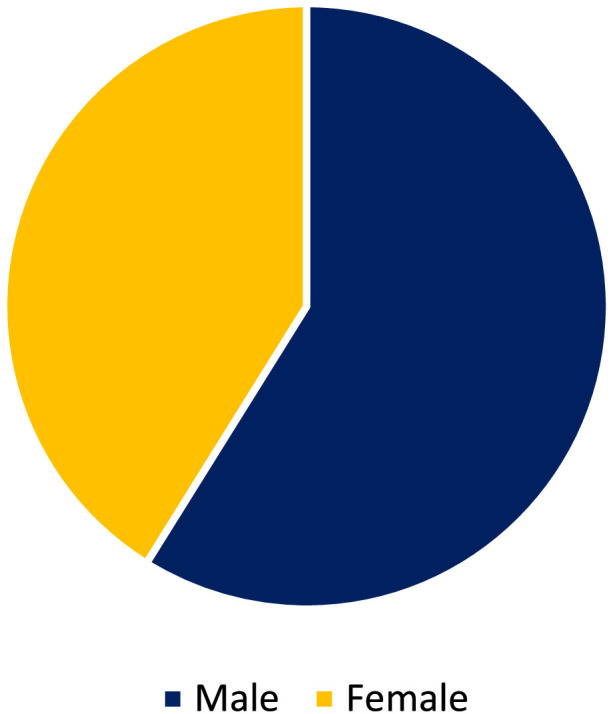 Figure 1
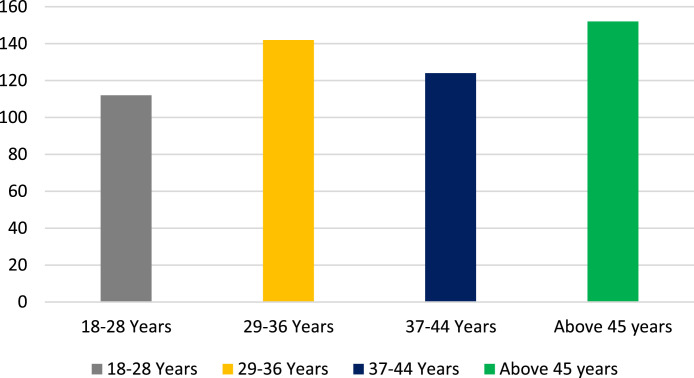 Figure 2
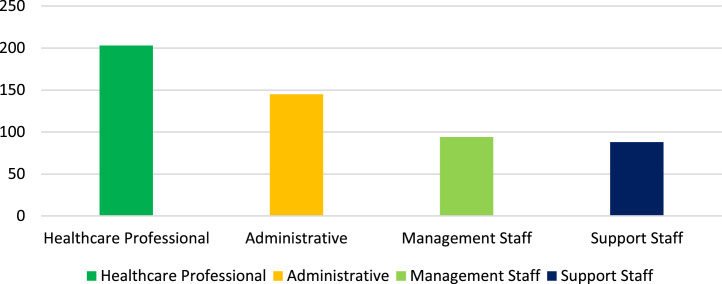 Figure 3
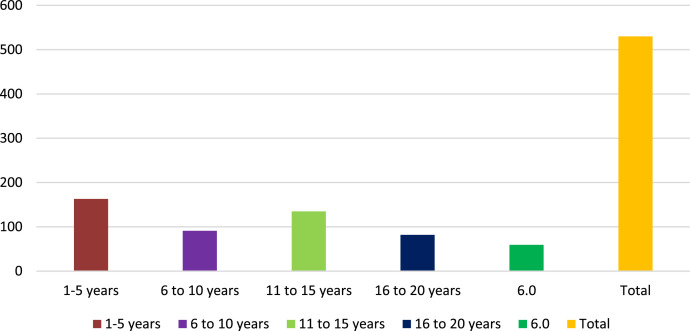 Figure 4
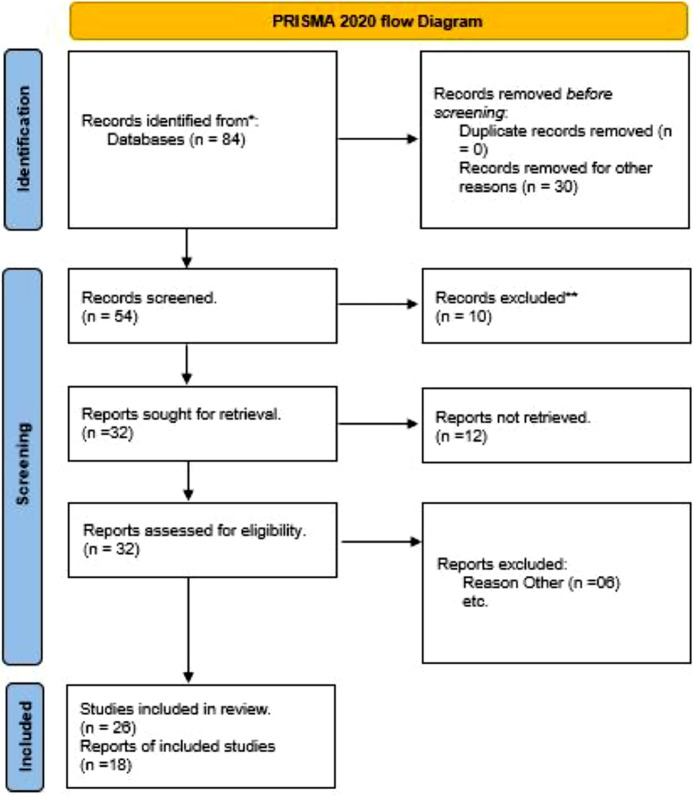 Figure 5
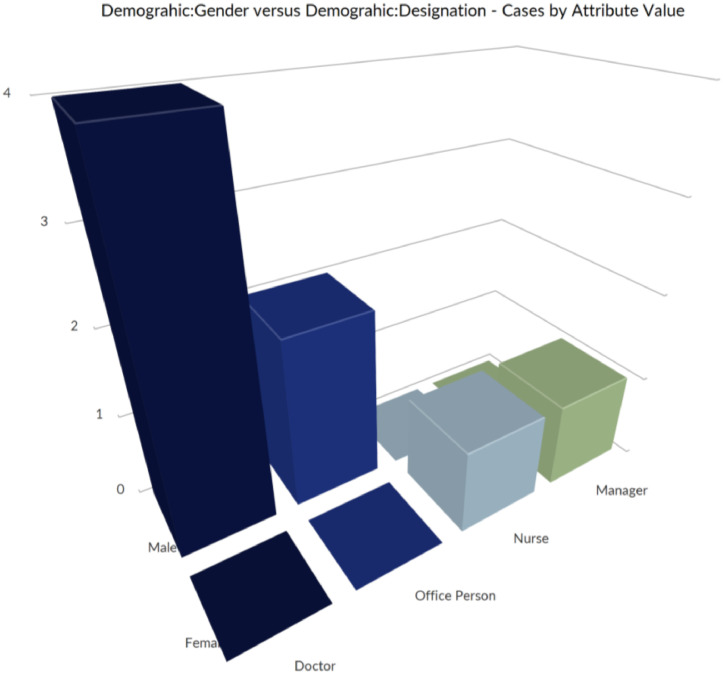 Figure 6
 Figure 7
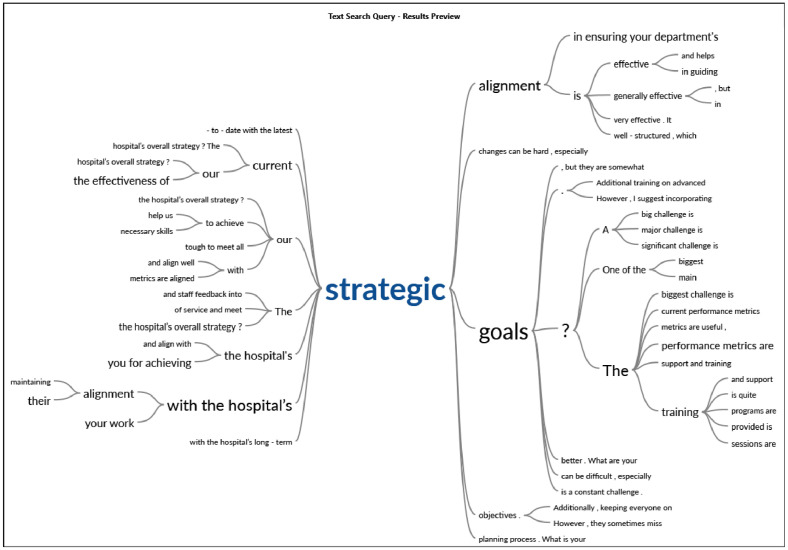 Figure 8
Peer Reviews
No public reviews on file for this paper yet. If you reviewed it on a platform where reviews are public (OpenReview, ICLR, NeurIPS, ICML), you can paste yours below so the community can read it here.
Videos
No videos yet. Explain this paper in a talk, walkthrough, or lecture? Add one.
Taxonomy
TopicsAccounting and Organizational Management · Patient Satisfaction in Healthcare · Primary Care and Health Outcomes
Specifications TableSubjectHuman ResourceSpecific subject areaLeadershipData formatRaw, Analyzed, FilteredData collectionThe data were collected using Interview and a structured questionnaire distributed in person. The questionnaire, derived from existing Balance Score Card and Optimal Performance literature, covered demographics, BSC perspectives, and OP metrics. Respondents were purposively sampled from multispecialty hospitals, targeting Healthcare Professional (Doctor, Nurse, Technician, etc.), Administrative, Management Staff, Support Staff (Clerical, Maintenance, etc.). Data were analyzed using NVivo 14 and SPSS (IBM SPSS Statistics 26).Data source locationThe data were collected from multispecialty hospitals located in Lucknow, Varanasi, Kanpur, and Prayagraj, India.Data accessibilityRepository name: Mendeley Data: Mendeley Data.Data identification number: 10.17632/s46hxyhzwx.1Direct URL to data: https://data.mendeley.com/datasets/s46hxyhzwx/1Related research articleBahadur, S., Kushwaha, R., Venkatesan, M., Singh, R., & Mishra, M. (2024).Strategic alignment in multispecialty hospitals: Implementing a balancedscorecard approach for optimal performance.The Scientific Temper, 15(01), 1915–1923 [1].
Value of the Data
1
- •This data offers a detailed analysis of the application of the Balanced Scorecard method in aligning hospital strategies. It is a crucial resource for hospital administrators and policymakers, providing insights necessary for optimizing hospital performance and enhancing decision-making processes.
- •The dataset serves as a valuable tool for researchers aiming to investigate the variations in Balanced Scorecard implementation across different hospitals. By examining the specific successes and challenges documented, researchers can refine and adapt these practices for various healthcare environments.
- •The data includes quantitative metrics related to patient care quality, operational efficiency, and financial sustainability. These metrics are essential for assessing hospital performance and developing benchmarks for evaluating the impact of strategic alignment initiatives in healthcare institutions.
- •This dataset allows researchers to delve into the factors influencing the effectiveness of the Balanced Scorecard in different hospital settings. A deeper understanding of these factors can lead to the development of tailored strategies that support effective strategic alignment and improve overall hospital services.
Background
2
The motivation behind compiling this dataset was driven by the need to enhance strategic alignment and performance in multispecialty hospitals. The healthcare sector, especially multispecialty hospitals, operates in a complex environment where various medical disciplines intersect. Achieving strategic alignment in these settings involves aligning organizational goals, resources, and activities across different specialties to ensure cohesive and synergistic healthcare delivery.
The theoretical background of this research is rooted in the Balanced Scorecard (BSC) framework, introduced by Kaplan and Norton in the early 1990s [2]. The BSC is a strategic management tool designed to translate an organization's vision and strategy into tangible objectives and performance indicators. By integrating performance measures across different perspectives, such as financial management, patient satisfaction, operational efficiency, and employee engagement, hospitals can effectively navigate the complexities of the healthcare landscape while focusing on delivering high- quality care and operational excellence.
This data article complements the original research article by providing empirical data on the implementation of the Balanced Scorecard approach in multispecialty hospitals. It highlights the relationship between strategic alignment, BSC implementation, and organizational performance (OP), offering insights into the challenges and benefits of adopting this strategic management tool in the healthcare context.
Data Description
3
The dataset comprises responses from a survey conducted among professionals in multispecialty hospitals across four cities: Lucknow, Varanasi, Kanpur, and Prayagraj. Data were collected from 530 [15] healthcare professionals across four cities in India. The survey aimed to gather insights on Strategic Alignment, Balanced Scorecard Approach, and Optimal Performance of these hospitals. The dataset includes demographic characteristics and responses to the main sections of the study.
Table 1 outlines the demographic characteristics of the respondents, focusing on key variables such as occupation, years of experience, age, and gender. These variables provide a detailed snapshot of the sample's professional and personal background.Table 1. Demographic profile.Table 1S No.Demographic CharacteristicsCategoryN%1GenderMale31258.9Female21841.12Age group18-28 Years11221.129-36 Years14226.837-44 Years12423.4Above 45 years15228.73OccupationHealthcare Professional (Doctor, Nurse, Technician, etc.)20338.4Administrative14527.4Management Staff9417.7Support Staff (Clerical, Maintenance, etc.)8816.644Experience1-5 years16330.86 to 10 years9117.211 to 15 years13525.516 to 20 years8215.5More than 20 years5911.1
Fig. 1 reveals that the majority of respondents were male (59.0%), while females accounted for 41.0%.Fig. 1. Gender distribution.Fig 1
Fig. 2 shows that Age distribution showed that the highest proportion of respondents fell into the “Above 45 years” category (37.6%), followed by “37-44 Years” (25.8%), “29-36 Years” (20.6%), and “18-28 Years” (16.0%).Fig. 2. Age distribution.Fig 2
Fig. 3 displays that occupation, the respondents were categorized as healthcare professionals (38.0%), administrative staff (27.0%), management staff (17.5%), and support staff (16.4%).Fig. 3. Occupation.Fig 3
Fig. 4 displays the years of experience in the healthcare sector, the highest percentage of respondents had 5 years or less of experience (23.7%), followed by those with 6 to 10 years (20.1%), 11 to 15 years (14.1%), 16 to 20 years (8.6%), and more than 20 years (6.2%).Fig. 4. Year of experience.Fig 4
Survey question was used 5-point Likert scale to measure responses related to Strategic Alignment, Balanced Scorecard Approach, and Optimal Performance of multispecialty hospitals, where 1 represented “Strongly Disagree” and 5 represented “Strongly Agree.” This structured approach provided a comprehensive understanding of the strategic and operational dynamics within these hospitals.
Codebooks raw (.xlsx), research questionnaire (.docx), scale development (.xlsx), SPSS file (.sav) and Codebook are available in https://data.mendeley.com/datasets/s46hxyhzwx/1
Experimental Design, Materials and Methods
4
In this research, we employed a mixed methods approach to ensure a comprehensive understanding of the healthcare sector from various stakeholders, including doctors, nurses, managers, and office staff. We gathered data through interviews, structured online surveys, and physical questionnaires. This diverse collection method allowed us to reach participants in multiple locations, providing both in-depth qualitative insights and broad quantitative data. The study was conducted across multispecialty hospitals in Lucknow, Varanasi, Kanpur, and Prayagraj, India, capturing a wide range of experiences and perspectives.
To develop the structured questionnaire, a comprehensive literature review was conducted using the Scopus database, focusing on “Balanced Scorecard,” “strategic alignment,” and “organizational performance.” The search was restricted to final-stage, English-language articles within the Business and Management subject area, resulting in an initial set of 84 documents. After applying specific inclusion and exclusion criteria, this was refined to 18 relevant articles. Fig. 5 displays the PRISMA framework, which was used to guide the selection process, ensuring a systematic approach to the review. Insights from these searches informed the development of the questionnaire, ensuring it effectively addresses key aspects of the Balanced Scorecard, strategic alignment, and organizational performance.Fig. 5PRISMA flow chart.Fig 5
Table 2, with items measured on a 5-point Likert scale ranging from “strongly disagree” to “strongly agree.” A purposive sampling technique was used to select 150 respondents, ensuring representation from different specialties and departments [3]. Data collection was conducted through online surveys and physical questionnaires distributed at the hospitals. Data were analyzed using IBM SPSS Statistics (version 26). Survey responses were coded and input into SPSS, and data normalization involved standardizing responses for consistency. Table 3 displays the descriptive statistics which includes means, standard deviations, and frequency distributions. The reliability of the survey instrument was assessed using Cronbach's alpha, with reliability assessments for the observed constructs showing acceptable levels of internal consistency.Table 2. Construct, operational definition and items.Table 2. ConstructOperational DefinitionItemSourceBalanced ScorecardThe Balanced Scorecard is a strategic management framework comprising financial, customer, internal processes, and learning/growth perspectives. It helps organizations align goals, monitor performance, and make informed decisions by considering a balanced view of key performance indicators across these four dimensions.I believe the Balanced Scorecard facilitate communication and alignment of strategic goals across different departments within the hospital.From a financial standpoint, Key performance indicators (KPIs) are considered crucial for ensuring optimal performance in multispecialty hospitals.The financial objectives outlined in the Balanced Scorecard align seamlessly with our hospital's broader financial goals, fostering strategic harmony and optimal financial performance.In my experience, Balanced Scorecard contributed to fostering a culture of continuous learning, innovation, and professional development among healthcare professionals in my hospital.[4][4][5][6]Financial objectives outlined in the Balanced Scorecard align with the broader financial goals of your hospital.[4]I feel the Balanced Scorecard facilitate communication and alignment of strategic goals across different departments within the hospital.[5]I believe the financial, customer, internal processes, and learning and growth perspectives integrated into the Balanced Scorecard to drive holistic performance assessment.[4]In my opinion the Balanced Scorecard has influenced decision-making processes and resource allocation in your hospital to enhance overall performance.[6]Strategic AlignmentStrategic alignment refers to the harmonization of an organization's goals, activities, and resources with its overarching strategic objectives. It ensures that all aspects of the organization work cohesively towards a common vision, optimizing performance and facilitating the achievement of strategic goals.I believe there is alignment between the strategic objectives outlined by my hospital's leadership and the day-to-day activities of employees.I believe the goals and priorities set at the organizational level communicated to different departments and teams, ensuring strategic alignment throughout the hospital.In my opinion the current communication strategy foster alignment with the overall strategic direction of the hospital.[7][8][9]I perceive that individual performance goals align with the broader strategic objectives of the hospital.[10]The connection between the mission and vision of the hospital and the specific strategic initiatives implemented to achieve them.[11]In my hospital ensure that all levels of management and staff are aware of and committed to the strategic priorities set by the leadership team.[12]The strategic plan reviewed and updated to ensure ongoing relevance and alignment with the dynamic healthcare landscape.[12]I believe that the connection between the strategic objectives outlined in the Balanced Scorecard and the day-to-day activities and performance goals of employees at different levels.[7]Optimal PerformanceOptimal performance refers to the highest level of efficiency, effectiveness, and productivity that an organization or individual can achieve. It involves maximizing output, achieving goals, and utilizing resources in the most efficient and effective manner to attain peak performance and desired outcomes.I agree that certain key performance indicators (KPIs) are crucial for assessing the overall optimal performance of my hospital.I think the concept of optimal performance is communicated and understood among different levels of employees in your hospital.I believe that individual and team goals contribute to the achievement of optimal performance for the hospital.I believe that the hospital's current strategies for identifying and addressing areas for improvement to enhance overall performance of the hospital.[8][13][8][14]The current performance measurement and evaluation processes align with the hospital's goals for achieving optimal performance.[9]I believe that the hospital's strategies or initiatives effectively foster a culture of continuous improvement to strive for optimal performance.[15]You agree that leadership contributes to creating an environment that supports and encourages optimal performance among employees?[12]I believe that the performance assessments conducted to ensure ongoing progress and alignment with the hospital's goals for optimal performance?[12]Table 3. Mean, standard deviation, reliability, skewness, and kurtosis of item.Table 3. ItemNMeanS.DReliabilitySkewnessKurtosisBS15302.9911.2831.798-.117-.959BS25302.8111.2398.801.201-.798BS35303.2231.2341.800-.273-.848BS45303.2381.3174.799-.226-1.033BS55302.3091.2246.793.639-.556BS65302.4131.2843.791.489-.856BS75302.2891.2652.792.614-.639BS85302.4751.2050.795.565-.435SA15302.1911.1583.790.715-.269SA25302.4451.1576.791.431-.430SA35302.5831.2426.797.474-.631SA45302.6191.1658.797.368-.493SA55302.4661.1370.792.533-.244SA65302.7911.2464.799.390-.734SA75302.6751.1893.792.404-.495SA85302.8641.3218.799.187-.998OP15302.7111.2977.802.277-.920OP25302.8601.3027.803.157-.998OP35302.8111.2994.800.281-.920OP45302.2471.1492.793.721-.204OP55302.2961.1783.791.529-.655OP65302.1531.1912.790.706-.422OP75302.4551.1775.796.566-.358OP85302.1961.1450.790.740-.177
We utilized NVivo 14 and IBM SPSS Statistics (Version 26) for data analysis. NVivo played a crucial role in analyzing qualitative data from interviews, allowing us to effectively code the responses. Fig. 6 displays the distribution of cases based on gender (Male and Female) across different designations (Doctor, Nurse, Office Person, Manager). The 3D bar chart visualizes the number of matching cases for each gender-designation combination, illustrating the gender representation within each professional role. Word clouds are shown in Fig. 7. Table 4 displays the sentiment distribution across the dataset, categorizing responses into very negative, moderately negative, moderately positive, and very positive groups. Fig. 8 represents the Word-Tree. This categorization helped us identify overall sentiment trends in the data. To maintain consistency and reliability, we used stop words to filter out frequently occurring but insignificant terms, ensuring our analysis focused on meaningful content.Fig. 6. Distribution of cases by gender and designation.Fig 6. Fig. 7Word cloud.Fig 7. Table 4Sentiment distribution across the dataset.Table 4. ParticipantVery negativeModerately negativeModerately positiveVery positiveParticipant A0121Participant B0031Participant C0123Participant D0112Participant E0110Participant F1030Participant G1420Participant H0131Fig. 8Word-tree.Fig 8
For the quantitative analysis, SPSS was employed to explore relationships between the Balanced Scorecard, strategic alignment, and optimal performance. Table 5 presents the correlation matrix, highlighting the strength and direction of these relationships. Table 6 includes the ANOVA results, which reveal whether significant differences exist between group means. Lastly, Table 7 outlines the results of the regression analysis, demonstrating how well the Balanced Scorecard and strategic alignment predict performance outcomes.Table 5. Correlation matrix of balanced scorecard, strategic alignment, and optimal performance.Table 5. Balanced ScorecardStrategic AlignmentOptimal PerformanceBalanced ScorecardPearson Correlation1.300^⁎⁎^.389^⁎⁎^Sig. (2-tailed).000.000N530530530Strategic AlignmentPearson Correlation.300^⁎⁎^1.370^⁎⁎^Sig. (2-tailed).000.000N530530530Optimal PerformancePearson Correlation.389^⁎⁎^.370^⁎⁎^1Sig. (2-tailed).000.000N530530530Table 6ANNOVA table.Table 6. ModelSum of SquaresdfMean SquareFRegression3306.26721653.13475.116Residual11598.15052722.008Total14904.417529Table 7Regression table.Table 7. ModelUnstandardized CoefficientsStandardized CoefficientstSig.BStd. ErrorBetaConstant8.066.9738.287**.000Strategic Alignment.260.038.2796.917.000Balance Scorecard.290.038.3057.580.000**
Limitations
The study's findings suggest a significant positive relationship between Strategic Alignment, Balanced Scorecard (BSC) implementation, and Optimal Performance (OP) in multispecialty hospitals. However, the study's cross-sectional design, reliance on self-reported data, and limited generalizability to other healthcare settings and regions are notable limitations. Future research should consider longitudinal or experimental designs, objective performance measures, and diverse healthcare contexts to enhance the validity and generalizability of the findings.
Ethics Statement
The research extensively utilized nonexperimental voluntary surveys as the primary method of data collection. It is noteworthy that the research was carried out in an environment where formal ethical approval was not mandatory for survey-based studies. This decision was made after careful consideration of the nature of the research and the prevailing guidelines within the research environment. In accordance with ethical principles, the privacy of participants was a paramount concern throughout the study. Notably, no personally identifiable information was solicited from the participants during the survey administration. This deliberate measure was taken to ensure the confidentiality and anonymity of the participants. The research team took proactive steps to secure the voluntary participation of individuals, and participants were fully informed about the purpose and objectives of the study. Their participation was entirely voluntary, and they were made aware of their right to withdraw from the study at any point without facing any consequences.
CRediT authorship contribution statement
Shefali Mohan: Writing – original draft, Conceptualization, Formal analysis, Methodology. Rohit Kushwaha: Conceptualization, Methodology, Writing – review & editing, Formal analysis. M. Venkatesan: Formal analysis, Conceptualization. Ramya Singh: Conceptualization, Methodology, Writing – review & editing. Manish Mishra: Data curation, Formal analysis.
The reference list from the paper itself. Each links out to its DOI / PubMed record.
- 1Bahadur S.Kushwaha R.Venkatesan M.Singh R.Mishra M.Strategic alignment in multispecialty hospitals: implementing a balanced scorecard approach for optimal performance Sci. Temper 150120241915192310.58414/SCIENTIFICTEMPER.2024.15.1.45 · doi ↗
- 2R. S. Kaplan, “Conceptual foundations of the balanced scorecard,” 2009, pp. 1253–1269. doi: 10.1016/S 1751-3243(07)03003-9.
- 3Ridhosari D.Wardani R.Studi kinerja rumah sakit berbasi balance scored (Studi Kualitatif di RSUD Kota Madiun di Lingkungan Manajemen)J. Imejing Diagn. (J Ime D)82202210.31983/jimed.v 8i 2.8239 · doi ↗
- 4Epstein M.J..Manzoni J.F.The balanced scorecard and tableau de bord: a global perspective on translating strategy into action by Marc J . Epstein and Jean-Francois Manzoni Eur. Manag. J.1997120
- 5Nørreklit H.The balance on the balanced scorecard–a critical analysis of some of its assumptions Manag. Account. Res.1112000658810.1006/mare.1999.0121 · doi ↗
- 6Martinsons M.Davison R.Tse D.The balanced scorecard: a foundation for the strategic management of information systems Decis. Support Syst.2511999718810.1016/S 0167-9236(98)00086-4 · doi ↗
- 7Oliveira C.Martins A.Camilleri M.A.Jayantilal S.Using the balanced scorecard for strategic communication and performance management Strateg. Corp. Commun. Digit. Age 2021738810.1108/978-1-80071-264-520211005 · doi ↗
- 8Azhar F.Ahmad F.Anwar S.Key parameters for healthcare quality Asian J. Med. Health 1982021485310.9734/ajmah/2021/v 19i 830356 · doi ↗