CD32B1, a versatile non-signaling antibody-binding scaffold for enhanced T cell adhesion to tumor stromal cognate antigens
Sara W. Feigelson, Tali Dadosh, Nehora Levi, Anita Sapoznikov, Hadas Weinstein-Marom, Dayana Blokon-Kogan, Yahel Avraham, Tamar Unger, Gideon Gross, Rony Dahan, Ronen Alon

TL;DR
Researchers developed a new method to enhance T cell adhesion to solid tumors by using a modified antibody-binding scaffold, which could improve cancer immunotherapy.
Contribution
A non-signaling CD32B1 scaffold was engineered to decorate T cells with antibodies, enabling enhanced adhesion to tumor antigens.
Findings
T cells expressing ILCD32B1 bound multiple IgG1 mAbs with high affinity.
The mSA2-CD8h-tILCD32B1 fusion protein enabled stable antibody decoration and improved T cell adhesion to tumor antigens.
Biotin-labeled mAbs remained on T cells for hours after tumor implantation in mice.
Abstract
Targeting cytotoxic T lymphocytes (CTLs), as chimeric antigen T cells (CAR-T), T cell receptor-engineered (TCR)-T cells or adoptive cell transfer of tumor infiltrating T cells (TILs) to solid tumors is a major therapeutic challenge. We describe a new strategy to confer these lymphocytes with de novo adhesiveness to surface proteins enriched in the tumor microenvironment. This approach is based on decorating CTLs with monoclonal antibodies (mAbs) specific to any surface protein of interest within the stroma and the extracelullar matrix of solid tumors. For efficient mAb decoration, we have introduced a mAb binding Fc receptor (FcR) scaffold, FcγRIIB1 (CD32B1), which we found to be enriched on B lymphocyte microvilli (MV). This isoform contains an inhibitory ITIM motif within a cytoplasmic tail anchored to the cortical cytoskeleton. We thus generated a non-signaling CD32B1 mutant lacking…
Genes, proteins, chemicals, diseases, species, mutations and cell lines named across the full text — each resolved to its canonical identifier and authoritative record.
Click any figure to enlarge with its caption.
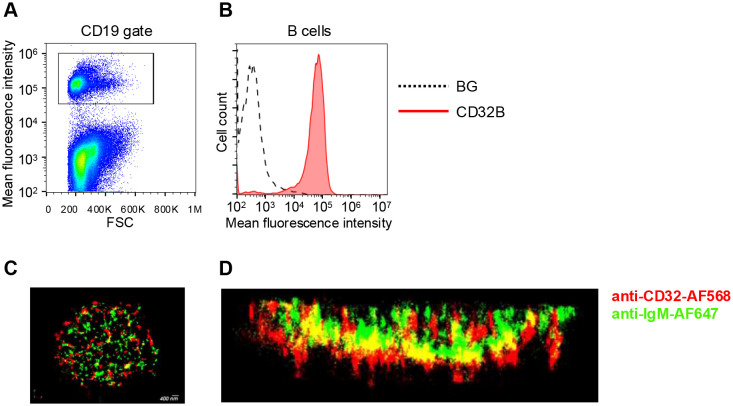 Figure 1
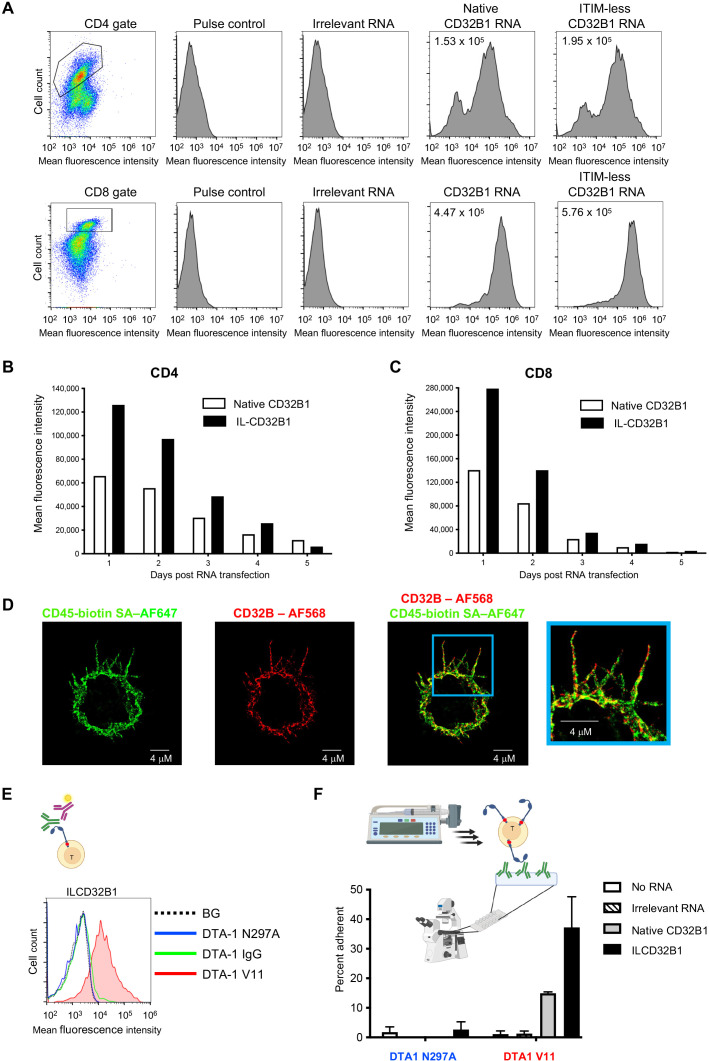 Figure 2
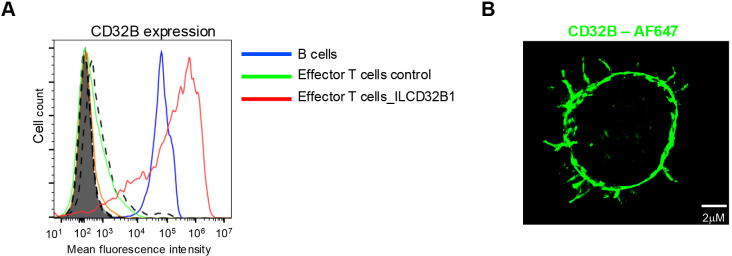 Figure 3
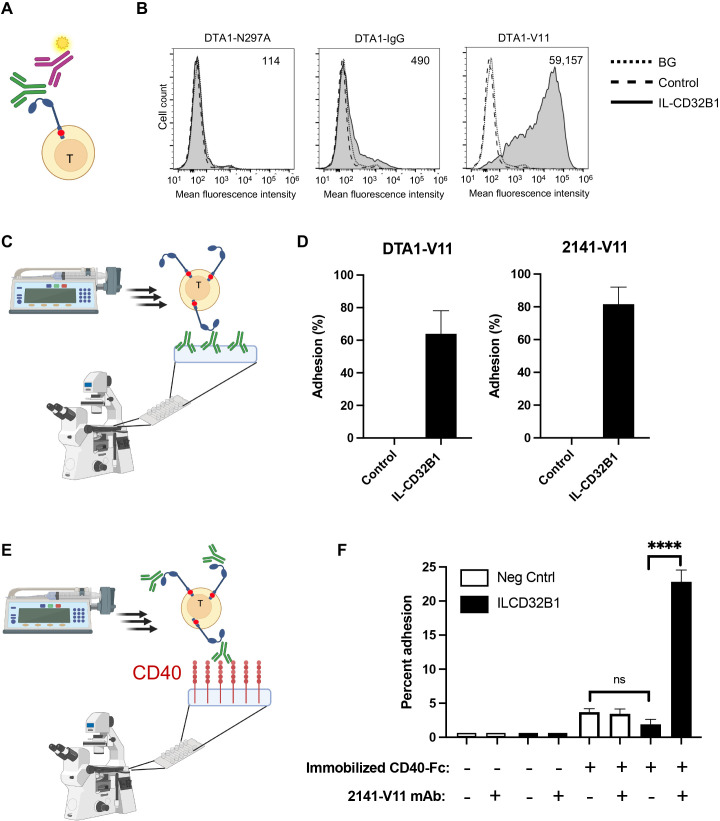 Figure 4
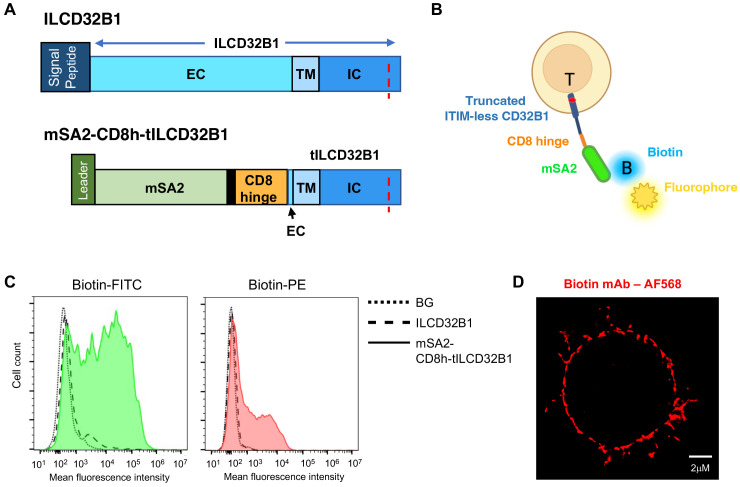 Figure 5
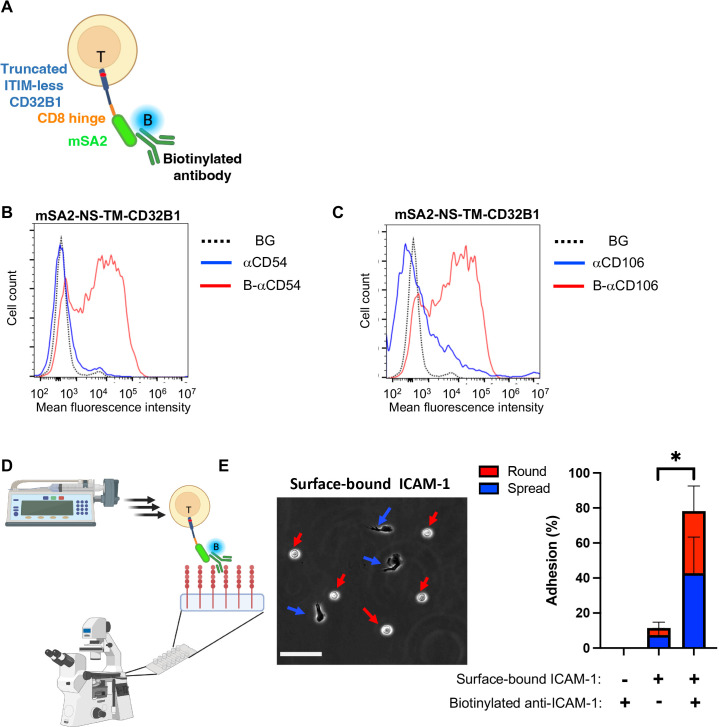 Figure 6
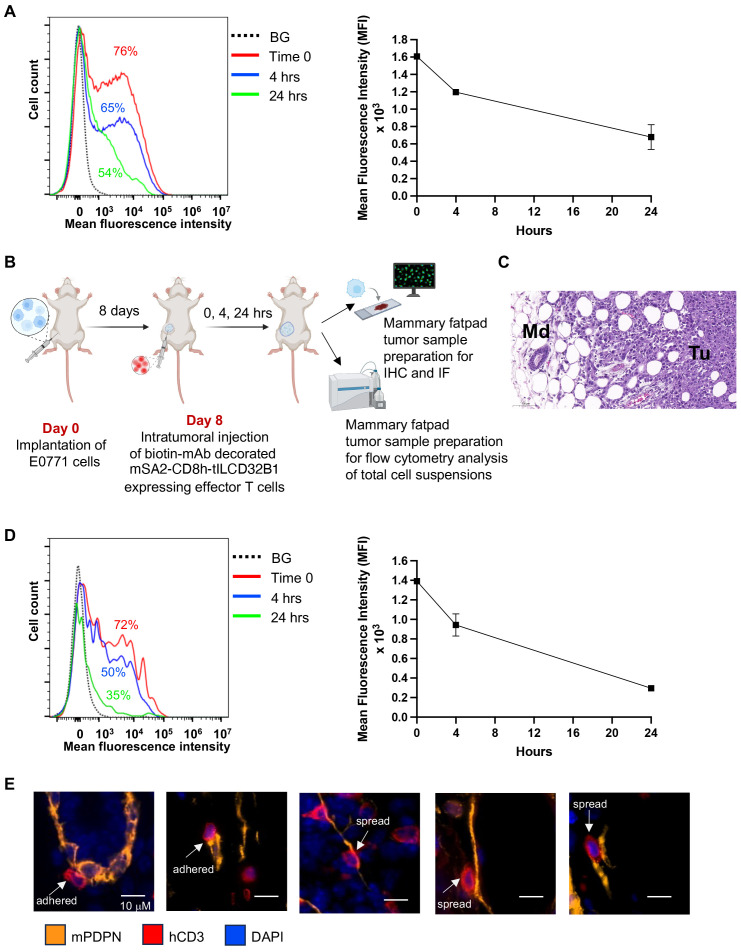 Figure 7
Peer Reviews
No public reviews on file for this paper yet. If you reviewed it on a platform where reviews are public (OpenReview, ICLR, NeurIPS, ICML), you can paste yours below so the community can read it here.
Videos
No videos yet. Explain this paper in a talk, walkthrough, or lecture? Add one.
Taxonomy
TopicsMonoclonal and Polyclonal Antibodies Research · CAR-T cell therapy research · Nanofabrication and Lithography Techniques