Pre‐ and Post‐Copulatory Sexual Traits Influence Male Fitness Across a Mosaic Hybrid Zone
Logan M. Maxwell, Jennifer Walsh, Brian J. Olsen, Adrienne I. Kovach

TL;DR
This study shows how pre- and post-copulatory traits affect male reproductive success in hybridizing sparrow species, influencing gene flow and hybridization patterns.
Contribution
The study identifies context-dependent drivers of male fitness and sexual selection in a hybrid zone, revealing how these factors influence asymmetric introgression.
Findings
Saltmarsh sparrows had higher reproductive output and greater variance in reproductive success compared to Nelson's and hybrid males.
Body size was the best predictor of reproductive success, indicating pre-copulatory sexual selection.
Post-copulatory traits like cloacal protuberance volume and sperm length correlated with the number of offspring sired, showing sperm competition.
Abstract
Primary and secondary male sexual traits can influence the interspecific interactions of hybridizing populations, yielding fitness consequences and either promoting or restricting gene flow. In this study, we evaluated the relative male fitness of two species of hybridizing tidal marsh endemics: saltmarsh ( Ammospiza caudacutus ) and Nelson's sparrows ( A. nelsoni ) and assessed the effects of male condition and competitive ability on resulting patterns of paternity and gene flow. We compared reproductive success (number of offspring sired) among saltmarsh, Nelson's, and hybrid sparrow males (n = 125) and modeled male fitness in relation to measured pre‐copulatory (body size, fat scores, and muscle scores) and post‐copulatory (cloacal protuberance (CP) volume and sperm length) male sexual traits across two sites within the center of the hybrid zone. We found saltmarsh sparrows had…
Genes, proteins, chemicals, diseases, species, mutations and cell lines named across the full text — each resolved to its canonical identifier and authoritative record.
Click any figure to enlarge with its caption.
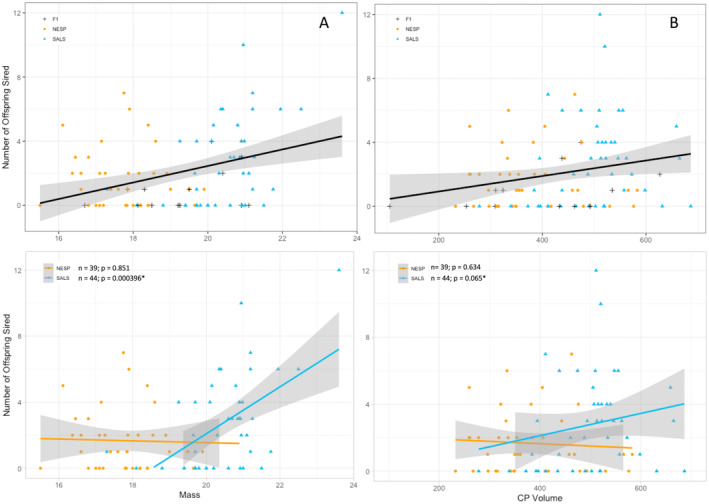 Figure 1
 Figure 2
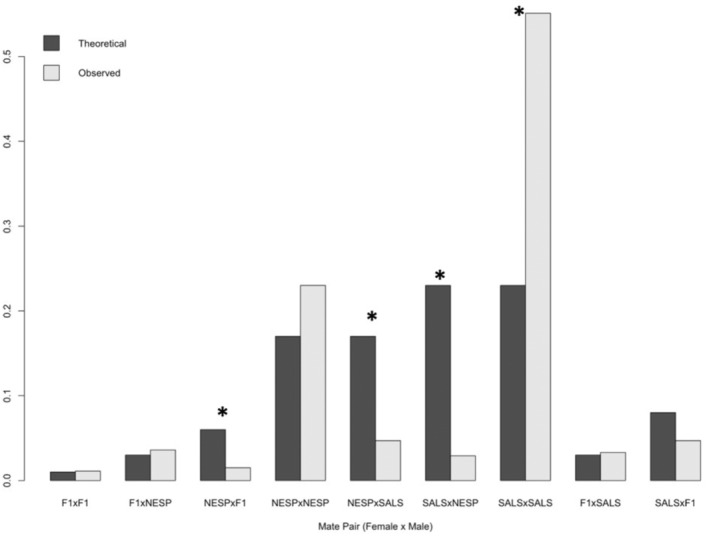 Figure 3
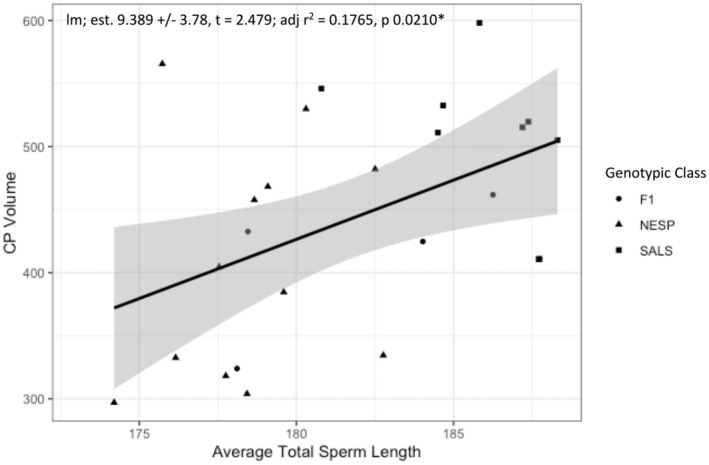 Figure 4
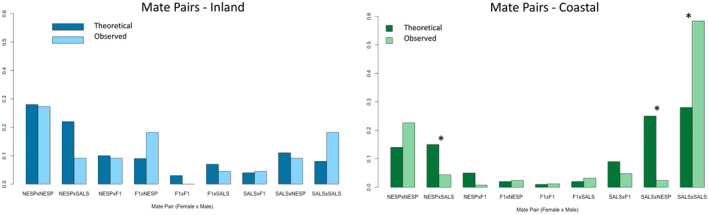 Figure 5
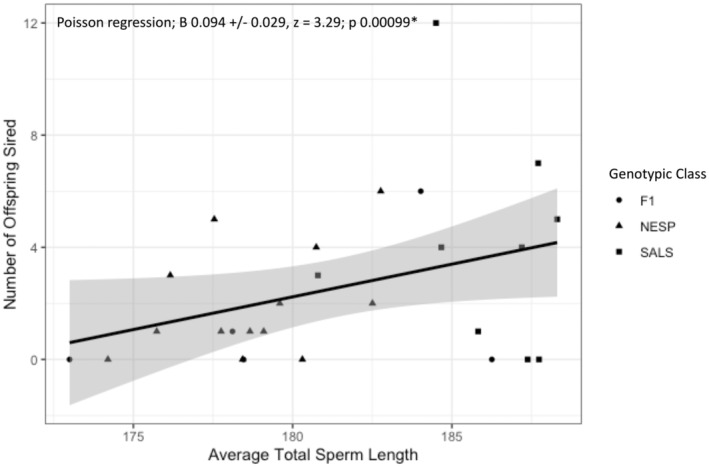 Figure 6
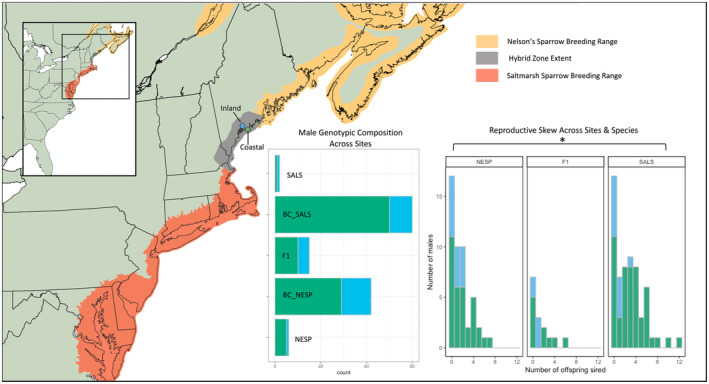 Figure 7
Peer Reviews
No public reviews on file for this paper yet. If you reviewed it on a platform where reviews are public (OpenReview, ICLR, NeurIPS, ICML), you can paste yours below so the community can read it here.
Videos
No videos yet. Explain this paper in a talk, walkthrough, or lecture? Add one.
Taxonomy
TopicsAnimal Behavior and Reproduction · Genetic diversity and population structure · Avian ecology and behavior