Hemodynamic disturbance and mTORC1 activation: Unveiling the biomechanical pathogenesis of thoracic aortic aneurysms in Marfan syndrome
Ming-Yuan Liu, Meili Wang, Junjun Liu, An-Qiang Sun, Chang-Shun He, Xin Cong, Wei Kong, Wei Li

TL;DR
This study reveals how disturbed blood flow and mTORC1 activation contribute to aortic aneurysms in Marfan syndrome, offering new treatment strategies.
Contribution
The study identifies mTORC1 activation by oscillatory wall shear stress as a novel biomechanical driver of thoracic aortic aneurysms in Marfan syndrome.
Findings
Disturbed flow-induced OSS activates mTORC1 in smooth muscle cells, promoting TAA progression.
Rapamycin treatment reduces mTORC1 activity, attenuating TAA in an MFS mouse model.
mTORC1 activation is directly linked to the intensity of OSS in TAA development.
Abstract
Thoracic aortic aneurysm (TAA) significantly endangers the lives of individuals with Marfan syndrome (MFS), yet the intricacies of their biomechanical origins remain elusive. Our investigation delves into the pivotal role of hemodynamic disturbance in the pathogenesis of TAA, with a particular emphasis on the mechanistic contributions of the mammalian target of rapamycin (mTOR) signaling cascade. We uncovered that activation of the mTOR complex 1 (mTORC1) within smooth muscle cells, instigated by the oscillatory wall shear stress (OSS) that stems from disturbed flow (DF), is a catalyst for TAA progression. This revelation was corroborated through both an MFS mouse model (Fbn1+/C1039G) and clinical MFS specimens. Crucially, our research demonstrates a direct linkage between the activation of the mTORC1 pathway and the intensity in OSS. Therapeutic administration of rapamycin suppresses…
Genes, proteins, chemicals, diseases, species, mutations and cell lines named across the full text — each resolved to its canonical identifier and authoritative record.
Click any figure to enlarge with its caption.
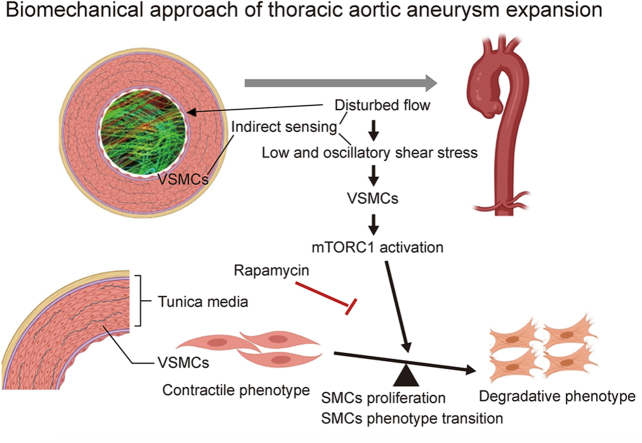 Figure 1
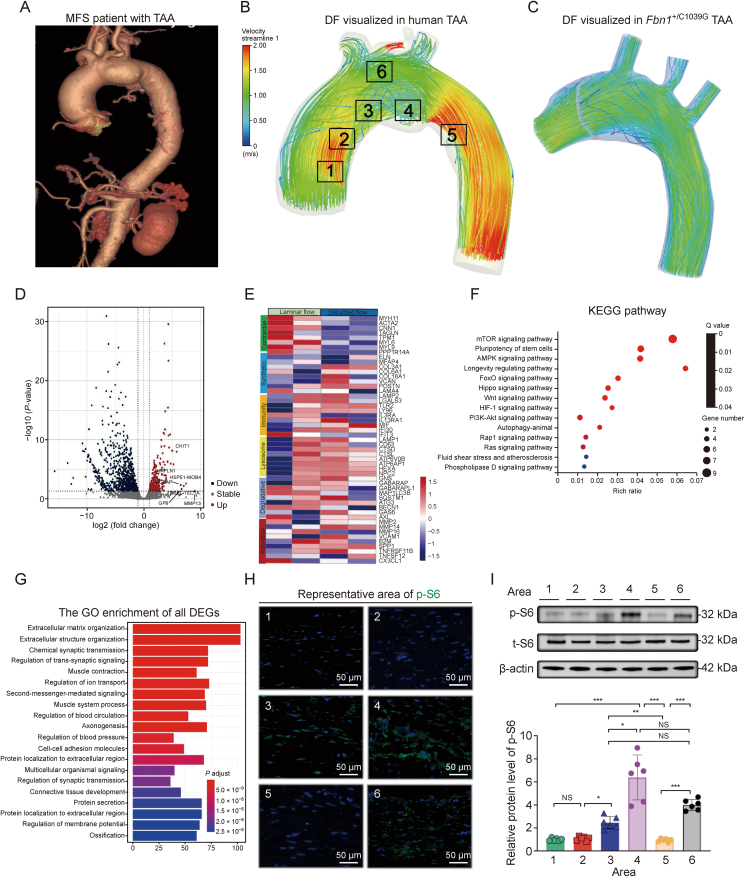 Figure 2
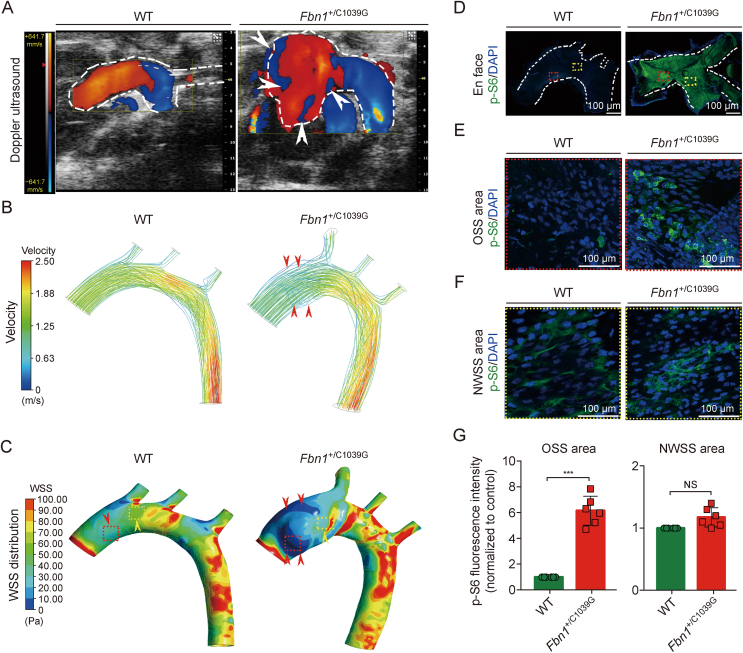 Figure 3
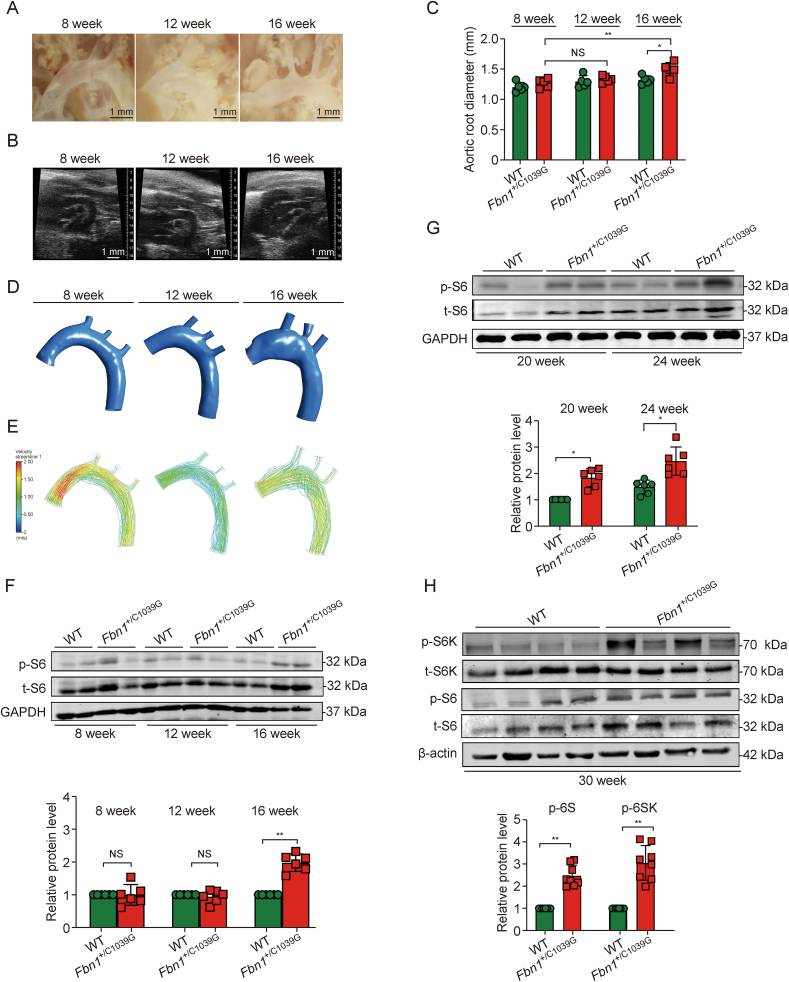 Figure 4
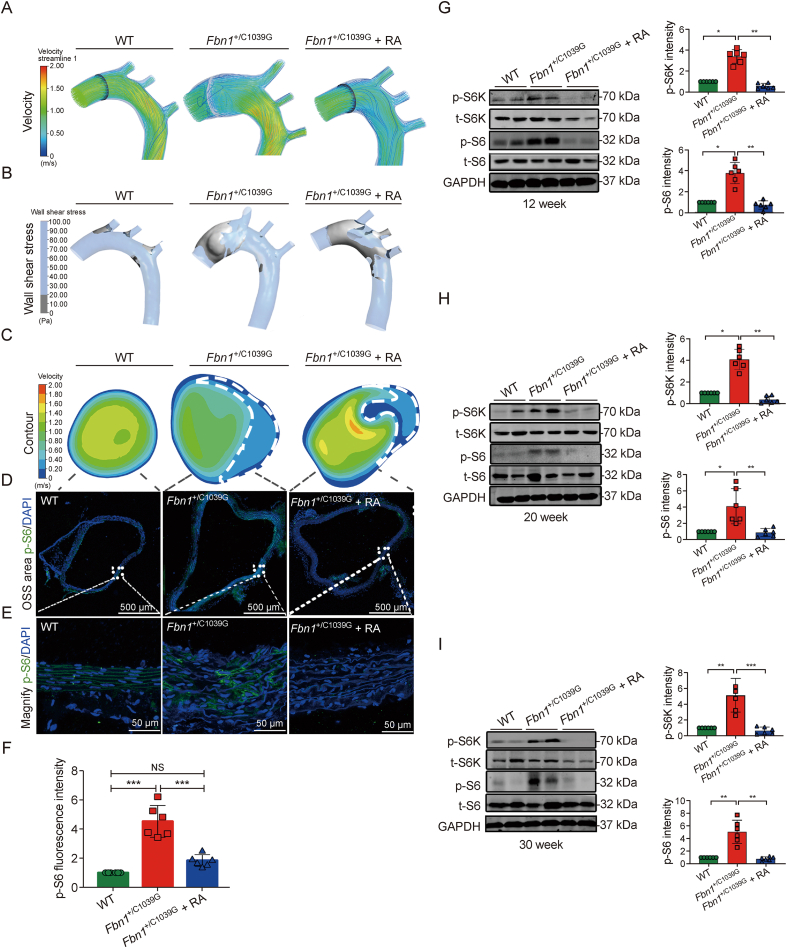 Figure 5
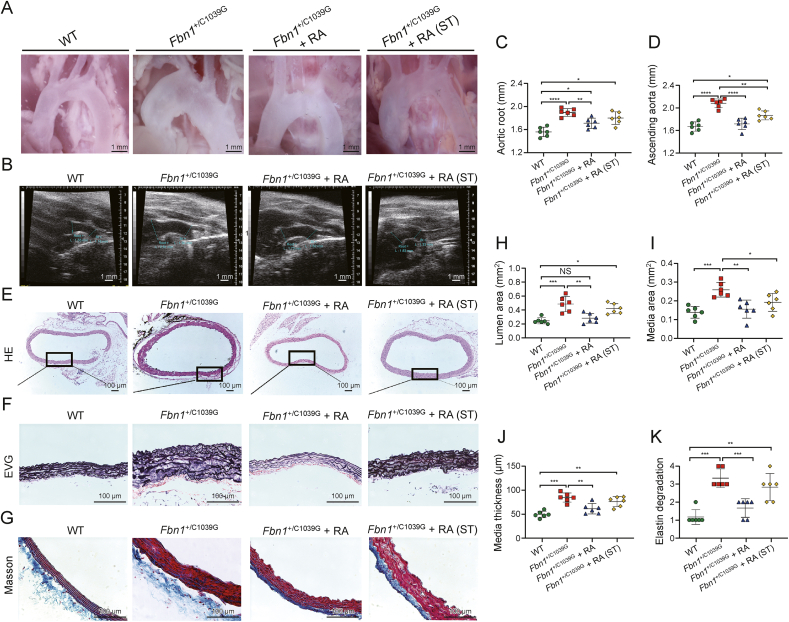 Figure 6
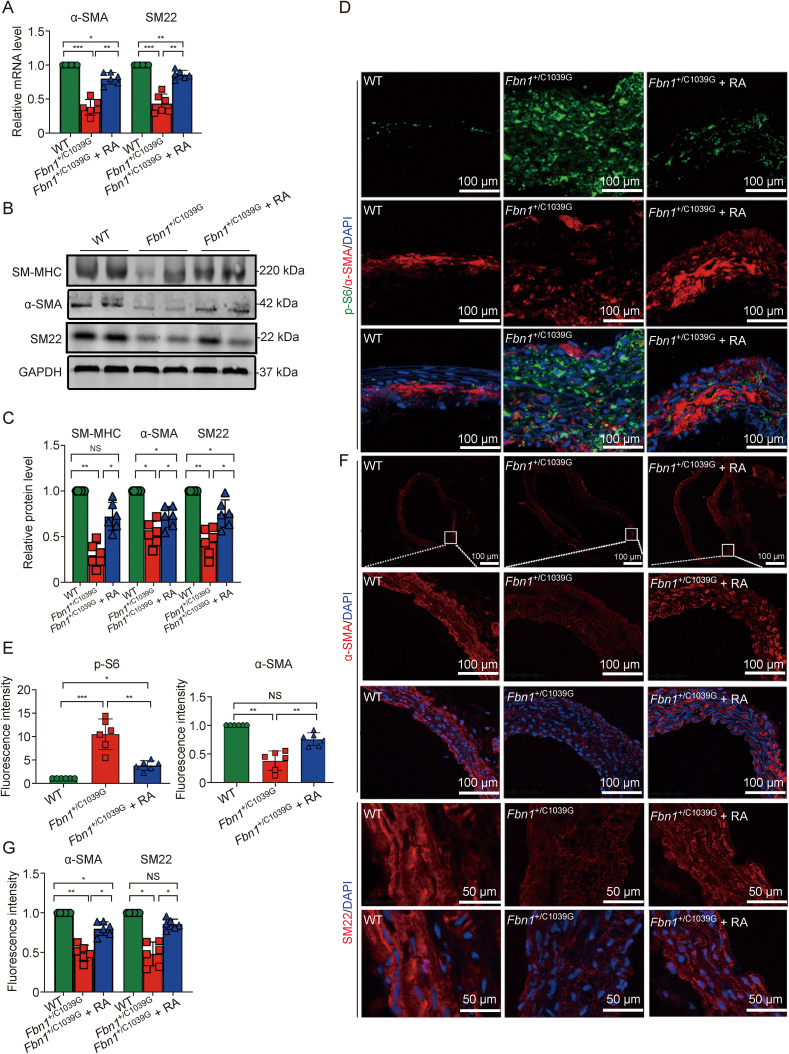 Figure 7
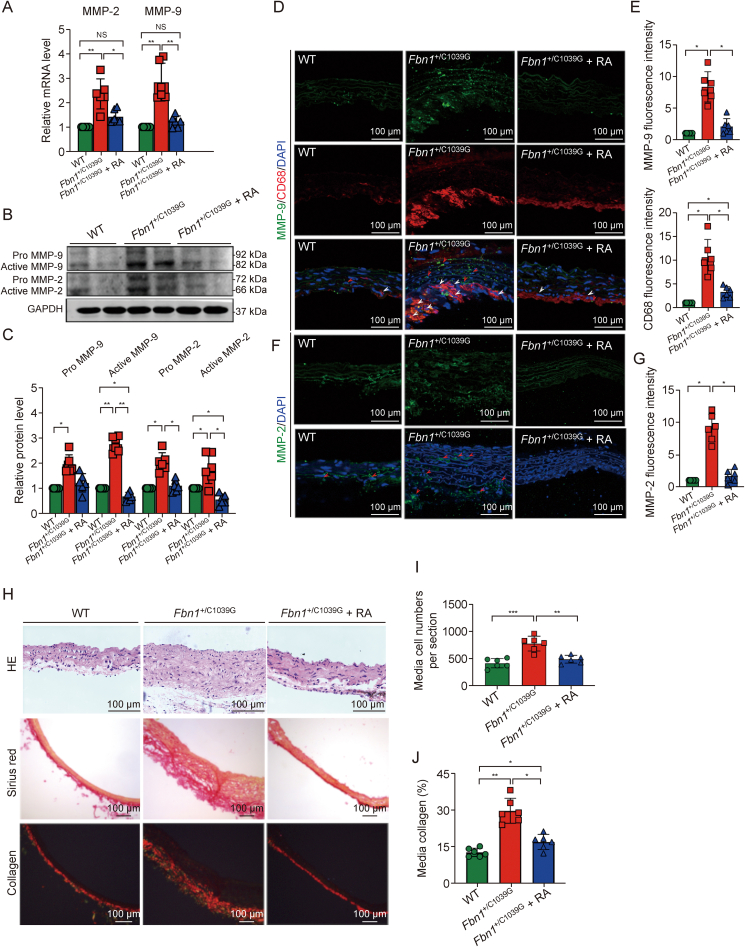 Figure 8
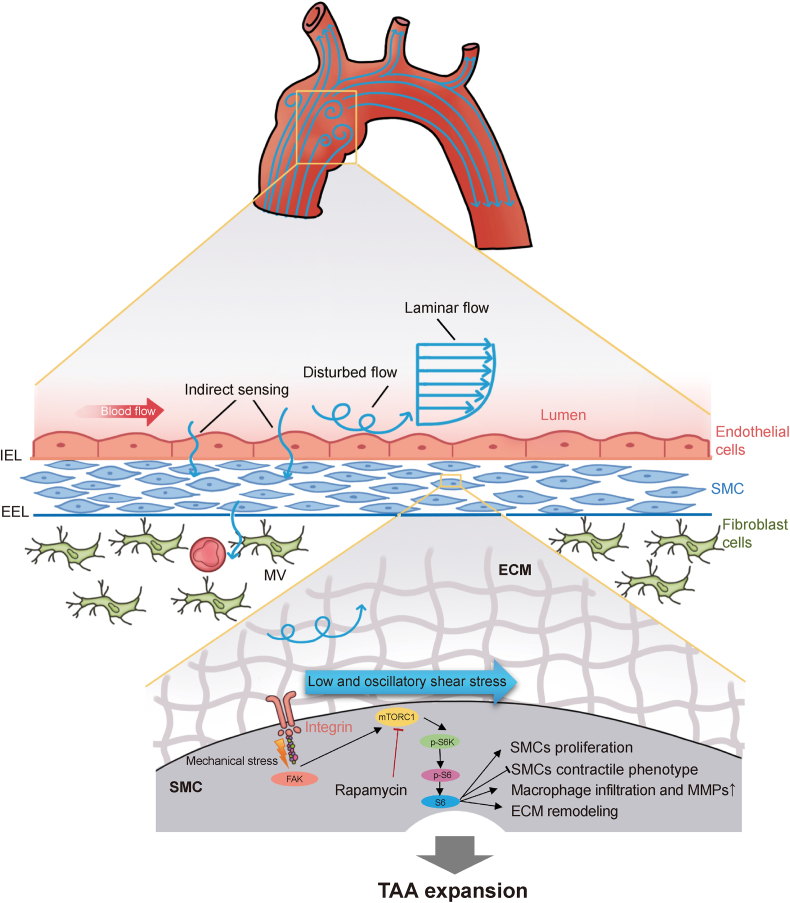 Figure 9
Peer Reviews
No public reviews on file for this paper yet. If you reviewed it on a platform where reviews are public (OpenReview, ICLR, NeurIPS, ICML), you can paste yours below so the community can read it here.
Videos
No videos yet. Explain this paper in a talk, walkthrough, or lecture? Add one.
Taxonomy
TopicsAortic Disease and Treatment Approaches · Connective tissue disorders research · Cardiac Valve Diseases and Treatments