Common molecular profile of multiple structurally distinct warfare arsenicals in causing cutaneous chemical vesicant injury
Ritesh Kumar Srivastava, Suhail Muzaffar, Jasim Khan, Mohit Bansal, Anupam Agarwal, Mohammad Athar

TL;DR
This study identifies common molecular pathways triggered by different arsenical chemicals that cause skin damage, similar to those caused by lewisite.
Contribution
The study reveals a shared molecular profile among structurally distinct arsenicals in causing skin injury, including immune cell infiltration and disrupted cell junctions.
Findings
DPCA and DPCYA caused significant skin erythema, edema, and immune cell infiltration, while DECA did not.
RT-PCR confirmed increased inflammation, ROS, and UPR signaling in DPCA/DPCYA-exposed skin.
Disrupted tight and adherens junction proteins were linked to apoptotic cell death in epidermal keratinocytes.
Abstract
Skin exposure to arsenicals such as lewisite and phenylarsine oxide leads to severe cutaneous damage. Here, we characterized the molecular pathogenesis of skin injury caused by additionally structurally distinct warfare arsenicals including diphenylchlorarsine (DPCA), diphenylcyanoarsine (DPCYA), diethylchloroarsine (DECA). Cutaneous exposure to DPCA/DPCYA showed marked increase in skin erythema and edema at 6 and 24 h followed by scar formation at 72 h, while DECA did not produce such visual injuries in mouse skin. Clinical observations showed significant increase in Draize score and skin bi-fold thickness in a time-dependent manner. DPCA or DPCYA-exposed skin histology revealed highly inflamed hypodermal areas with infiltrated immune cells at 6 and 24 h, however, epidermal cell necrosis was seen at 72 h. Significantly high number of macrophage infiltration observed at 6 h, whereas…
Genes, proteins, chemicals, diseases, species, mutations and cell lines named across the full text — each resolved to its canonical identifier and authoritative record.
Click any figure to enlarge with its caption.
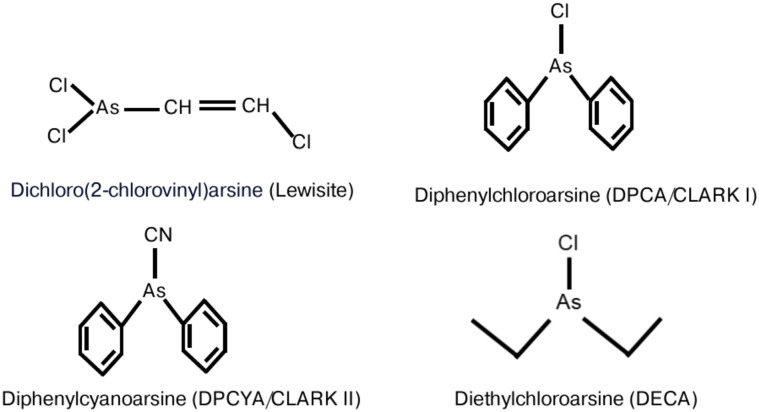 Figure 1
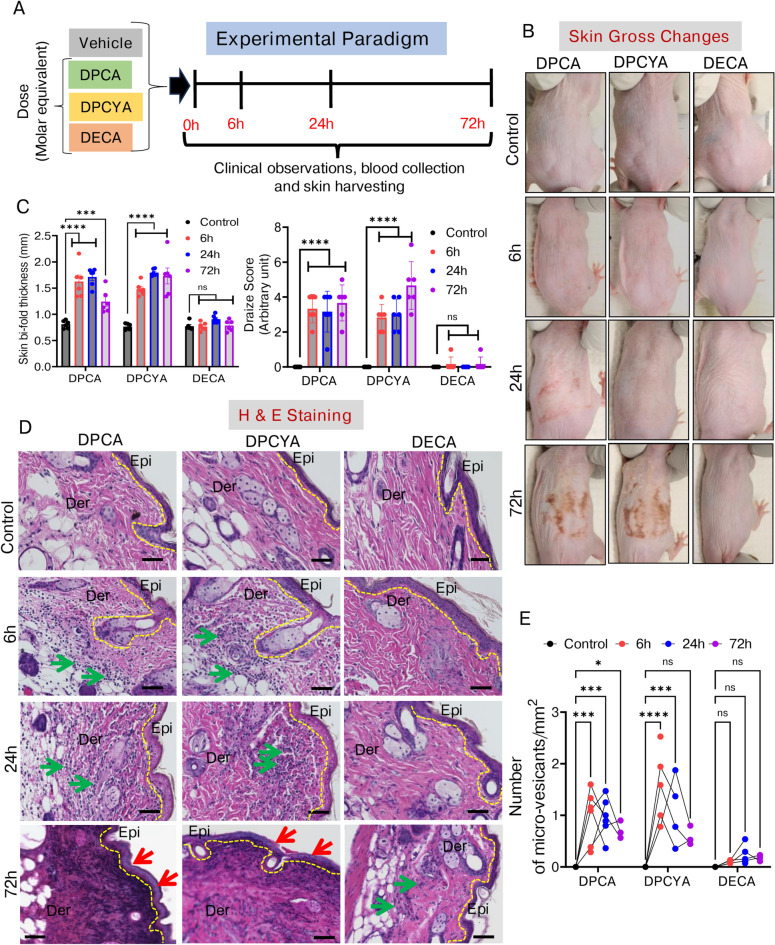 Figure 2
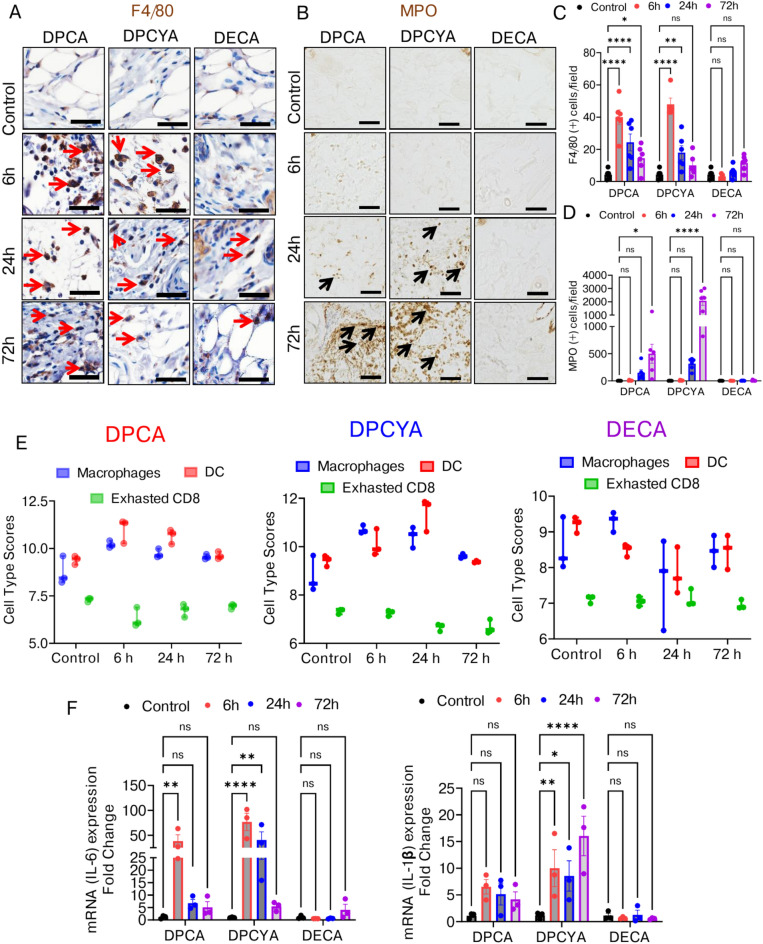 Figure 3
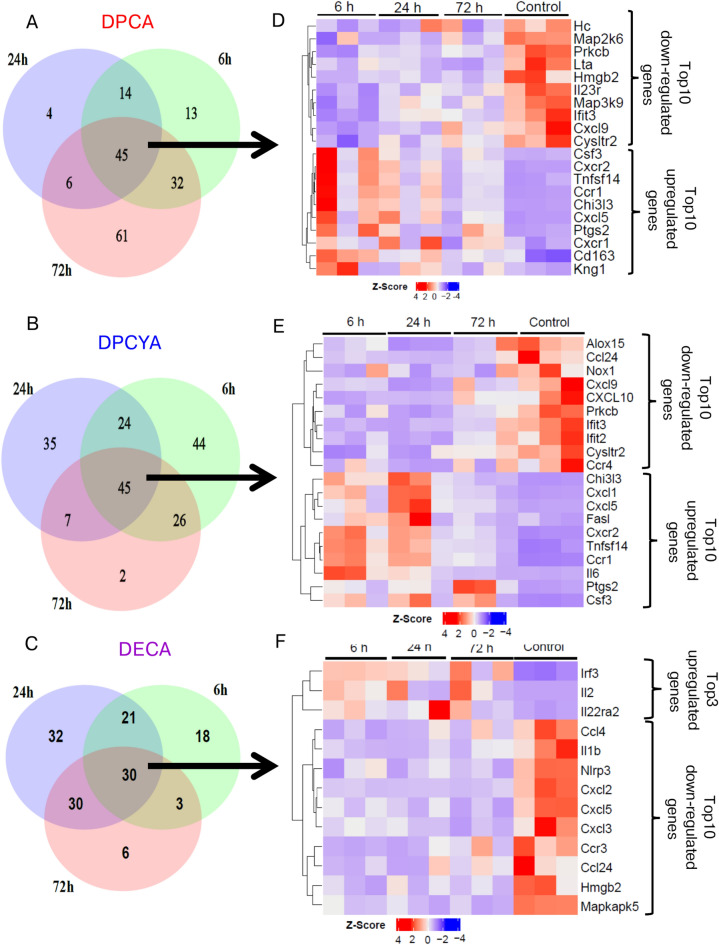 Figure 4
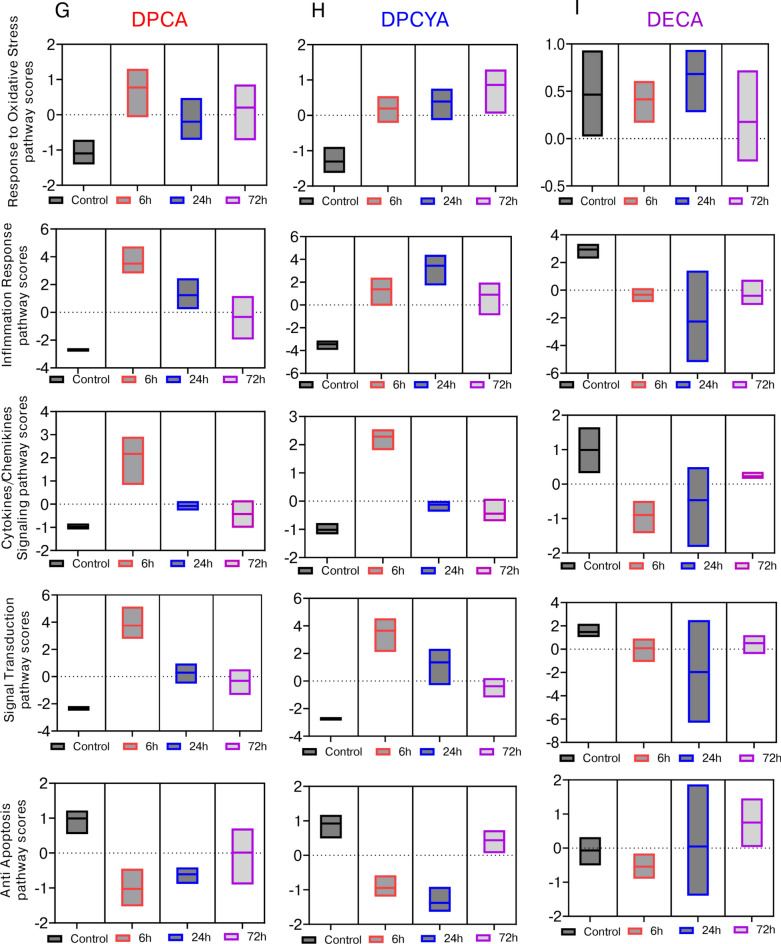 Figure 4
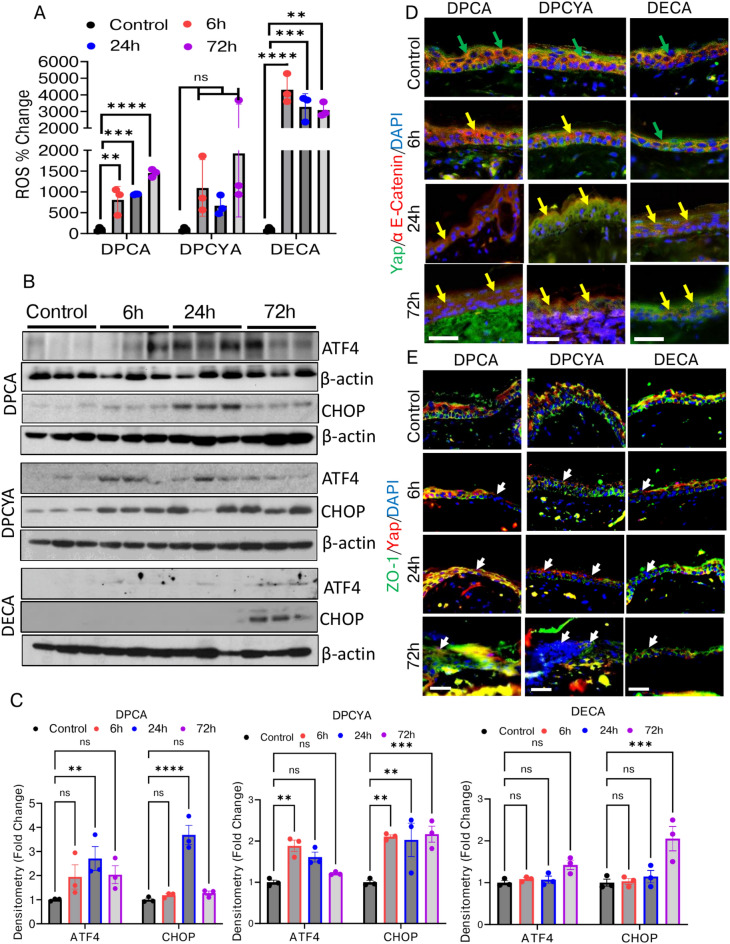 Figure 5
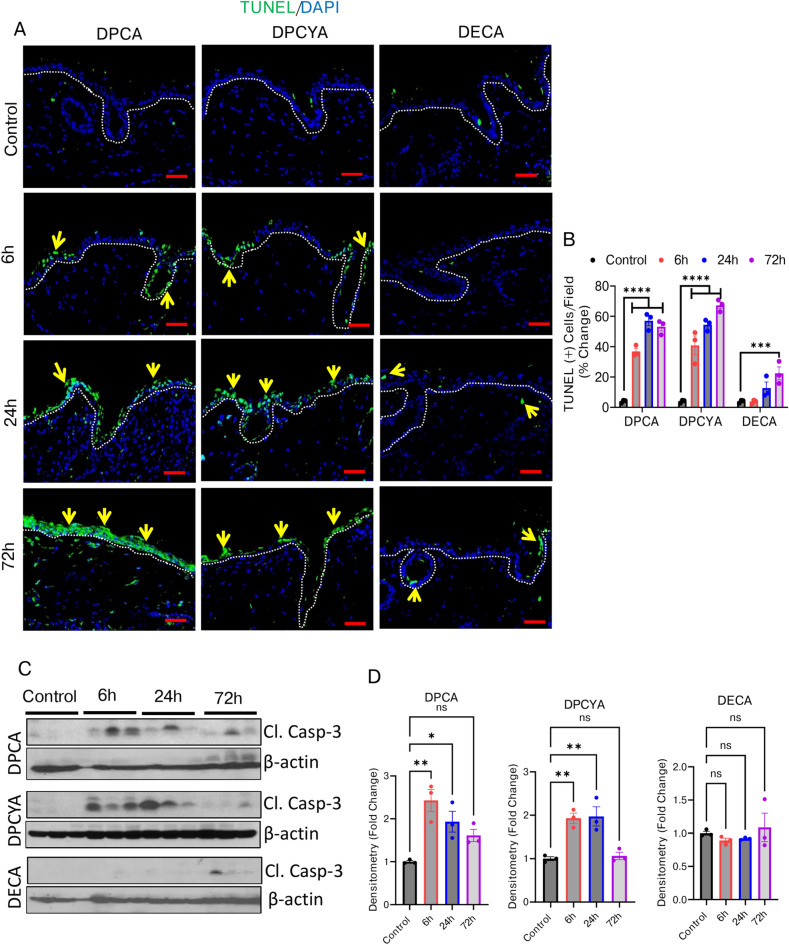 Figure 6
Peer Reviews
No public reviews on file for this paper yet. If you reviewed it on a platform where reviews are public (OpenReview, ICLR, NeurIPS, ICML), you can paste yours below so the community can read it here.
Videos
No videos yet. Explain this paper in a talk, walkthrough, or lecture? Add one.
Taxonomy
TopicsPesticide Exposure and Toxicity · Retinoids in leukemia and cellular processes · Contact Dermatitis and Allergies