Effects of transcranial direct current stimulation combined with motor relearning program on strength and balance in stroke patients
Muhammad Hamad Haleem, Mirza Obaid Baig, Turki Abualait, Woo-Kyoung Yoo, Sumaiyah Obaid, Shahid Bashir

TL;DR
This study examines whether combining transcranial direct current stimulation with a motor relearning program improves strength and balance in stroke patients.
Contribution
The study evaluates the combined effect of tDCS and motor relearning in subacute stroke patients, finding no additional benefit from tDCS.
Findings
No significant short-term or long-term effects of tDCS on muscle strength or balance were observed.
Both experimental and control groups showed time-related improvements during the intervention period.
The results suggest that tDCS does not provide additional benefits beyond the motor relearning program alone.
Abstract
A stroke is characterized by neurological deficits that result in compromised muscle strength and balance, impacting the overall wellbeing of the patient, including decreased quality of life, socialization and participation in daily activities. The aim of the study is to determine the effects of transcranial direct current stimulation combined with a motor relearning program on strength and balance in sub-acute stroke patients. The randomized controlled trial involved 44 subacute stroke patients, randomly assigned to either the experimental group (n = 22) or control group (n = 22). The intervention included anodal transcranial direct current stimulation (tDCS) for the experimental group and sham stimulation with a motor relearning program for the control groups. Assessments were conducted using manual muscle testing for muscle strength and the Berg Balance Scale for balance at…
Genes, proteins, chemicals, diseases, species, mutations and cell lines named across the full text — each resolved to its canonical identifier and authoritative record.
Click any figure to enlarge with its caption.
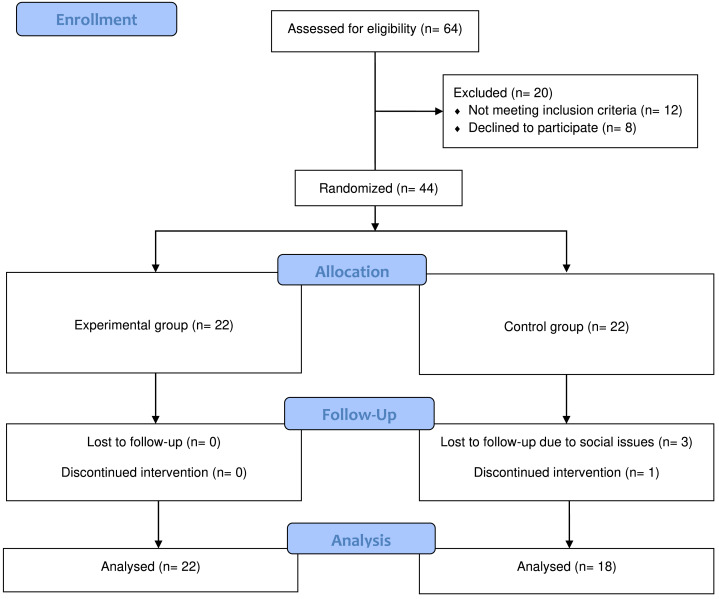 Figure 1
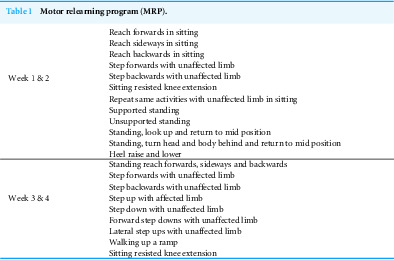 Figure 2
 Figure 3
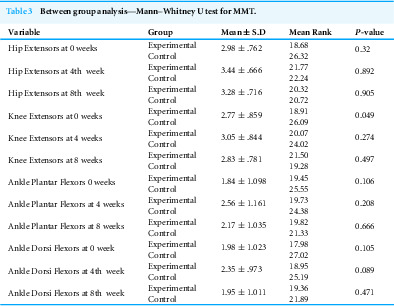 Figure 4
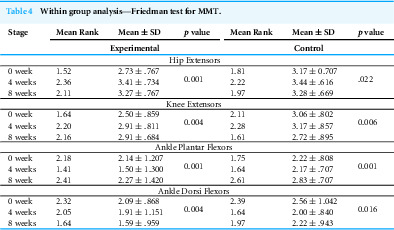 Figure 5
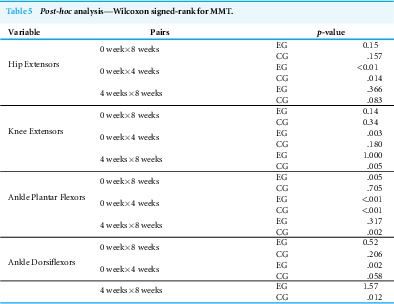 Figure 6
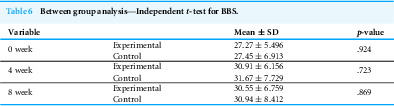 Figure 7
 Figure 8
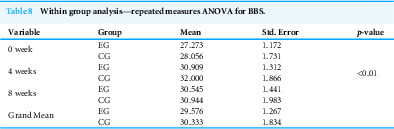 Figure 9
 Figure 10
 Figure 11
Peer Reviews
No public reviews on file for this paper yet. If you reviewed it on a platform where reviews are public (OpenReview, ICLR, NeurIPS, ICML), you can paste yours below so the community can read it here.
Videos
No videos yet. Explain this paper in a talk, walkthrough, or lecture? Add one.
Taxonomy
TopicsTranscranial Magnetic Stimulation Studies · Stroke Rehabilitation and Recovery · Vestibular and auditory disorders