Gene-activation of surface-modified 3D printed calcium phosphate scaffolds
Noah Z. Laird, Pornpoj Phruttiwanichakun, Esraa Mohamed, Timothy M. Acri, Leela R. Jaidev, Aliasger K. Salem

TL;DR
This study explores using 3D printed calcium phosphate scaffolds loaded with gene-delivery materials to promote bone healing, showing potential as an alternative to traditional methods.
Contribution
The study introduces gene-activated 3D printed scaffolds as a novel approach for bone regeneration, comparing them to protein-loaded scaffolds.
Findings
Incubating scaffolds in aqueous solutions after hardening improved mechanical strength and osteogenic differentiation.
Increasing the surface area of scaffolds exposed to polyplex solutions reduced transfection efficiency due to polyplex adsorption.
Gene-activated scaffolds show promise for bone regeneration but require improved gene expression levels.
Abstract
Large volume bone defects that do not spontaneously heal despite surgical stabilization (“critical-sized” defects) remain a challenge to treat clinically. Recent research investigating bone regenerative implants made from 3D printed materials have shown promise as a potential alternative to current treatment methods, such as autografting, allografting, and multi-step surgical interventions. Recent work has shown that implanting 3D printed calcium phosphate cement (CPC) scaffolds loaded with bone morphogenetic protein-2 (BMP-2) can provide a one-step surgical intervention that has similar bone healing outcomes to a popular two-step intervention: the Masquelet technique. The aim of this study was to investigate whether a 3D printed CPC scaffold loaded with a lyophilized polyplex gene-delivery formulation could serve as an alternative to loading BMP-2 protein onto such scaffolds. We 3D…
Genes, proteins, chemicals, diseases, species, mutations and cell lines named across the full text — each resolved to its canonical identifier and authoritative record.
Click any figure to enlarge with its caption.
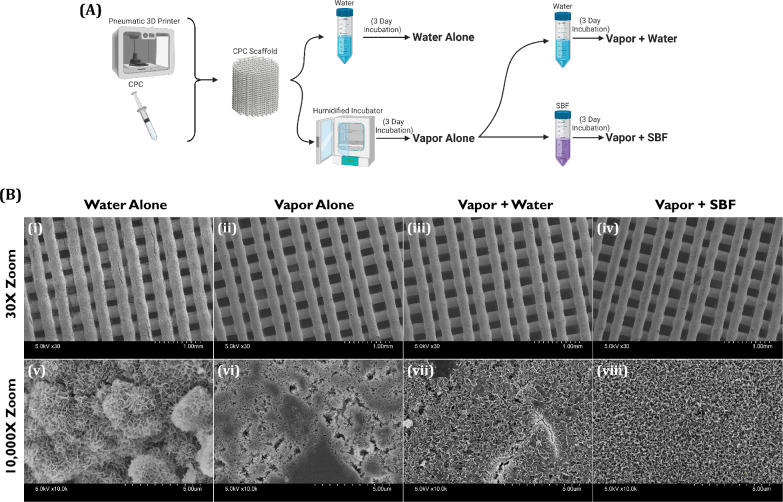 Figure 1
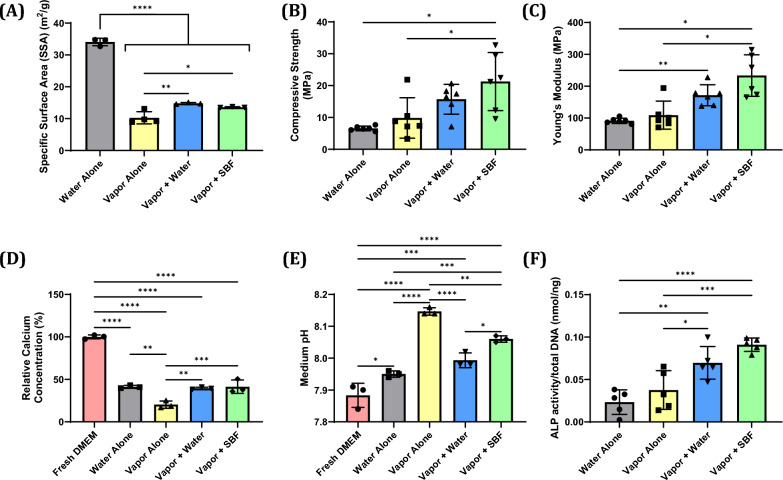 Figure 2
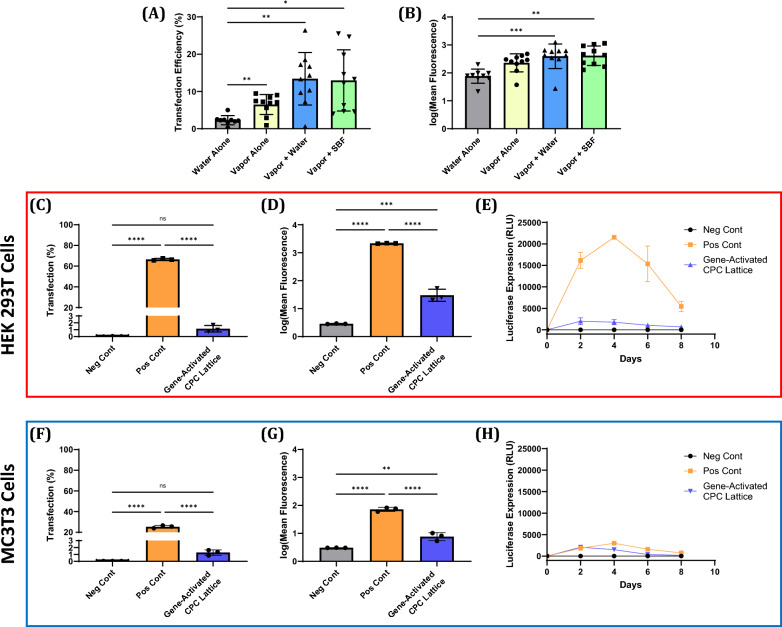 Figure 3
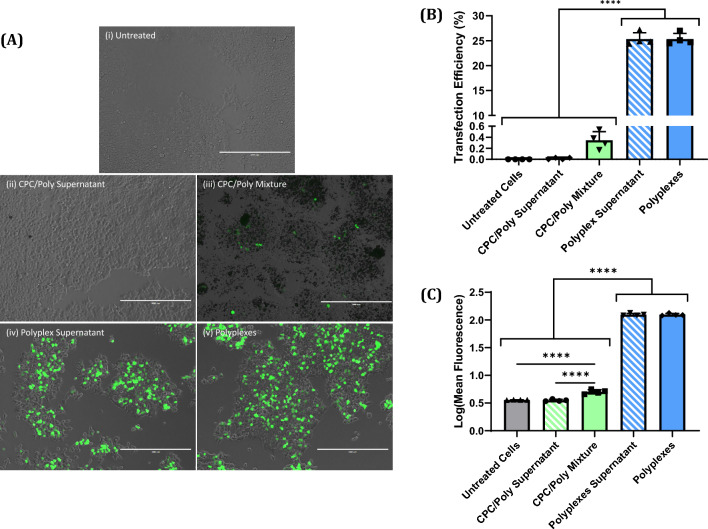 Figure 4
Peer Reviews
No public reviews on file for this paper yet. If you reviewed it on a platform where reviews are public (OpenReview, ICLR, NeurIPS, ICML), you can paste yours below so the community can read it here.
Videos
No videos yet. Explain this paper in a talk, walkthrough, or lecture? Add one.
Taxonomy
TopicsBone Tissue Engineering Materials · 3D Printing in Biomedical Research · Additive Manufacturing and 3D Printing Technologies