Identifying Different Immunoresistance Risk Profiles Among Experienced Aesthetic Botulinum Neurotoxin A Recipients: A Latent Class Analysis
Fang‐Wen Tseng, Vasanop Vachiramon, Michael H. Gold, Tatjana Pavicic, Clifton M. Tay, Gerard W. Toh, Diana M. K. Tan, Je‐Young Park

TL;DR
This study identifies three risk profiles for immunoresistance to botulinum toxin A among frequent users, highlighting the role of individual behaviors in influencing risk.
Contribution
The paper introduces a novel application of latent class analysis to identify distinct immunoresistance risk profiles in aesthetic BoNT-A recipients.
Findings
Three distinct immunoresistance risk profiles were identified: lower-risk (55%), moderate-risk (39%), and higher-risk (6%).
Higher-risk individuals reported greater BoNT-A exposure and more symptoms of declining efficacy.
Behavioral factors, such as treatment-seeking and knowledge, influence immunoresistance risk.
Abstract
Immunoresistance to botulinum neurotoxin A (BoNT‐A) due to neutralizing antibodies (NAbs) can lead to partial or complete secondary nonresponse (SNR), potentially limiting individuals' aesthetic and/or medical therapeutic options in the short and/or long term. Understanding factors directly or indirectly influencing BoNT‐A immunoresistance risk is crucial. This analysis explored patterns of latent risk factors (biological and behavioral) that may influence the risk of developing BoNT‐A immunoresistance among experienced aesthetic BoNT‐A recipients. Latent class analysis (LCA) was applied to survey data from 363 experienced BoNT‐A recipients from six Asia‐Pacific countries to identify distinct subgroups based on their patterns of risk factor or risk proxy variables. The five risk proxy variables used for modeling capture information on BoNT‐A treatments (treatment indications/locations…
Genes, proteins, chemicals, diseases, species, mutations and cell lines named across the full text — each resolved to its canonical identifier and authoritative record.
Click any figure to enlarge with its caption.
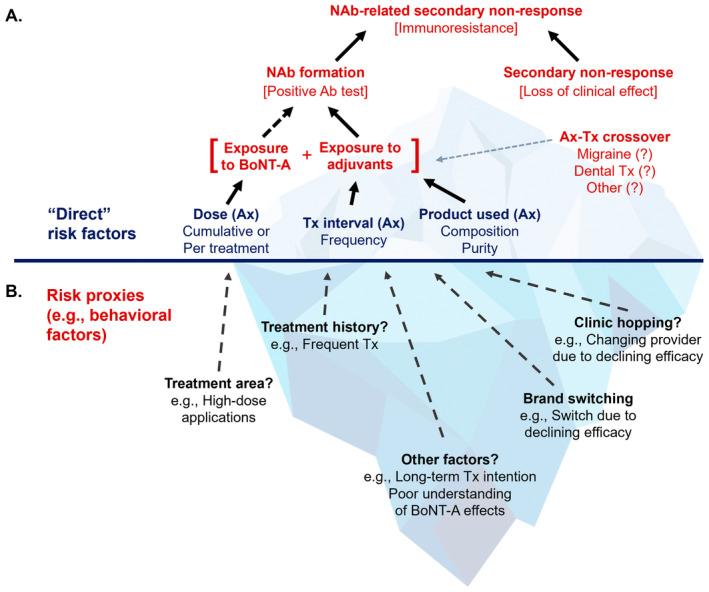 Figure 1
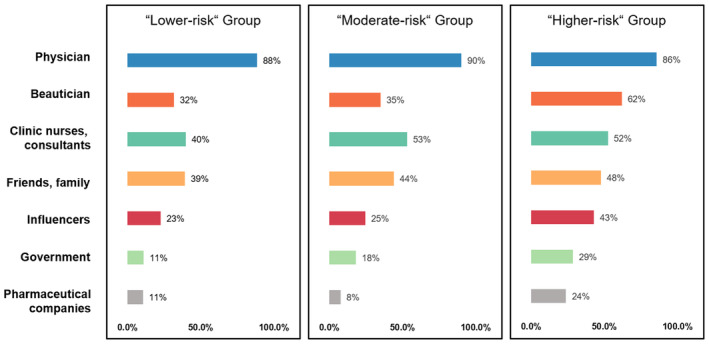 Figure 2
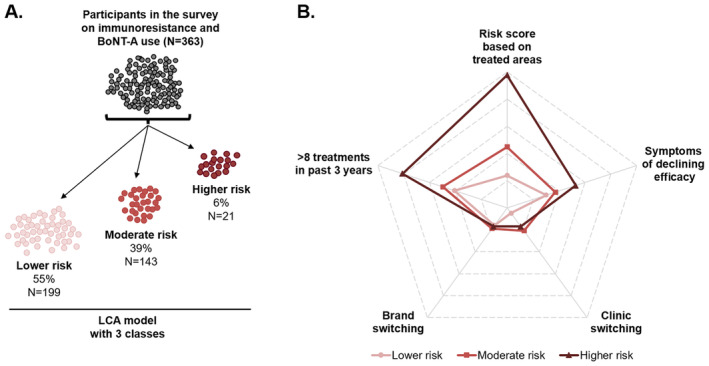 Figure 3
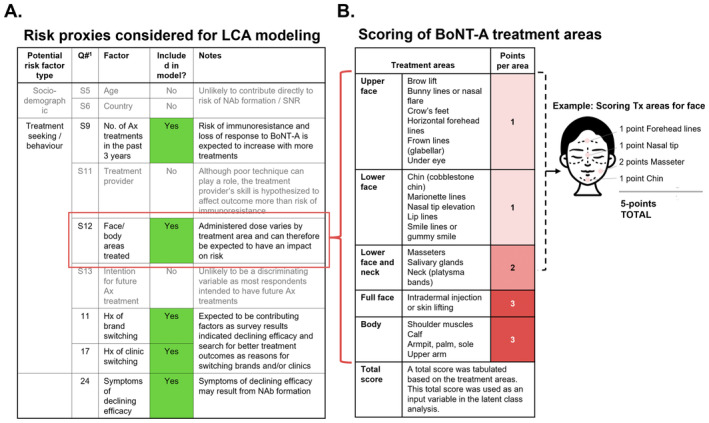 Figure 4
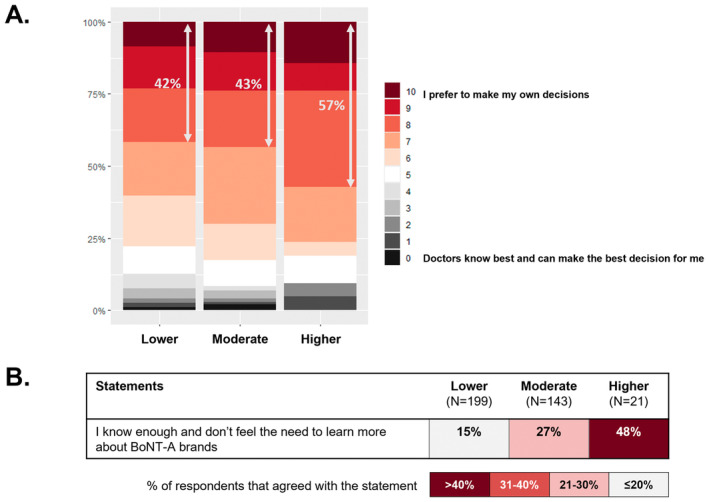 Figure 5
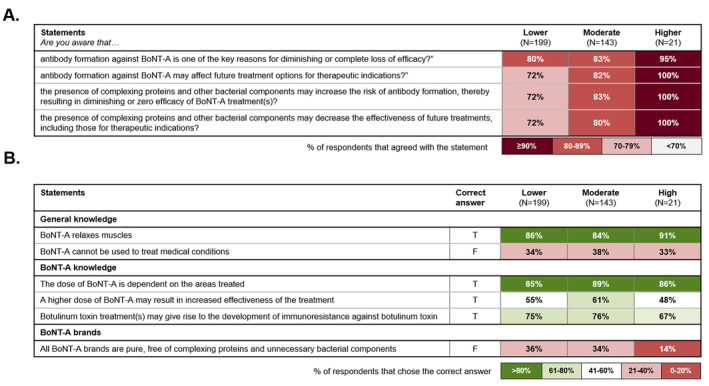 Figure 6
Peer Reviews
No public reviews on file for this paper yet. If you reviewed it on a platform where reviews are public (OpenReview, ICLR, NeurIPS, ICML), you can paste yours below so the community can read it here.
Videos
No videos yet. Explain this paper in a talk, walkthrough, or lecture? Add one.
Taxonomy
TopicsBotulinum Toxin and Related Neurological Disorders · Body Image and Dysmorphia Studies · Facial Rejuvenation and Surgery Techniques