Right Ventricular Systolic Dysfunction Predicts Recovery of Left Ventricular Systolic Function and Reduced Quality of Life in Patients With Arrhythmia‐Induced Cardiomyopathy
Thomas Körtl, Franziska Mühleck, Paul Baum, Markus Resch, Christine Meindl, Ekrem Üçer, Lars S. Maier, Rolf Wachter, Samuel Sossalla, Christian Schach

TL;DR
This study shows that right ventricular dysfunction, measured by TAPSE, predicts recovery of left ventricular function and lower quality of life in patients with arrhythmia-induced cardiomyopathy.
Contribution
The study identifies TAPSE as a novel predictor for arrhythmia-induced cardiomyopathy and its impact on quality of life.
Findings
Right ventricular systolic dysfunction, measured by TAPSE, is a predictive indicator for arrhythmia-induced cardiomyopathy.
Quality of life is reduced in patients with arrhythmia-induced cardiomyopathy and improves after rhythm restoration.
Low TAPSE correlates with worse quality of life in patients with arrhythmia-induced cardiomyopathy.
Abstract
Arrhythmia‐induced cardiomyopathy (AIC) is an underrecognized condition resulting in left ventricular systolic dysfunction (LVSD) that is primarily caused by atrial fibrillation (AFib). The relationship between AIC, right ventricular (RV) function, and quality of life (QoL) has not been well studied. We performed a post‐hoc analysis of our AIC trial in which we prospectively screened for patients with tachyarrhythmia and newly diagnosed, otherwise unexplained LVSD. Following rhythm restoration, patients were followed up at 2, 4, and 6 months. Only patients with persistent sinus rhythm were analyzed. RV function was assessed via echocardiography (tricuspid annular plane systolic excursion [TASPE] and fractional area change [FAC]) and QoL by the Minnesota Living with Heart Failure Questionnaire. Of a total of 50 patients recovering from LVSD, 41 were diagnosed with AIC and 9 with…
Genes, proteins, chemicals, diseases, species, mutations and cell lines named across the full text — each resolved to its canonical identifier and authoritative record.
Click any figure to enlarge with its caption.
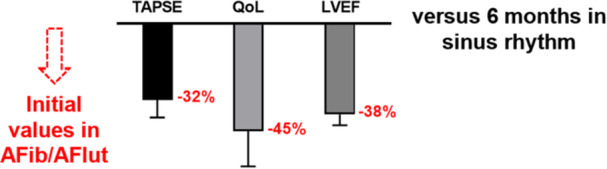 Figure 1
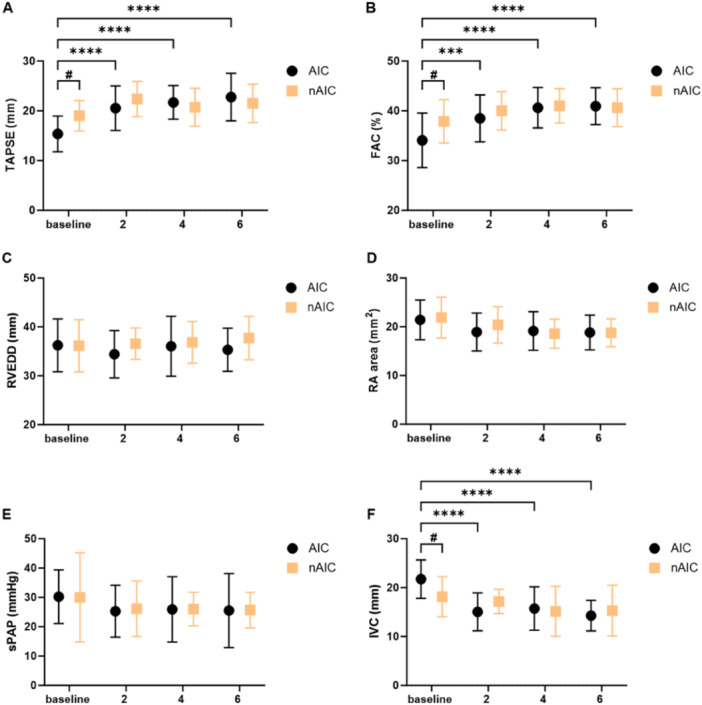 Figure 2
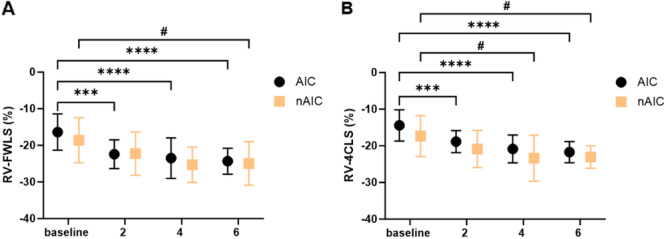 Figure 3
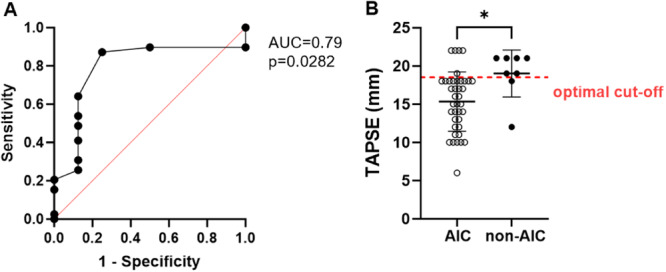 Figure 4
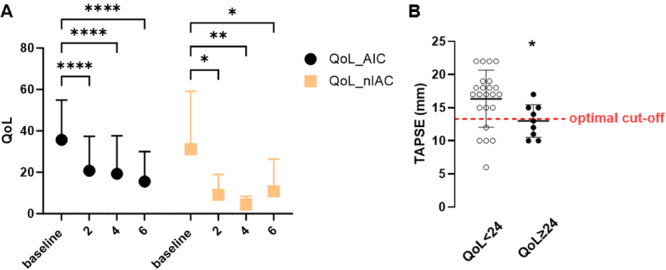 Figure 5
Peer Reviews
No public reviews on file for this paper yet. If you reviewed it on a platform where reviews are public (OpenReview, ICLR, NeurIPS, ICML), you can paste yours below so the community can read it here.
Videos
No videos yet. Explain this paper in a talk, walkthrough, or lecture? Add one.
Taxonomy
TopicsCardiovascular Function and Risk Factors · Cardiac Arrhythmias and Treatments · Cardiac Imaging and Diagnostics