A comparative in silico analysis of the vlhA gene regions of Mycoplasma gallisepticum and Mycoplasma synoviae isolates from commercial hen farms in Mexico
Linda M. Maya-Rodríguez, Gabriela Gómez-Verduzco, Francisco J. Trigo-Tavera, Leticia Moreno-Fierros, Verónica Rojas-Trejo, Rosa Elena Miranda-Morales

TL;DR
This study analyzes the vlhA gene in Mycoplasma strains from Mexican hen farms to identify conserved regions that could help in developing treatments.
Contribution
The study identifies conserved regions in the vlhA gene of Mycoplasma gallisepticum and Mycoplasma synoviae field strains from Mexico.
Findings
Two amplification regions (MSPB and MSPA) were identified in the vlhA gene sequences.
Field samples showed similarities with sequences in GenBank and lipoproteins in Acholeplasma laidlawii PG8 and Escherichia coli.
Conserved vlhA sequences may serve as therapeutic targets and phylogenetic markers.
Abstract
Avian mycoplasmosis, caused by Mycoplasma synoviae and Mycoplasma gallisepticum, poses significant economic challenges due to respiratory issues, reduced egg production and soft eggshells. The variable lipoprotein haemagglutinin (VlhA) protein, crucial for pathogenicity, comprises conserved (MSPB) and variable (MSPA) regions. The aim of this study was to identify the conserved region of vlhA gene sequences in field strain. We examined vlhA sequences from field strains collected in central Mexico (Jalisco and Mexico City). Specifically, we analysed 124 deformed eggs and 10 laying hens from 9 farms with Hy-line and Bovans breeds. Using PCR targeting the mgc2 and 16S rRNA genes, we characterized 24 field strains, 4 of which were Myc. synoviae and 20 of which were Myc. gallisepticum. We analysed the vlhA regions, based on the AF035624.1 reference sequence, with American Type Culture…
Genes, proteins, chemicals, diseases, species, mutations and cell lines named across the full text — each resolved to its canonical identifier and authoritative record.
Click any figure to enlarge with its caption.
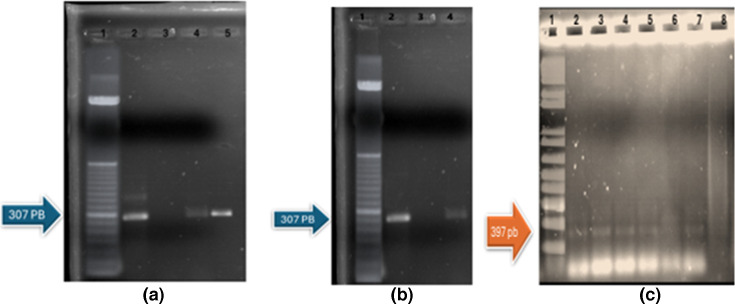 Figure 1
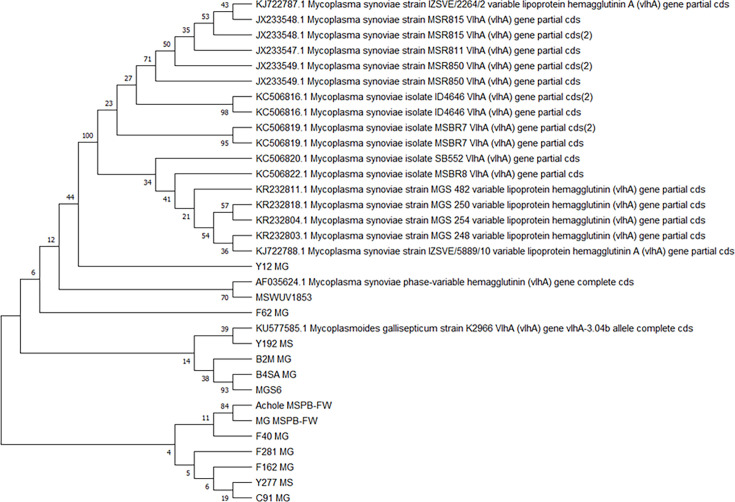 Figure 2
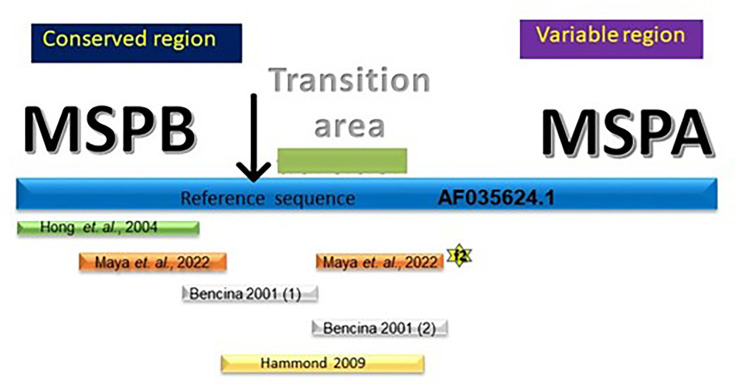 Figure 3
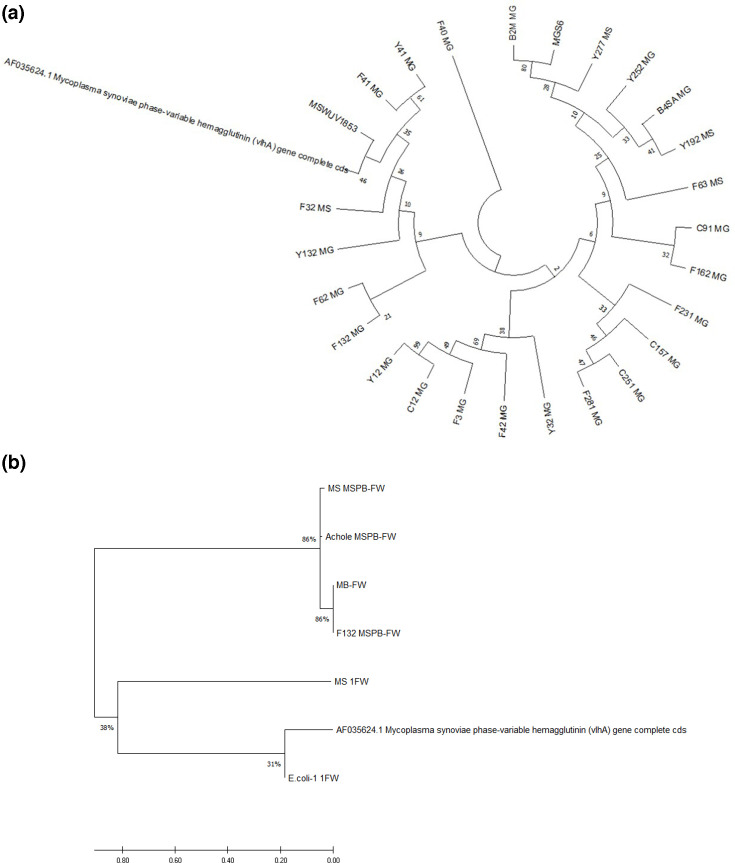 Figure 4
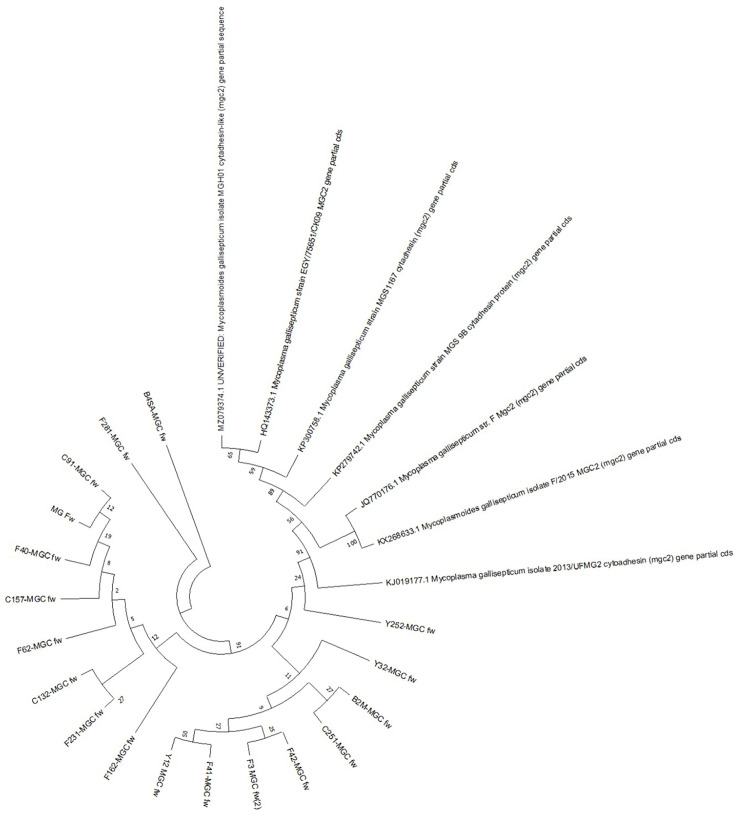 Figure 5
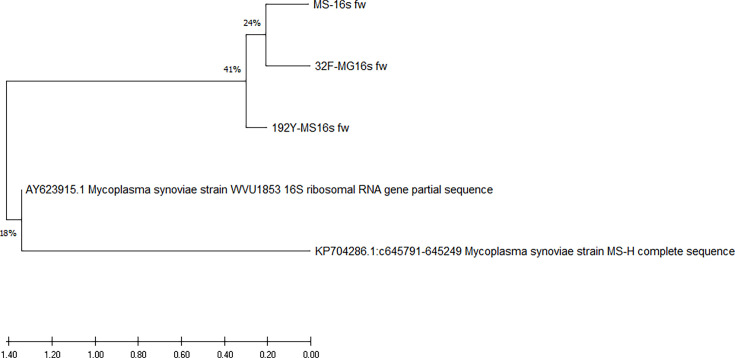 Figure 6
Peer Reviews
No public reviews on file for this paper yet. If you reviewed it on a platform where reviews are public (OpenReview, ICLR, NeurIPS, ICML), you can paste yours below so the community can read it here.
Videos
No videos yet. Explain this paper in a talk, walkthrough, or lecture? Add one.
Taxonomy
TopicsMicrobial infections and disease research · Aquaculture disease management and microbiota · Animal Virus Infections Studies