Dependence of NPPS creates a targetable vulnerability in RAS-mutant cancers
Rui-xue Xia, Pei-chen Zou, Jun-ting Xie, Ya-bin Tang, Miao-miao Gong, Fu Fan, Ayinazhaer Aihemaiti, Yu-qing Liu, Ying Shen, Bin-bing S. Zhou, Liang Zhu, Hui-min Lei

TL;DR
This study identifies NPPS as a key vulnerability in RAS-mutant cancers, offering a new therapeutic target for these hard-to-treat tumors.
Contribution
The study reveals NPPS as a novel, targetable dependency across multiple RAS mutations, expanding treatment options for RAS-driven cancers.
Findings
RAS-mutant cancer cells show increased NPPS expression and dependence for survival.
NPPS inhibition disrupts glycolysis in RAS-mutant cells via interaction with HK1.
Pharmacological or genetic suppression of NPPS reduces RAS-mutant cancer growth in vitro and in vivo.
Abstract
RAS is the most frequently mutated oncoprotein for cancer driving. Understanding of RAS biology and discovery of druggable lynchpins in RAS pathway is a prerequisite for targeted therapy of RAS-mutant cancers. The recent identification of KRASG12C inhibitor breaks the “undruggable” curse on RAS and has changed the therapy paradigm of KRAS-mutant cancers. However, KRAS mutations, let alone KRASG12C mutation, account for only part of RAS-mutated cancers. Targeted therapies for cancers harboring other RAS mutations remain the urgent need. In this study we explored the pivotal regulatory molecules that allow for broad inhibition of RAS mutants. By comparing the expression levels of nucleotide pyrophosphatase (NPPS) in a panel of cell lines and the functional consequence of increased NPPS expression in RAS-mutant cells, we demonstrated that cancer cells with various kinds of RAS mutations…
Genes, proteins, chemicals, diseases, species, mutations and cell lines named across the full text — each resolved to its canonical identifier and authoritative record.
Click any figure to enlarge with its caption.
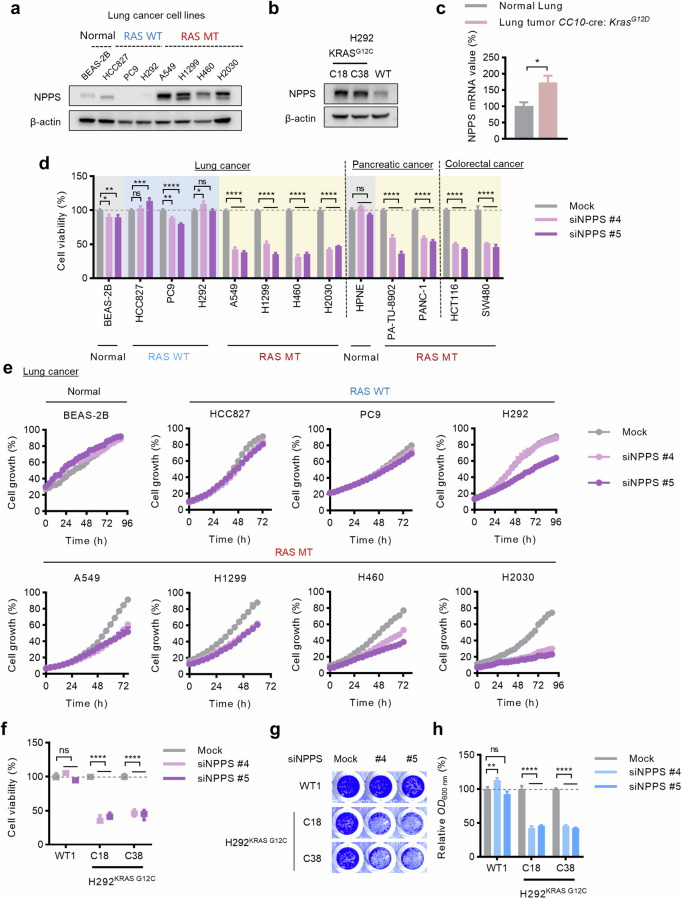 Figure 1
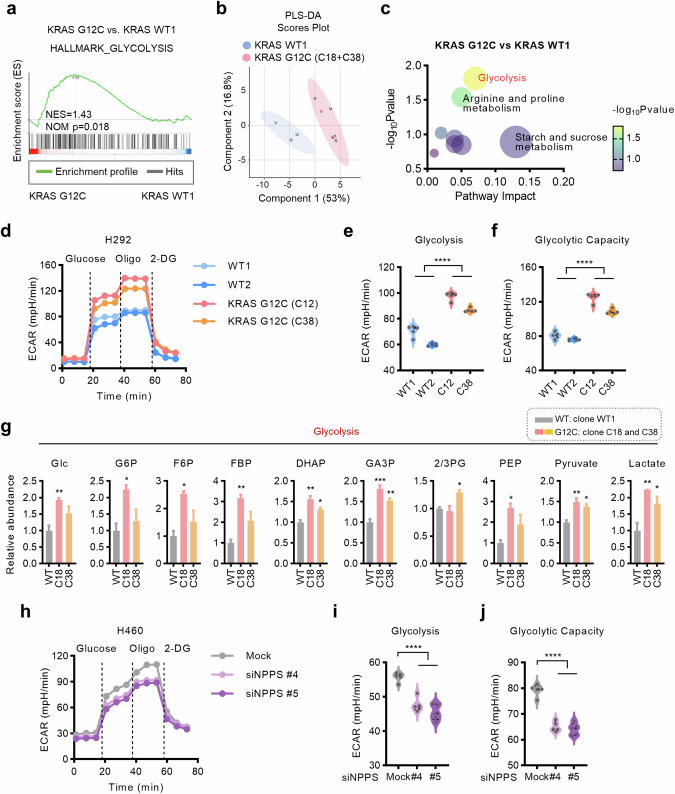 Figure 2
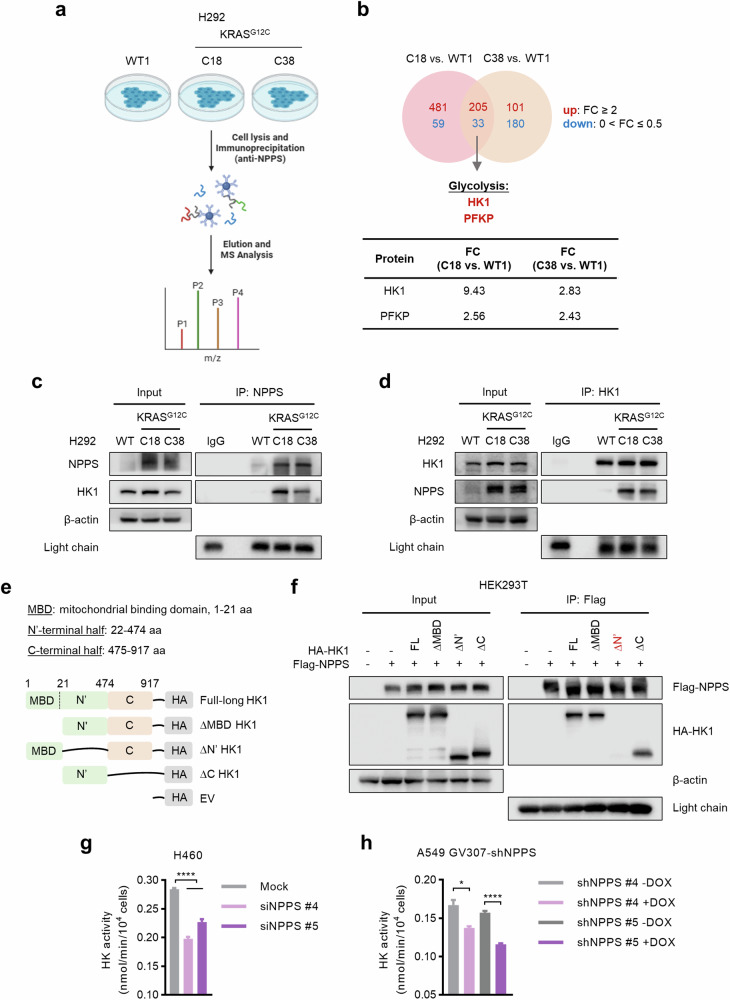 Figure 3
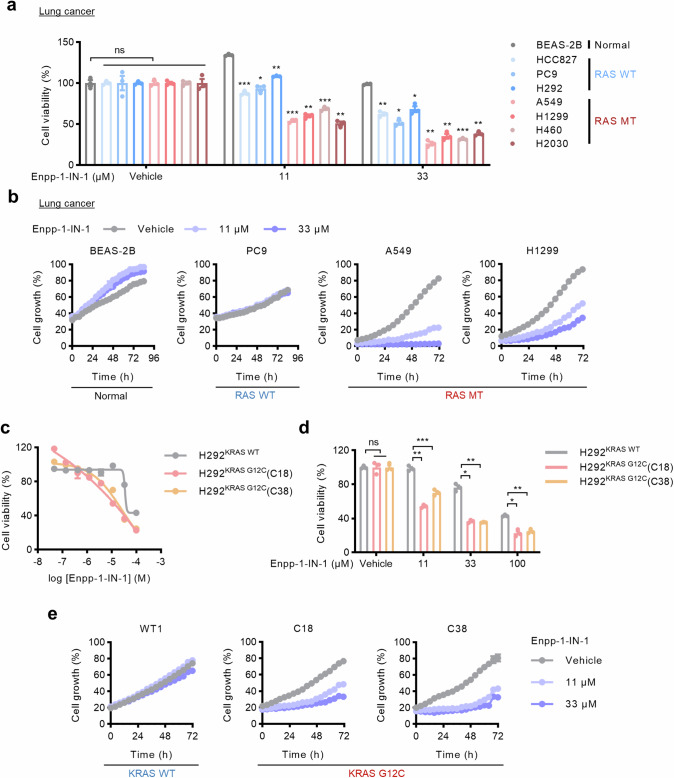 Figure 4
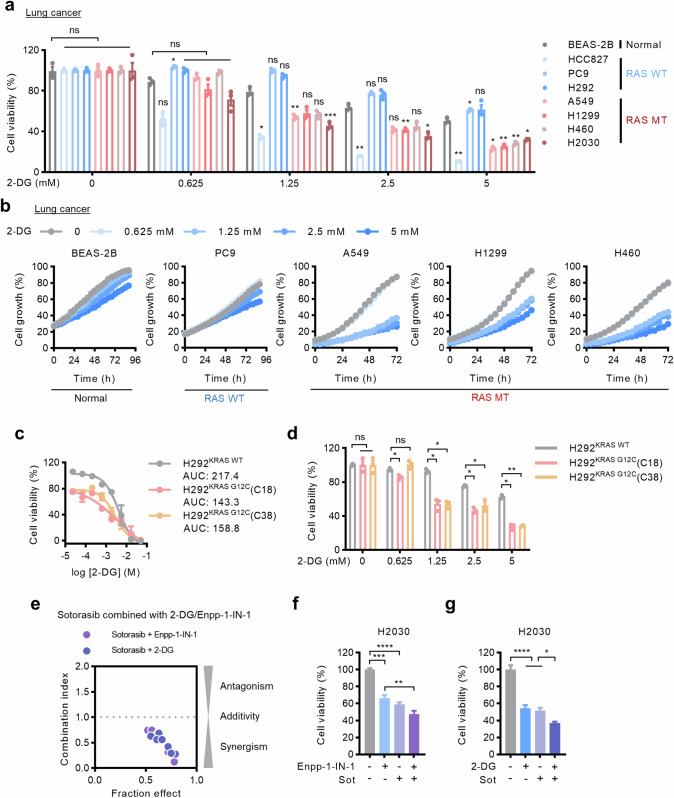 Figure 5
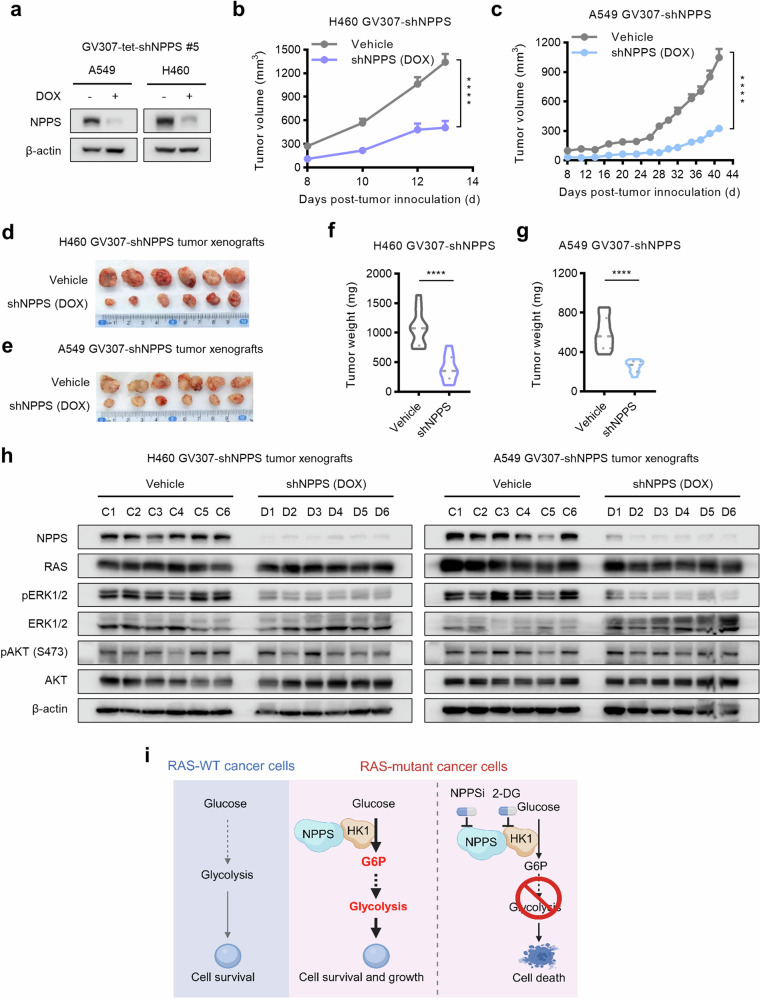 Figure 6
Peer Reviews
No public reviews on file for this paper yet. If you reviewed it on a platform where reviews are public (OpenReview, ICLR, NeurIPS, ICML), you can paste yours below so the community can read it here.
Videos
No videos yet. Explain this paper in a talk, walkthrough, or lecture? Add one.
Taxonomy
TopicsATP Synthase and ATPases Research · Endoplasmic Reticulum Stress and Disease · Sphingolipid Metabolism and Signaling