Prevalence of work-related musculoskeletal disorders among Iranian orthotists and prosthetists: A study on work-related quality of life
S Azizi, V Moradi, B Hajiaghaei, T Babaee

TL;DR
This study finds that most Iranian orthotists and prosthetists suffer from work-related musculoskeletal disorders, which may affect their quality of life and work performance.
Contribution
The study provides new insights into the prevalence of musculoskeletal disorders among orthotists and prosthetists in Iran and their weak correlations with work-related quality of life factors.
Findings
82% of participants reported work-related musculoskeletal disorders, most commonly in the lower back and neck.
Small but statistically significant correlations were found between work-related quality of life and factors like gender, age, and income.
No significant relationship was found between musculoskeletal disorders and overall work-related quality of life scores.
Abstract
Work-related musculoskeletal injuries are prevalent globally and can impact both work efficiency and the quality of services offered to patients. This study investigated the prevalence of work-related musculoskeletal disorders among Iranian orthotists and prosthetists and its relationship with work-related quality of life. In this cross-sectional study, the Persian versions of the Nordic Musculoskeletal Questionnaire (NMQ) and Work-Related Quality of Life (WRQoL) scale were used to identify disorders of different body parts and occupational quality of life. A group of 263 orthotists and prosthetists were invited to complete the questionnaires using a simple random sampling method. The data from 188 respondents were analyzed. The association between WRQoL and the following variables: gender, work experience, age, presence of musculoskeletal disorder, and income level, was assessed…
Genes, proteins, chemicals, diseases, species, mutations and cell lines named across the full text — each resolved to its canonical identifier and authoritative record.
Click any figure to enlarge with its caption.
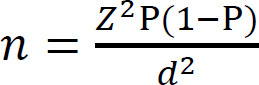 Figure 1
| Workplace | Activities out of working hours | Sport activities | |||||
|---|---|---|---|---|---|---|---|
| Personal practice | Both government work environment and private clinic | Government work environment | Private clinic | No | Yes | No | Yes |
| 26.8% | 9.6% | 8.5% | 68.1% | 59.6% | 40.4% | 44.7% | 52.7% |
| Body segments | Reduced activity or leave the workplace frequency, n (%), in last 12 months | Musculoskeletal disorders frequency, n (%), in last 7 days | Musculoskeletal disorders frequency, n (%), in last 12 months |
|---|---|---|---|
| Neck | 14 (7.4%) | 40 (21.3%) | 53 (28.2%) |
| Right shoulder | 8 (4.3%) | 17 (9%) | 23 (12.2%) |
| Left shoulder | 5 (2.7%) | 11 (5.9%) | 12 (6.4%) |
| Both shoulders | 3 (1.6%) | 11 (5.9%) | 17 (9%) |
| Right elbow | 2 (1.1%) | 11 (5.9%) | 13 (6.9%) |
| Left elbow | 0 (0%) | 0 (0%) | 1 (0.5%) |
| Both elbows | 1 (0.5%) | 2 (1.1%) | 3 (1.6%) |
| Right wrist/hand | 9 (4.8%) | 16 (8.5%) | 30 (16%) |
| Left wrist/hand | 1 (0.5%) | 4 (2.1%) | 6 (3.2%) |
| Both wrists/hands | 2 (1.1%) | 12 (6.4%) | 21 (11.2%) |
| Upper back | 7 (3.7%) | 21 (11.2%) | 33 (17.6%) |
| Lower back | 14 (7.4%) | 45 (23.9%) | 66 (35.1%) |
| Right hip and thigh | 6 (3.2%) | 4 (2.1%) | 8 (4.3%) |
| Left hip and thigh | 8 (4.3%) | 3 (1.6%) | 8 (4.3%) |
| Both hips and thighs | 11 (5.8%) | 5 (2.7%) | 7 (3.7%) |
| Right knee | 3 (1.6%) | 2 (1.1%) | 8 (4.3%) |
| Left knee | 2 (1.1%) | 4 (2.1%) | 10 (5.3%) |
| Both knees | 6 (3.2%) | 10 (5.3%) | 23 (12.3%) |
| Right ankle and foot | 0 (0%) | 2 (1.1%) | 6 (3.2%) |
| Left ankle and foot | 2 (1.1%) | 5 (2.7%) | 10 (5.3%) |
| Both ankles and feet | 9 (4.8%) | 30 (16%) | 40 (21.3%) |
| Work related quality of life subscales | Stress at work | Working conditions | Control at work | Job-career satisfaction | Home-work interface | General well-being | Full-scale WRQoL |
|---|---|---|---|---|---|---|---|
| Mean ± SD | 5.92 ± 1.94 | 9.84 ± 2.45 | 14.22 ± 1.88 | 20.41 ± 4.06 | 9.62 ± 2.53 | 19.41 ± 3.47 | 79.44 ± 10.70 |
| Percentile equivalents | Medium | Low | High | Medium | Low | Low | Medium |
| WRQoL subscales | The average number of visits per week | Income | Age | Work experience | ||||
|---|---|---|---|---|---|---|---|---|
|
|
|
|
|
|
|
|
| |
| General well-being |
| 0.13 | 0.77 | 0.21 |
| 0.26 |
| 0.24 |
| Home-work interface | 0.41 | −0.06 |
| 0.16 | 0.29 | 0.07 | 0.39 | 0.06 |
| Job-career satisfaction | 0.21 | −0.09 | 0.20 | 0.09 | 0.12 | 0.11 |
| 0.15 |
| Control at work | 0.66 | 0.03 | 0.22 | 0.09 | 0.85 | −0.01 | 0.95 | −0.04 |
| Working conditions | 0.83 | 0.01 | 0.33 | 0.07 | 0.21 | 0.09 | 0.03 | 0.15 |
| Stress at work | 0.4 | 0.06 | 0.28 | 0.08 |
| −0.15 |
| −0.15 |
| Full scale WRQoL | 0.63 | 0.03 |
| 0.16 |
| 0.15 |
| 0.18 |
| WRQoL subscales | Men | Women |
| ||
|---|---|---|---|---|---|
| Quality of work life | Mean ± SD | Quality of work life | Mean ± SD | ||
| General well-being | Low | 18.78 ± 3.64 | Medium | 19.83 ± 3.31 |
|
| Home-work interface | Low | 9.54 ± 2.80 | Low | 9.67 ± 2.35 | 0.51 |
| Job-career satisfaction | Medium | 19.52 ± 4.50 | Medium | 21.00 ± 3.64 |
|
| Control at work | High | 13.77 ± 2.20 | High | 14.53 ± 1.57 |
|
| Working conditions | Low | 9.56 ± 2.83 | Low | 10.02 ± 2.15 | 0.26 |
| Stress at work | Medium | 5.98 ± 1.87 | Medium | 5.88 ± 1.99 | 0.47 |
| Full scale WRQoL | Medium | 77.17 ± 12.45 | Medium | 80.95 ± 9.12 | 0.01 |
Peer Reviews
No public reviews on file for this paper yet. If you reviewed it on a platform where reviews are public (OpenReview, ICLR, NeurIPS, ICML), you can paste yours below so the community can read it here.
Videos
No videos yet. Explain this paper in a talk, walkthrough, or lecture? Add one.
Taxonomy
TopicsMusculoskeletal pain and rehabilitation · Occupational health in dentistry · Occupational Health and Safety Research
INTRODUCTION
Work-related musculoskeletal injuries are among the most severe occupational issues worldwide. Unfavorable body position during work is an essential factor in these injuries. According to the Health and Safety Executive, 38% of work-related problems are related to musculoskeletal disorders,^1^ the leading cause of more than half of work absences and about 50% of occupational diseases.^2^ These disorders are more frequently observed in occupations that require manual work, lifting heavy objects, or performing repetitive movements.^3^ Adjusting work habits, reducing working hours, or changing job types can help mitigate these issues.^4,5^ Demographic characteristics such as age, gender, and psychosocial factors are some predicting variables for musculoskeletal disorders.^6^ These disorders lead to waste of working days, increased costs, and human injuries and are the leading cause of disability.^7^ Work-related musculoskeletal disorders reduce work efficiency and production, affecting work-related quality of life (WRQoL).^8^ Issues related to WRQoL of employees affect their job satisfaction and their intention to stay on the job.^9^ Quality of Working Life (QoWL) focuses on different factors that affect a person's work experience and overall well-being. These include the physical work environment, the social atmosphere within the organization, conflicts related to work roles, job enrichment, fair compensation, flexible work hours, reward systems, the balance between work and family life, job security, and overall productivity and health.^10^ The connection between work-related stress and the broader idea of QoWL has been examined, revealing a link between job stress and burnout as significant negative factors affecting overall quality of life.^11^
Orthotists and prosthetists, as well as medical personnel, are at a higher risk of suffering from musculoskeletal disorders due to repetitive tasks, high workload, poor working conditions, psychological factors such as occupational stress, and work shifts.^12^ Manual handling of heavy plaster casts (sometimes more than 25 kg), limited resting time between activities, working in a limited workspace, and not having a helping hand to lift heavy objects imposes a high physical load on the musculoskeletal structure of these people.^13,14^ Therefore, the possibility of musculoskeletal disorders is high among orthotists and prosthetists due to long hours and heavy work, use of inappropriate and non-standard tools and machines, and lack of knowledge of the correct physical position.^15^ It has been reported that the prevalence of back disorders in manual labor is eight times higher than in occupations that do not involve manual work.^16^ In their study of 173 orthotists and prosthetists, Anderson et al. found that 76% of participants experienced musculoskeletal pain within the previous six months.^17^ Concerns related to workload, tight deadlines, and a poorly designed physical environment can increase fatigue and stress levels.^9^ Prosthetists and orthotists reported that the demands imposed by other healthcare staff and patients not only added to their workloads but also created unrealistic time constraints for task completion.^13^
Occupational pressures and injuries can negatively affect the services provided by healthcare personnel for society. This indicates the importance of and needs to consider the physical and mental health of the personnel working in health and treatment centers.^18^ Since the workstations in orthotics and prosthetics wards are non-adjustable and individuals of various heights and body dimensions must work at the same workstation, this situation can lead to the development of improper postures in the neck, shoulders, and back.^14^ They seem to be the main contributors to morbidity and disability in any workforce, affecting individuals' quality of life and work capacity.^19^ To the best of our knowledge, no studies have assessed WRQoL among orthotists and prosthetists.
Various studies have been conducted to investigate the prevalence of work-related musculoskeletal disorders in Iran. However, there are no accurate statistics on the prevalence of work-related musculoskeletal disorders and the quality of life of people working in this field of rehabilitation in Iran. This study aimed to determine the prevalence of work-related musculoskeletal disorders among orthotists and prosthetists and investigate its relationship with WRQoL.
METHODOLOGY
This cross-sectional study was conducted from July 2023 to November 2023. Data was collected in person and online. To increase the generalizability of the study findings, the orthotists and prosthetists from all over Iran were invited to participate. Consequently, individuals working in Tehran, Iran, completed the questionnaires in person, while those situated other cities/provinces filled out the questionnaires online. It is important to note that the items in the questionnaires completed in person and online were exactly the same. Before completing the questionnaire, participants were given a consent form to sign. For the online version, an invitation message was sent via WhatsApp to individuals who had smartphones and internet access. The invitation included a brief description of the study and a link to the questionnaire. Consent was obtained by including a statement at the beginning of the online survey. The software used (https://porsline.ir) automatically removed respondents' phone numbers, ensuring that participants remained anonymous during the statistical analyses. The study protocol was approved by the research ethics committee of Iran University of Medical Sciences (Ref: # IR.IUMS.REC.1402.141, date: 24/05/2023).
The participants were asked to answer the Persian versions of the Nordic Musculoskeletal Questionnaire (NMQ)^20^ and the WRQoL scale.^21^ Completing these questionnaires took about seven minutes on average.
The NMQ is among the most commonly utilized questionnaires for evaluating work-related musculoskeletal disorders. It has proven to be highly reliable in assessing ergonomic hazards across different healthcare professionals.^22^ The WRQoL scale is widely recognized for its comprehensive approach to assessing various dimensions of factors across both work and non-work life domains.^23^ The NMQ and WRQoL scales are tools that broadly assess work-related musculoskeletal disorders and the quality of life of individuals across various professions.
The inclusion criteria included working as an orthotist or prosthetist at the time of the study,^24^ having at least one year of clinical work experience,^25^ having a smartphone, and having no previous musculoskeletal injuries during the past 12 months.^14^ To assess the participants' previous musculoskeletal injuries, the following question was asked: “Have you experienced injuries in your neck, shoulders, elbows, wrists, upper back, waist, thighs, knees, or ankles during the past 12 months?”. Those cases who did not complete the questionnaires were excluded.
Nordic Musculoskeletal Questionnaire
This questionnaire is used in work-related healthcare studies to evaluate the prevalence of musculoskeletal disorders. The first part includes nine questions about pain and discomfort experienced in the past 12 months, the second part consists of nine questions about pain and discomfort experienced in the last seven days, and the third part consists of nine questions about reducing working hours and leaving the workplace due to pain and discomfort experienced in the past 12 months. All items are answered with “yes” or “no”. If participants answered “yes,” they were then asked whether the musculoskeletal pain had been present in the past 7 days (yes or no) and whether the musculoskeletal pain had hindered their ability to engage in regular work and daily activities over the past 12 months (yes or no). It is used to collect information on pain or discomfort in nine body parts: neck, shoulder, elbow, wrist, upper back, waist, thigh, knee, and ankle.^18,26^ The validity and reliability of its Persian version have been evaluated by Namnik et al. showing an acceptable internal consistency of more than 0.7, a standard error of measurement ranging 0.56 to 1.76, and a Kappa coefficient ranging 0.78 to 1).^20^
The WRQoL scale
This questionnaire, designed by Van Laar and Easton in 2007, measures the QoWL.^27^ It consists of 24 items distributed into six subgroups to evaluate WRQoL. The scoring is based on a 5-point Likert scale. Twenty-three items evaluate six subgroups: general well-being, home-work interface, job-career satisfaction, control at work (referring to the degree of autonomy and influence an employee has over their work environment and tasks), working conditions, and stress at work. Item 24 evaluates satisfaction with the work-related quality of work. The full scale score of this questionnaire is obtained by calculating the average score from these six areas, ranging from 1 to 110, where a score of 1 to 71 indicates the lowest level of WRQoL and a score of 85 to 110 shows the highest level of WRQoL.^27^ Percentile equivalents of each WRQoL subscale are also categorized as low QoWL (score range of 10–30), medium QoWL (score ranges of 40–60), and high QoWL (score range of 70–99). Higher percentiles indicate a better QoWL. The validity and reliability of its Persian version have been investigated by Shabaninejad et al.^21^
Sampling method and sample size
A simple random sampling method was employed to include potential participants. The following formula^28^ was considered for sample size calculation:
where n is the sample size, Z is the statistic corresponding to the level of confidence (99%), P is expected prevalence (60%),^29^ and d is precision (0.1); at least 159 participants were required. Considering that the average response rate for surveys among healthcare professionals is 53.3%,^30^ a total of 263 orthotists and prosthetists were invited to participate in this study.
Statistical Analysis
Descriptive data (means and standard deviations) and frequencies were reported for continuous and categorical variables, respectively. To check the normality of the data, the Kolmogorov-Smirnov test was run. The association between WRQoL and the following variables: gender, work experience, age, presence of musculoskeletal disorder, and income level, was assessed using Spearman's rho correlation coefficient. We considered the relationships as good to excellent, moderate to good, small, and small to no correlation if the r values were (r > 0.75), (0.50 < r < 0.75), (0.25 < r < 0.50), and (r < 0.25), respectively.^31^ The Mann-Whitney U test was used for data that did not follow a normal distribution, while the independent-sample t-test was applied to normally distributed data. These tests compared the mean values of WRQoL parameters between men and women. The Chi-square test was used to assess the relationships between categorical variables. All data were analyzed using the statistical package for social sciences (SPSS) software version 20. A threshold of 0.05 was considered as significant.
RESULTS
A total of 263 orthotists and prosthetists were invited to participate in the study, either in-person or online. Of these, 207 completed the questionnaires, yielding a response rate of 78%. After applying the inclusion and exclusion criteria, the data from 188 participants (75 men and 113 women) were chosen and analyzed. Orthotists and prosthetists from various centers across different cities in Iran participated in this study. The mean of age, height, and weight of the participants were 31.4 ± 8.3 years old (range of 21 to 60 years old), 173.3 ± 9.5 cm (range of 150 to 197 cm), and 75.1 ± 14.6 kg (range of 45 to 110 kg). One hundred and four people were single, and 84 people were married. Their average daily working hours was 7.2 ± 2.8 hours (range of 1 to 15 hours), the average work experience was 7.4 ± 7.8 years (range of 1 to 34 years), and the average number of visitors per week was 26.2 ± 27.3 (range of 2 to 200 patients). As shown in Table 1, most participants worked in private clinics. Additionally, 40.4% of all participants engaged in activities outside of working hours, while 52.7% participated in sports activities.
A total of 141 orthotists and 47 prosthetists participated in the study. The prevalence rates of musculoskeletal disorders among the studied orthotists and prosthetists were 82% and 81%, respectively. 123 people (65.4%) stated that they felt pain, discomfort, burning, or numbness in different body parts during the last seven days.
Also, 77 people (41%) were forced to rest, reduce work activity, leave the workplace, or could not perform their activities at work or home during the past 12 months due to pain or discomfort (Table 2).
Results of Chi-square test revealed that there was a significant relationship between the participants' gender and musculoskeletal disorders in the last 12 months (Phi = 0.157, p = 0.031). There was a small to no relationship between participants' weight and musculoskeletal disorders in the last 12 months (r_s_(188) = 0.14, p = 0.045). The prevalence of these disorders was higher in men than women (89% versus 76%) and people with more weight. Decreased work activity, leaving the workplace, or being unable to perform activities at home or the workplace during the last 12 months had a statistically significant yet small to negligible relationship with the number of daily working hours (r_s_(188) = 0.22, p = 0.002).
Among the different areas of WRQoL, control at work (14.22 ± 1.88) had the highest mean, home-work interface (9.62 ± 2.53), and working conditions (9.84 ± 2.45) had the lowest mean, and the mean of WRQoL was 79.44 ± 10.70 (Table 3).
The WRQoL had a small to negligible but significant relationship with gender (r_s_(188) = 0.17, p = 0.016), work experience (r_s_(188) = 0.18, p = 0.011), age (r_s_(188) = 0.15, p = 0.039), and income (r_s_(178)= 0.17, p =0.025) (Table 4).
The WRQoL was higher in women than in men. All areas of the quality of work life had a higher mean in women than men, except stress at work (Table 5).
There was no statistically significant relationship between general musculoskeletal disorders and overall WRQoL. Still, these disorders were significantly related to general well-being (r_s_(188) = 0.16, p= 0.023).
DISCUSSION
This study investigated the prevalence of work-related musculoskeletal disorders among Iranian orthotists and prosthetists and its relationship with WRQoL. The results showed a high prevalence of work-related musculoskeletal disorders among Iranian orthotists and prosthetists who had a minimum one year of clinical experience. 82% of the studied orthotists and prosthetists had experienced pain in different body parts during the past 12 months. This was in line with Anderson et al.'s study on Australian orthotists and prosthetists (80%).^24^ Still, the prevalence of musculoskeletal pain found in this study was higher than that reported by Farahmand et al., who noted that 60% of orthotists experienced pain in their shoulders, elbows, and wrists over the last year. In contrast, the prevalence of musculoskeletal pain among prosthetists was 33%.^29^ Notably, this study found that the prevalence of musculoskeletal pain was the same for both orthotists and prosthetists.
Some factors contributing to musculoskeletal disorders in orthotists and prosthetists include the poor design of tools and machinery, long working hours using them, manual lifting and moving of heavy objects (such as molded plaster) without assistance, working with vibrating devices (like milling machines and drills) and performing repetitive tasks.^29^ Findings from this study showed that pain is most prevalent in the back (35.1%), neck (28.2%), and ankles and feet (21.3%), with lower back pain being the most common musculoskeletal disorder among orthotists and prosthetists. In the study by Anderson et al.,^16^ it was reported that the prevalence of disorders in the lumbar region is eight times higher in jobs involving manual activity compared to jobs that do not require manual activity. The manual handling of heavy plaster molds for various processes such as mold correction, lamination, thermoplastic mold production, and the preparation of negative and positive plaster molds, as well as filling the molds, is common in orthotic and prosthetic fabrication facilities. These factors may explain the high prevalence of back pain among orthotists and prosthetists.
There seems to be a small to negligible yet statistically significant relationship between gender and musculoskeletal disorders, as the findings of this study show that the prevalence of these disorders is higher in men. This may be due to the fact that men tend to be more inclined to perform heavier lifts. The results of this study are in line with Farahmand et al.'s findings.^29^ However, in other studies, such as those by Anderson et al. on Australian orthotists and prosthetists,^24^ Rahimi et al. on Iranian physiotherapists,^32^ Nazari et al. on occupation therapists,^33^ and Keyhani et al. on Iranian dentists,^34^ the prevalence of work-related musculoskeletal disorders was higher in women. Additionally, there was a small to negligible but significant relationship between weight and feeling pain and discomfort due to musculoskeletal disorders over the past 12 months. Still, this study did not find a significant relationship between these disorders and other demographic characteristics such as age, height, work experience, income, and working hours. It is important to note that, due to the small to negligible relationship between gender and musculoskeletal disorders, these results should be interpreted with caution.
Only 52.7% of the studied orthotists and prosthetists engaged in regular sports activities and showed little tendency to reduce their activity or take rest when they felt pain and discomfort. Additionally, about 48% of people who experienced pain and discomfort in the last 12 months reduced their activity during work. Decreased work activity, leaving the workplace, or an inability to perform tasks at home or the workplace during the last 12 months was more common in women (57%), although this difference was not significant. These results are similar to those found in Rahimi et al.'s study on Iranian physiotherapists.^32^
The total score of the WRQoL questionnaire among the studied orthotists and prosthetists was 79.44, which, based on the proposed percentile equivalents, falls within the average range. Among its different aspects, control at the workplace was more favorable, and working conditions and the relationship between home and work were less favorable. Also, the mean WRQoL score was significantly related to gender and was higher in women. The average quality of life for female orthotists and prosthetists was higher than that of their men counterparts in all aspects except stress at work. There was a significant difference in general well-being, control at work, and job-career satisfaction between men and women.
Regarding the demographic characteristics and WRQoL, there was a small to negligible but significant relationship between age, gender, work experience, income, and overall quality of life. The WRQoL was higher in women and participants of older ages, higher income, and greater work experience. The reasons for this could include increased job satisfaction, better control of the work environment, and reduced stress because of more work experience, age, and income. Arab et al. found no significant difference between age, sex, employment status, working hours, and WRQoL. However, specialist physicians with the least work experience had the highest WRQoL.^35^ In Abbasi et al.'s study on nurses, age and work experience had an inverse relationship with WRQoL.^36^ In light of the small to negligible relationship between the demographic characteristics and WRQoL in this study, it is important to interpret these results cautiously.
In this study, there was no significant relationship between the overall score of the WRQoL and work-related musculoskeletal disorders. However, a significant relationship existed between WRQoL and musculoskeletal disorders in different body areas. Regarding each subdomain of WRQoL, results of this study revealed a small to no relationship between general well-being and musculoskeletal disorder. It should be noted that the overall WRQoL score is calculated by summing the values of its six subdomains: general well-being, home-work interface, job-career satisfaction, control at work, working conditions, and stress at work. Consequently, the score of each subdomain influences the total score of the questionnaire. However, general well-being is an independent subdomain; its score is not affected by the scores of the other subdomains. This independence may explain the lack of a significant relationship between overall WRQoL and musculoskeletal disorders, as fluctuations in other areas do not impact the general well-being score.
Limitations
This was a cross-sectional study and, therefore, cannot show the conditions of the participants over time. Also, the questions were asked about past events to evaluate the working conditions of participants (for example, in the past 12 months or seven days). Thus, they may not have answered the questions accurately due to the effects of memory over time. The WRQoL scale is designed without a distinction between employees and employers, so the responses might not be accurate for some questions about the work environment and the employer. Moreover, in this study, there was no age limit for inclusion. Most participants were under 50 years old, with 11 participants aged between 50 and 60 years. The statistical analysis revealed a small to no relationship between WRQoL and participants' age. Further research is needed to assess the rate of musculoskeletal injuries among orthotists and prosthetists across different age classifications and marital statuses, utilizing a sufficient sample size. In addition, this study included orthotists and prosthetists with at least one year of clinical work experience. Future investigations are needed to assess the prevalence of work-related musculoskeletal disorders among novice orthotists and prosthetists with less than one year of clinical experience.
CONCLUSION
There appears to be a high prevalence of work-related musculoskeletal disorders among Iranian orthotists and prosthetists. Symptoms of pain in the back and neck are the most common issues. The Iranian orthotists and prosthetists seem to have an average WRQoL, which is higher in women and individuals with more work experience. Addressing the high incidence of musculoskeletal disorders and enhancing the WRQoL for orthotists and prosthetists may lead to improved health outcomes and job performance in this essential healthcare sector.
DECLARATION OF CONFLICTING INTERESTS
The authors declare that there is no conflict of interest.
AUTHOR CONTRIBUTION
Sarina Azizi: Conception and design; Data acquisition; Analysis and interpretation; Drafting the article; Revision and final approval of the manuscript.Vahideh Moradi: Conception and design; Review and final approval of the manuscript.Behnam Hajiaghaei: Conception and design; Review and final approval of the manuscript.Taher Babaee: Conception and design; Analysis and interpretation, Revision and final approval of the manuscript.
SOURCES OF SUPPORT
No external support was obtained for this project.
ETHICAL APPROVAL
The study protocol was approved by the research ethics committee of Iran University of Medical Sciences (Ref: # IR.IUMS.REC.1402.141, date: 24/05/2023).
The reference list from the paper itself. Each links out to its DOI / PubMed record.
- 1Saraji J, Hosseini M, Shahtaheri S, Golbabaei F, Ghasemkhani M. Evaluation of ergonomic postures of dental professions by rapid entire body assessment (REBA), in Birjand, Iran. J Dent Med. 2005;18(1):61–7
- 2Azaroff LS, Levenstein C, Wegman DH. Occupational injury and illness surveillance: conceptual filters explain underreporting. Am J Public Health. 2002;92(9):1421–9. DOI: 10.2105/ajph.92.9.142112197968 PMC 1447253 · doi ↗ · pubmed ↗
- 3Vieira ER, Svoboda S, Belniak A, Brunt D, Rose-St Prix C, Roberts L, et al. Work-related musculoskeletal disorders among physical therapists: An online survey. Disabil Rehabil. 2016;38(6):552–7. DOI: 10.3109/09638288.2015.104937526007284 · doi ↗ · pubmed ↗
- 4Atia DT, Abdelazeim FH, Radwan H. Impact of work-related musculoskeletal disorders on Egyptian pediatric physical therapists: One-year follow-up study. Trends Applied Sci Res. 2015;10(3):175. DOI: 10.3923/tasr.2015.175.182 · doi ↗
- 5Campo M, Weiser S, Koenig KL, Nordin M. Work-related musculoskeletal disorders in physical therapists: A prospective cohort study with 1-year follow-up. Phys Ther. 2008;88(5):608–19. DOI: 10.2522/ptj.2007012718276935 PMC 2390722 · doi ↗ · pubmed ↗
- 6Deeney C, O'Sullivan L. Work related psychosocial risks and musculoskeletal disorders: Potential risk factors, causation and evaluation methods. Work. 2009;34(2):239–248. DOI: 10.3233/WOR-2009-092120037236 · doi ↗ · pubmed ↗
- 7Da Costa BR, Vieira ER. Risk factors for work-related musculoskeletal disorders: A systematic review of recent longitudinal studies. Am J Ind Med. 2010;53(3):285–323. DOI: 10.1002/ajim.2075019753591 · doi ↗ · pubmed ↗
- 8Vieira ER, Kumar S. Working postures: A literature review. J Occup Rehabil. 2004;14:143–159. DOI: 10.1023/b:joor.0000018330.46029.0515074366 · doi ↗ · pubmed ↗