Identification of recurrent dynamics in distributed neural populations
Rodrigo Osuna-Orozco, Edward Castillo, Kameron Decker Harris, Samantha R. Santacruz, Emili Balaguer-Ballester, Daniele Marinazzo, Emili Balaguer-Ballester, Daniele Marinazzo, Emili Balaguer-Ballester, Daniele Marinazzo, Emili Balaguer-Ballester, Daniele Marinazzo

TL;DR
This paper explores how linear models can capture brain activity dynamics and finds that considering noise and regime switching improves model accuracy.
Contribution
The study introduces a scalable tensor-based approach to uncover recurrent dynamics in neural populations and highlights the importance of noise and regime switching.
Findings
A low-rank tensor approach recovers attractor structures in stochastic neural models.
Hierarchical clustering of dynamics is revealed using human brain connectivity simulations.
Forecast time delay impacts the estimation of dynamic structure and temporal variability.
Abstract
Large-scale recordings of neural activity over broad anatomical areas with high spatial and temporal resolution are increasingly common in modern experimental neuroscience. Recently, recurrent switching dynamical systems have been used to tackle the scale and complexity of these data. However, an important challenge remains in providing insights into the existence and structure of recurrent linear dynamics in neural time series data. Here we test a scalable approach to time-varying autoregression with low-rank tensors to recover the recurrent dynamics in stochastic neural mass models with multiple stable attractors. We demonstrate that the parsimonious representation of time-varying system matrices in terms of temporal modes can recover the attractor structure of simple systems via clustering. We then consider simulations based on a human brain connectivity matrix in high and low global…
Genes, proteins, chemicals, diseases, species, mutations and cell lines named across the full text — each resolved to its canonical identifier and authoritative record.
Click any figure to enlarge with its caption.
 Figure 1
 Figure 2
 Figure 3
 Figure 4
 Figure 5
 Figure 6
 Figure 7
 Figure 8
 Figure 9
 Figure 10
 Figure 11
 Figure 12
 Figure 13
 Figure 14
 Figure 15
 Figure 16
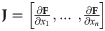 Figure 17
 Figure 18
 Figure 19
 Figure 20
 Figure 21
 Figure 22
 Figure 23
 Figure 24
 Figure 25
 Figure 26
 Figure 27
 Figure 28
 Figure 29
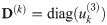 Figure 30
 Figure 31
 Figure 32
 Figure 33
 Figure 34
 Figure 35
 Figure 36
 Figure 37
 Figure 38
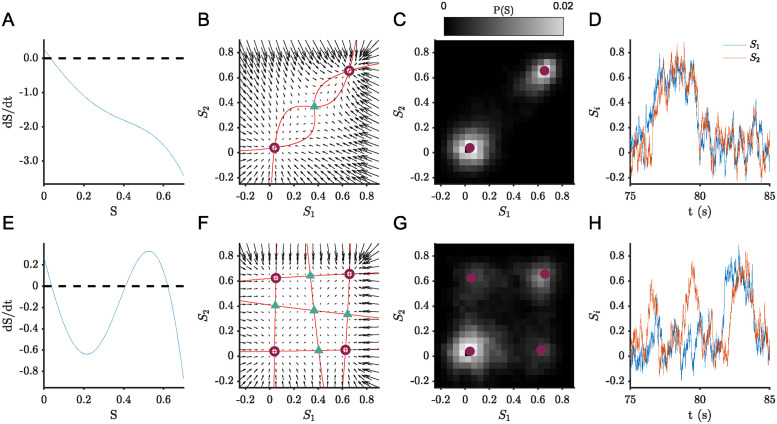 Figure 39
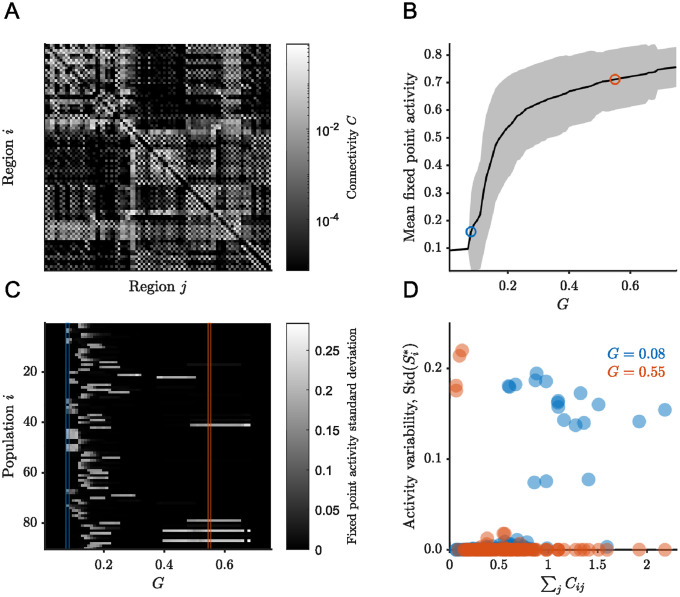 Figure 40
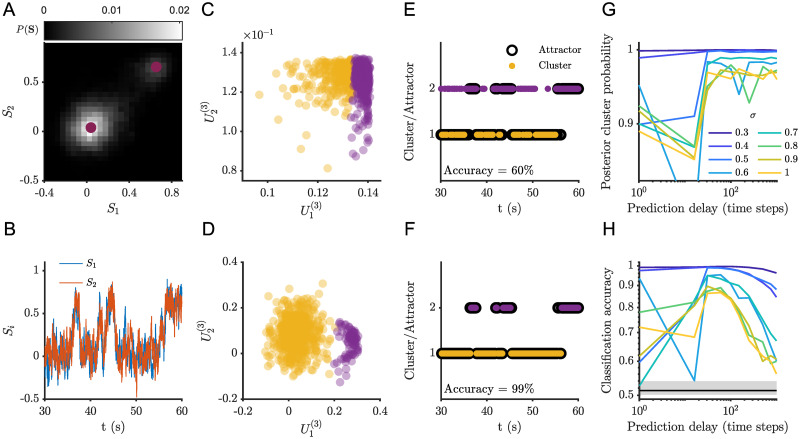 Figure 41
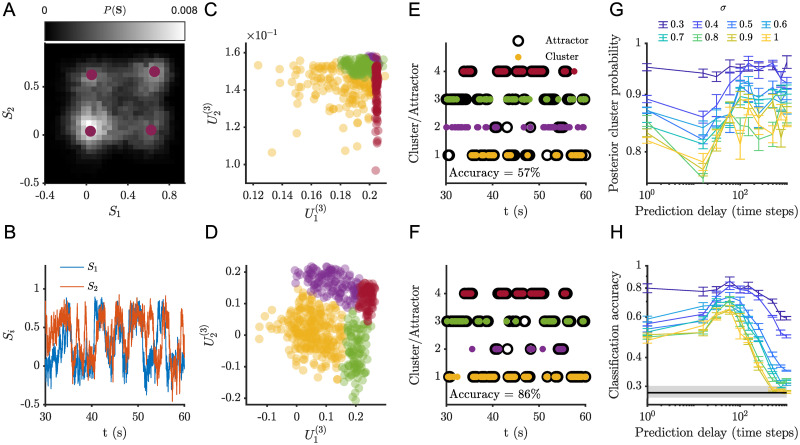 Figure 42
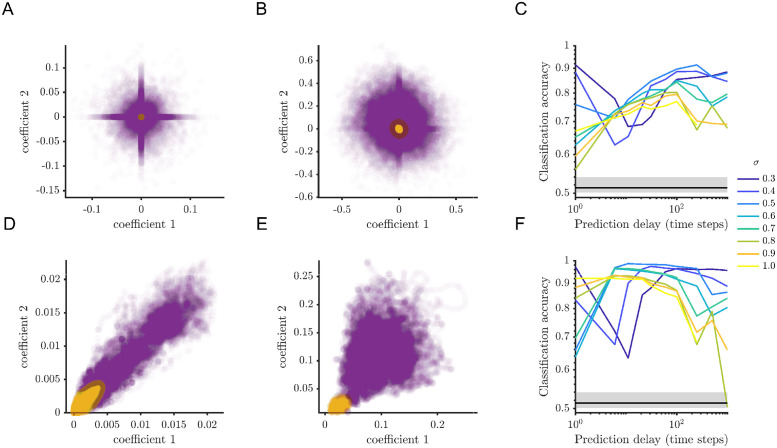 Figure 43
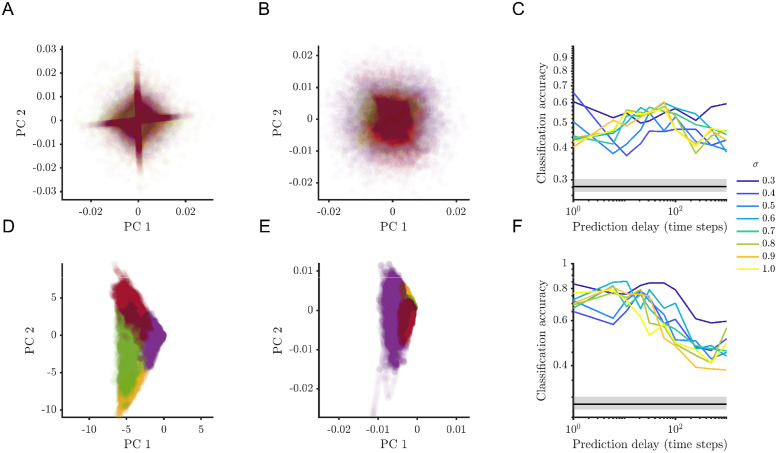 Figure 44
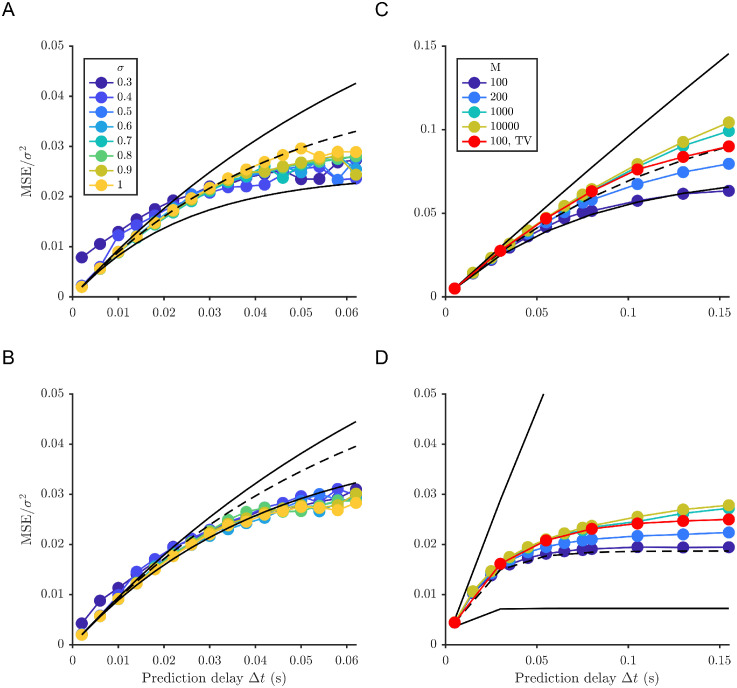 Figure 45
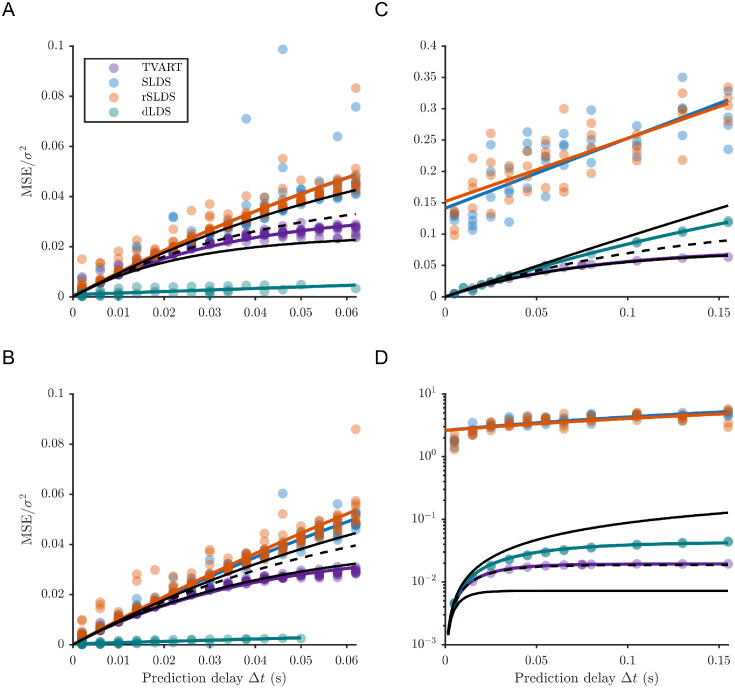 Figure 46
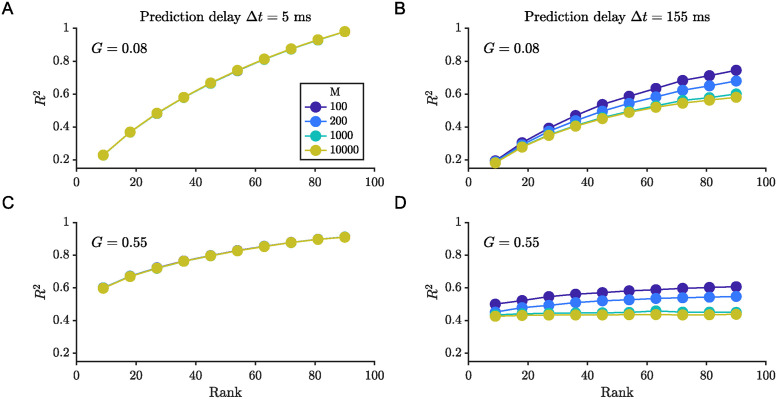 Figure 47
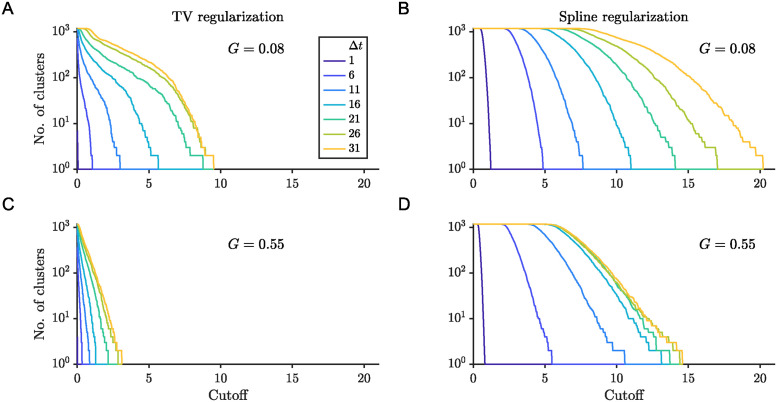 Figure 48
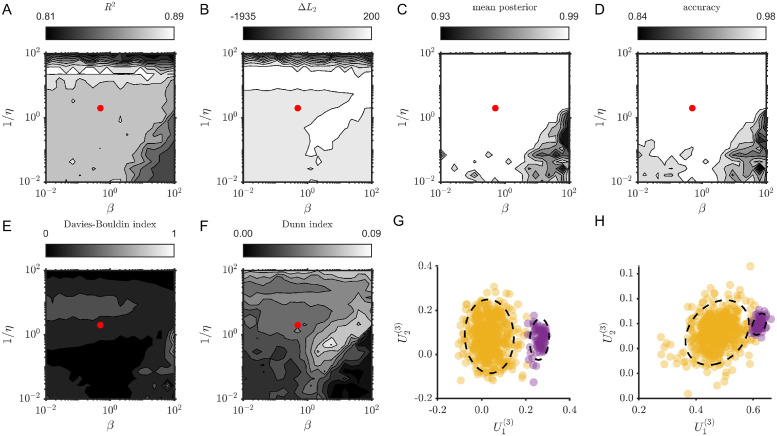 Figure 49
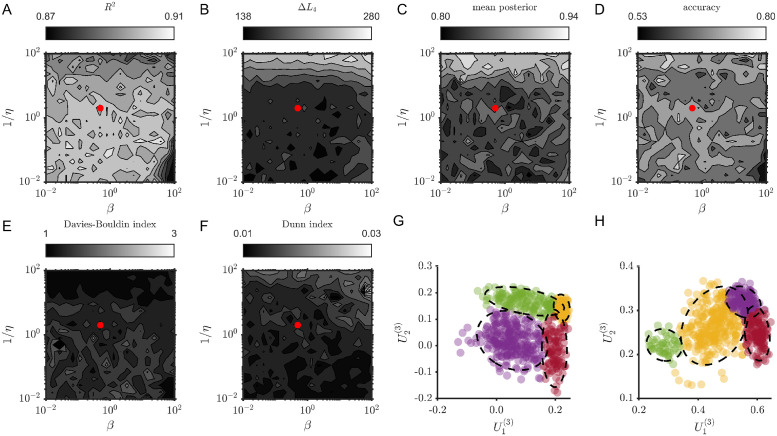 Figure 50
Peer Reviews
No public reviews on file for this paper yet. If you reviewed it on a platform where reviews are public (OpenReview, ICLR, NeurIPS, ICML), you can paste yours below so the community can read it here.
Videos
No videos yet. Explain this paper in a talk, walkthrough, or lecture? Add one.
Taxonomy
TopicsNeural dynamics and brain function · Functional Brain Connectivity Studies · Model Reduction and Neural Networks