Sodium propionate decreases implant-induced foreign body response in mice
Deivenita Juliana Alves Carvalho do Carmo, Marcela Guimarães Takahashi Lazari, Letícia Cristine Cardoso dos Santos, Pedro Augusto Carvalho Costa, Itamar Couto Guedes Jesus, Silvia Guatimosim, Pedro Pires Goulart Guimaraes, Silvia Passos Andrade, Paula Peixoto Campos

TL;DR
Sodium propionate reduces inflammation and tissue scarring around implants in mice, suggesting potential for improving implant outcomes.
Contribution
This study is the first to show that sodium propionate can reduce the foreign body response to implants in mice.
Findings
Sodium propionate decreased inflammatory cell infiltration by up to 54% in treated mice.
Treatment reduced collagen capsule thickness by 34% and foreign body giant cells by 58%.
Angiogenesis and fibrogenesis markers like VEGF and TGF-β1 were significantly downregulated.
Abstract
The short-chain fatty acid (SCFA) propionate, beyond its actions on the intestine, has been able to lower inflammation and modulate angiogenesis and fibrogenesis in pathological conditions in experimental animal models. Its effects on foreign body reaction (FBR), an abnormal healing process induced by implantation of medical devices, have not been investigated. We have evaluated the effects of sodium propionate (SP) on inflammation, neovascularization and remodeling on a murine model of implant-induced FBR. Polyether-polyurethane sponge discs implanted subcutaneously in C57BL/6 mice provided the scaffold for the formation of the fibrovascular tissue. Fifteen-day old implants of the treated group (SP, 100 mg/kg for 14 days) presented a decrease in the inflammatory response as evaluated by cellular influx (flow cytometry; Neutrophils 54%; Lymphocytes 25%, Macrophages 40%). Myeloperoxidase…
Genes, proteins, chemicals, diseases, species, mutations and cell lines named across the full text — each resolved to its canonical identifier and authoritative record.
Click any figure to enlarge with its caption.
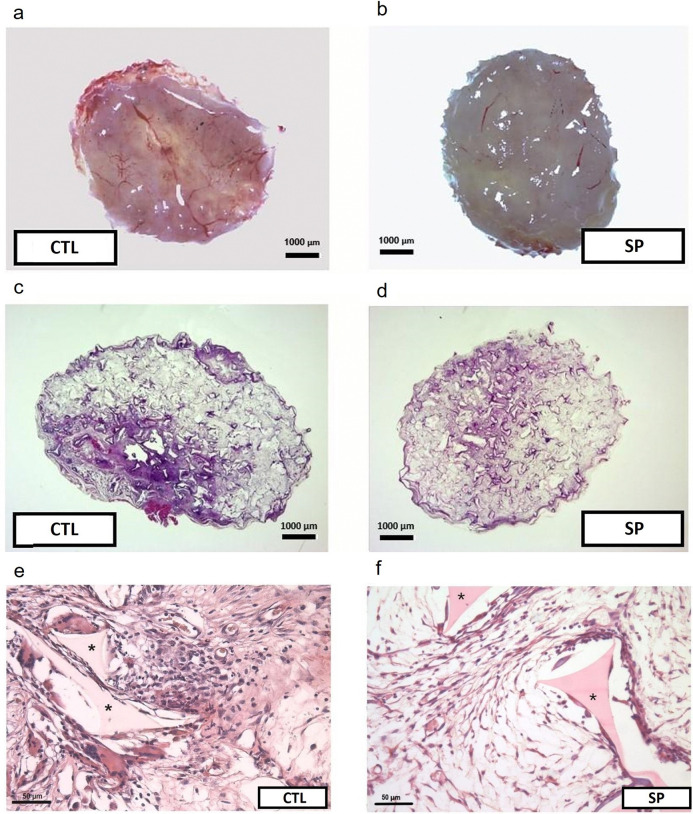 Figure 1
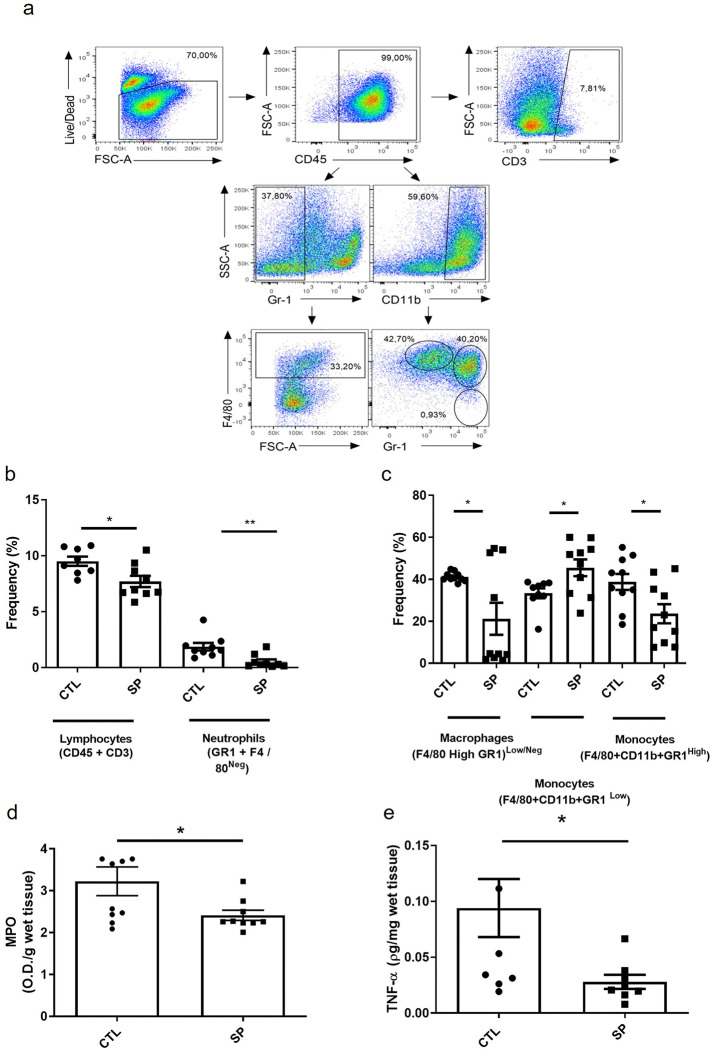 Figure 2
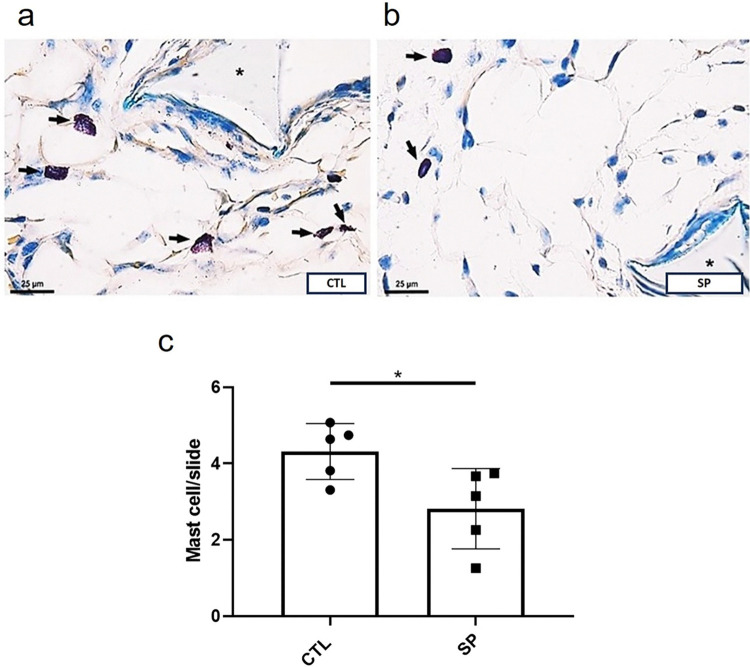 Figure 3
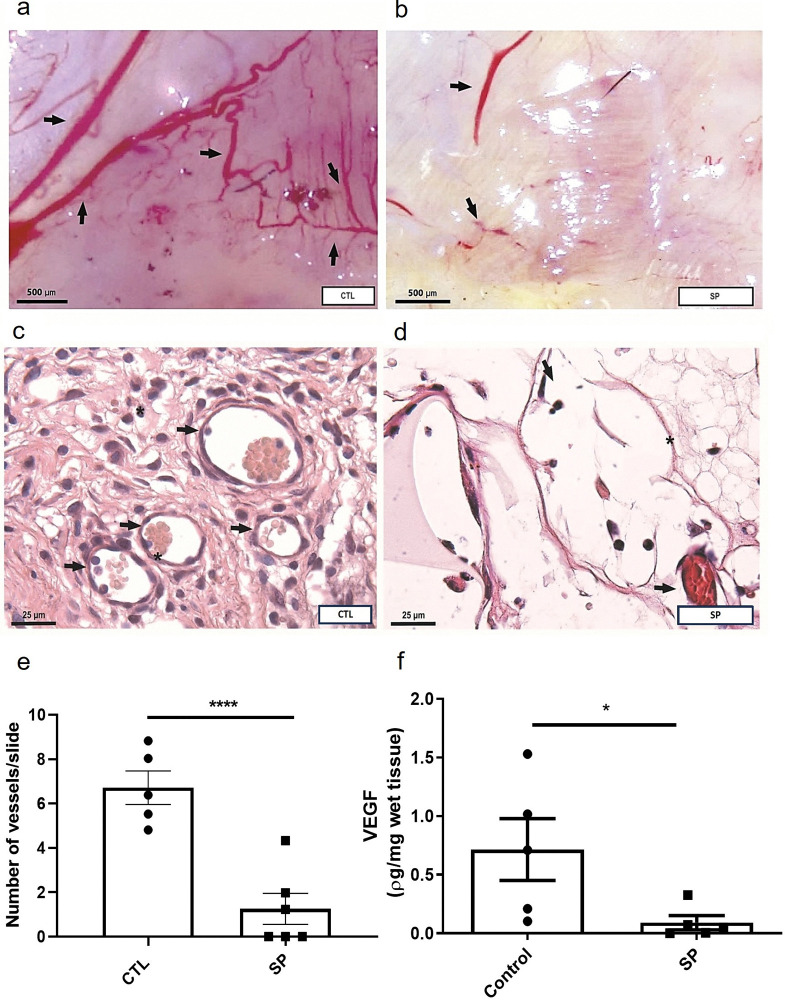 Figure 4
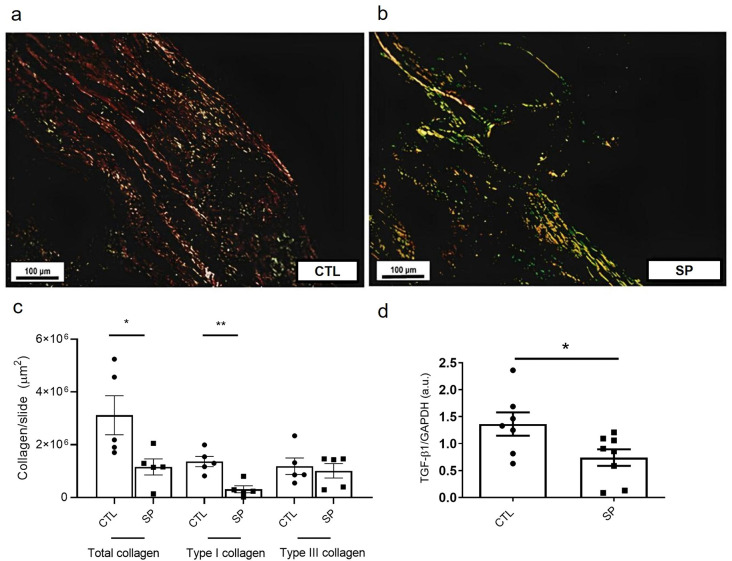 Figure 5
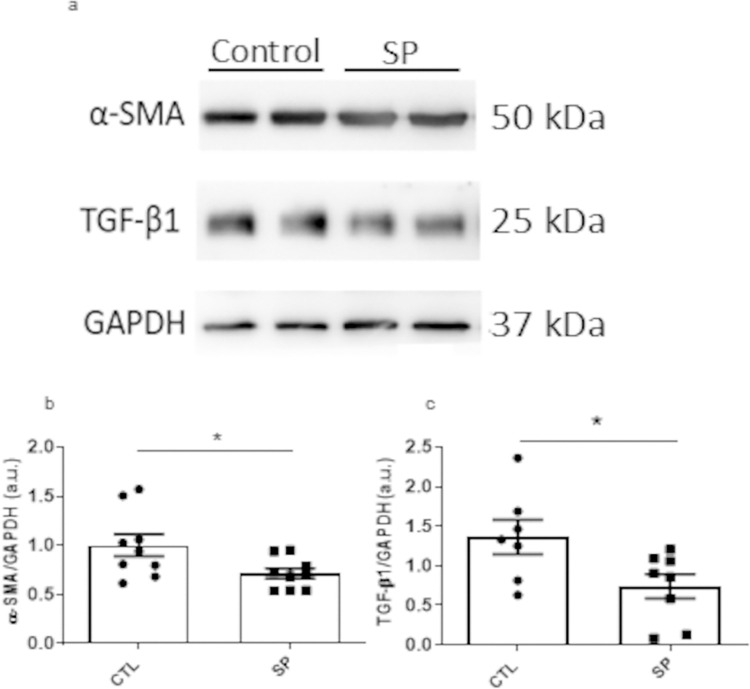 Figure 6
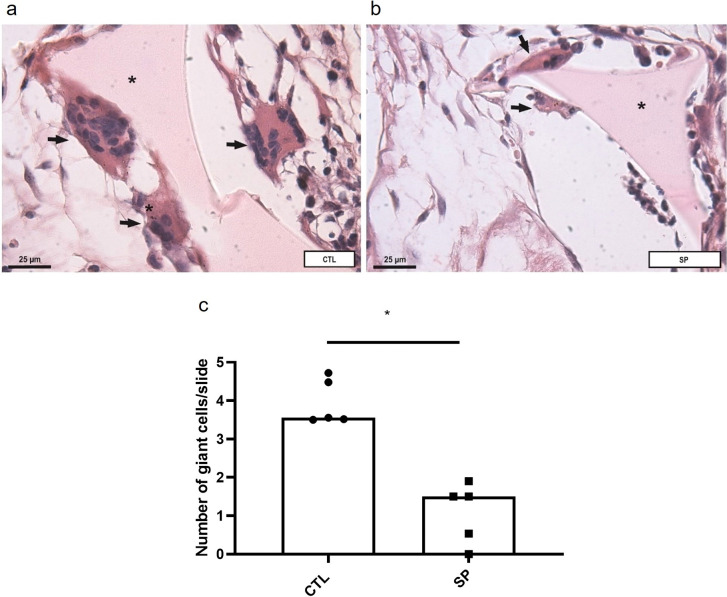 Figure 7
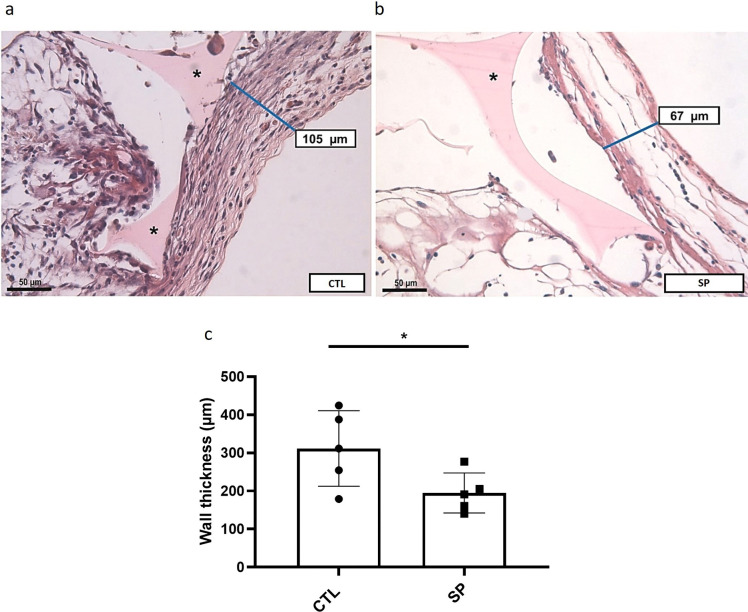 Figure 8
Peer Reviews
No public reviews on file for this paper yet. If you reviewed it on a platform where reviews are public (OpenReview, ICLR, NeurIPS, ICML), you can paste yours below so the community can read it here.
Videos
No videos yet. Explain this paper in a talk, walkthrough, or lecture? Add one.
Taxonomy
TopicsWound Healing and Treatments · Mesenchymal stem cell research · Periodontal Regeneration and Treatments