Naturally disengaging control to reveal habits
Sarah Oh, Anne G.E. Collins

TL;DR
The paper introduces a new experimental method to study human habits by encouraging disengagement from goal-directed behavior, revealing how overtraining influences habitual control.
Contribution
A novel habit learning paradigm that reliably induces habitual control through overtraining and hierarchical task structures.
Findings
Overtraining biases early responses toward habitual behavior in an overtrained context.
Task features that reduce goal-directed control increase the reliability of the overtraining effect.
The paradigm reveals complex, hierarchical habits beyond simple stimulus-response associations.
Abstract
Habits are an essential part of everyday decision-making. However, the mechanisms underlying habit formation and expression in humans are difficult to study in the laboratory, owing to a dearth of convenient experimental paradigms that reliably exhibit a key marker of habits – training-induced inflexibility – under ecologically valid conditions. This difficulty is often attributed to the fact that habits are identified in contrast to goal-directed (GD) control, which research participants typically engage strongly in laboratory experiments. To address this gap, we develop a new, short habit learning paradigm that incorporates several features we hypothesized would encourage participants to disengage GD control, enabling habits to exert greater influence over behavior: a hierarchical multi-step trial structure, opportunities for self-correction, and frequent switches between extensively…
Genes, proteins, chemicals, diseases, species, mutations and cell lines named across the full text — each resolved to its canonical identifier and authoritative record.
Click any figure to enlarge with its caption.
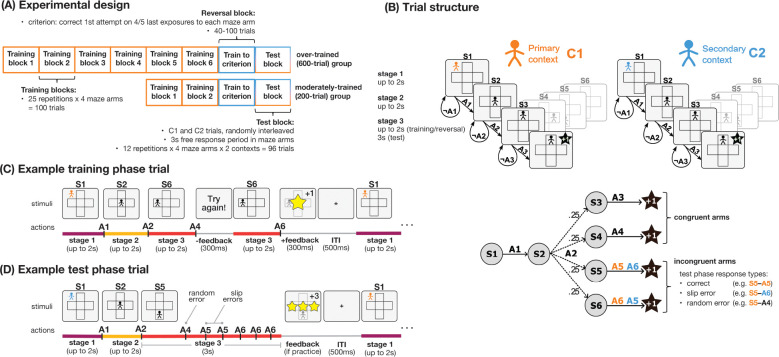 Figure 1
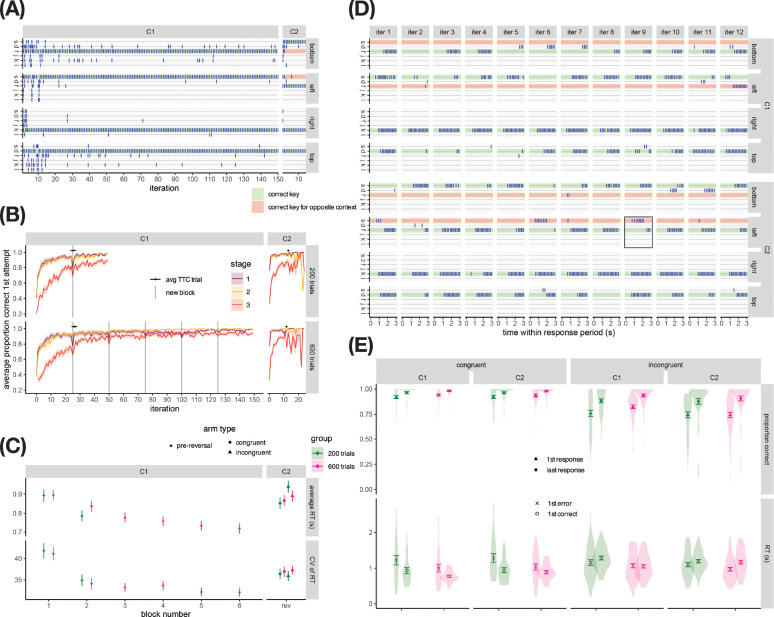 Figure 2
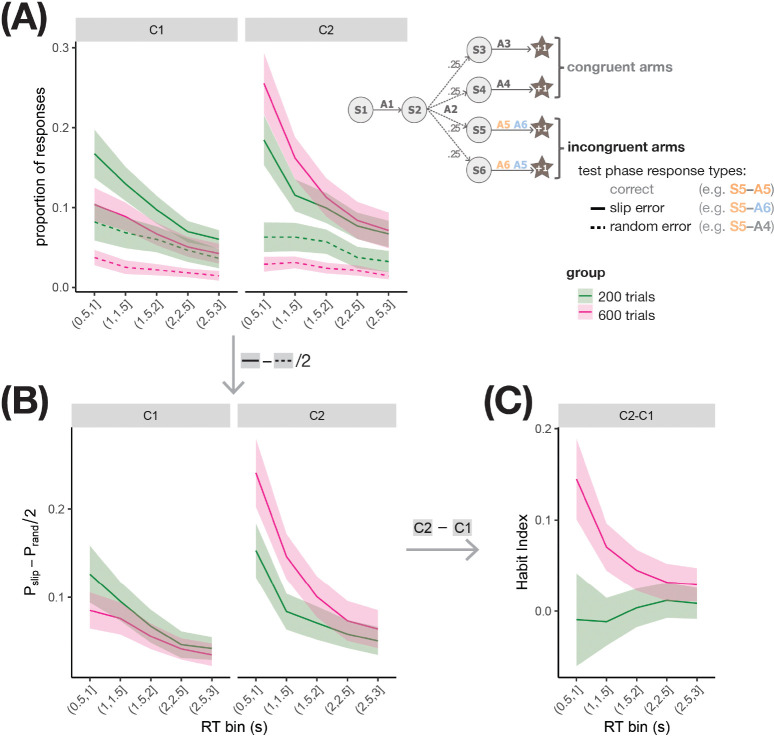 Figure 3
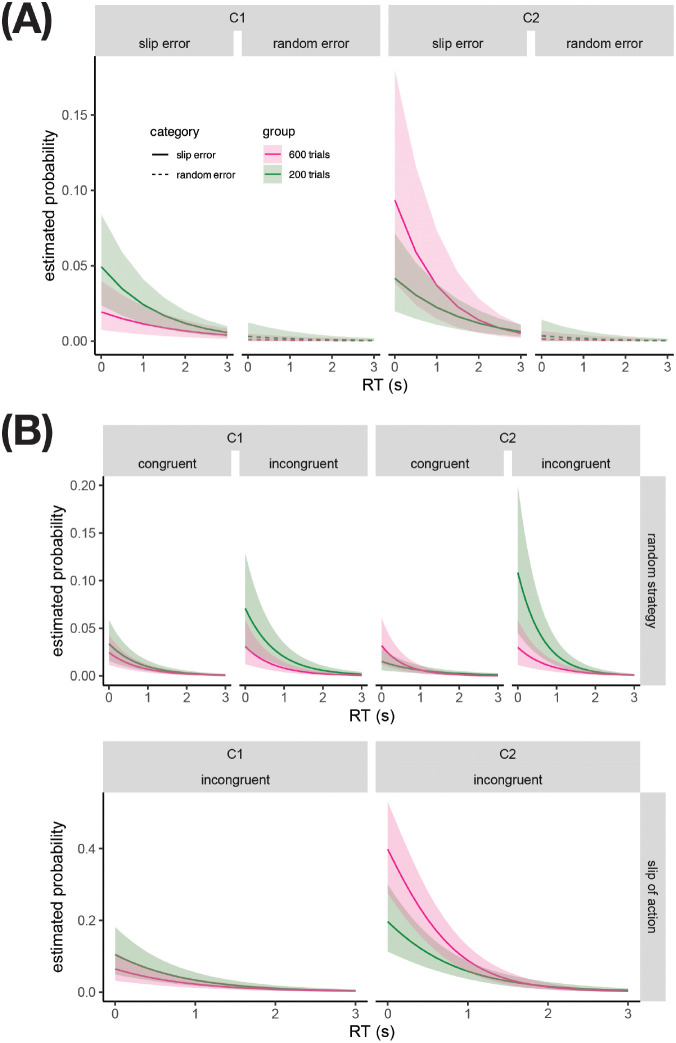 Figure 4
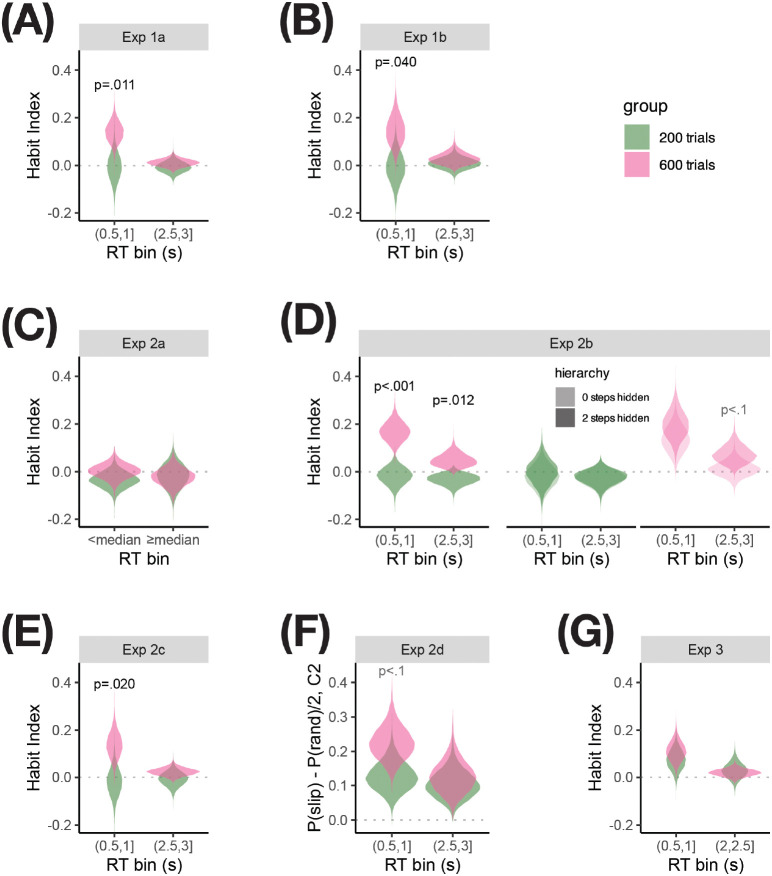 Figure 5
Peer Reviews
No public reviews on file for this paper yet. If you reviewed it on a platform where reviews are public (OpenReview, ICLR, NeurIPS, ICML), you can paste yours below so the community can read it here.
Videos
No videos yet. Explain this paper in a talk, walkthrough, or lecture? Add one.
Taxonomy
TopicsBehavioral Health and Interventions · Social and Intergroup Psychology · Mental Health Research Topics