A longitudinal rat forelimb model for assessing in vivo neuromuscular function following extremity reperfusion injury
Omar A. Selim, Aida K. Sarcon, Mehmet Furkan Tunaboylu, Chunfeng Zhao, Steven L. Moran

TL;DR
This paper introduces a rat model to study upper limb neuromuscular function after reperfusion injury, enabling longitudinal assessments and identifying key functional metrics.
Contribution
The study presents a novel rat model for upper extremity reperfusion injury with in vivo functional assessments and clinically relevant outcome measures.
Findings
The rat model recapitulates biochemical and functional aspects of upper extremity reperfusion injury.
Gait coordination and electrophysiological metrics provide non-invasive measures of limb function.
The model can be used to evaluate therapeutics for mitigating neuromuscular dysfunction.
Abstract
Rhabdomyolysis following revascularization of the ischemic upper extremity can lead to life- & limb-threatening sequelae. In the context of replantations and vascularized composite allografting, a reconstructive procedure usually reserved for upper limb amputees, prolonged tissue ischemia is detrimental to extremity functional recovery. Currently, validated survival small animal models of extremity reperfusion injury that permit longitudinal assessment of limb function are lacking. To date, studies that evaluated reperfusion injury-induced neuromuscular impairment rely on terminal ex vivo procedures and do not provide clinically translatable measurements. Furthermore, it is unclear if upper extremity musculature exhibits a different ischemic threshold compared to the lower limb given the relatively rare incidence of upper limb ischemia. Here, we present a reliable rat model of extremity…
Genes, proteins, chemicals, diseases, species, mutations and cell lines named across the full text — each resolved to its canonical identifier and authoritative record.
Click any figure to enlarge with its caption.
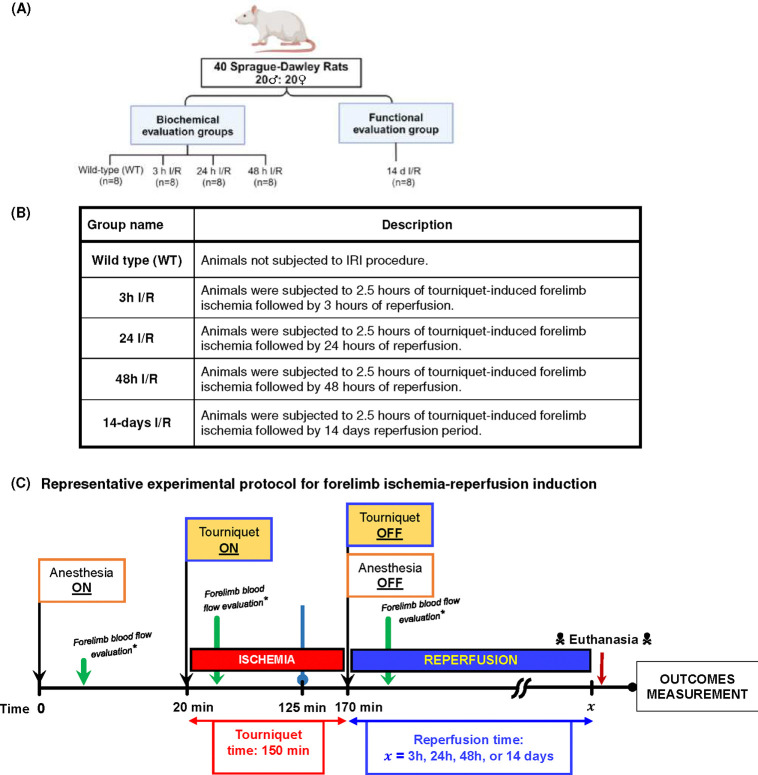 Figure 1
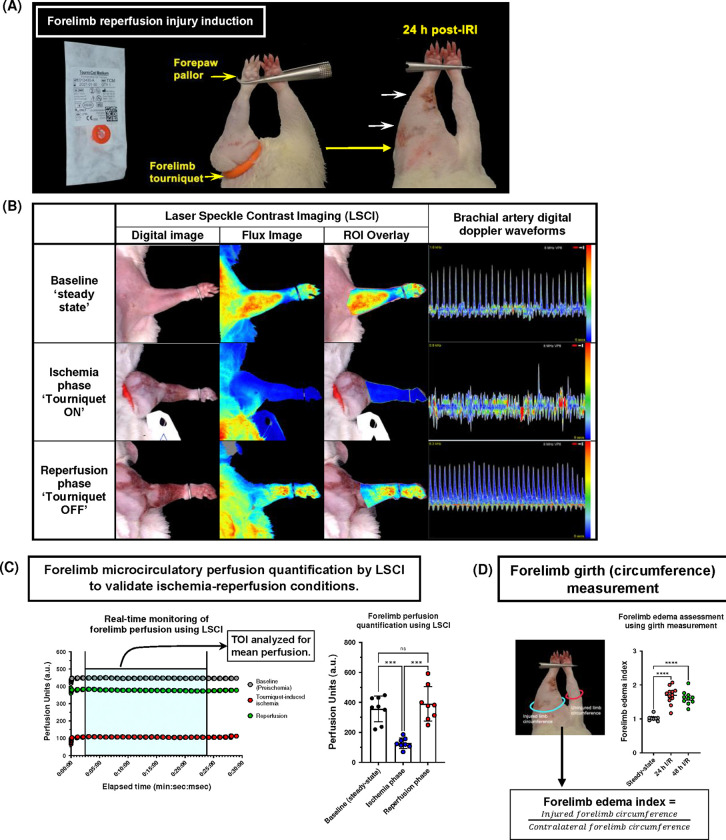 Figure 2
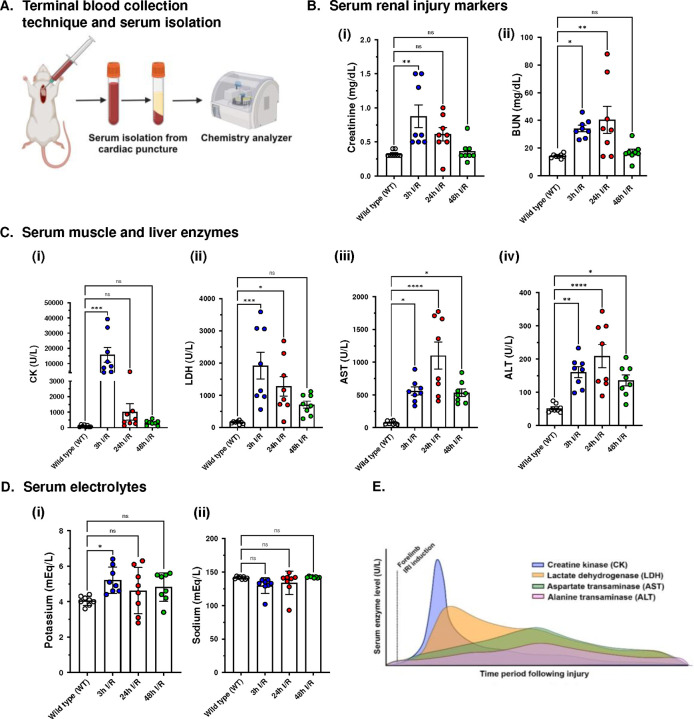 Figure 3
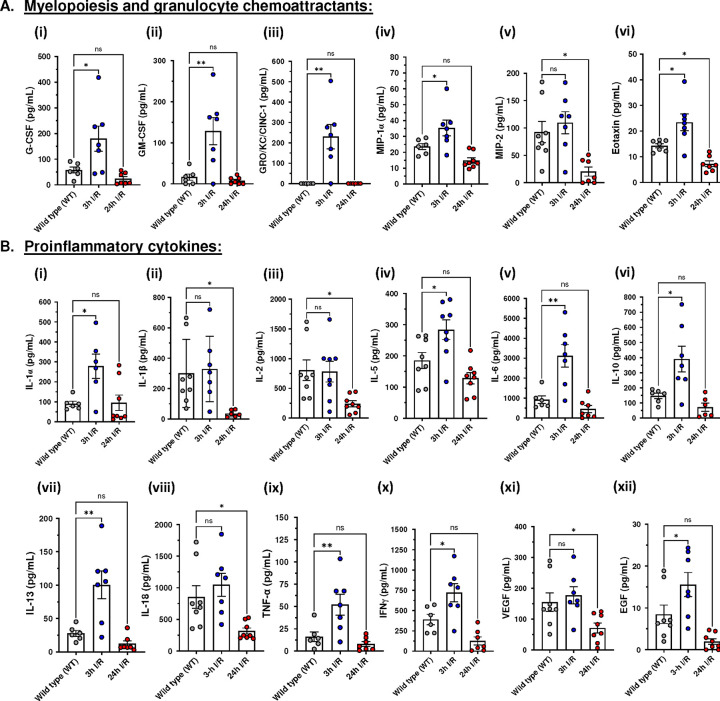 Figure 4
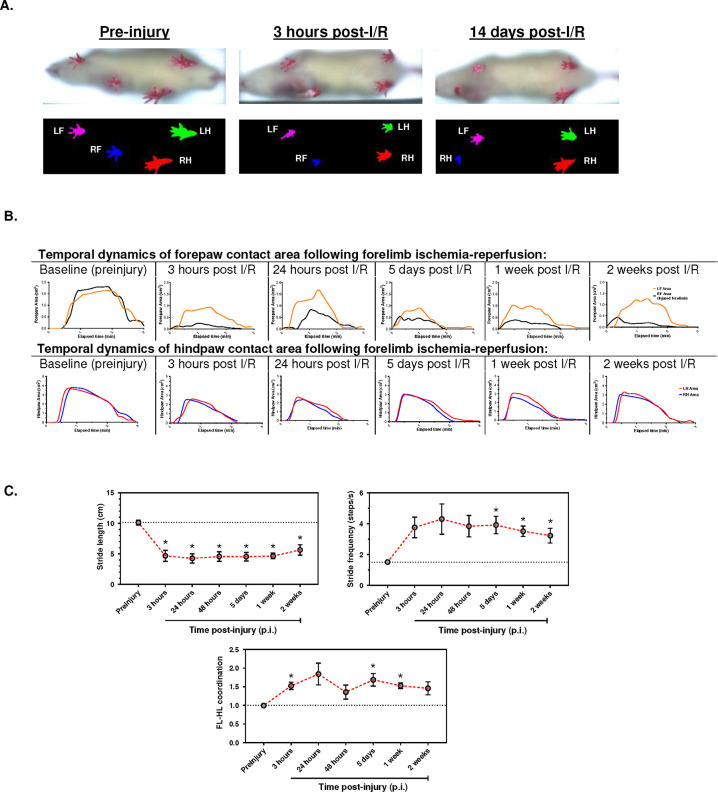 Figure 5
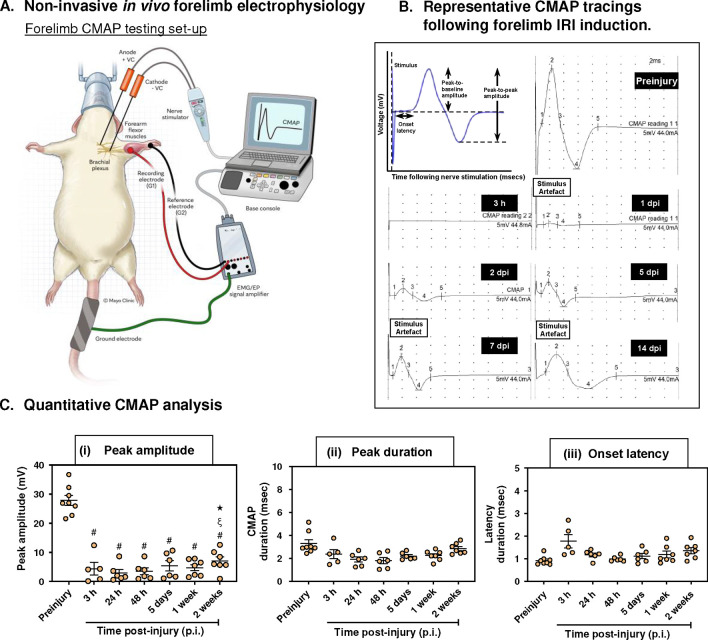 Figure 6
 Figure 7
Peer Reviews
No public reviews on file for this paper yet. If you reviewed it on a platform where reviews are public (OpenReview, ICLR, NeurIPS, ICML), you can paste yours below so the community can read it here.
Videos
No videos yet. Explain this paper in a talk, walkthrough, or lecture? Add one.
Taxonomy
TopicsMuscle and Compartmental Disorders · Neurological and metabolic disorders · Genetic Neurodegenerative Diseases