Microglia regulate nucleus accumbens synaptic development and circuit function underlying threat avoidance behaviors
Michael W. Gongwer, Fanny Etienne, Eric N. Moca, Megan S. Chappell, Sara V. Blagburn-Blanco, Jack P. Riley, Alexander S. Enos, Melody Haratian, Alex Qi, Rocio Rojo, Scott A. Wilke, Clare Pridans, Laura A. DeNardo, Lindsay M. De Biase

TL;DR
Microglia help form synapses in the nucleus accumbens during early development, influencing adult threat avoidance behaviors.
Contribution
This study reveals a novel role for microglia in synapse formation in the nucleus accumbens during early development.
Findings
Microglial absence reduces excitatory synapse formation in the NAc during postnatal weeks 2-3.
Microglia influence presynaptic release probability and postsynaptic kinetics in the NAc.
Lack of microglia leads to lasting effects on threat avoidance behaviors linked to NAc neuronal activity.
Abstract
While CNS microglia have well-established roles in synapse pruning during neurodevelopment, only a few studies have identified roles for microglia in synapse formation. These studies focused on the cortex and primary sensory circuits during restricted developmental time periods, leaving substantial gaps in our understanding of the early developmental functions of microglia. Here we investigated how the absence of microglia impacts synaptic development in the nucleus accumbens (NAc), a region critical for emotional regulation and motivated behaviors and where dysfunction is implicated in psychiatric disorders that arise early in life. Using a genetically modified mouse that lacks microglia (Csf1rΔFIRE/ΔFIRE), we found blunted excitatory synapse formation in the NAc. This effect was most prominent during the second and third postnatal weeks, when we previously found microglia to be…
Genes, proteins, chemicals, diseases, species, mutations and cell lines named across the full text — each resolved to its canonical identifier and authoritative record.
Click any figure to enlarge with its caption.
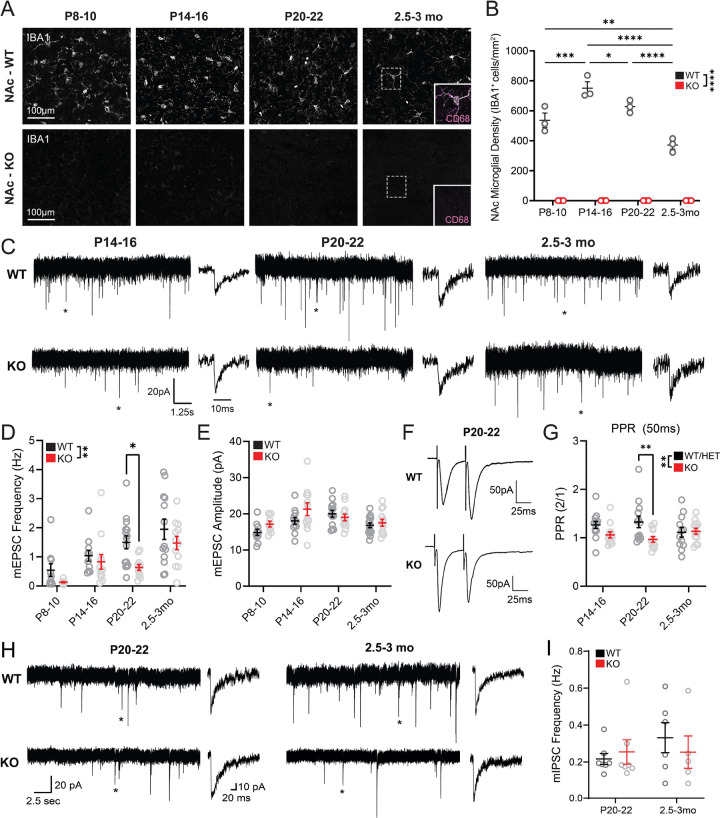 Figure 1
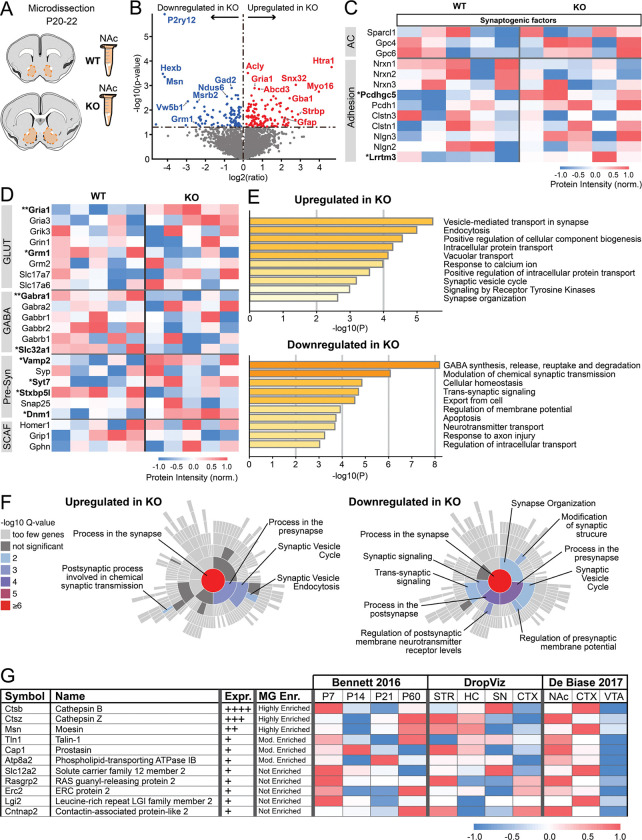 Figure 2
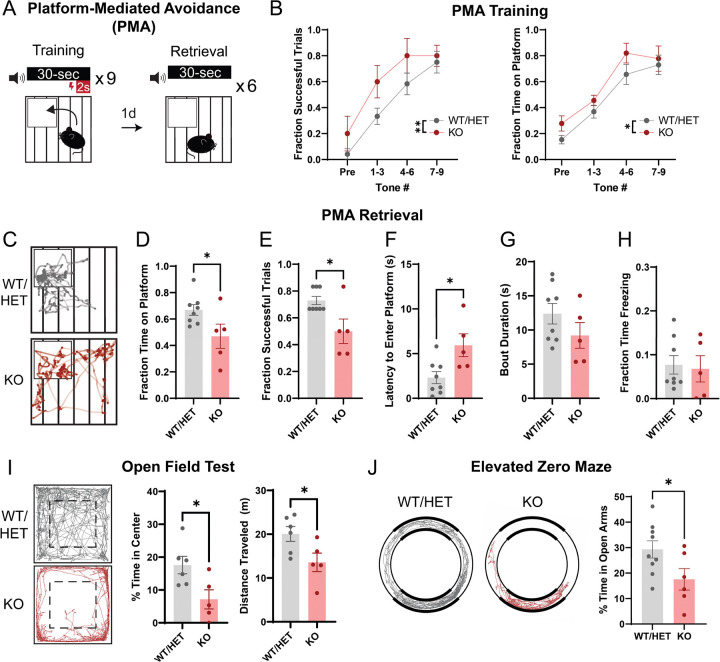 Figure 3
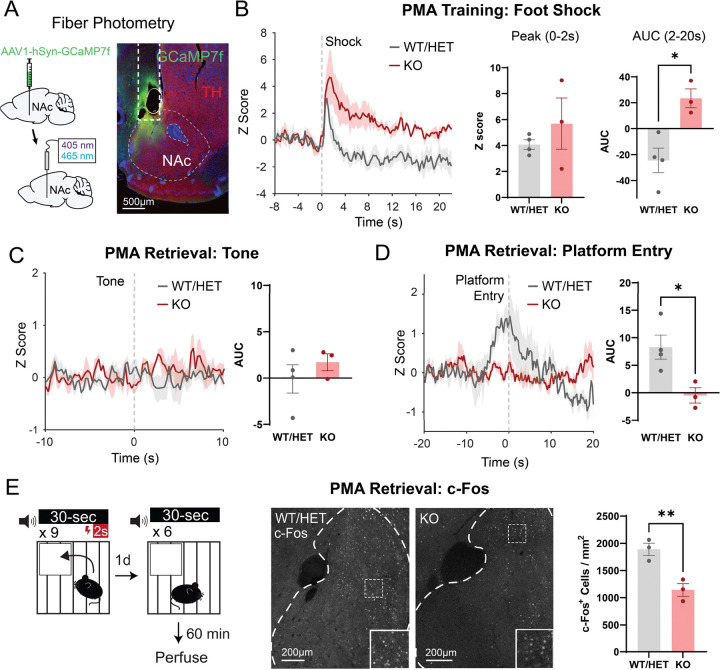 Figure 4
Peer Reviews
No public reviews on file for this paper yet. If you reviewed it on a platform where reviews are public (OpenReview, ICLR, NeurIPS, ICML), you can paste yours below so the community can read it here.
Videos
No videos yet. Explain this paper in a talk, walkthrough, or lecture? Add one.
Taxonomy
TopicsNeuroinflammation and Neurodegeneration Mechanisms · Tryptophan and brain disorders · Neuroscience and Neuropharmacology Research