Bilateral Eagle’s Syndrome: A Case Report
Laliytha K Bijai, Fahad K Almasoudi, Firas Mansour M Almoallem, Rawaf F Alghamdi, Eyad A Assiri, Abdullah S Almedlej, Rahaf Y Mahanshi

TL;DR
A 24-year-old man with persistent headaches was diagnosed with bilateral Eagle’s syndrome, a rare condition causing pain due to elongated styloid processes in the skull.
Contribution
This case report highlights the importance of radiographic imaging in diagnosing bilateral Eagle’s syndrome, which is often missed due to overlapping symptoms.
Findings
The patient was diagnosed with bilateral elongated styloid processes using orthopantomogram and cone-beam computed tomography.
Bilateral Eagle’s syndrome was confirmed through clinical and radiographic evaluation after multiple undiagnosed consultations.
Accurate diagnosis improved the patient's quality of life and emphasized the need for timely detection.
Abstract
Diagnosing a headache can be challenging for a physician and even more difficult for a dentist. Eagle’s syndrome, caused by an abnormal elongation of the styloid process, may result in headaches. Radiographic imaging is crucial for diagnosis. A 24-year-old male came in with pain on the left side of his forehead and neck. Despite numerous consultations with various doctors, a definitive diagnosis was never made. We conducted a thorough examination, followed by an orthopantomogram (OPG) and cone-beam computed tomography (CBCT), which revealed a bilateral elongated styloid process. Consequently, we diagnosed the patient with bilateral Eagle's syndrome based on his history, clinical examination, and radiographic findings. The diagnosis of Eagle’s syndrome is often overlooked due to misleading and overlapping symptoms, leading patients to consult multiple doctors without finding relief from…
Genes, proteins, chemicals, diseases, species, mutations and cell lines named across the full text — each resolved to its canonical identifier and authoritative record.
Click any figure to enlarge with its caption.
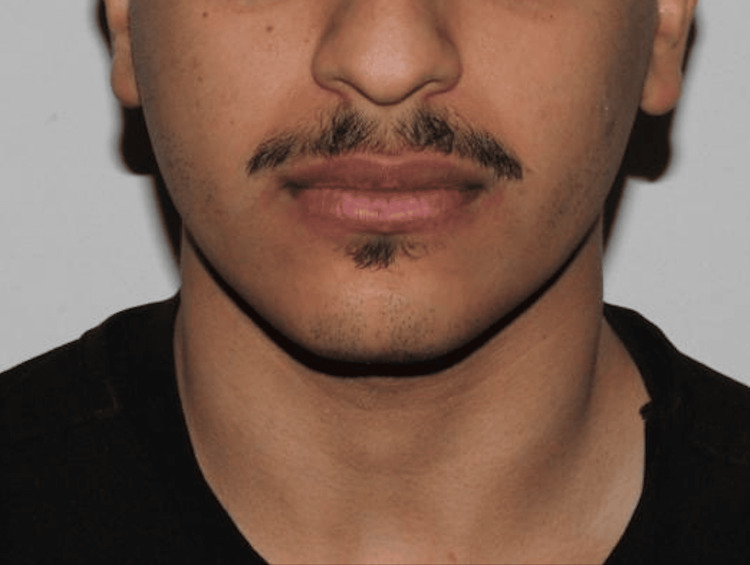 Figure 1
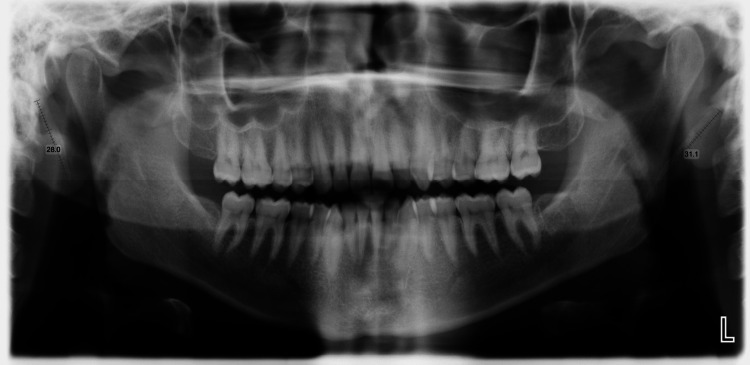 Figure 2
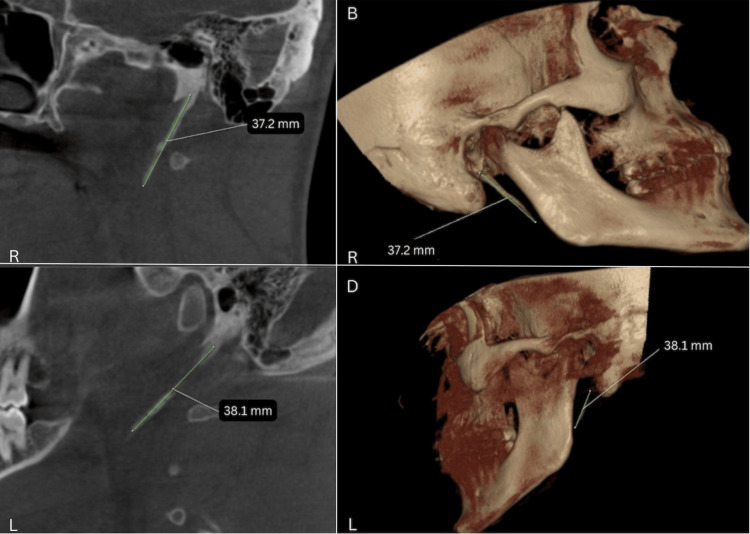 Figure 3
Peer Reviews
No public reviews on file for this paper yet. If you reviewed it on a platform where reviews are public (OpenReview, ICLR, NeurIPS, ICML), you can paste yours below so the community can read it here.
Videos
No videos yet. Explain this paper in a talk, walkthrough, or lecture? Add one.
Taxonomy
TopicsOropharyngeal Anatomy and Pathologies · Linguistic Variation and Morphology