Three-Dimensional (3D) Printing in Surgical Pathology: The Design of a Novel Grossing Tool to Aid Staple Removal in Pulmonary Pathology Excision Specimens
Panagiotis Kousidis, Nikolaos Barbetakis, Demetrios Paliouras, Despoina Masmanidou, Anastasia Nikolaidou

TL;DR
A new 3D-printed tool was designed to help pathologists remove staples from lung specimens more efficiently and with less tissue damage.
Contribution
A novel 3D-printed grossing tool was developed and tested for staple removal in pulmonary pathology specimens.
Findings
The 3D-printed tool improved staple removal time and reduced tissue damage in both tested techniques.
The tool was tested on synthetic sponges simulating lung tissue and showed consistent performance improvements.
The design and implementation of the tool highlight the potential of 3D printing in medical practice and education.
Abstract
Pathologists or laboratory technicians who perform a gross examination of lung specimens may, under the pressure of performing a frozen section or in a less urgent setting when selecting permanent sections, encounter a specimen with a lesion close to a stapled surgical margin. Performing a perpendicular section from the lesion to the closest surgical margin is often necessary, and the technique of shaving the staple line from the specimen before sectioning may yield suboptimal results in margin assessment. It is widely accepted that staple removal is a tedious task, both time-consuming and, more importantly, with a high risk of damaging the stapled tissue and causing difficulty in its precise microscopic evaluation. With regard to three-dimensional (3D) printing, the emergence of software for 3D design, with easy-to-learn interfaces, available at no monetary cost, as well as the ability…
Genes, proteins, chemicals, diseases, species, mutations and cell lines named across the full text — each resolved to its canonical identifier and authoritative record.
Click any figure to enlarge with its caption.
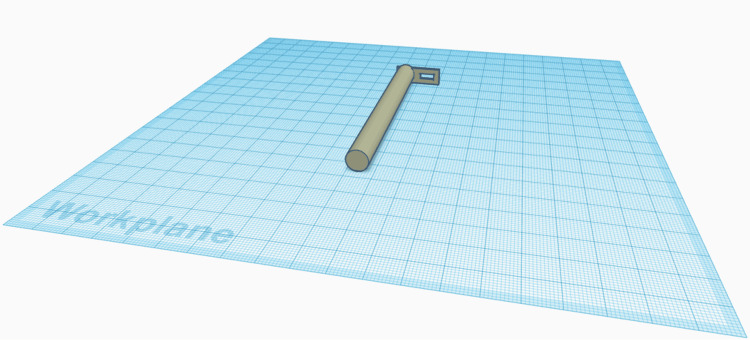 Figure 1
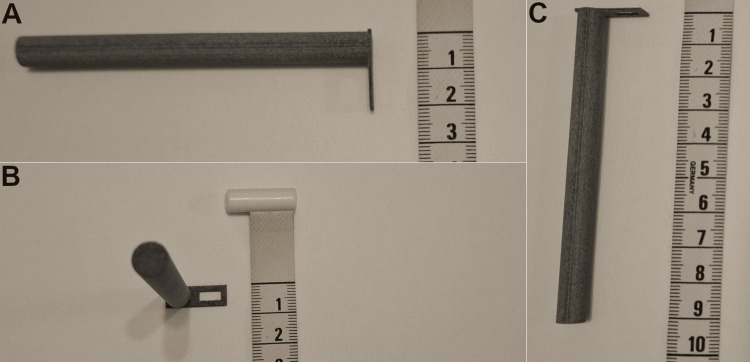 Figure 2
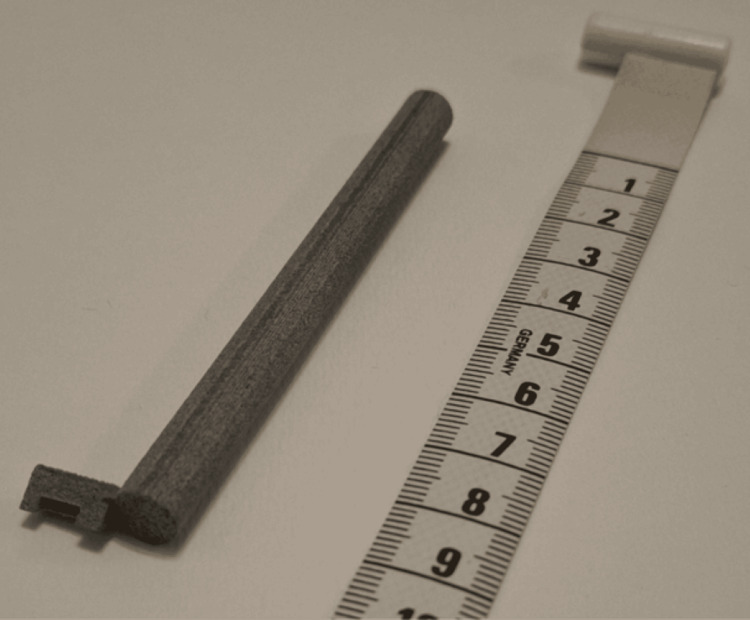 Figure 3
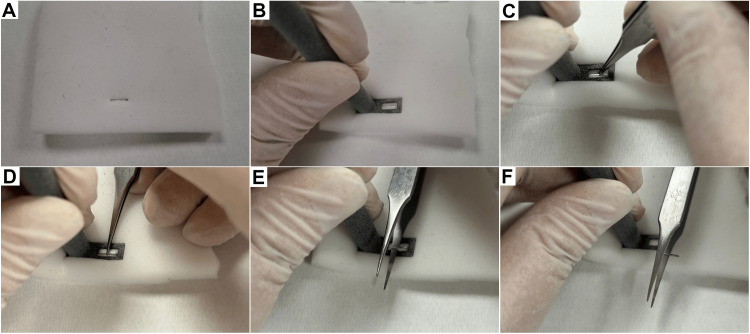 Figure 4
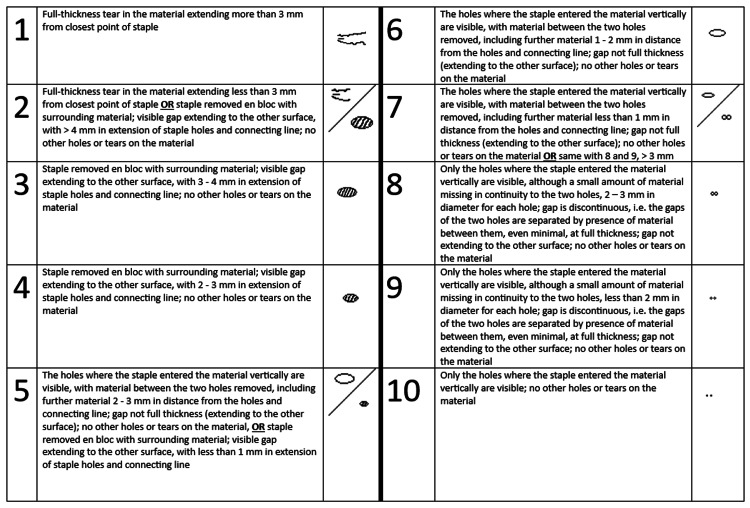 Figure 5
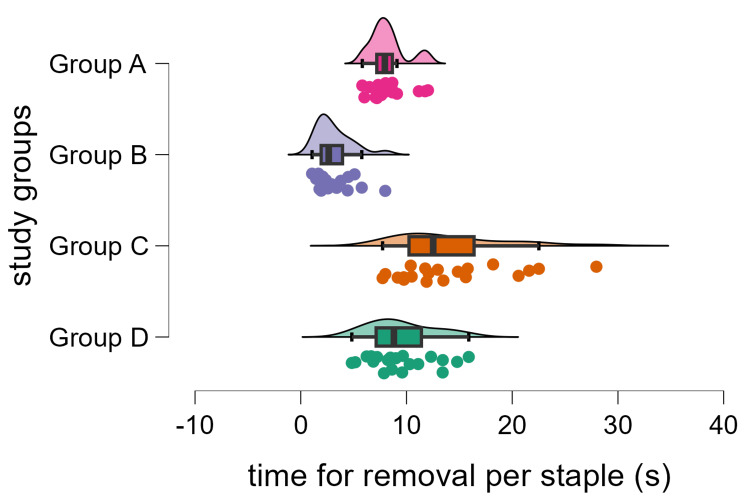 Figure 6
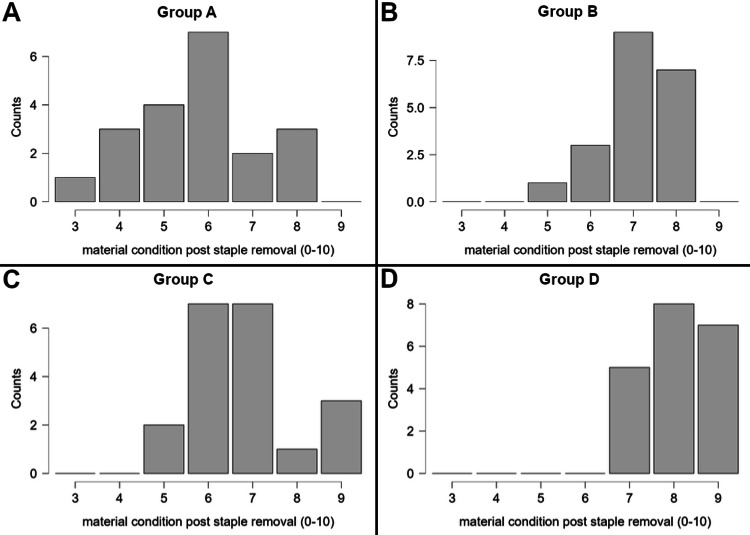 Figure 7
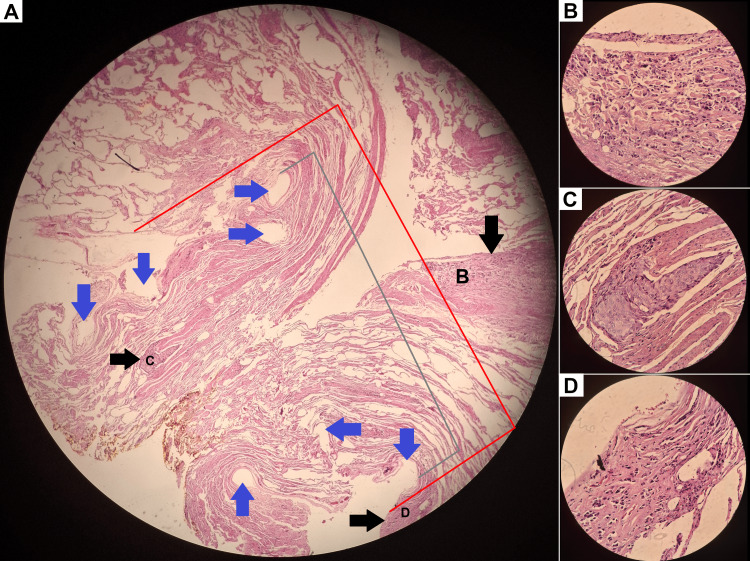 Figure 8
Peer Reviews
No public reviews on file for this paper yet. If you reviewed it on a platform where reviews are public (OpenReview, ICLR, NeurIPS, ICML), you can paste yours below so the community can read it here.
Videos
No videos yet. Explain this paper in a talk, walkthrough, or lecture? Add one.
Taxonomy
TopicsAnatomy and Medical Technology · Surgical Simulation and Training · Digital Imaging in Medicine