Hysterosalpingography and Endocervical Microbial Assessment of Infertile Women in Ogun State, Nigeria
Abiola O Adekoya, Adeniyi K Akiseku, Deboral A Osisanwo, Austin C Egwuogu, Damilola O Egbetayo, Ayodeji A Olatunji

TL;DR
This study examines the causes of infertility in Nigerian women, finding that tubal blockage and infections are common issues linked to age and duration of infertility.
Contribution
The study provides new insights into the prevalence of tubal and uterine pathologies and genital tract infections among infertile women in Nigeria.
Findings
Tubal pathology was the most common issue, with tubal blockage at 82.5% and hydrosalpinx at 17.5%.
Older women with tubal pathology were 2.01 times more likely to be infertile than younger women.
Genital tract microbial infections were found in 33.9% of high vaginal and 22.2% of endocervical swabs.
Abstract
Infertility is a global health issue with varying etiology. This study determined the prevalence and pattern of tubal and uterine pathologies with genital tract microbial infection among infertile women in Ogun State, Nigeria. A cross-sectional study was conducted in a year among 230 infertile women aged 20 years and above scheduled for hysterosalpingography (HSG). Samples for high vaginal and endocervical swabs were analyzed as part of the study. The mean age was 34.65 (6.18) years, and the age group 30 – 39 years had the highest frequency of infertility. The mean duration of infertility was 4.93 (3.88) years, and secondary infertility (77.8%) was higher than primary infertility (22.2%). Tubal pathology was the most common (36.1%), followed by uterine pathology (30.0%), where the tubal blockage was 82.5% and hydrosalpinx was 17.5%. There were 57 (54.8%) and 47 (45.2%) patients with…
Genes, proteins, chemicals, diseases, species, mutations and cell lines named across the full text — each resolved to its canonical identifier and authoritative record.
Click any figure to enlarge with its caption.
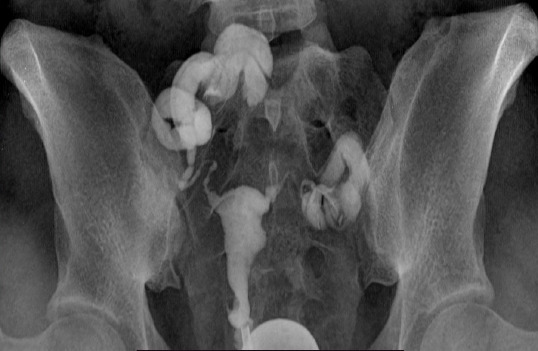 Figure 1
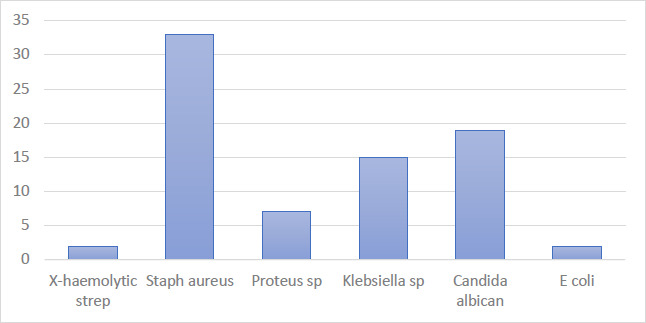 Figure 2
Peer Reviews
No public reviews on file for this paper yet. If you reviewed it on a platform where reviews are public (OpenReview, ICLR, NeurIPS, ICML), you can paste yours below so the community can read it here.
Videos
No videos yet. Explain this paper in a talk, walkthrough, or lecture? Add one.
Taxonomy
TopicsGynecological conditions and treatments