In vivo Antimalarial and Liver Function Profiles of Methanol Extract of Salvia officinalis (Common Sage) Leaf in Plasmodium berghei-Infected Mice
Azukaego Thomas Hughs Mokogwu, Kingsley Chukwuka Amaihunwa, Collins O Adjekuko, Enekabokom Nwoke Ekene, Edith Omozefe Okoro, Oyebola G Adeosun, Godwin O Avwioro

TL;DR
This study shows that an extract from Common Sage leaves has antimalarial effects in mice and does not significantly harm liver function.
Contribution
The study demonstrates the in vivo antimalarial potential and liver safety of Salvia officinalis methanol extract in a Plasmodium berghei mouse model.
Findings
The extract showed dose-dependent antimalarial effects with up to 66.80% parasite suppression at 1000mg/kg.
The extract demonstrated significant chemo-suppressive and prophylactic effects against Plasmodium berghei.
Liver function tests showed no significant adverse effects at lower doses, with only minor changes at the highest dose.
Abstract
Salvia officinalis (Common Sage) plant, is used as herbal medicine. The study was aimed at investigating the antimalarial potential and liver function profiles of the Methanol Extract of Salvia officinalis. Mice infected with Plasmodium berghei were treated (p.o) with the extract in the curative, suppressive, and prophylactic antimalarial models at doses of 250mg/kg, 500mg/kg, and 1000mg/kg. The positive control drug used was artemether/lumefantrine (7mg/kg A/L) while the negative control was 10mk/kg of Tween 80. The curative stage showed a significant (p < 0.001) dose-dependent antiplasmodial effect (of the methanol extract of S. officinalis leaf) compared with the negative control (Group 1). At doses of 250, 500, and 1000mg/kg, the Salvia officinalis extract produced parasite suppression of 37.13%, 57.18% and 66.80% respectively. While the positive control group produced parasite…
Genes, proteins, chemicals, diseases, species, mutations and cell lines named across the full text — each resolved to its canonical identifier and authoritative record.
Click any figure to enlarge with its caption.
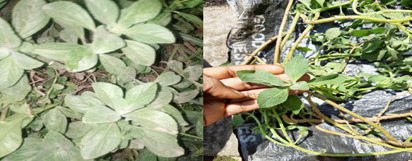 Figure 1
Peer Reviews
No public reviews on file for this paper yet. If you reviewed it on a platform where reviews are public (OpenReview, ICLR, NeurIPS, ICML), you can paste yours below so the community can read it here.
Videos
No videos yet. Explain this paper in a talk, walkthrough, or lecture? Add one.
Taxonomy
TopicsDrug-Induced Hepatotoxicity and Protection · Computational Drug Discovery Methods · Pharmacological Effects of Natural Compounds