Comprehensive molecular analysis of 26 newly established human pancreatic ductal adenocarcinoma cell lines reveals two clusters with variating drug sensitivities
Ju Eun Maeng, Jae-Hyeon Kim, Soon-Chan Kim, Won-Gun Yun, Wooil Kwon, Youngmin Han, Do-Youn Oh, Sang Hyub Lee, Jin-Young Jang, Ja-Lok Ku

TL;DR
Researchers analyzed 26 new pancreatic cancer cell lines and found two clusters with different drug responses, which could help improve cancer treatment strategies.
Contribution
The study identifies two distinct transcriptomic clusters in pancreatic cancer cell lines with differing drug sensitivities.
Findings
Two clusters (C1 and C2) were identified with drug responses resembling 'Basal-like' and 'Classical' pancreatic cancer subtypes.
Cluster C2 showed greater sensitivity to anti-cancer drugs compared to cluster C1.
Drug responses were linked to transcriptomic features rather than specific targeted drug effects.
Abstract
Pancreatic ductal adenocarcinoma (PDAC) is a malignant form of cancer with the worst survival rate and an extremely low rate of response to treatments. The development and molecular characterization of pancreatic cancer cell lines (PCCLs) are essential for studying the biology of highly aggressive pancreatic adenocarcinoma. We applied whole exome sequencing (WES) and RNA-seq to identify molecular characteristics of 26 newly established PCCLs. Eighteen clinically relevant anti-cancer drugs were used to assess highly heterogeneous drug responses across the 26 cell lines. We confirmed that common driver mutations of PDAC were well retained in our cell lines through WES analysis. Transcriptomic analysis identified two representative clusters that correlated with responses to certain drugs. By using Moffitt’s classification method, the two clusters, C1 and C2, showed comparable expression…
Genes, proteins, chemicals, diseases, species, mutations and cell lines named across the full text — each resolved to its canonical identifier and authoritative record.
Click any figure to enlarge with its caption.
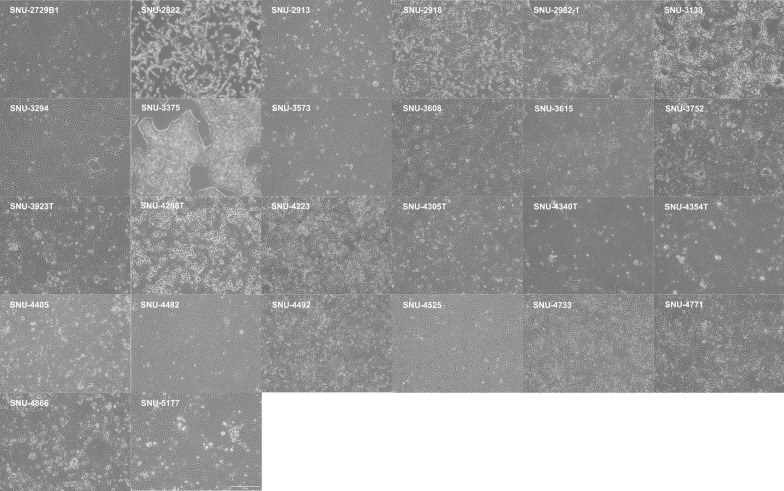 Figure 1
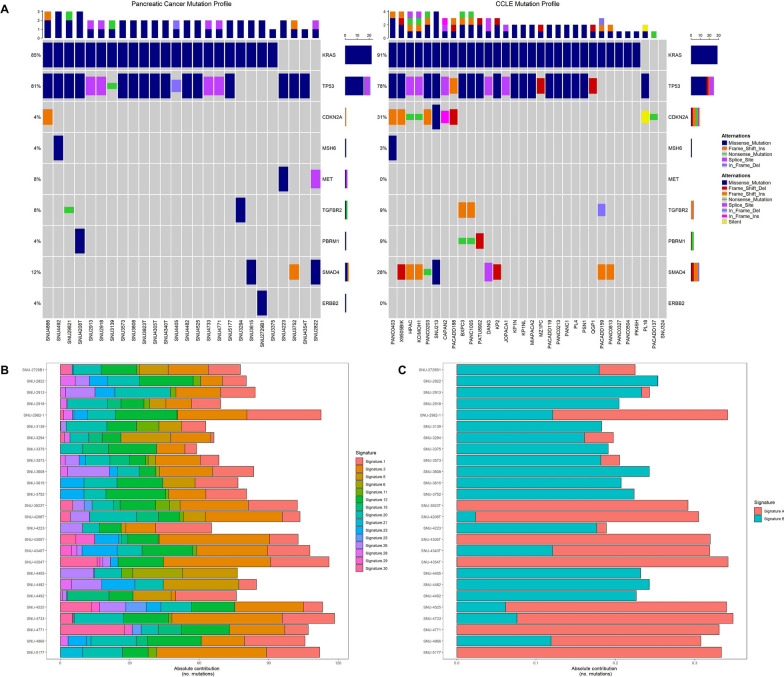 Figure 2
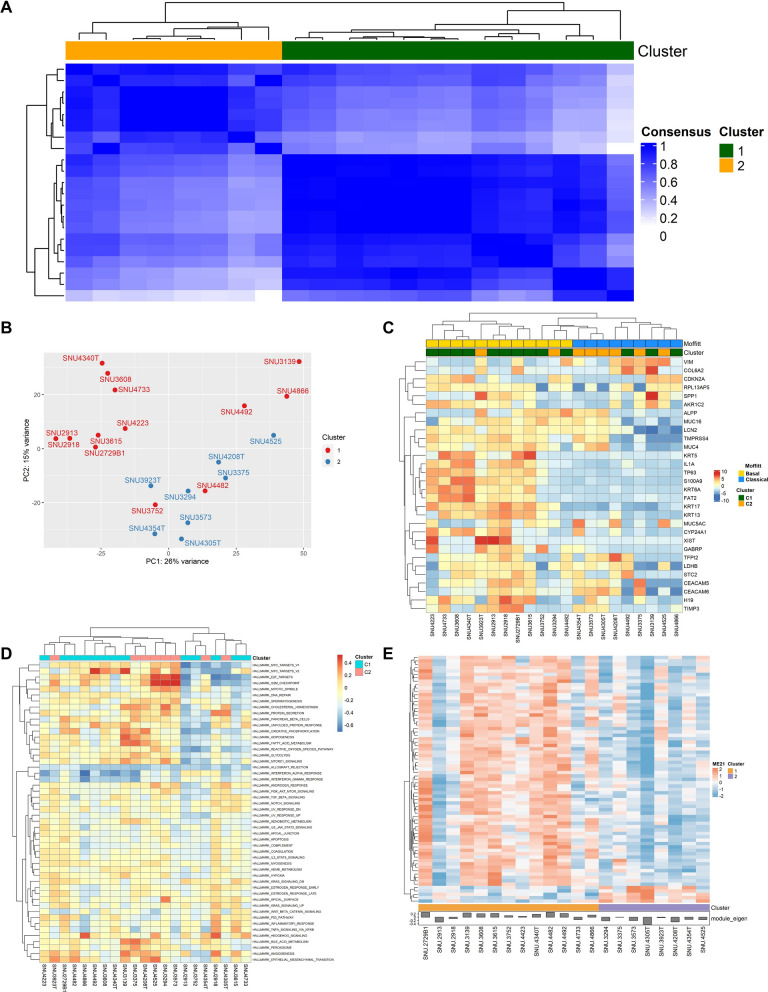 Figure 3
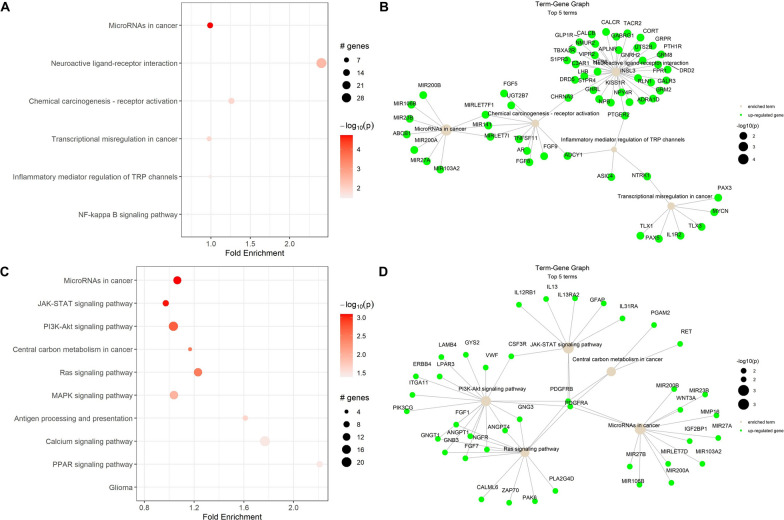 Figure 4
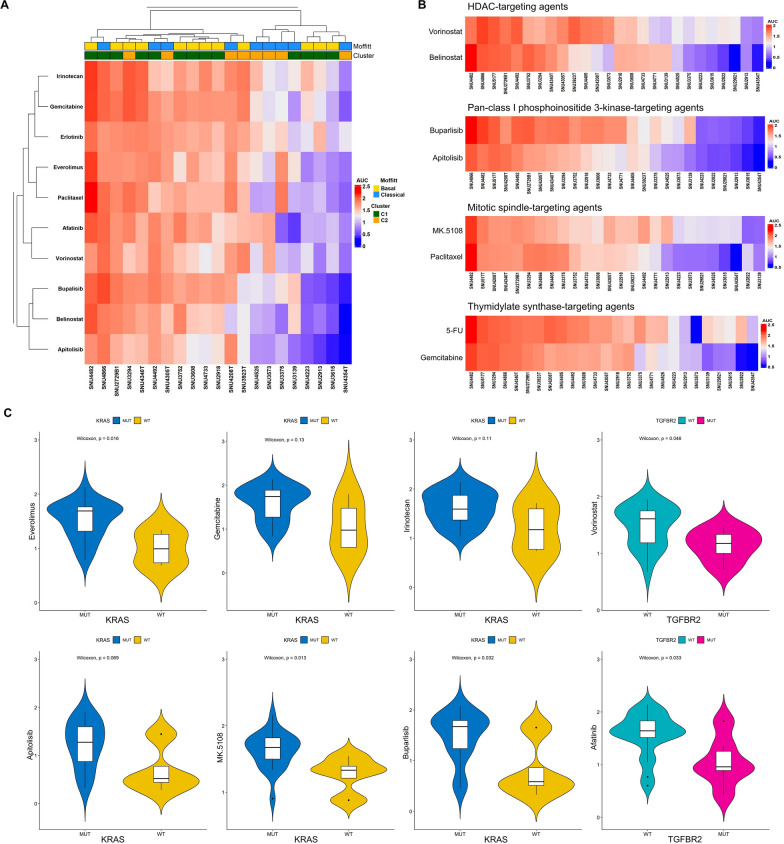 Figure 5
 Figure 6
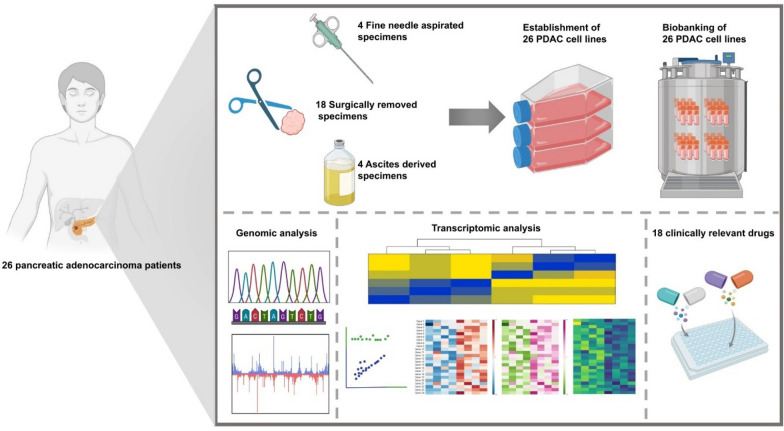 Figure 7
 Figure 8
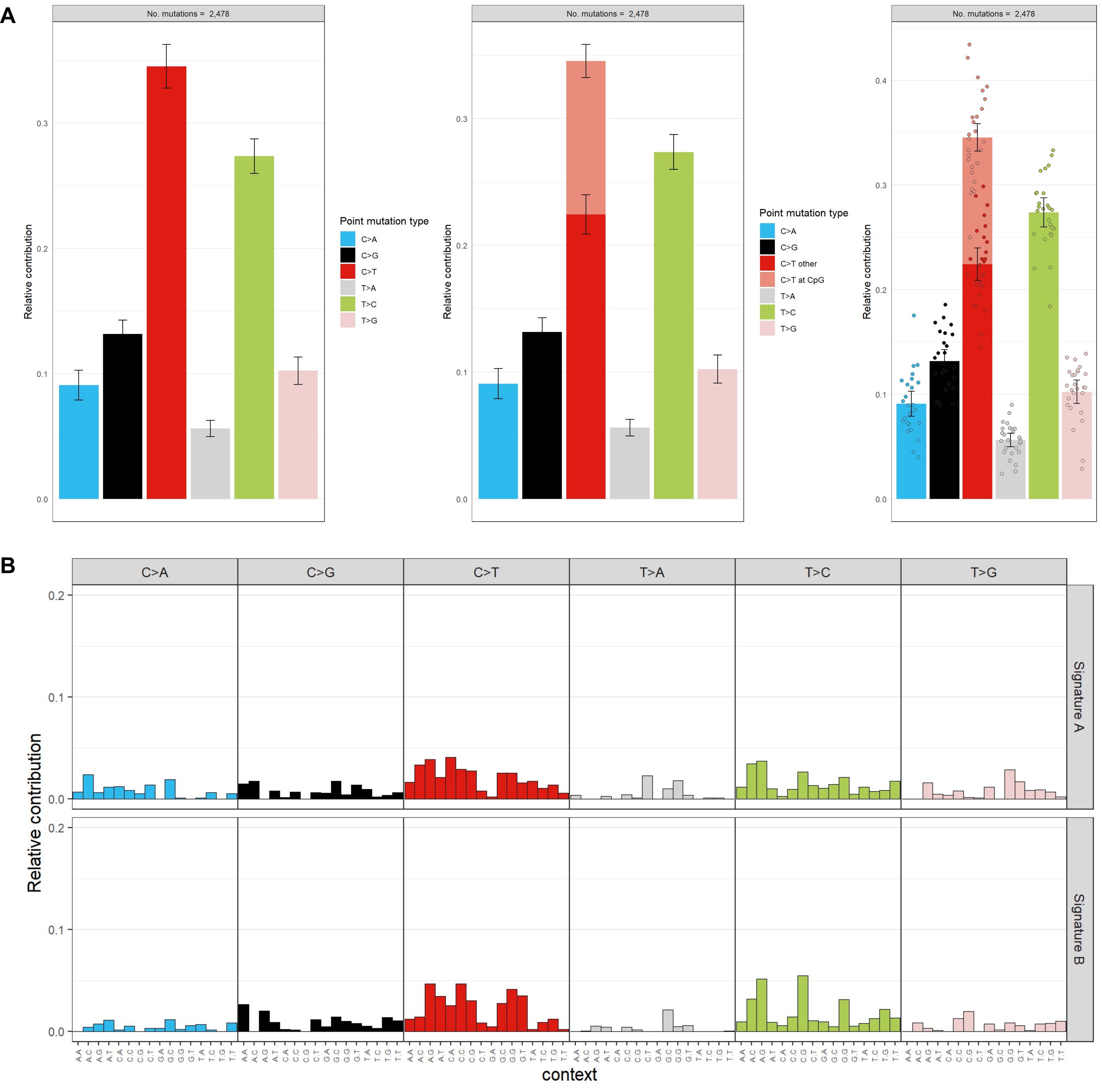 Figure 9
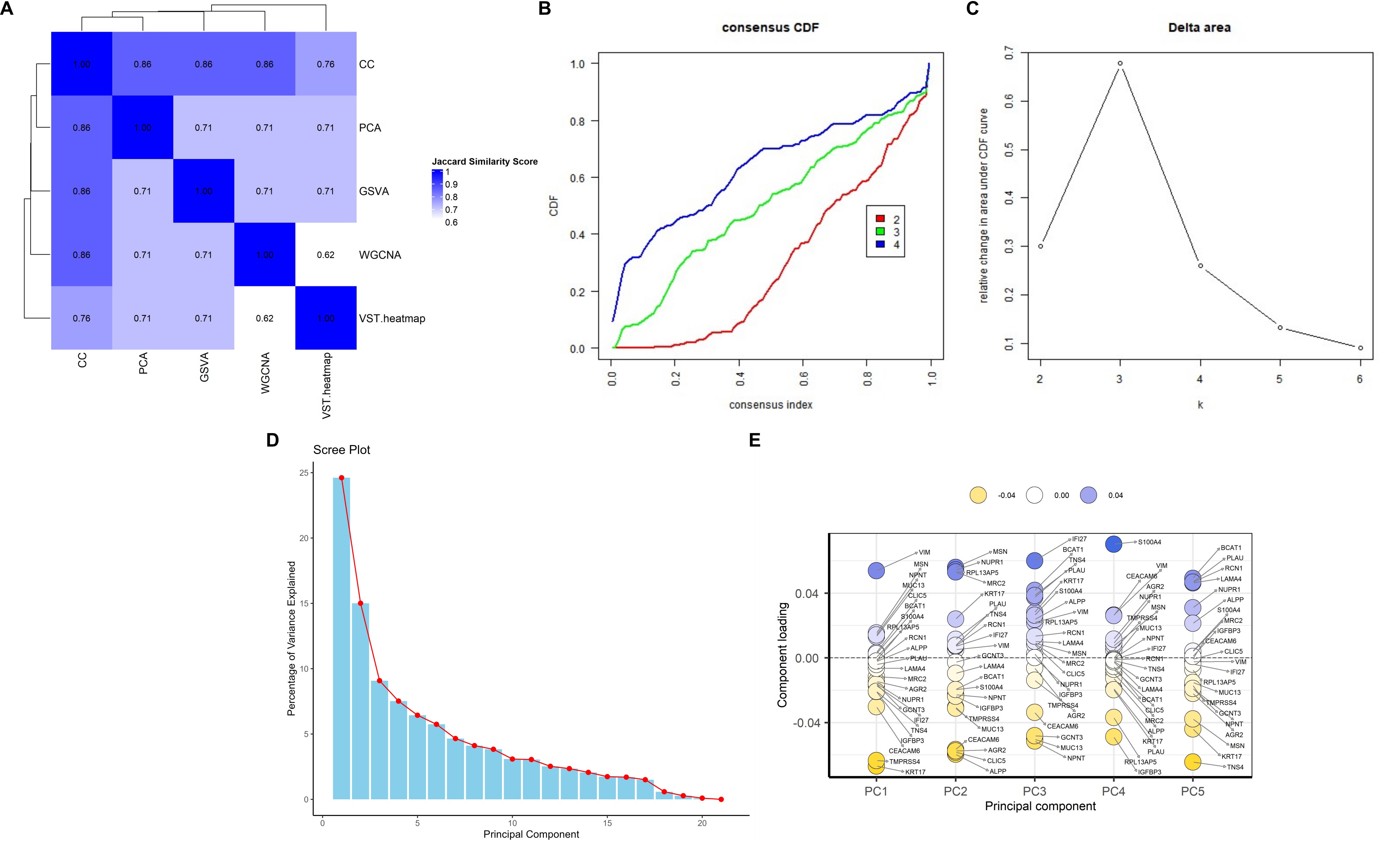 Figure 10
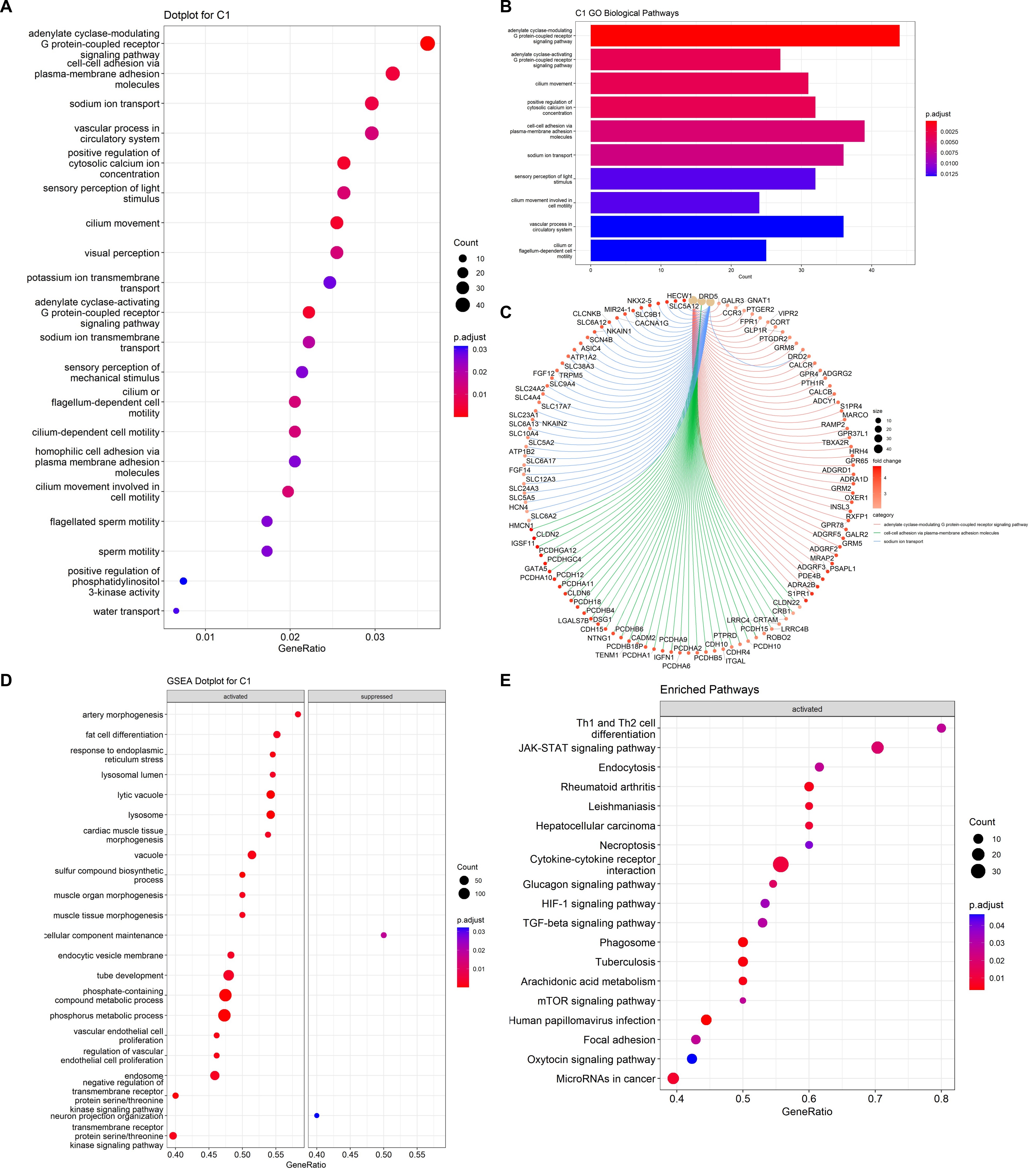 Figure 11
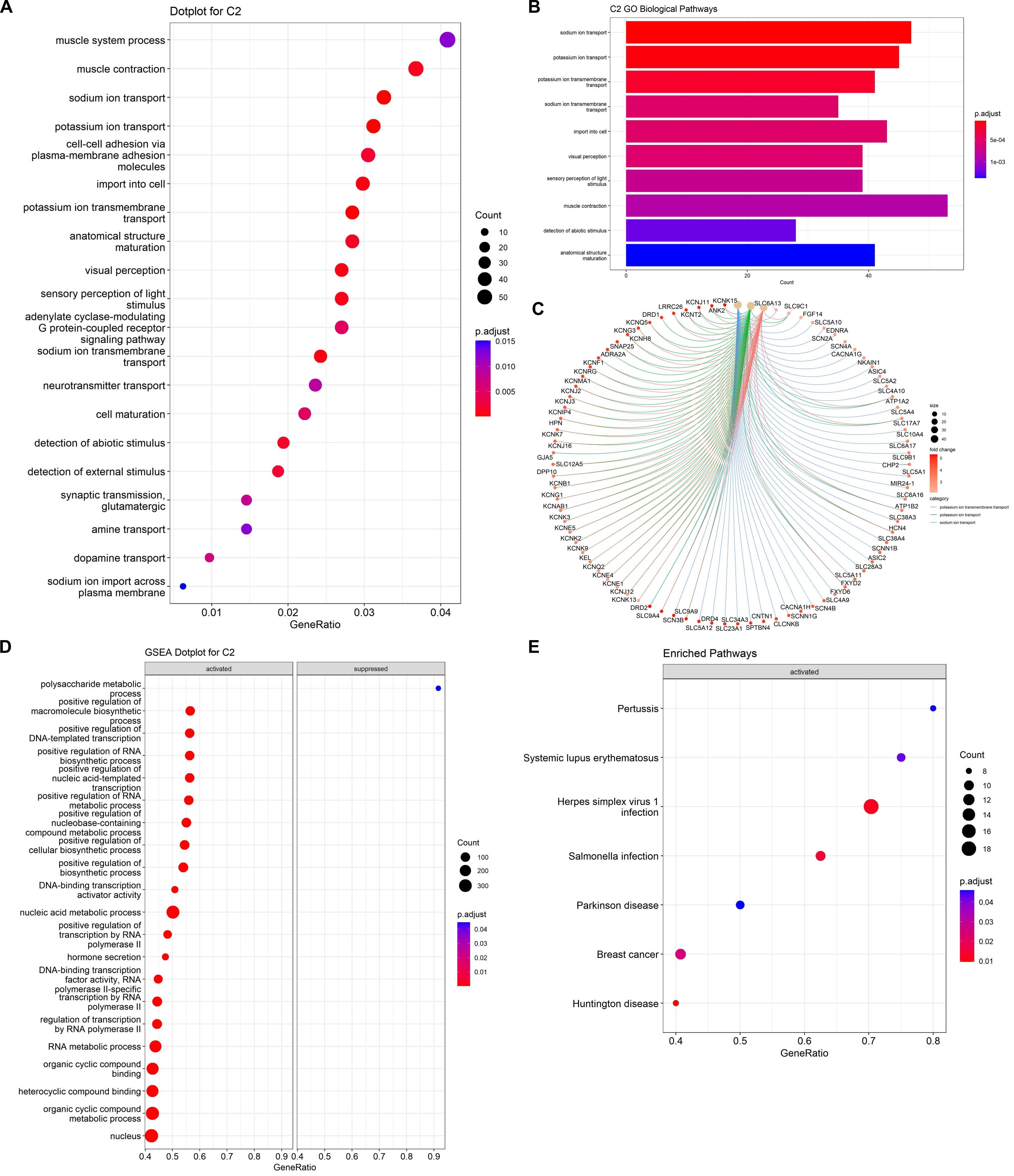 Figure 12
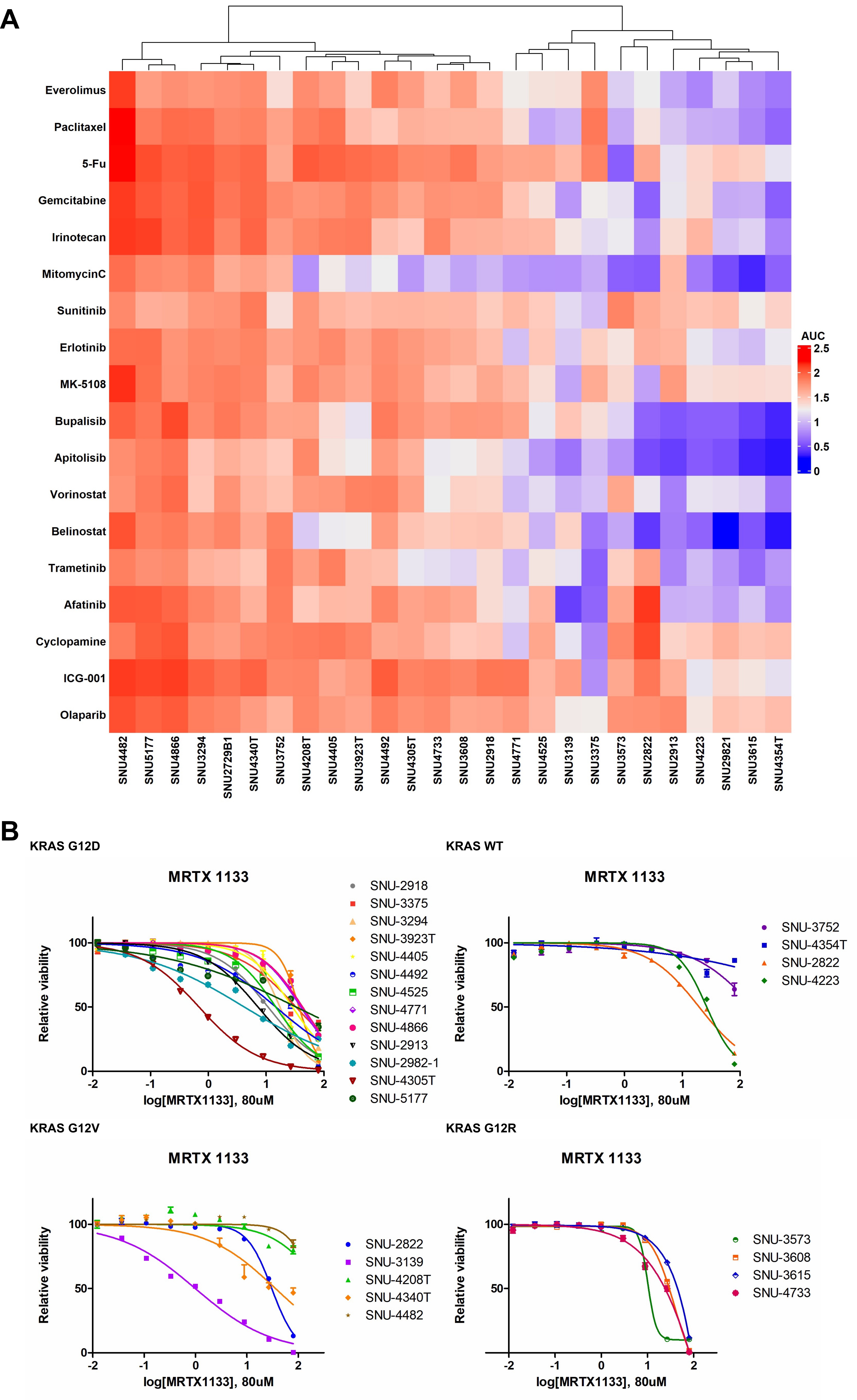 Figure 13
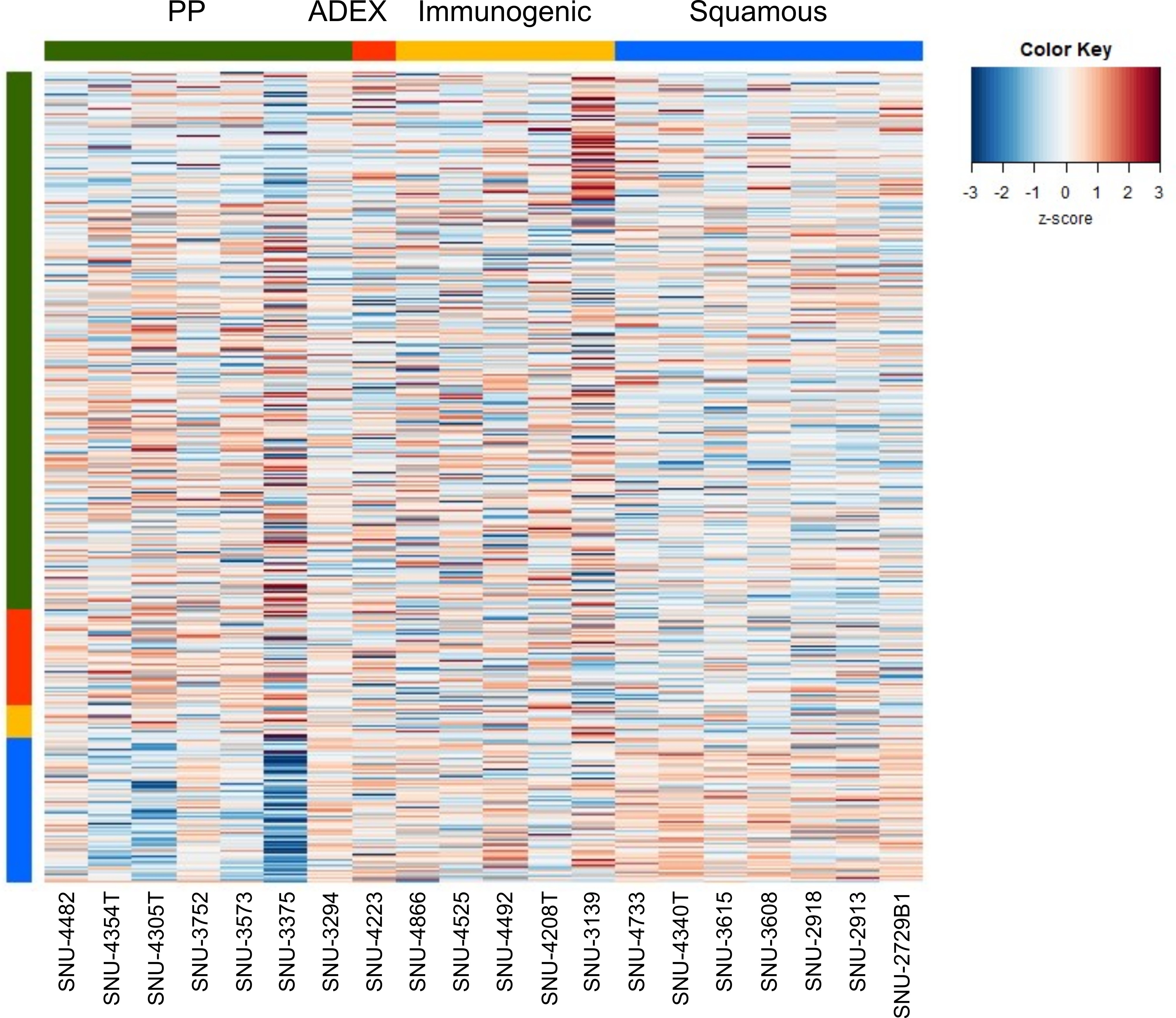 Figure 14
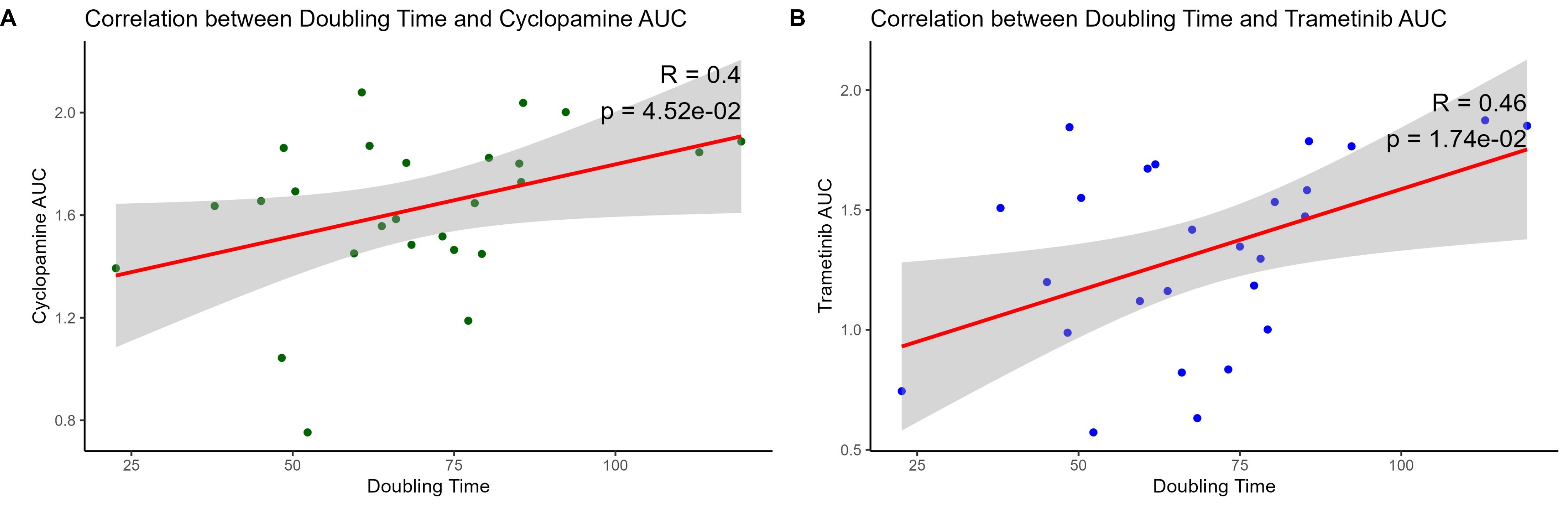 Figure 15
Peer Reviews
No public reviews on file for this paper yet. If you reviewed it on a platform where reviews are public (OpenReview, ICLR, NeurIPS, ICML), you can paste yours below so the community can read it here.
Videos
No videos yet. Explain this paper in a talk, walkthrough, or lecture? Add one.
Taxonomy
TopicsPancreatic and Hepatic Oncology Research · Cancer Genomics and Diagnostics · Cancer Cells and Metastasis