Methylation of foreign DNA overcomes the restriction barrier of Flavobacterium psychrophilum and allows efficient genetic manipulation
Seada Sloboda, Xinwei Ge, Daqing Jiang, Lin Su, Gregory D. Wiens, Carly A. Beveridge, Eric Duchaud, Mark J. McBride, Tatiana Rochat, Yongtao Zhu

TL;DR
Researchers found that methylating foreign DNA allows genetic manipulation of Flavobacterium psychrophilum, a bacteria causing disease in fish, which could help develop better control strategies.
Contribution
A pre-methylation system using F. psychrophilum methyltransferases enables efficient genetic modification of previously intractable strains.
Findings
Methyltransferases M.FpsJI and M.FpsJVI protect foreign DNA from restriction enzymes in F. psychrophilum.
Deleting restriction enzyme genes allowed successful DNA transfer into genetically resistant F. psychrophilum strains.
A gldN gene deletion mutant was created, which failed to cause disease in rainbow trout.
Abstract
Flavobacterium psychrophilum causes bacterial cold-water disease (BCWD) in salmonids and other fish, resulting in substantial economic losses in aquaculture worldwide. The mechanisms F. psychrophilum uses to cause disease are poorly understood. Despite considerable effort, most strains of F. psychrophilum have resisted attempts at genetic manipulation. F. psychrophilum restriction-modification (R-M) systems may contribute to this resistance. Restriction endonucleases (REases) rapidly degrade nonself DNA if it is not properly methylated by their cognate DNA methyltransferases (MTases). We used comparative genomics to show that R-M systems are abundant in F. psychrophilum and that strain-specific variations partially align with phylogeny. We identified two critical type II R-M systems, HpaII-like (FpsJI) and ScrFI-like (FpsJVI), that are conserved in most of the sequenced strains.…
Genes, proteins, chemicals, diseases, species, mutations and cell lines named across the full text — each resolved to its canonical identifier and authoritative record.
Click any figure to enlarge with its caption.
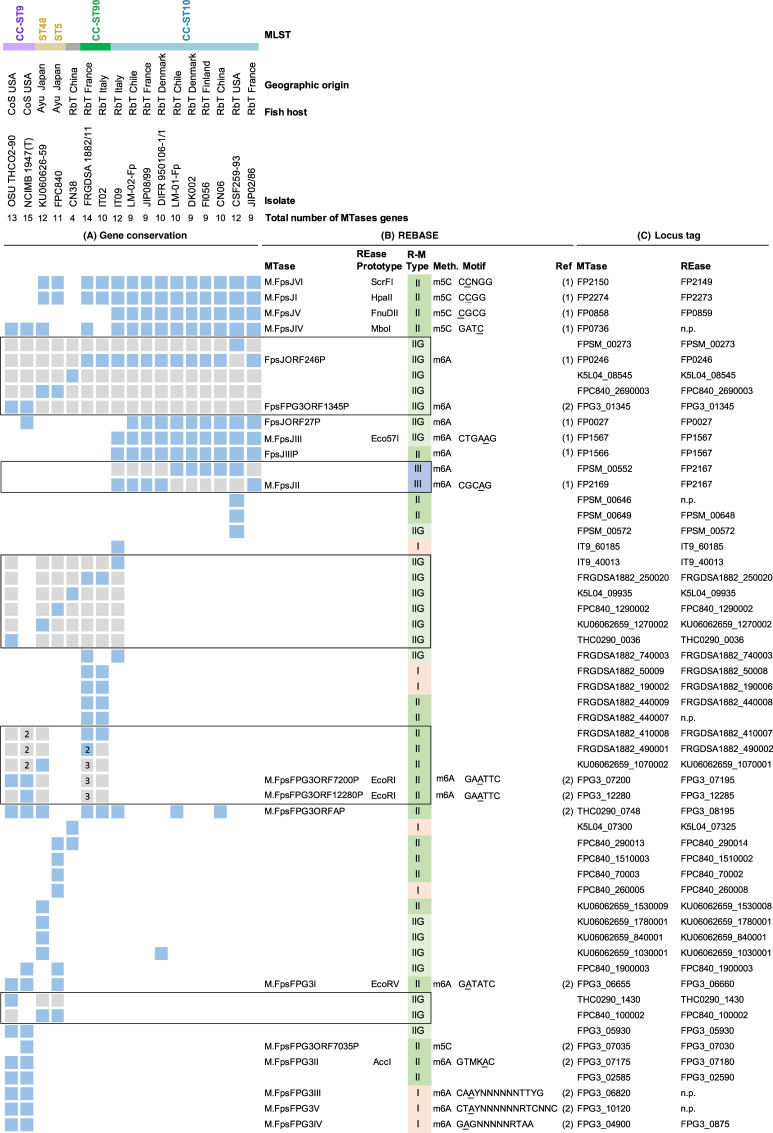 Figure 1
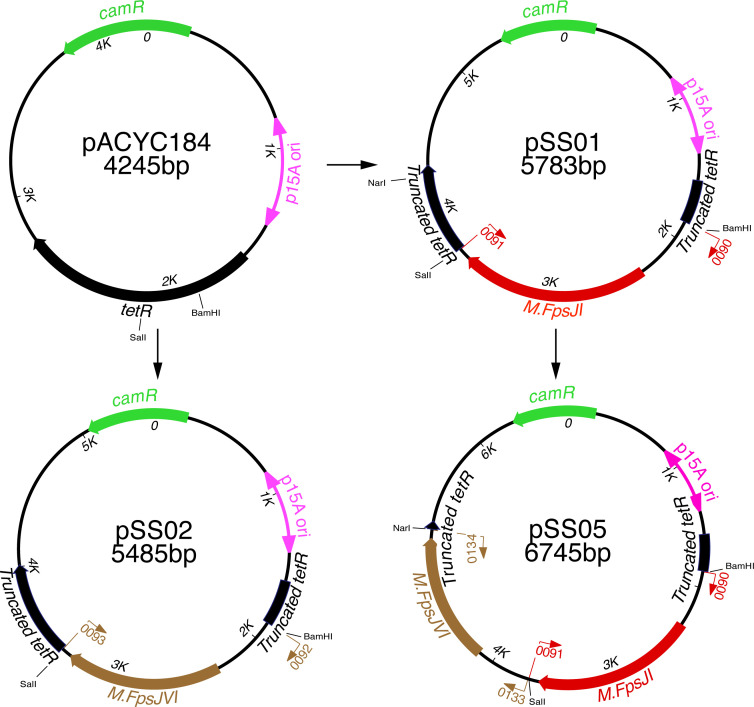 Figure 2
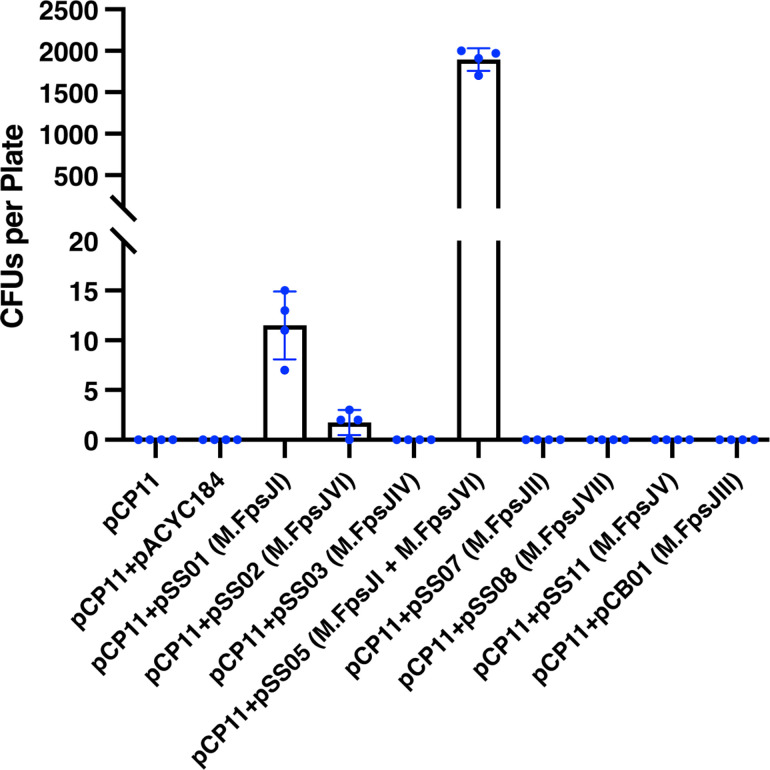 Figure 3
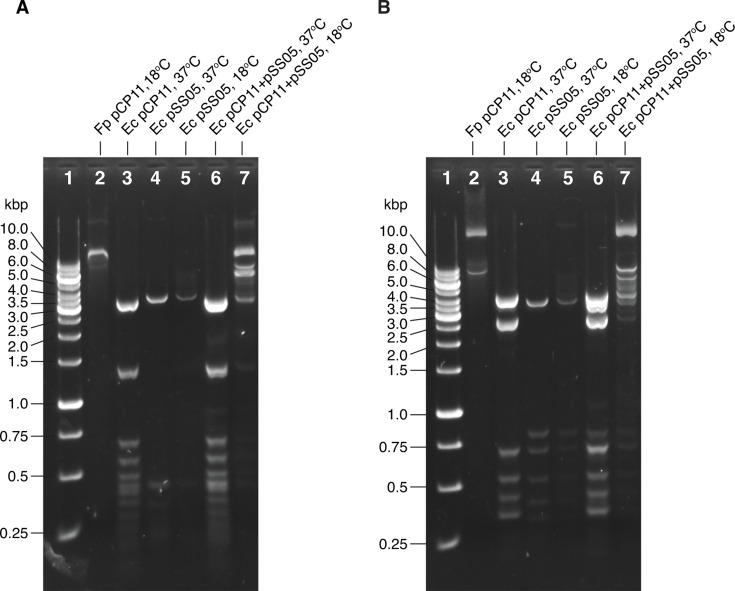 Figure 4
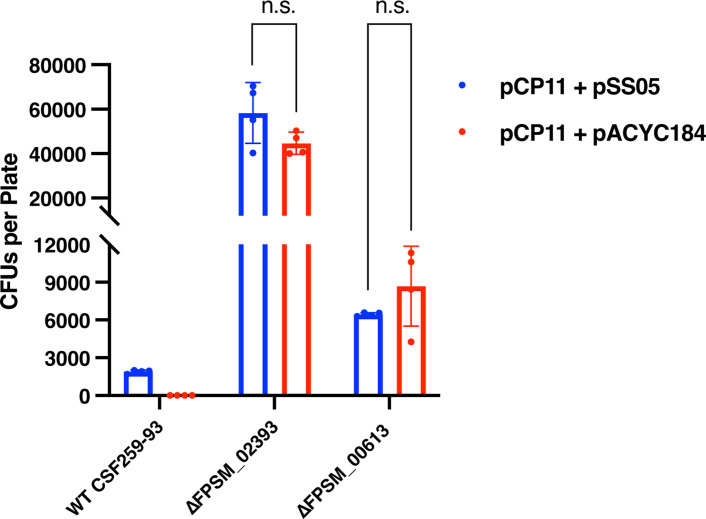 Figure 5
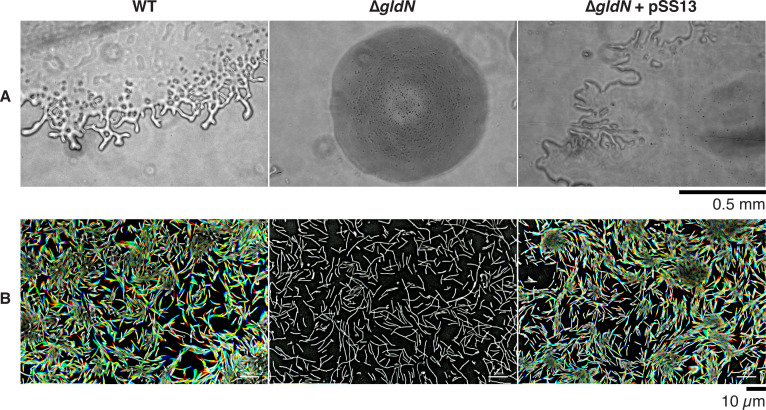 Figure 6
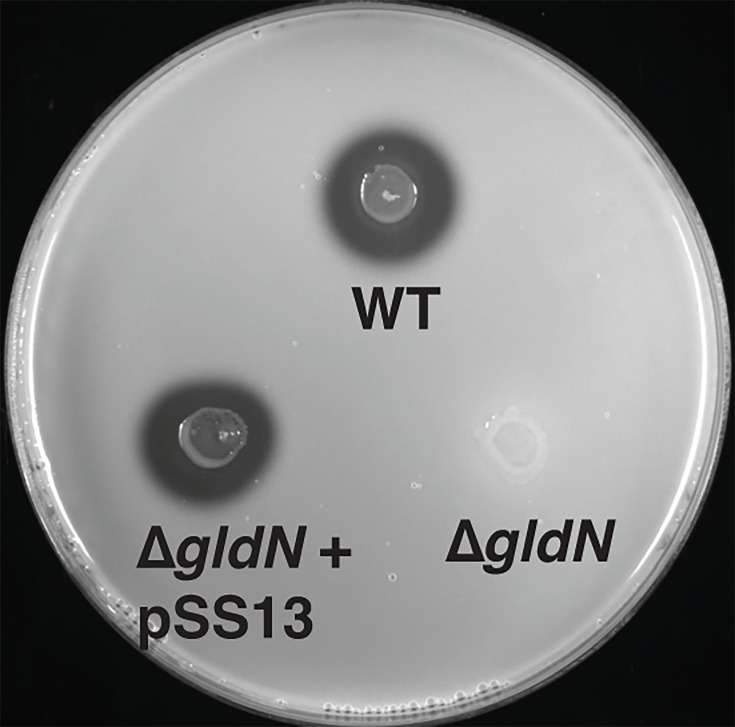 Figure 7
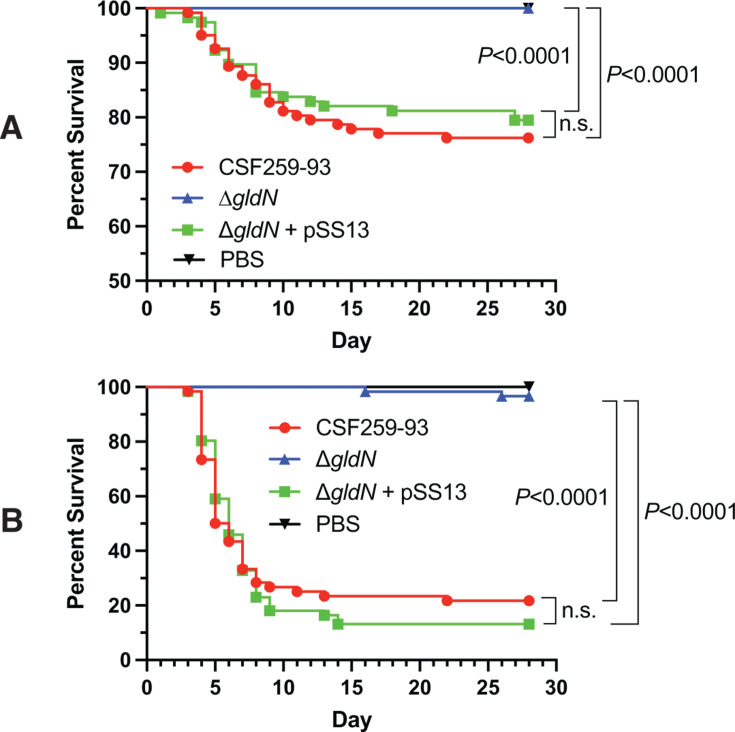 Figure 8
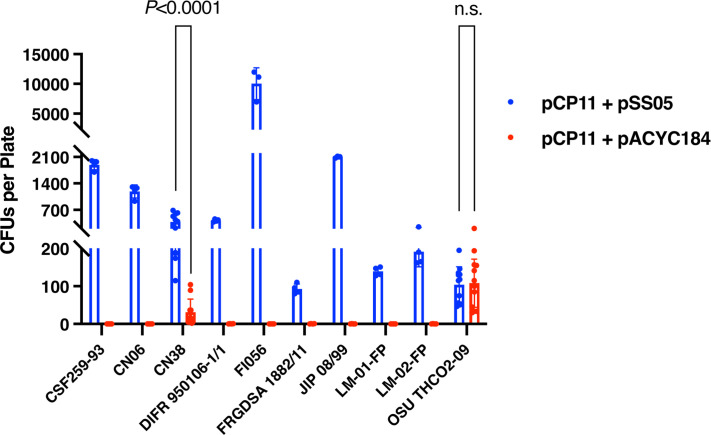 Figure 9
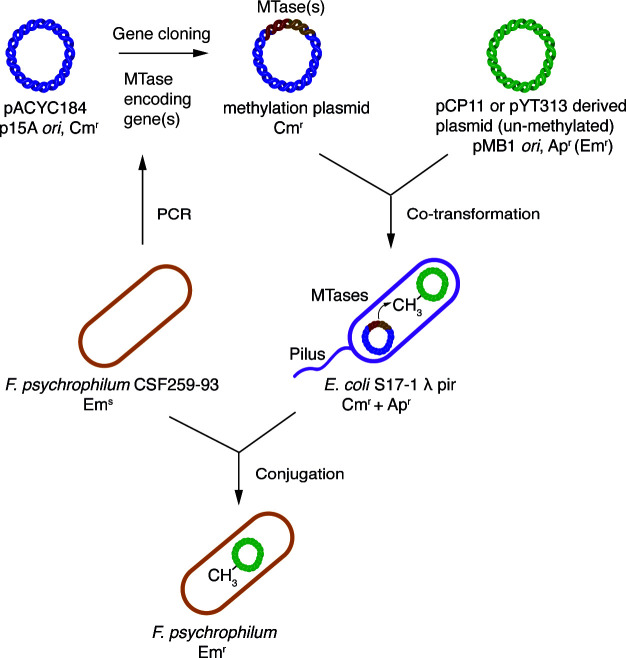 Figure 10
 Figure 11
 Figure 12
 Figure 13
Peer Reviews
No public reviews on file for this paper yet. If you reviewed it on a platform where reviews are public (OpenReview, ICLR, NeurIPS, ICML), you can paste yours below so the community can read it here.
Videos
No videos yet. Explain this paper in a talk, walkthrough, or lecture? Add one.
Taxonomy
TopicsAquaculture disease management and microbiota · Vibrio bacteria research studies · Bacteriophages and microbial interactions