Cultivation and mating of the truffle Tuber japonicum in plantations of ectomycorrhizal Quercus serrata seedlings
Noritaka Nakamura, Akihiko Kinoshita, Shota Nakano, Hitomi Furusawa, Keisuke Obase, Muneyoshi Yamaguchi, Kyotaro Noguchi, Yuki Kitade, Takashi Yamanaka

TL;DR
Researchers successfully cultivated the Japanese truffle Tuber japonicum for the first time using Quercus serrata seedlings and studied its mating behavior.
Contribution
First successful cultivation of Tuber japonicum and insights into its reproductive biology through genotyping.
Findings
Ascocarps were found after 43 and 61 months in two plantations.
Genotyping confirmed ascocarps originated from inocula and showed frequent hermaphroditism.
Productivity was comparable to other cultivated truffle species.
Abstract
Tuber japonicum, a white-colored truffle that is endemic to Japan, is promising for culinary purposes due to its unique aroma. We were able to cultivate T. japonicum in plantations of inoculated Quercus serrata seedlings for the first time. Ascocarps were found after 43 months at one site and after 61 months at another. We developed simple sequence repeat markers for multilocus genotyping of glebal tissue and ascospores and confirmed that the harvested ascocarps were derived from inocula. All paternal individuals matched the multilocus genotypes of neighboring maternal individuals, indicating frequent hermaphroditism and the absence of externally introduced individuals. Our findings provide important clues to understanding the reproductive biology of T. japonicum during the early period after the truffle plantation establishment. Truffles are highly prized as a delicacy, but only a…
Genes, proteins, chemicals, diseases, species, mutations and cell lines named across the full text — each resolved to its canonical identifier and authoritative record.
Click any figure to enlarge with its caption.
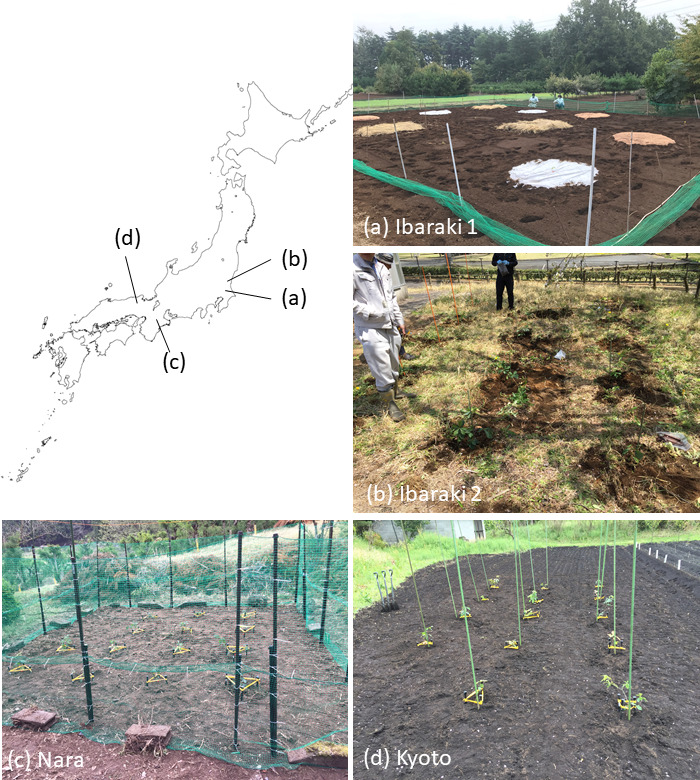 Figure 1
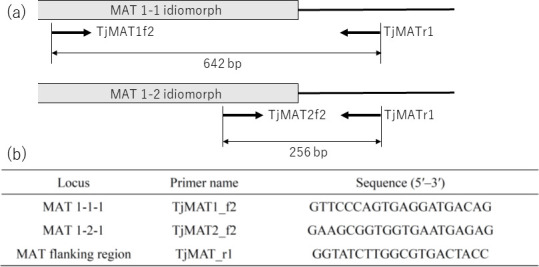 Figure 2
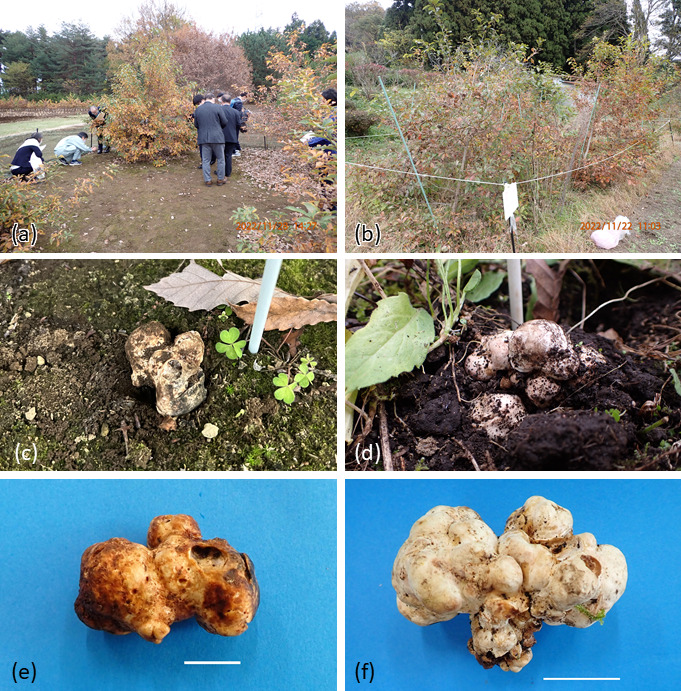 Figure 3
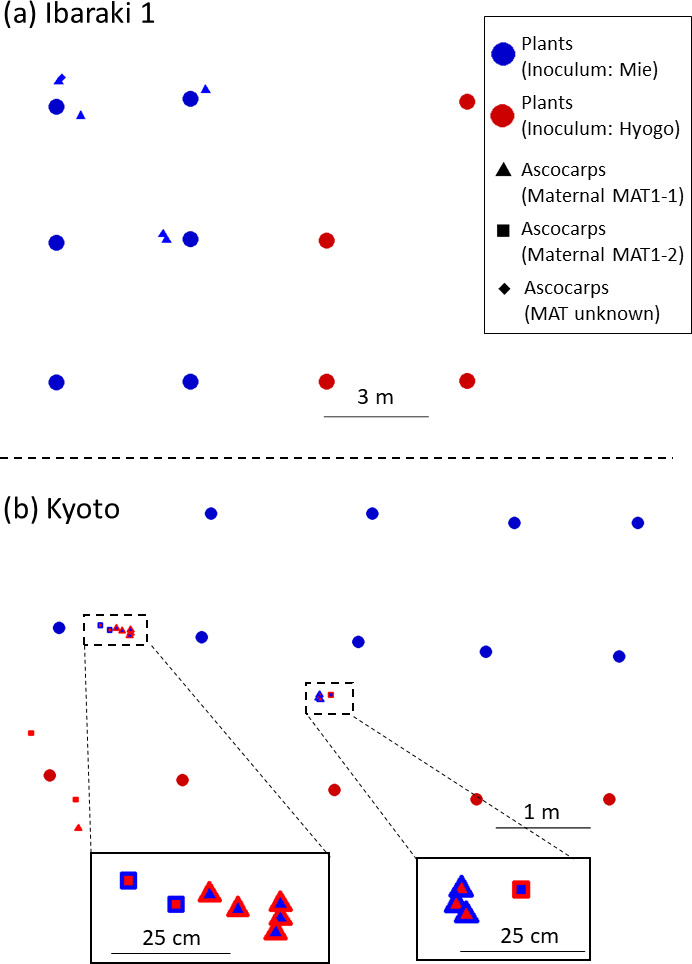 Figure 4
Peer Reviews
No public reviews on file for this paper yet. If you reviewed it on a platform where reviews are public (OpenReview, ICLR, NeurIPS, ICML), you can paste yours below so the community can read it here.
Videos
No videos yet. Explain this paper in a talk, walkthrough, or lecture? Add one.
Taxonomy
TopicsMycorrhizal Fungi and Plant Interactions · Plant and animal studies · Forest Ecology and Biodiversity Studies