Are technical performance differences in wheelchair fencing linked to disability categories?
Zbigniew Borysiuk, Monika Błaszczyszyn, Katarzyna Piechota, Anna Akbaş

TL;DR
This study found that wheelchair fencers in disability categories A and B show differences in muscle activity and reaction time, which could improve classification and training strategies.
Contribution
The study identifies distinct neuromuscular profiles between wheelchair fencing disability categories A and B.
Findings
Category A fencers had lower reaction times and higher muscle tension than category B fencers.
Significant differences were found in the left latissimus dorsi and deltoid muscle activity between the groups.
Back and abdominal muscles play a key role in stabilizing posture during wheelchair fencing.
Abstract
This study aimed to examine differences in muscle activity and activation timing in wheelchair fencers across disability categories A and B to better understand the neuromuscular dynamics involved in their performance. Sixteen right-handed wheelchair fencers from the Polish National Paralympic Team, grouped into categories A and B, participated in the study. Muscle activity and activation timing (reaction time) were recorded during a visual-cue task using a surface electromyography system and a 3D accelerometer. Eight upper body muscles, including the deltoid, triceps, biceps, forearm extensors/flexors, latissimus dorsi, and obliques, were assessed. Data were processed using MyoResearch and MATLAB, and statistical analyses utilized the Wald-Wolfowitz runs test. Intergroup differences in reaction time and muscle activity were found: category A fencers tended to achieve lower reaction…
Genes, proteins, chemicals, diseases, species, mutations and cell lines named across the full text — each resolved to its canonical identifier and authoritative record.
Click any figure to enlarge with its caption.
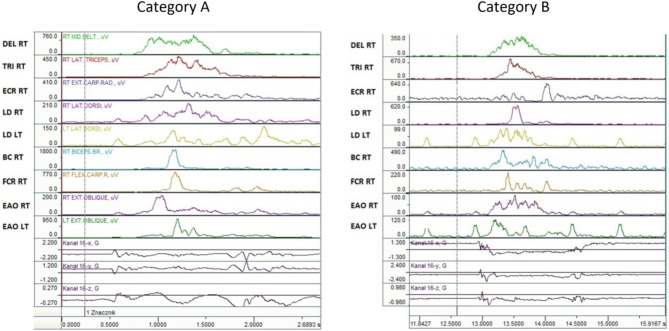 Figure 1
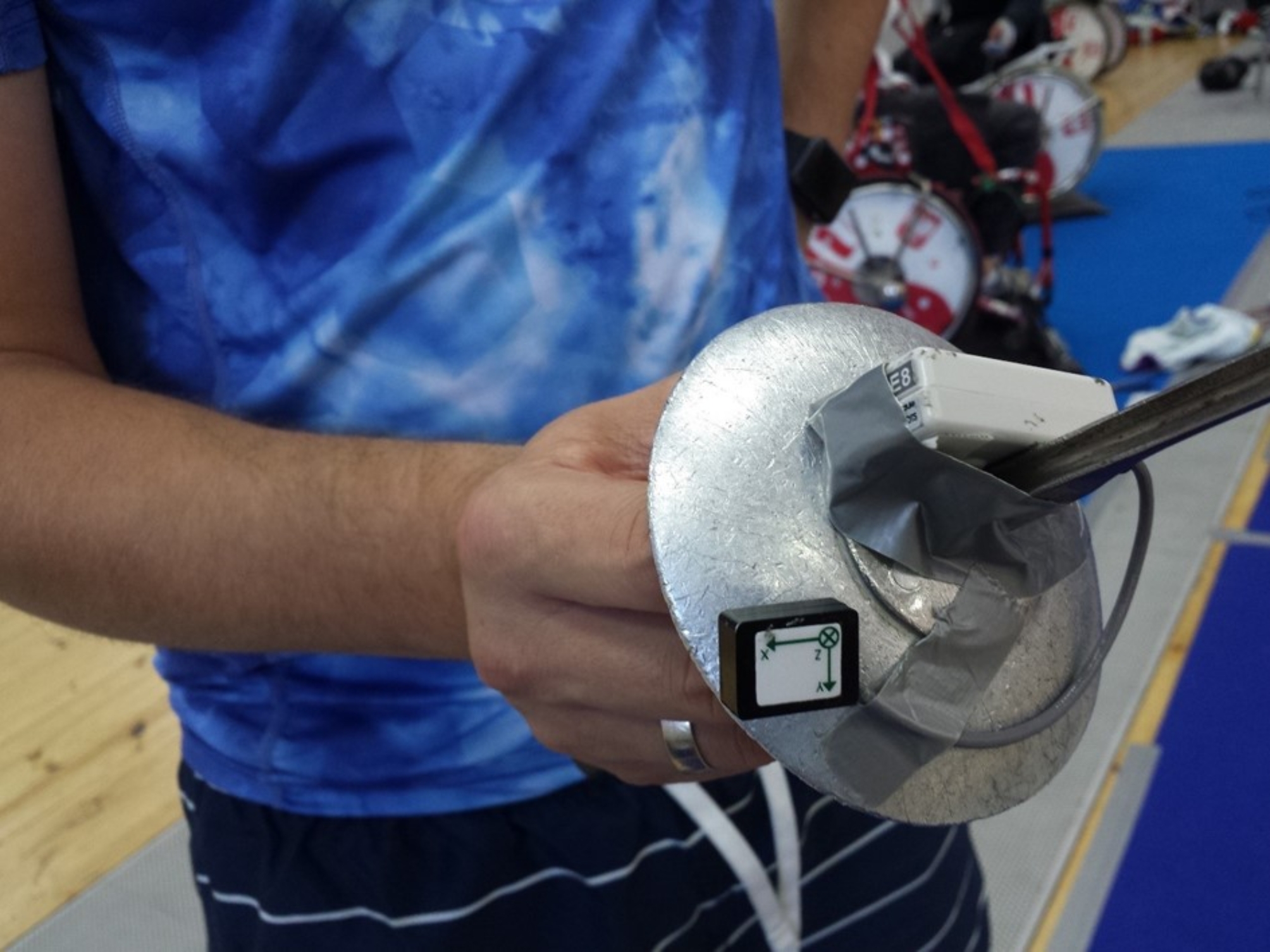 Figure 2
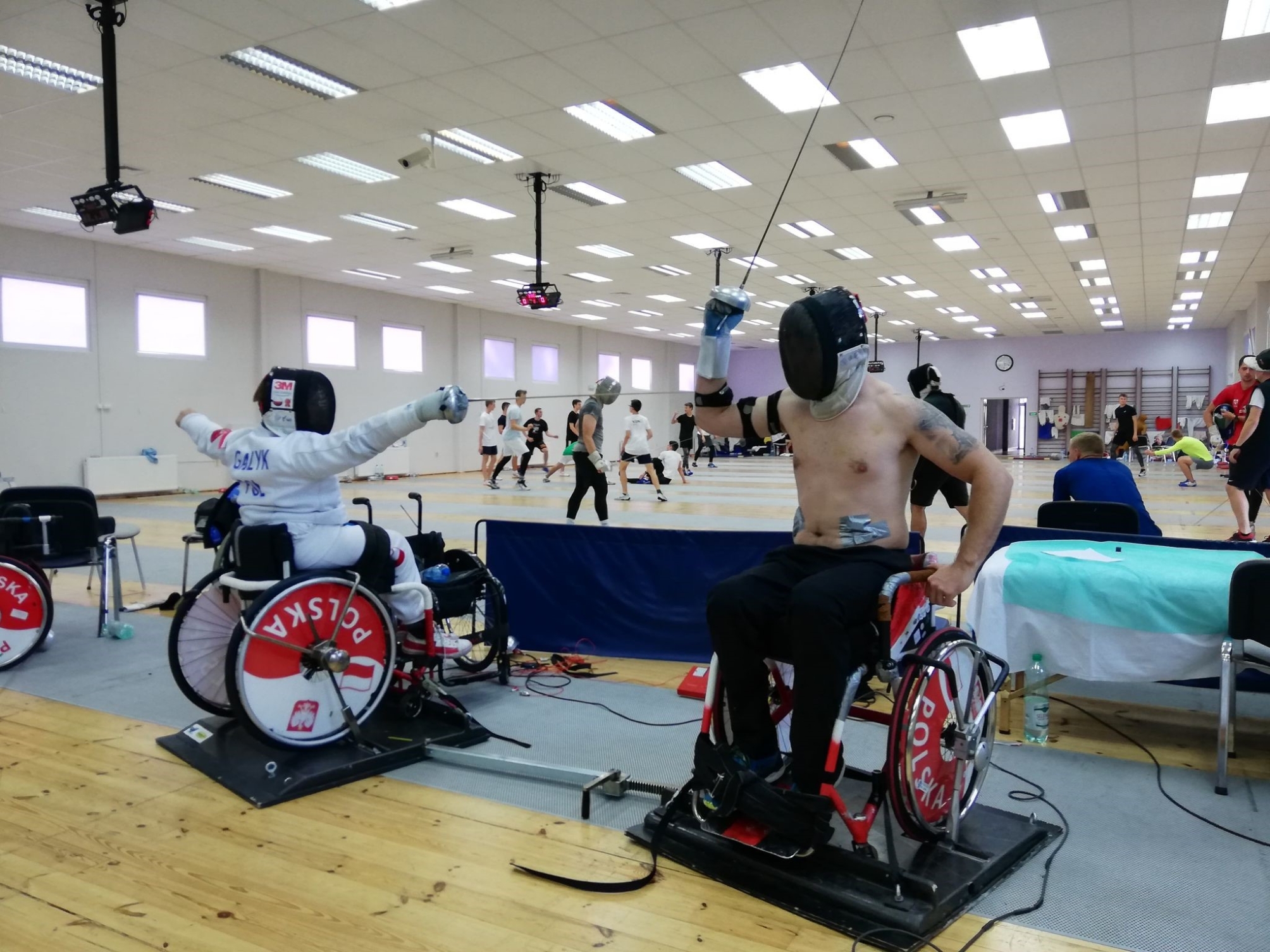 Figure 3
Peer Reviews
No public reviews on file for this paper yet. If you reviewed it on a platform where reviews are public (OpenReview, ICLR, NeurIPS, ICML), you can paste yours below so the community can read it here.
Videos
No videos yet. Explain this paper in a talk, walkthrough, or lecture? Add one.
Taxonomy
TopicsSpinal Cord Injury Research · Stroke Rehabilitation and Recovery · Cerebral Palsy and Movement Disorders