Numerical investigation for hazardous gas cloud form and dissipation behaviour of hydrogen-blended natural gas in a confined space
Shuangqing Chen, Minghao Li, Hongli Dong, Lan Meng, Bing Guan, Shun Zhou, Shanlong Wang, Chaofan Niu

TL;DR
This study investigates how hydrogen-blended natural gas behaves when leaked and ventilated in a confined space, focusing on safety and dissipation patterns.
Contribution
The study provides new insights into the ventilation design for hydrogen-blended natural gas in confined spaces using simulations and experiments.
Findings
Leak direction and hydrogen-blended ratio have minimal impact on gas accumulation behavior.
Ventilation effectiveness depends on leakage mass and ventilation position, with high-side ventilation being most efficient.
Asymmetric airflow patterns influence dissipation time due to pressure differences.
Abstract
The safety of hydrogen-blended natural gas (HBNG) in a confined space is an issue, especially for ventilation processes. In this study, leakage and ventilation processes of low-pressure HBNG with different hydrogen-blended ratio (HBR) in a confined space are simulated and validated by experiment based on similarity criteria. For the leakage process, the leak direction and HBR do not significantly affect gas accumulation behaviour. The required time for a gas cloud to fill space decreases slightly with HBR rising and they generally show a linear relationship. For the ventilation process, the main influences on the leakage process are the total leakage mass and the ventilation conditions. The required time for hazardous gas cloud dissipation increases with total leakage mass and decreases with HBR. For different ventilation conditions, the ranking of required time to exhaust leaked gas is…
Click any figure to enlarge with its caption.
 Figure 1
 Figure 2
 Figure 3
 Figure 4
 Figure 5
 Figure 6
 Figure 7
 Figure 8
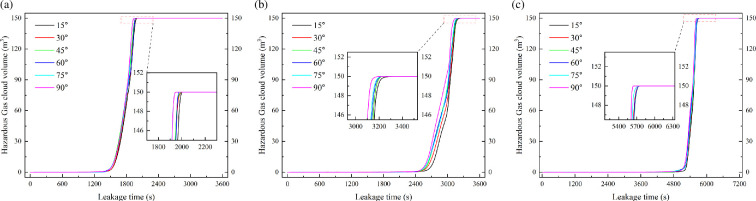 Figure 9
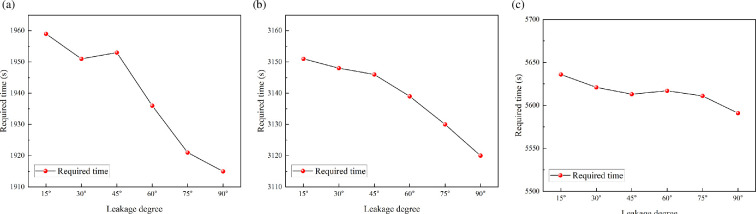 Figure 10
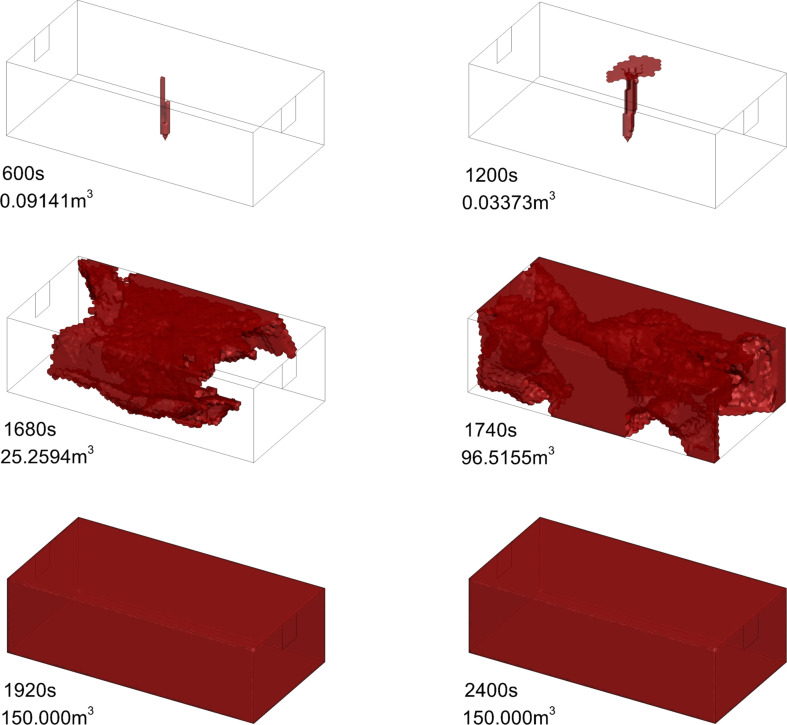 Figure 11
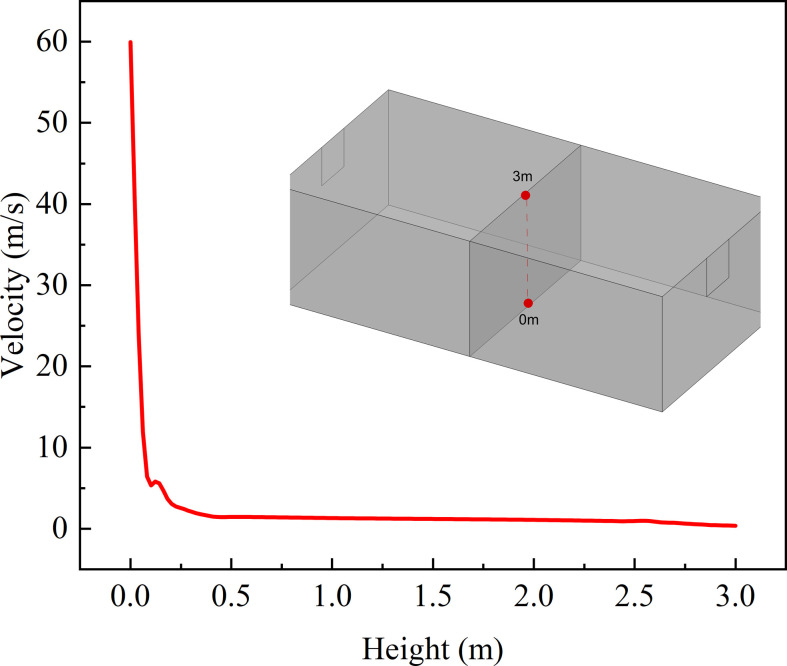 Figure 12
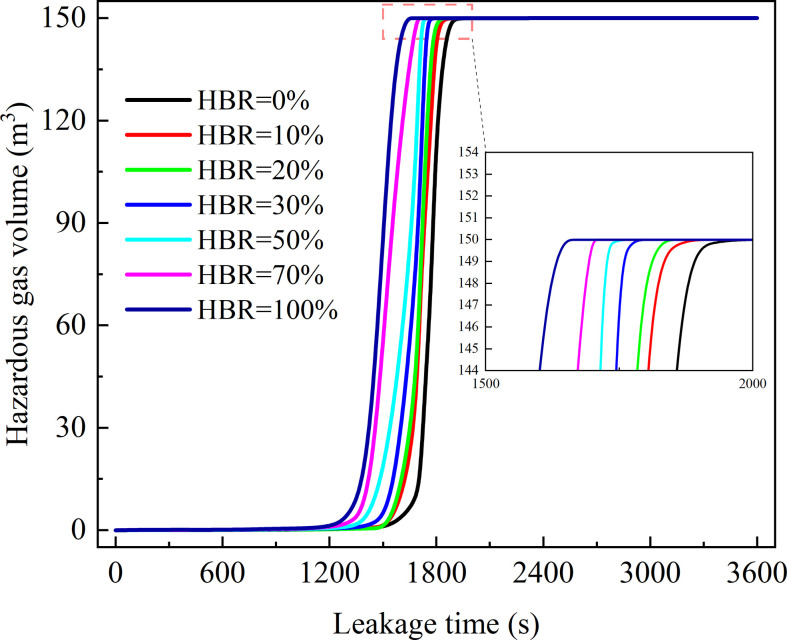 Figure 13
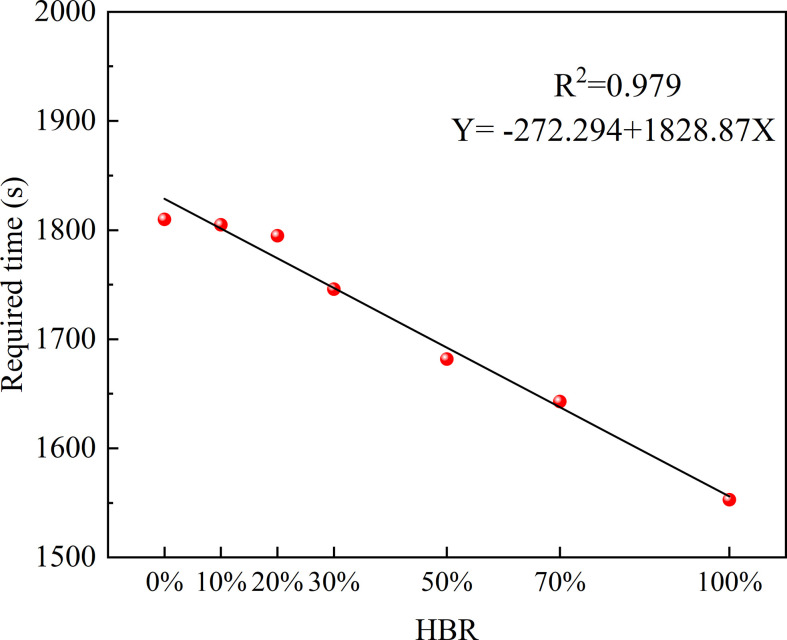 Figure 14
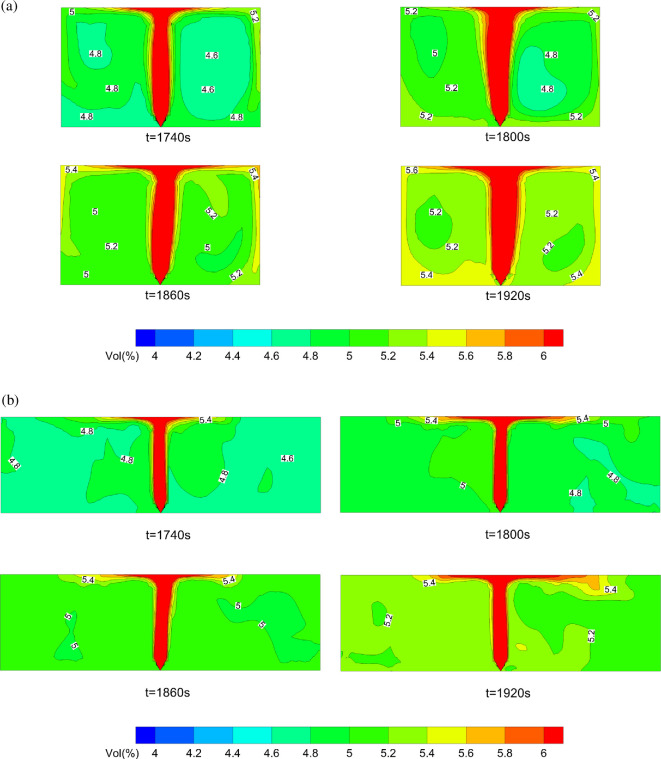 Figure 15
 Figure 16
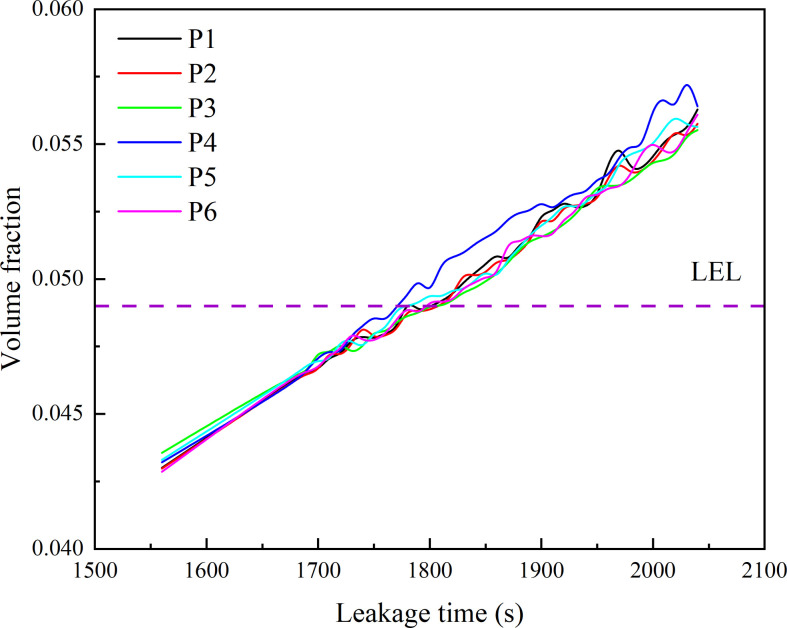 Figure 17
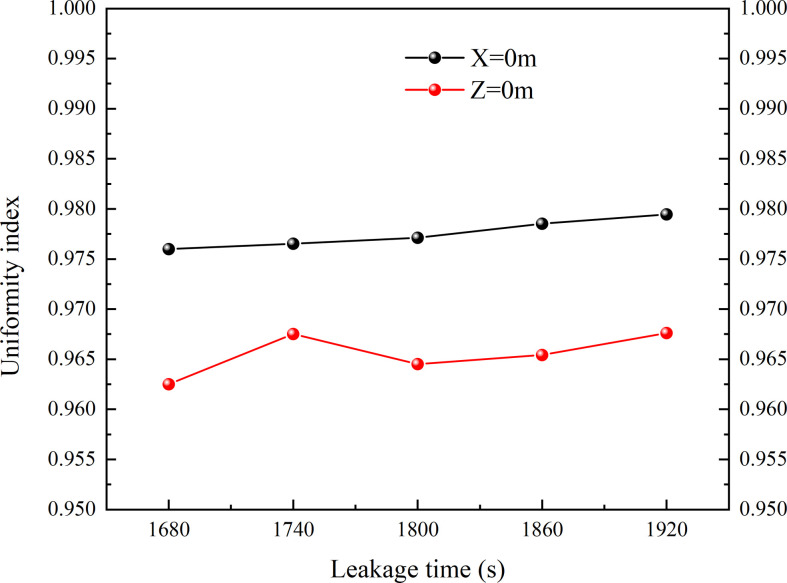 Figure 18
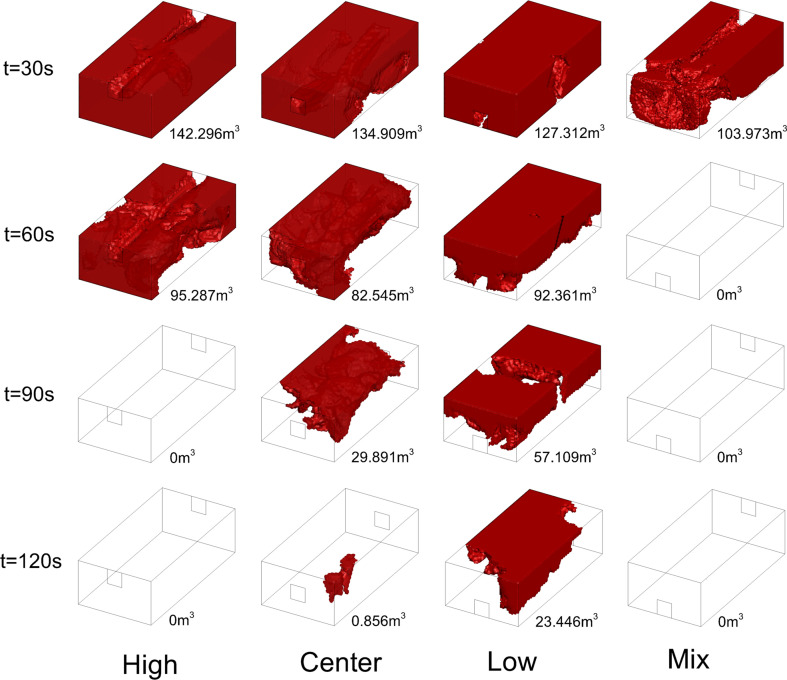 Figure 19
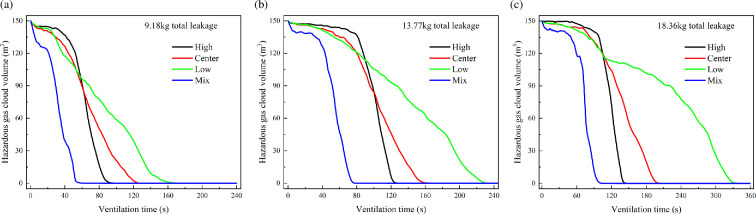 Figure 20
 Figure 21
 Figure 22
 Figure 23
 Figure 24
 Figure 25
 Figure 26
 Figure 27
 Figure 28
Peer Reviews
No public reviews on file for this paper yet. If you reviewed it on a platform where reviews are public (OpenReview, ICLR, NeurIPS, ICML), you can paste yours below so the community can read it here.
Videos
No videos yet. Explain this paper in a talk, walkthrough, or lecture? Add one.
Taxonomy
TopicsCombustion and Detonation Processes · Wind and Air Flow Studies · Fire dynamics and safety research