The Reliability of a Modified Kalamazoo Consensus Statement Checklist for Assessing the Communication Skills of Anesthesia Doctors in the Simulated Environment
Yograjan Ramalingam, Aishwarya PM, Lakshmi Nagalingam, Krishna Prasanth, Ashni Bhandari

TL;DR
This study shows that a modified checklist improves communication skills in healthcare professionals during simulated scenarios, enhancing patient safety.
Contribution
The study validates the MKCSC's reliability and effectiveness in a diverse Indian healthcare setting when combined with PACE training.
Findings
The MKCSC showed high internal consistency (Cronbach’s alpha: 0.89-0.91) and interrater reliability (ICC: 0.85-0.88).
Communication scores improved significantly from pre-intervention to five months post-intervention (p < 0.001).
Improvements were consistent across professional groups in relationship-building and perspective understanding.
Abstract
Background Clear communication is vital in anesthesiology to ensure patient safety and deliver high-quality care. Communication errors remain a significant cause of medical errors worldwide. The Modified Kalamazoo Consensus Statement Checklist (MKCSC) offers a structured approach to assessing communication skills. This study evaluates the reliability, validity, and applicability of the MKCSC in India’s diverse, multidisciplinary healthcare setting, focusing on its impact on improving communication and patient care through the Program for the Approach to Complex Encounters (PACE). Aim This study aimed to assess the effectiveness of the MKCSC in evaluating and enhancing communication skills among physicians, resident doctors, and nurses and to examine the role of PACE in improving communication outcomes. Methods A repeated cross-sectional study was conducted at Dr. Rela Institute and…
Genes, proteins, chemicals, diseases, species, mutations and cell lines named across the full text — each resolved to its canonical identifier and authoritative record.
Click any figure to enlarge with its caption.
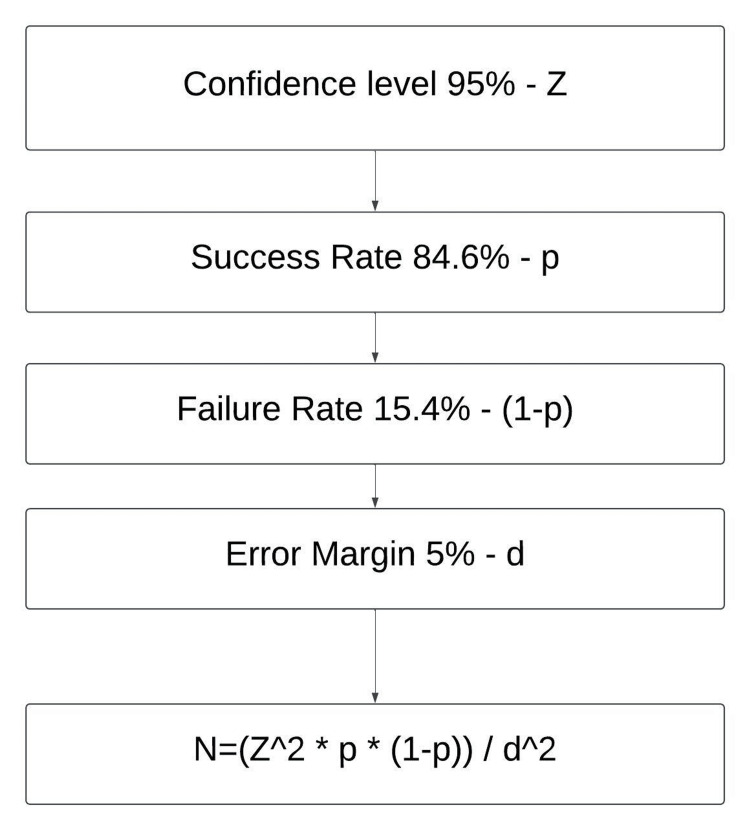 Figure 1
| Professional group | n | Mean age (years) | Gender (male:female) | Mean experience (years) |
| Physicians | 80 | 35 ± 4.1 | 45:35:00 | 8.3 ± 2.2 |
| Resident Doctors | 60 | 28 ± 2.5 | 32:28:00 | 2.1 ± 0.9 |
| Nurses | 60 | 31 ± 3.8 | 15:45 | 6.5 ± 1.8 |
| Total | 200 | - | 93:48:00 | - |
| Communication domain | Pre-test (mean ± SD) | One-month post-test (mean ± SD) | Five-month post-test (mean ± SD) |
| Building relationships | 3.4 ± 0.3 | 4.2 ± 0.3 | 4.4 ± 0.2 |
| Opening discussions | 3.3 ± 0.4 | 4.0 ± 0.3 | 4.2 ± 0.3 |
| Gathering information | 3.5 ± 0.3 | 4.3 ± 0.3 | 4.5 ± 0.2 |
| Understanding perspectives | 3.2 ± 0.4 | 4.1 ± 0.4 | 4.4 ± 0.3 |
| Sharing information | 3.4 ± 0.3 | 4.0 ± 0.3 | 4.3 ± 0.3 |
| Reaching agreement | 3.3 ± 0.3 | 4.2 ± 0.3 | 4.4 ± 0.2 |
| Providing closure | 3.4 ± 0.3 | 4.1 ± 0.3 | 4.3 ± 0.3 |
Peer Reviews
No public reviews on file for this paper yet. If you reviewed it on a platform where reviews are public (OpenReview, ICLR, NeurIPS, ICML), you can paste yours below so the community can read it here.
Videos
No videos yet. Explain this paper in a talk, walkthrough, or lecture? Add one.
Taxonomy
TopicsPatient Safety and Medication Errors · Innovations in Medical Education · Simulation-Based Education in Healthcare
Introduction
Good communication is crucial for safe and quality patient care, especially in anesthesiology, where quick and accurate decisions can make a huge difference in patient outcomes [1]. In high-pressure situations like these, clear communication among healthcare professionals helps avoid misunderstandings that could lead to mistakes or delays in treatment [2,3]. When teams communicate well, they keep patients safer, and they also create a more supportive and collaborative environment for everyone involved [4]. However, when communication breaks down, it can lead to serious problems like errors, delays, and teamwork struggles [2,5]. Hence, the focus is on developing tools to assess and improve communication skills in medical training and practice.
The Kalamazoo Consensus Statement, introduced in 1999, focuses on seven key elements of good communication: building relationships, starting conversations, gathering information, understanding others' perspectives, sharing information, finding common ground, and bringing discussions to a close. These ideas were later used to create the Modified Kalamazoo Consensus Statement Checklist (MKCSC), which is tailored specifically for healthcare teams, including doctors, residents, and nurses [2,5].
The checklist improves teamwork and understanding among healthcare professionals, which is critical when patient care depends on group effort. The MKCSC gives teams a clear approach to communication, promoting better connections and collaboration. Ultimately, this strengthens teams and improves patient care [3,6].
Communication tools such as the MKCSC have shown their effectiveness globally by enhancing patient safety, reducing errors, and improving teamwork [2,7]. These tools offer healthcare teams a structured way to communicate, which is essential in fast-paced environments. On top of that, simulation-based training gives professionals a chance to practice their communication skills in a safe space, with feedback to help them get better over time [8,9].
Although tools like the MKCSC have shown good results in countries like the US and parts of Europe, they have not been widely adopted in lower- and middle-income nations, such as India [6,2]. India’s healthcare system deals with unique obstacles, such as a large number of patients per provider, limited resources, and a diverse population with different needs. These factors can make communication among healthcare workers more difficult. This underscores the importance of having tailored training and assessment tools that can address the specific challenges faced by healthcare teams in these regions [2,9,10].
Adapting the MKCSC to the Indian context
Doctors, resident physicians, and nurses provided feedback for the MKCSC tool to adapt to India’s healthcare system to make sure it was practical and culturally appropriate [8,9,10].
To make sure it worked well, a thorough process was followed. Experts validated the content, and the tool was tested in both simulated environments and real clinical settings to check its reliability and accuracy [8,11,12].
Once the tool was ready (Appendix 1), it was rolled out along with training programs for healthcare professionals. These programs covered both the basics of good communication and how to use the tool in day-to-day situations [2,13]. The aim was to ensure healthcare workers could use the tool effectively to improve patient care.
The training included hands-on exercises like role-playing and feedback sessions to help people really grasp the communication skills needed [14,15]. Ongoing monitoring will be important to see how the tool impacts patient outcomes, team dynamics, and overall satisfaction. This will help us make sure it is working well and improving over time [16].
Materials and methods
Study design and objective
This observational study assessed communication skills prior to training, with follow-up evaluations conducted at one-month and five-month intervals using the MKCSC checklist. The objective was to determine whether the Program for the Approach to Complex Encounters (PACE) intervention could produce lasting improvements in communication among healthcare teams in a simulated environment for patients who had undergone elective surgery for the first time in the Indian context.
Tool development
The MKCSC, originally developed for Western healthcare systems, was adapted to suit the Indian healthcare environment. Modifications were informed by consultations with physicians, nurses, and hospital staff to ensure cultural and contextual relevance. Language and examples were localized, and hierarchical team structures common in Indian hospitals were considered. These adjustments preserved the tool's foundational principles, such as active listening and effective information exchange, while aligning with the unique dynamics of Indian healthcare teams.
Tool implementation
Simulations designed to reflect real-world scenarios encountered by healthcare professionals were conducted using the updated MKCSC, which was validated by one clinical psychologist, three anesthesiologists, one epidemiologist, and one doctor of preventive medicine [17]. Scenarios included preoperative discussions, crisis management during procedures, and handovers between teams. Trained actors portrayed patients, and the simulation environments were constructed to replicate clinical realities, enabling participants to engage in authentic interactions.
Participant selection
The study included 200 participants: 80 experienced physicians, 60 resident doctors undergoing postgraduate training, and 60 nurses. All participants were selected from teaching hospitals to ensure a representative mix of roles and to emphasize the importance of interprofessional teamwork in the Indian healthcare setting.
PACE intervention
The PACE intervention was implemented as a structured training program designed to enhance communication skills. The program lasted for five months and incorporated didactic sessions, role-playing exercises, and feedback, including video-based self-assessments [18,19]. Each participant had undergone four didactic sessions of two hours each, three role-playing exercises (one for breaking bad news, one for conflict resolution, one for de-escalating angry patients) of 30 minutes each, and two self-assessment video sessions of one hour each. All enrolled participants completed the training with a zero dropout rate. This approach was aimed at providing participants with practical, actionable skills applicable to their daily clinical practice.
Tool training
Raters included subject matter experts and peer observers who were trained on the proper use of the MKCSC. Training sessions covered scoring methodology, included practice sessions with example scenarios and were followed by group discussions to ensure consistency in scoring criteria and alignment among raters.
Scoring
The MKCSC evaluated communication across seven domains: building relationships, initiating conversations, gathering information, understanding perspectives, sharing information, reaching agreements, and closing conversations. Each domain was rated on a five-point Likert scale, with additional sections for narrative feedback highlighting strengths and areas for improvement [10].
Data collection and analysis
Baseline communication scores were collected by four people who were not part of the study and were given training on effective data collection before the intervention. The individuals were not blinded, and the tools were filled by healthcare professionals and patients who had elective surgery and were asked to help as actors for the simulation scenarios. Post-intervention assessments were conducted at one-month and five-month intervals to monitor progress. Reliability was evaluated using Cronbach's alpha (range: 0.89-0.91), while interrater and intrarater consistency were assessed using intra-class correlation coefficients (ICC range: 0.85-0.88) [10]. The MKCSC utilized a five-point Likert scale, ranging from one (poor) to five (excellent), to evaluate communication skills across seven domains. This scale provided a structured and standardized approach to capturing both quantitative and qualitative aspects of communication performance [10]. Changes in scores were analyzed using paired t-tests, with subgroup comparisons between physicians, resident doctors, and nurses. Statistical analyses were performed using SPSS (IBM SPSS Statistics for Windows, IBM Corp., Version 27, Armonk, NY), with a significance level set at p < 0.05.
Ethical considerations
The study was approved by the institutional ethics committees of participating hospitals. Written informed consent was obtained from all participants, ensuring voluntary participation. Simulations were recorded for evaluation purposes, with all data anonymized to safeguard confidentiality.
Results
Participant demographics
A sample size of 200 was calculated using the single proportion sample size formula (Appendix 2) with a confidence level of 95% and an error margin of 5%, as shown in Figure 1. This study included 200 participants, consisting of 80 physicians with a minimum of two years of post-MD experience, 60 resident doctors in postgraduate training, and 60 nurses, including bedside nurses and nurse administrators. A detailed summary of demographic data is provided in Table 1.
Sample size selection using single proportion sample size formula
Pre-test scores
Baseline communication scores, assessed using the MKCSC, revealed moderate proficiency across the seven communication domains. Scores ranged from 3.2 to 3.6, with a mean score of 3.4 ± 0.2 on a five-point scale. These findings underscore substantial opportunities for enhancement in communication skills across all professional groups.
Post-test scores at one month
One month following the PACE intervention, participants exhibited significant improvements in communication scores across all domains. The overall mean score increased to 4.1 ± 0.3 (p < 0.001). Improvements were observed consistently across physicians, resident doctors, and nurses, with the most pronounced gains in the domains of understanding perspectives and building relationships.
Post-test scores at five months
At the five-month follow-up, the enhancements in communication skills were sustained, with an overall mean score of 4.3 ± 0.2 (p < 0.001 compared to pre-test). Scores across all seven domains remained higher than pre-test levels, indicating the enduring effectiveness of the PACE intervention.
Interrater and intrarater reliability
The ICC for interrater reliability was excellent, with an ICC value of 0.85 across all domains. Intrarater reliability, measured by Cronbach’s alpha, ranged from 0.88 to 0.91, demonstrating strong internal consistency of the MKCSC over time.
Domain-specific performance
The average scores across the seven communication domains at each time point are presented in Table 2. Notably, the domains of gathering information and sharing information exhibited the highest percentage improvements, reflecting enhanced participant capabilities in information exchange and interdisciplinary collaboration.
Key findings
The PACE program demonstrated its effectiveness in enhancing communication skills, with post-intervention scores showing statistically significant improvements at both the one-month and five-month follow-ups (p < 0.001). The sustained gains observed across all communication domains at the five-month mark confirm the lasting impact of the intervention [20]. Additionally, the MKCSC exhibited high reliability across all time points, underscoring its consistency and applicability within the context of Indian healthcare settings.
Discussion
Findings
The findings from this study highlight the reliability and validity of the MKCSC as an important tool for assessing and enhancing communication skills among healthcare professionals in a simulated environment [8,5]. The study’s results highlight the checklist’s adaptability in the Indian healthcare context, showcasing its potential to drive meaningful and sustainable improvements in communication proficiency through structured interventions such as the PACE [1,3].
Consistent with global standards, the MKCSC showed high interrater and intrarater reliability, with scores remaining stable across all professional categories [2,21]. The improvements in communication performance observed at the one- and five-month post-tests confirm the intervention’s effectiveness in identifying communication gaps and fostering skill enhancement [12,22]. These findings also align with international studies emphasizing the utility of standardized tools in promoting team-based communication and minimizing errors in high-stakes clinical settings [3,11,19].
Impact of the PACE intervention
The significant gains observed in communication scores highlight the effectiveness of the PACE intervention in consolidating and reinforcing learned skills [10,7]. Structured programs that combine simulation-based exercises, role-playing scenarios, and iterative feedback loops bridge the gap between theoretical knowledge and its practical application [8,7,23]. The intervention’s success in the Indian context indicates the feasibility of scaling similar initiatives to address broader communication challenges in resource-constrained healthcare environments [4,22,24].
A key strength of this study is its focus on multidisciplinary teams, reflecting the complexity of communication in modern healthcare settings. The MKCSC proved to be a versatile tool, effectively capturing communication dynamics across physicians, resident doctors, and nurses. This is particularly relevant in the Indian healthcare context, where hierarchical structures and cultural diversity often pose challenges to seamless communication. A common language for assessing and improving communication fosters a culture of collaboration and mutual respect, bridging the disciplinary divide and ultimately improving patient outcomes [25,26].
The sustained gains observed at the five-month follow-up are a testament to the durability of the intervention’s impact. These findings underscore the importance of structured follow-ups in reinforcing learned skills and ensuring their integration into daily clinical practice. However, the lack of longer-term data beyond five months limits the ability to fully evaluate the intervention’s durability. Future studies should aim to extend follow-up periods to provide a more comprehensive understanding of the tool’s long-term effectiveness.
Limitations and future directions
The reliance on a simulated environment, while ensuring consistency and reproducibility, may not be in alignment with the complexities of a live clinical setting. Simulations, although effective for building foundational skills, cannot fully capture the nuances of live patient interactions and dynamic team communication.
The study’s five-month follow-up showcases the durability of the intervention’s impact over the medium term. However, future research should focus on and explore longer-term outcomes to evaluate whether these gains persist beyond the study period. Using the MKCSC in different healthcare environments, including rural and low-resource areas, could give us a better understanding of how well it works in various settings and if it can be used more widely.
In addition to this, integrating advanced technologies such as digital platforms and AI-driven analytics into the MKCSC checklist framework could improve the precision and efficiency of communication training and assessment [18]. Future studies and research should analyze how the MKCSC checklist affects patient satisfaction and clinical results to better confirm how useful it is.
To maximize its utility, the MKCSC should be evaluated in diverse healthcare settings, including rural and resource-limited environments, where communication challenges may differ from those in urban, tertiary care hospitals. Incorporating digital tools and artificial intelligence into the MKCSC framework could further enhance its precision, scalability, and adaptability. Additionally, incorporating the checklist into routine clinical workflows and linking its use to measurable patient outcomes could provide valuable insights into its real-world applicability. Future studies should also explore the tool’s potential in fostering patient-centered communication, assessing its impact on metrics such as patient satisfaction and safety.
Conclusions
This study provides solid evidence supporting the MKCSC as a reliable and adaptable tool for evaluating and improving communication skills among healthcare professionals in India. Structured programs like PACE provide an effective way to tackle communication issues, improve teamwork, and enhance patient safety. Ongoing research, especially in real-world clinical environments, will be crucial to fully realize the checklist’s potential and promote its broader use across healthcare systems.
The reference list from the paper itself. Each links out to its DOI / PubMed record.
- 1Interventions to improve teamwork and communications among healthcare staff Br J Surg Mc Culloch P Rathbone J Catchpole K 4694799820112130553710.1002/bjs.7434 · doi ↗ · pubmed ↗
- 2Communication skills training: describing a new conceptual model Acad Med Brown RF Bylund CL 37448320081816274810.1097/ACM.0b 013e 31815 c 631e · doi ↗ · pubmed ↗
- 3Validity and reliability assessment of detailed scoring checklists for use during perioperative emergency simulation training Simul Healthc Mc Evoy MD Hand WR Furse CM 295303920142518848610.1097/SIH.0000000000000048 PMC 4182114 · doi ↗ · pubmed ↗
- 4Creating a safer operating room: groups, team dynamics and crew resource management principles Semin Pediatr Surg Wakeman D Langham MR Jr 1071132720182954835110.1053/j.sempedsurg.2018.02.008 · doi ↗ · pubmed ↗
- 5Learning outcomes for communication skills across the health professions: a systematic literature review and qualitative synthesis BMJ Open Denniston C Molloy E Nestel D Woodward-Kron R Keating JL 07201710.1136/bmjopen-2016-014570 PMC 555881728389493 · doi ↗ · pubmed ↗
- 6Experiential learning cycles as an effective means for teaching psychiatric clinical skills via repeated simulation in the psychiatry clerkship Acad Psychiatry Meyer EG Battista A Sommerfeldt JM West JC Hamaoka D Cozza KL 1501584520213316930410.1007/s 40596-020-01340-8PMC 7652584 · doi ↗ · pubmed ↗
- 7An examination of listening concepts in the healthcare context: differences among nurses, physicians, and administrators Int J Listen Davis J Thompson C Foley A Bond CD De Witt J 152167222008
- 8Listening beyond auscultating: a quality initiative to improve communication scores in the Hospital Consumer Assessment of Healthcare Practitioners and Systems Survey Perm J Riegels NS Asher E Cartwright JR 1618722201810.7812/TPP/16-187PMC 605441430028667 · doi ↗ · pubmed ↗