Genetic structure and conservation implications of Lancea tibetica (Mazaceae), a traditional Tibetan medicinal plant endemic to the Qinghai- Tibet Plateau
Mingze Xia, Xiaofeng Chi, Jingya Yu, Yun Han, Shuang Han, Shilong Chen, Yan Li, Faqi Zhang

TL;DR
This study explores the genetic structure of Lancea tibetica, a Tibetan medicinal plant, and finds that geographic and climatic factors have shaped its populations, with implications for its conservation.
Contribution
The study provides new insights into the genetic divergence and conservation needs of Lancea tibetica due to geographic and climatic influences.
Findings
L. tibetica is divided into Northern and Southern groups separated by major geographic barriers.
A bottleneck event around 300 kya was followed by gene flow and recent population expansion.
Elevation is the most significant factor influencing the distribution of L. tibetica, with future warming expected to reduce suitable habitats.
Abstract
Allopatric divergence is often initiated by geological uplift and climate oscillations. Qinghai-Tibet Plateau is an excellent place for such research because the plants of this area have experienced such historical processes as glacial contraction, interglacial expansion and geographical isolation. Here in this study, we used Genotyping-By-Sequencing data to investigate allopatric divergence of Lancea tibetica, an endemic herb to the Qinghai-Tibet Plateau. A total of 12,005 high-quality single nucleotide polymorphisms were obtained from 183 individuals of 23 natural distribution areas. Our results confirm that L. tibetica is divided into Northern and Southern groups, separated by the Tangula Mountains, Nyainqentanglha Mountains, and the Salween River. Demographic modeling indicated a bottleneck event around 300 kya, followed by gene flow and a recent expansion in both groups.…
Genes, proteins, chemicals, diseases, species, mutations and cell lines named across the full text — each resolved to its canonical identifier and authoritative record.
Click any figure to enlarge with its caption.
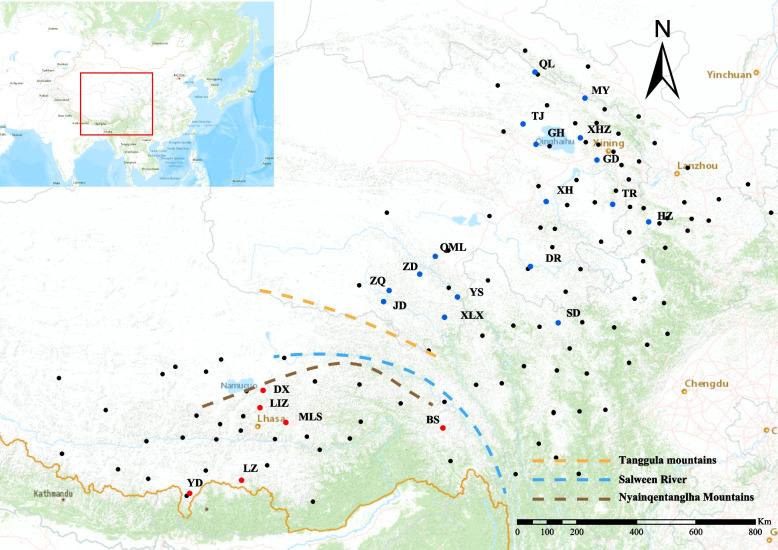 Figure 1
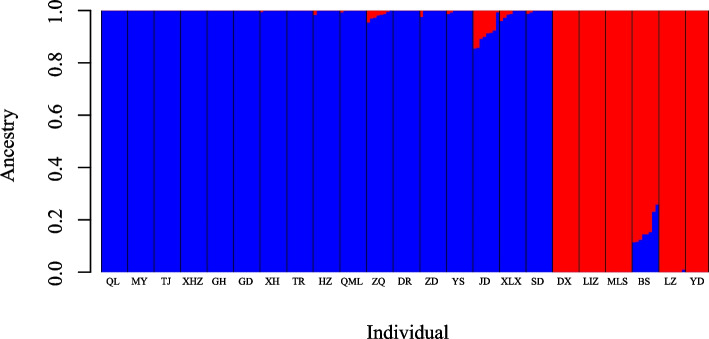 Figure 2
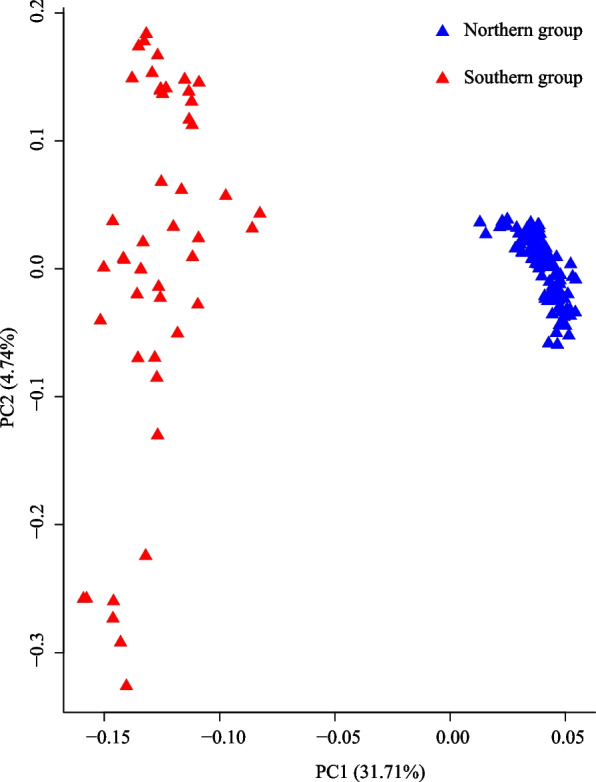 Figure 3
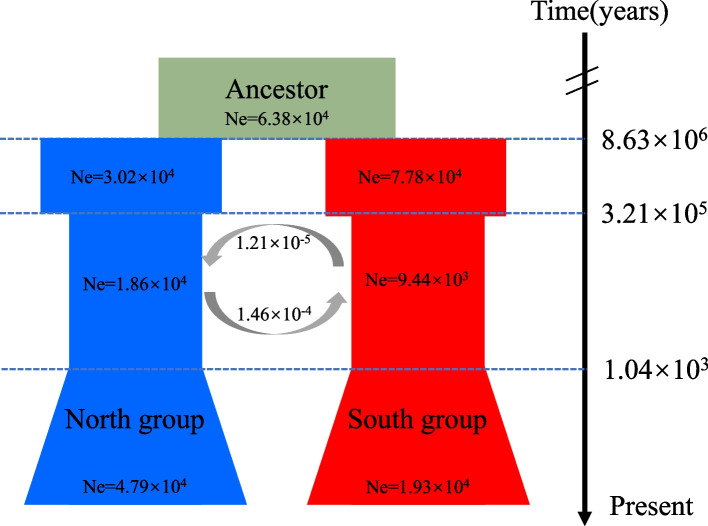 Figure 4
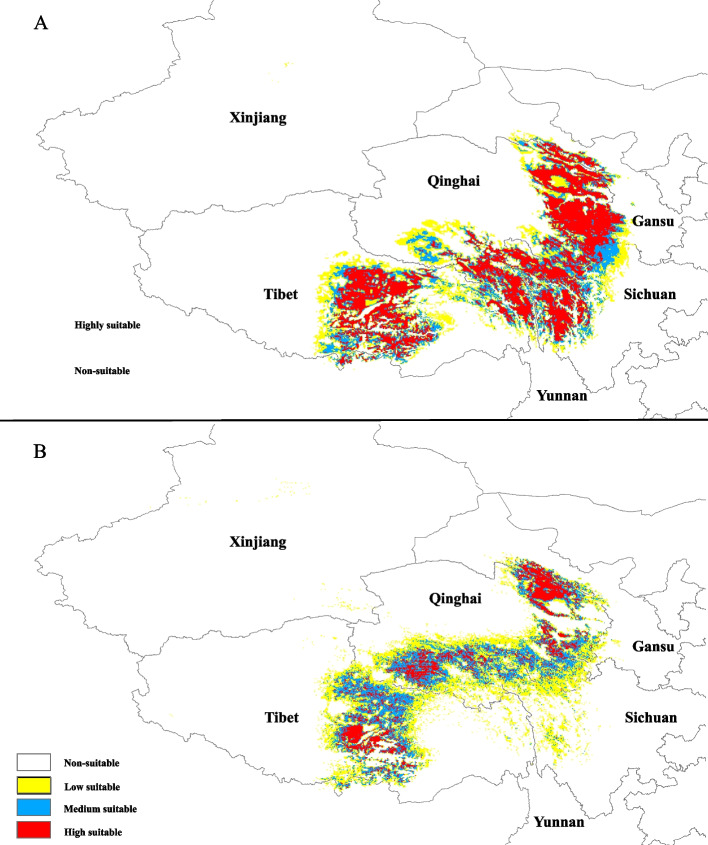 Figure 5
Peer Reviews
No public reviews on file for this paper yet. If you reviewed it on a platform where reviews are public (OpenReview, ICLR, NeurIPS, ICML), you can paste yours below so the community can read it here.
Videos
No videos yet. Explain this paper in a talk, walkthrough, or lecture? Add one.
Taxonomy
TopicsGenetic diversity and population structure · Genomics and Phylogenetic Studies · Genetic Mapping and Diversity in Plants and Animals