Morphogenetic penicillin-binding proteins control virulence-associated type III secretion systems in Salmonella
Sónia Castanheira, Sara Torronteras, Juan J. Cestero, Francisco García-del Portillo

TL;DR
This study shows how specific penicillin-binding proteins in Salmonella influence the activity of virulence-related protein secretion systems.
Contribution
The paper provides the first evidence linking morphogenetic penicillin-binding proteins to virulence-associated T3SS in Salmonella.
Findings
PBP2 is required for proper function of the SPI-1 T3SS but not for motility.
Lack of morphogenetic PBPs increases SPI-2 T3SS activity.
PBP2 controls SPI-1 T3SS via regulators HilA and InvF.
Abstract
Type III protein secretion systems (T3SSs) function as multiprotein devices that span the envelope of Gram-negative bacteria using the peptidoglycan (PG) layer as scaffold. This spatial arrangement explains why modifications in PG structure can alter T3SS activity. In Salmonella, incorporation of non-canonical D-amino acids in the PG was shown to decrease the activity of the T3SS encoded by the pathogenicity island-1 (SPI-1) without affecting other T3SS, like the flagellum apparatus. Enigmatically, following invasion of host cell Salmonella enterica serovar Typhimurium modifies PG synthesis by upregulating two pathogen-specific enzymes, the penicillin-binding proteins PBP2SAL and PBP3SAL, with roles in cell elongation and division, respectively. In the mouse typhoid model, the amount of PBP2SAL and PBP3SAL produced by the pathogen exceeds by large those of the canonical enzymes PBP2 and…
Genes, proteins, chemicals, diseases, species, mutations and cell lines named across the full text — each resolved to its canonical identifier and authoritative record.
Click any figure to enlarge with its caption.
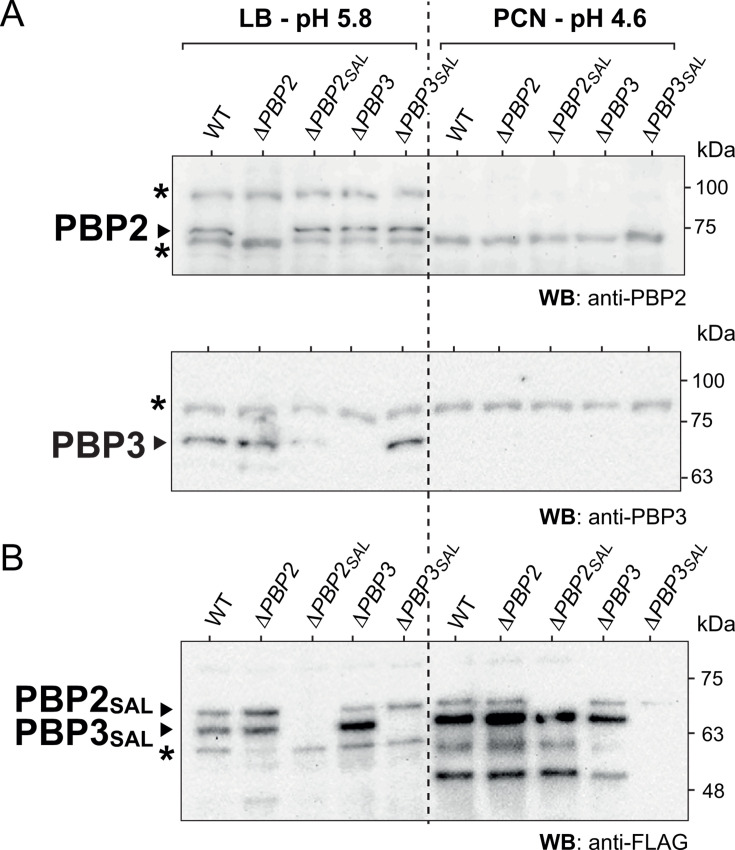 Figure 1
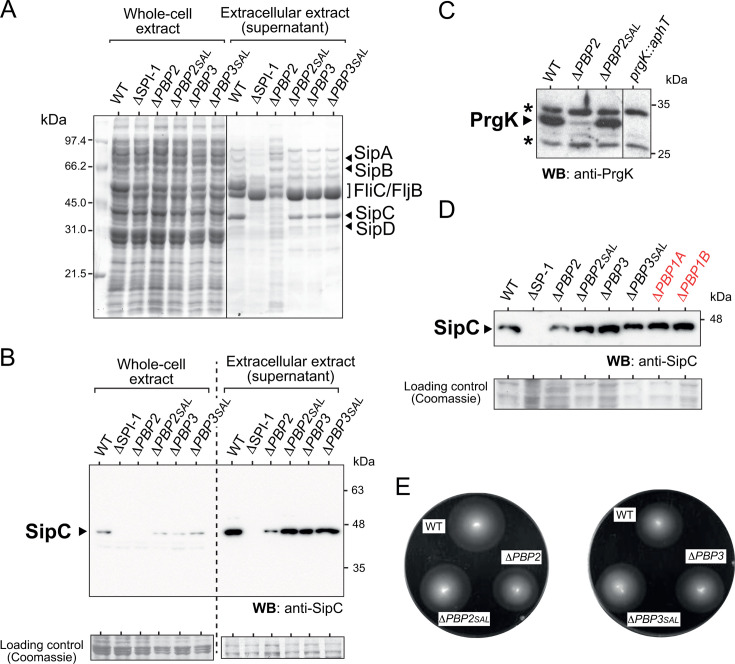 Figure 2
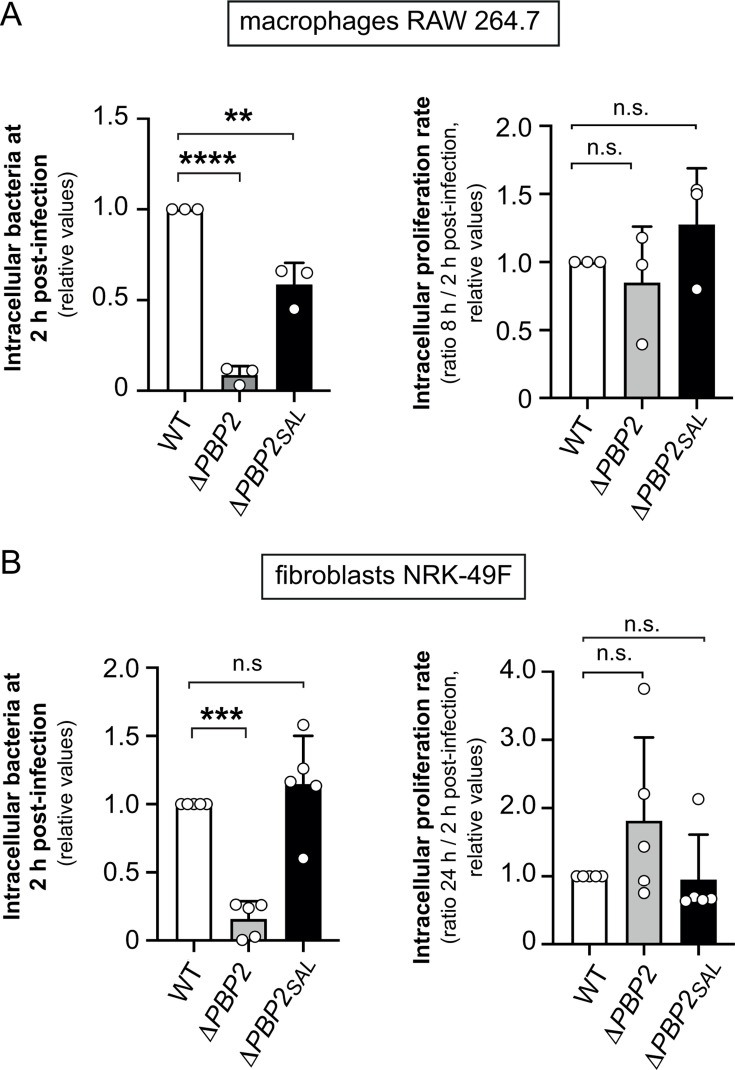 Figure 3
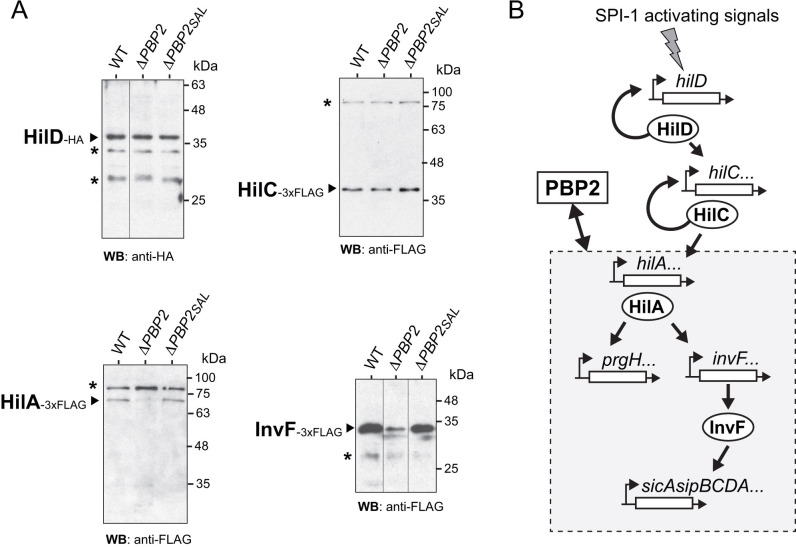 Figure 4
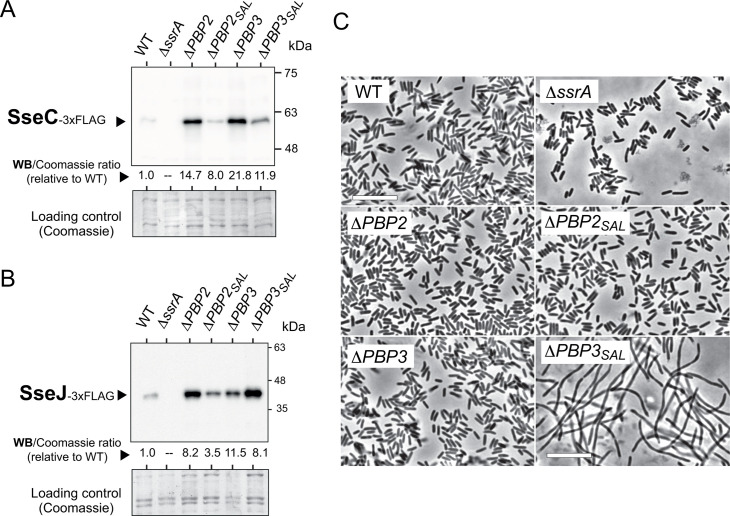 Figure 5
Peer Reviews
No public reviews on file for this paper yet. If you reviewed it on a platform where reviews are public (OpenReview, ICLR, NeurIPS, ICML), you can paste yours below so the community can read it here.
Videos
No videos yet. Explain this paper in a talk, walkthrough, or lecture? Add one.
Taxonomy
TopicsSalmonella and Campylobacter epidemiology · Escherichia coli research studies · Vibrio bacteria research studies