Evaluation of Synthetic Peptides from Schistosoma mansoni ATP Diphosphohydrolase 1: In Silico Approaches for Characterization and Prospective Application in Diagnosis of Schistosomiasis
Danielle Gomes Marconato, Beatriz Paiva Nogueira, Vinícius Carius de Souza, Rafaella Fortini Grenfell e Queiroz, Clovis R. Nakaie, Eveline Gomes Vasconcelos, Priscila de Faria Pinto

TL;DR
Researchers tested synthetic peptides from a Schistosoma mansoni enzyme to develop better diagnostic tools for schistosomiasis, a parasitic disease.
Contribution
The study introduces novel synthetic peptides from SmATPDase1 as potential diagnostic biomarkers for schistosomiasis.
Findings
Synthetic peptides from SmATPDase1 elicited strong antibody responses in mice.
Peptides showed high seropositivity in ELISA tests with AUC values over 0.9.
Monoclonal antibodies against the peptides recognized the full protein in diagnostic assays.
Abstract
Schistosomiasis is the infection caused by Schistosoma mansoni and constitutes a worldwide public health problem. The parasitological recommended method and serological methods can be used for the detection of eggs and antibodies, respectively. However, both have limitations, especially in low endemicity areas. Thus, new approaches for the diagnosis of schistosomiasis are essential. In this study, a six-amino acid peptide and derived sequences from SmATPDase1 were synthesized for the evaluation of immunogenicity. SmATPDase1 is included in a protein group in S. mansoni tegument; therefore, its peptides could be potential candidates for diagnostic antigens. In the hypothetical SmATPDase1 three-dimensional structure, peptides are located in a region exposed and accessible to antibody binding. In addition, peptide amino acid sequences are conserved in the most relevant Schistosoma species…
Genes, proteins, chemicals, diseases, species, mutations and cell lines named across the full text — each resolved to its canonical identifier and authoritative record.
Click any figure to enlarge with its caption.
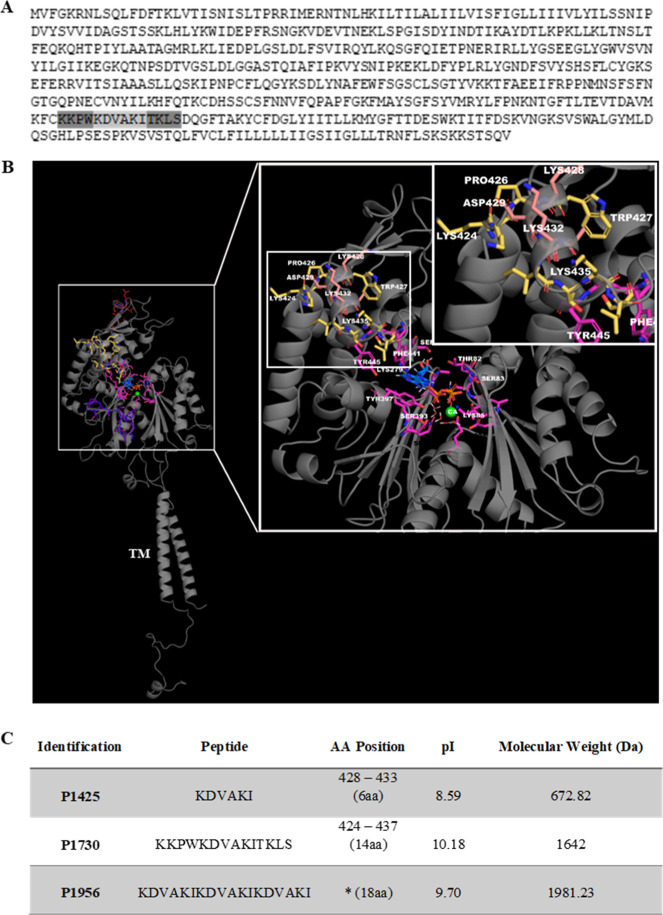 Figure 1
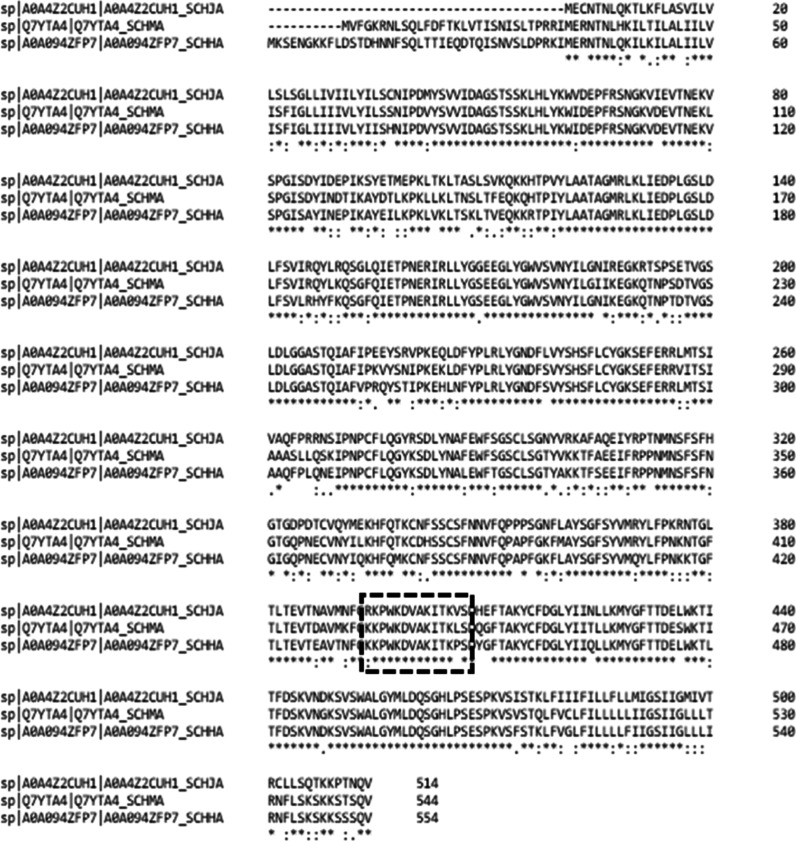 Figure 2
 Figure 3
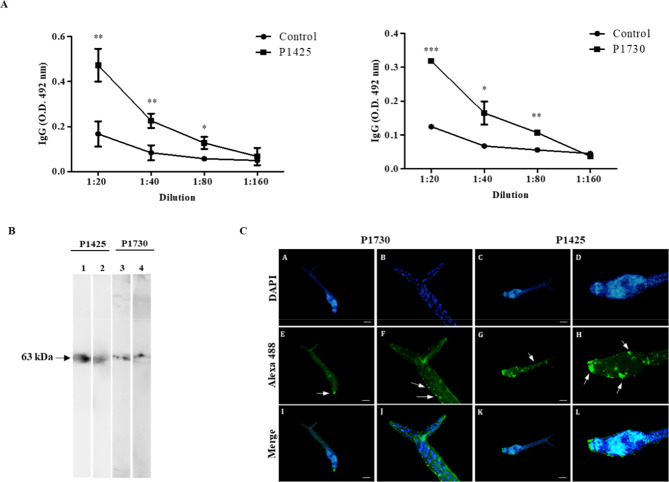 Figure 4
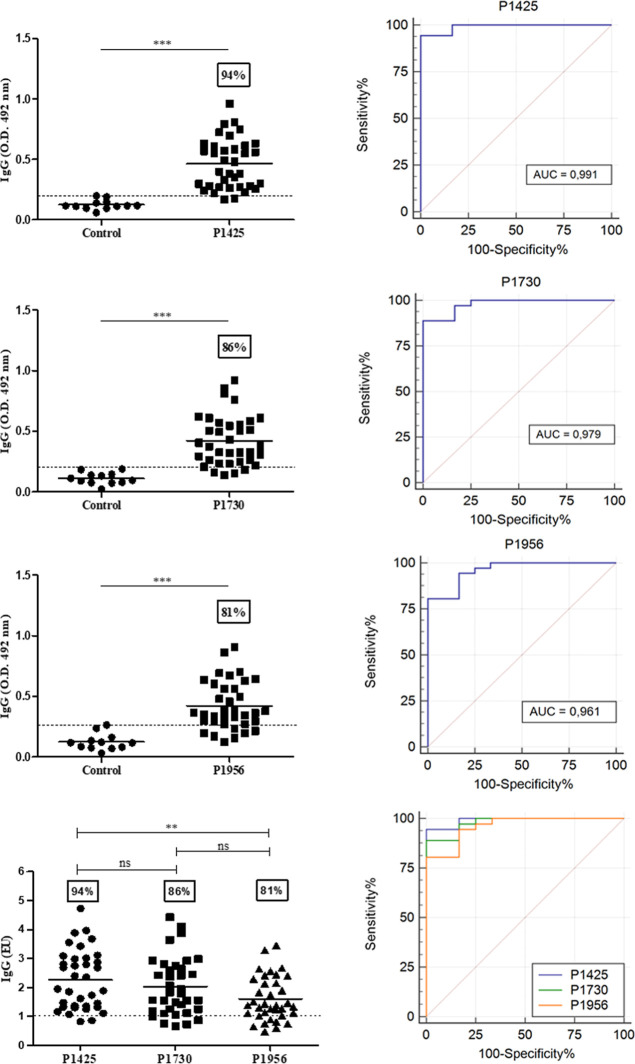 Figure 5
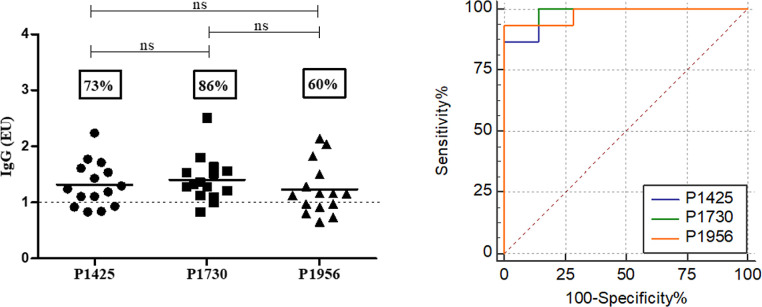 Figure 6
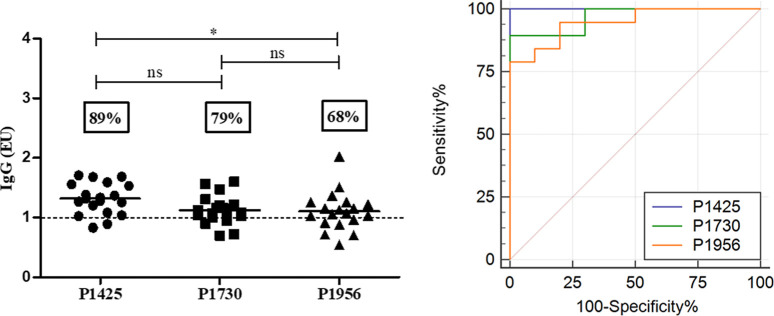 Figure 7
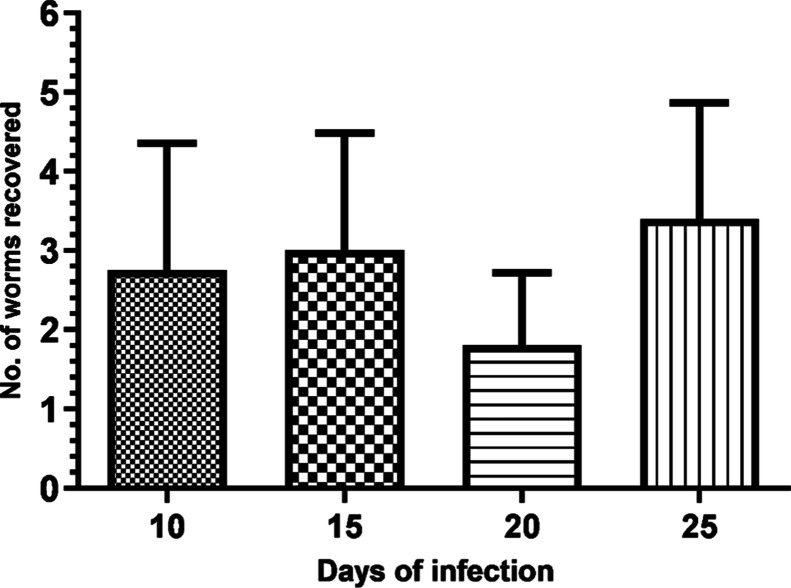 Figure 8
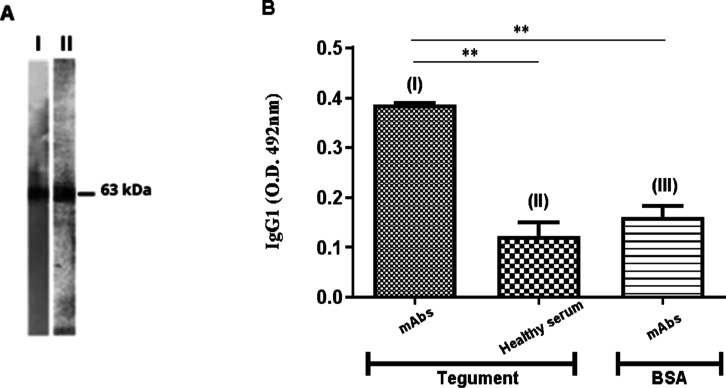 Figure 9
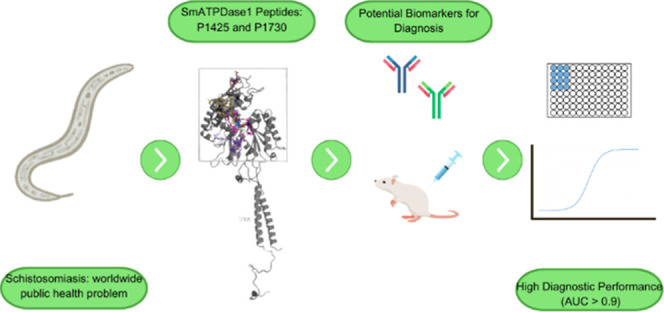 Figure 10
Peer Reviews
No public reviews on file for this paper yet. If you reviewed it on a platform where reviews are public (OpenReview, ICLR, NeurIPS, ICML), you can paste yours below so the community can read it here.
Videos
No videos yet. Explain this paper in a talk, walkthrough, or lecture? Add one.
Taxonomy
TopicsParasites and Host Interactions · Pneumocystis jirovecii pneumonia detection and treatment · Research on Leishmaniasis Studies