Sub-network transcriptome dataset for diseases associated with exposure to bisphenol F and bisphenol S in human SH-SY5Y neuroblastoma cells
Andrea Guzman, Christina L. Sanchez, Emma Ivantsova, Jacqueline Watkins, Sara Sutton, Christopher L. Souders, Christopher J. Martyniuk

TL;DR
This study explores how exposure to BPF and BPS affects gene activity in human nerve cells, revealing disease associations and common responses.
Contribution
The study provides a novel sub-network transcriptome dataset linking bisphenol exposure to specific diseases in neuronal cells.
Findings
BPF and BPS exposure altered 305 and 279 subnetworks, respectively, in SH-SY5Y cells.
Common diseases like vitiligo and panic attack were associated with both BPF and BPS exposure.
The dataset can help identify biomarkers and molecular responses to bisphenol replacements.
Abstract
Bisphenol A replacement chemicals can result in toxicity to neuronal cells, however, the underlying mechanisms are not well characterized. Transcriptome analysis was conducted in the neuronal SH-SY5Y human cell line following exposure of cells to either bisphenol F (BPF) or bisphenol S (BPS) at a concentration of 0.1 nM. Transcriptome data were used to predict which diseases were associated with bisphenol exposure using sub-network enrichment analysis. There were 305 subnetworks perturbed by BPF and 279 subnetworks perturbed by BPS. Top gene sets altered by BPF included urticaria, gastric lesion, attention deficit disorder, familial Mediterranean fever, malocclusion, and lupus erythematosus while for BPS, top gene sets included chronic urticaria, polymyositis, genital herpes, and hypergammaglobulinemia. There were 164 common diseases identified between BPF and BPS datasets. These…
Genes, proteins, chemicals, diseases, species, mutations and cell lines named across the full text — each resolved to its canonical identifier and authoritative record.
Click any figure to enlarge with its caption.
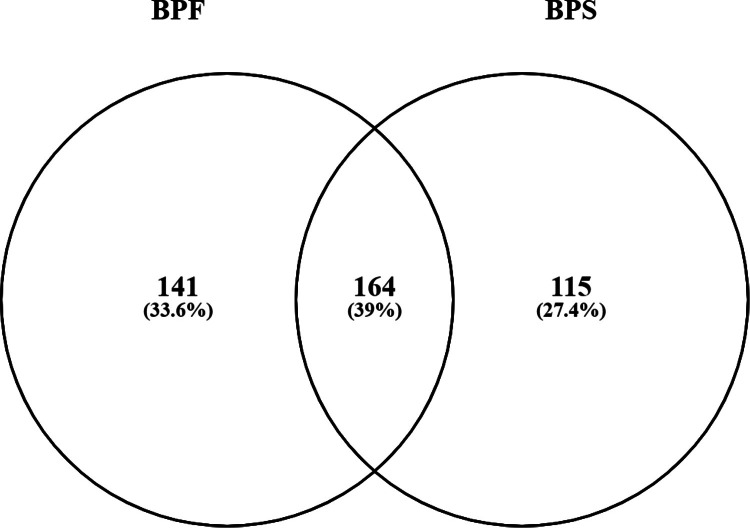 Figure 1
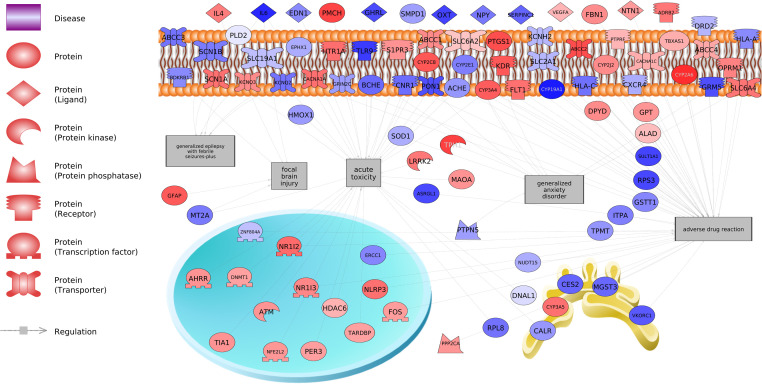 Figure 2
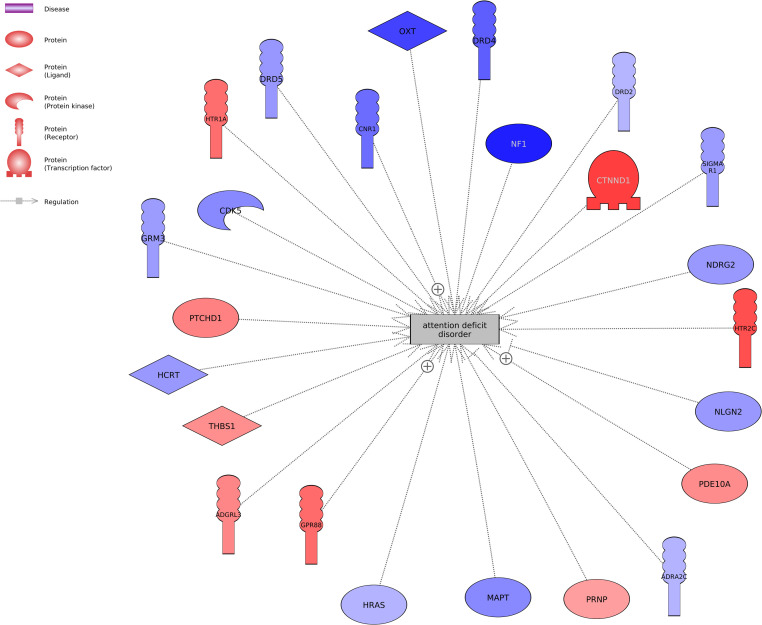 Figure 3
Peer Reviews
No public reviews on file for this paper yet. If you reviewed it on a platform where reviews are public (OpenReview, ICLR, NeurIPS, ICML), you can paste yours below so the community can read it here.
Videos
No videos yet. Explain this paper in a talk, walkthrough, or lecture? Add one.
Taxonomy
TopicsEffects and risks of endocrine disrupting chemicals · Toxic Organic Pollutants Impact · Carcinogens and Genotoxicity Assessment