The co-occurrence patterns and assembly mechanisms of microeukaryotic communities in geothermal ecosystems of the Qinghai-Tibet Plateau
Bingjie Yan, Xiaodong Li, Nanqian Qiao, Zhen Da, Jiajie Xu, Chuanqi Jiang, Sang Ba

TL;DR
This study explores how microeukaryotic communities in geothermal springs of southern Tibet are structured and how they respond to environmental changes.
Contribution
The study reveals novel insights into the assembly mechanisms and stability of microeukaryotic communities across different geothermal habitats and temperature gradients.
Findings
Sediment microeukaryotic community networks become more stable with increasing temperature.
Water communities show decreased stability with higher temperatures and are more influenced by water flow and precipitation.
Latitude and longitude affect sediment communities, while water temperature and electrical conductivity influence water communities.
Abstract
Geothermal spring ecosystems, as extreme habitats, exert significant environmental pressure on their microeukaryotic communities. However, existing studies on the stability of microeukaryotic communities in geothermal ecosystems across different habitats and temperature gradients are still limited. In this study, we used high-throughput 18S rDNA sequencing in combination with environmental factor analysis to investigate the co-occurrence patterns, assembly mechanisms, and responses to environmental changes of microeukaryotic communities in sediment and water samples from 36 geothermal springs across different temperature gradients in southern Tibet. The results show that with increasing temperature, the network stability of microeukaryotic communities in sediments significantly improved, while the stability in water communities decreased. The assembly mechanisms of microeukaryotic…
Genes, proteins, chemicals, diseases, species, mutations and cell lines named across the full text — each resolved to its canonical identifier and authoritative record.
Click any figure to enlarge with its caption.
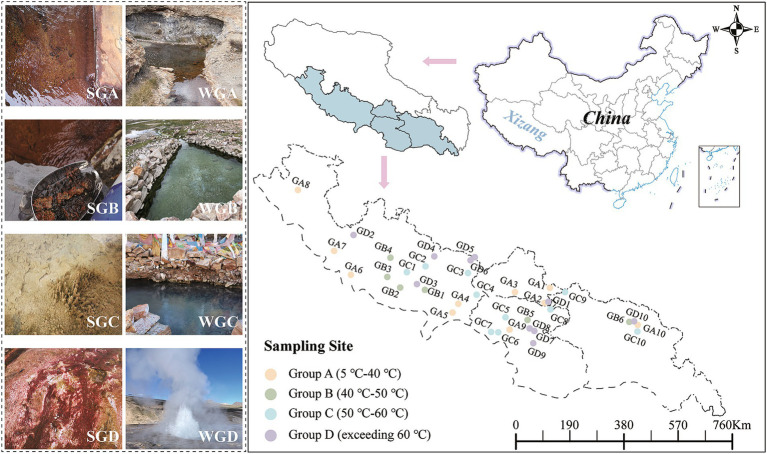 Figure 1
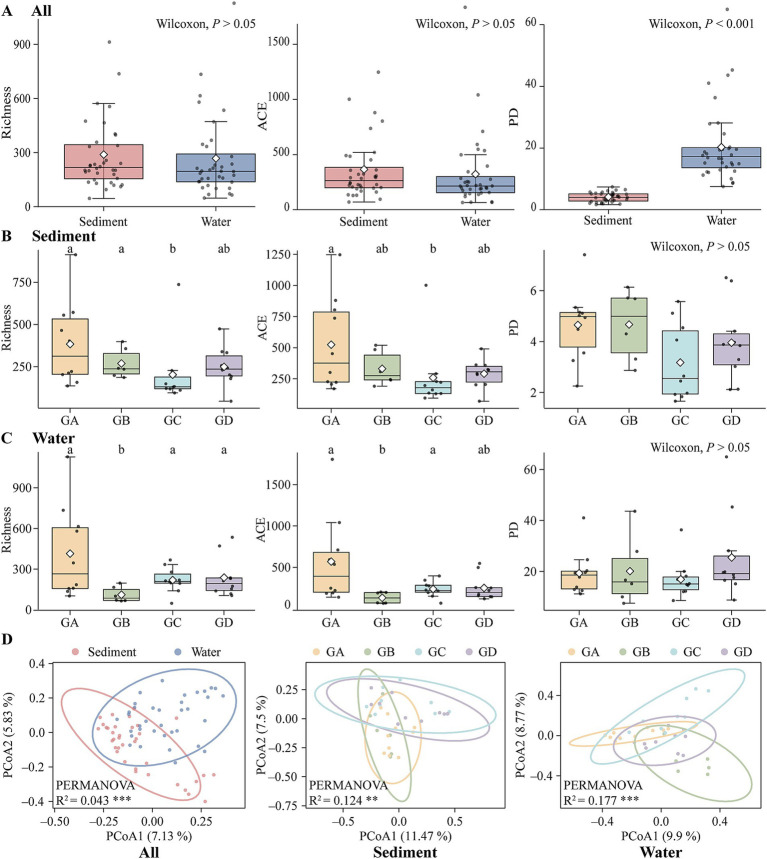 Figure 2
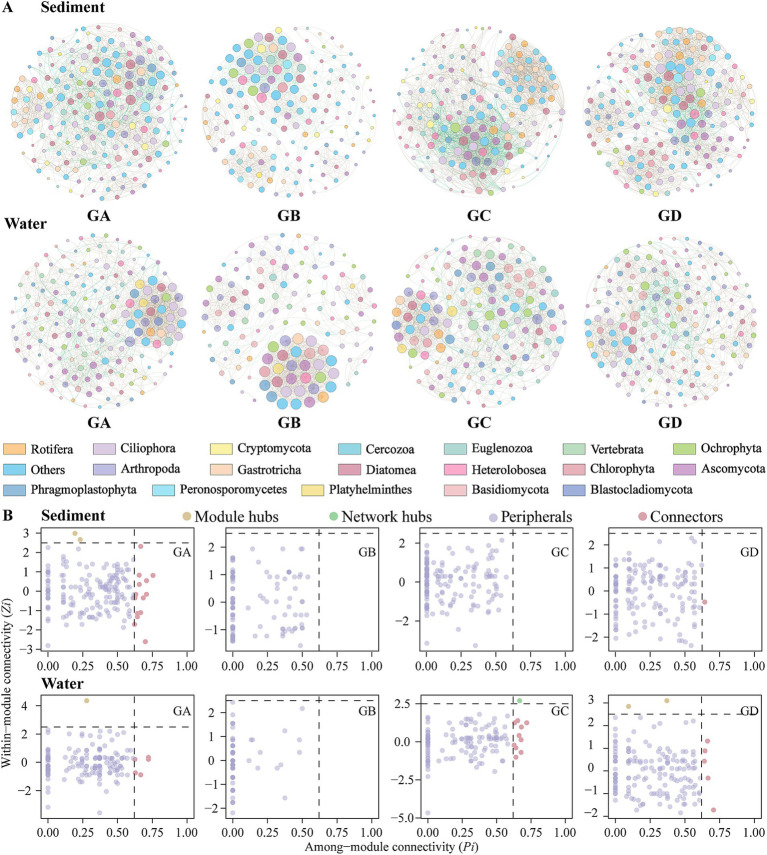 Figure 3
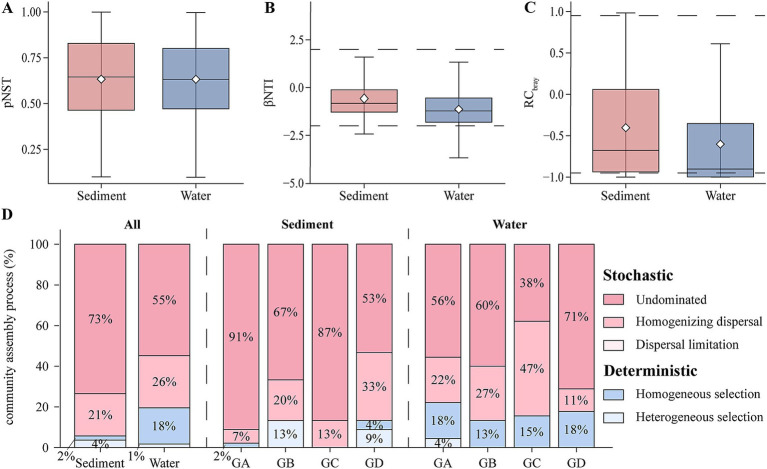 Figure 4
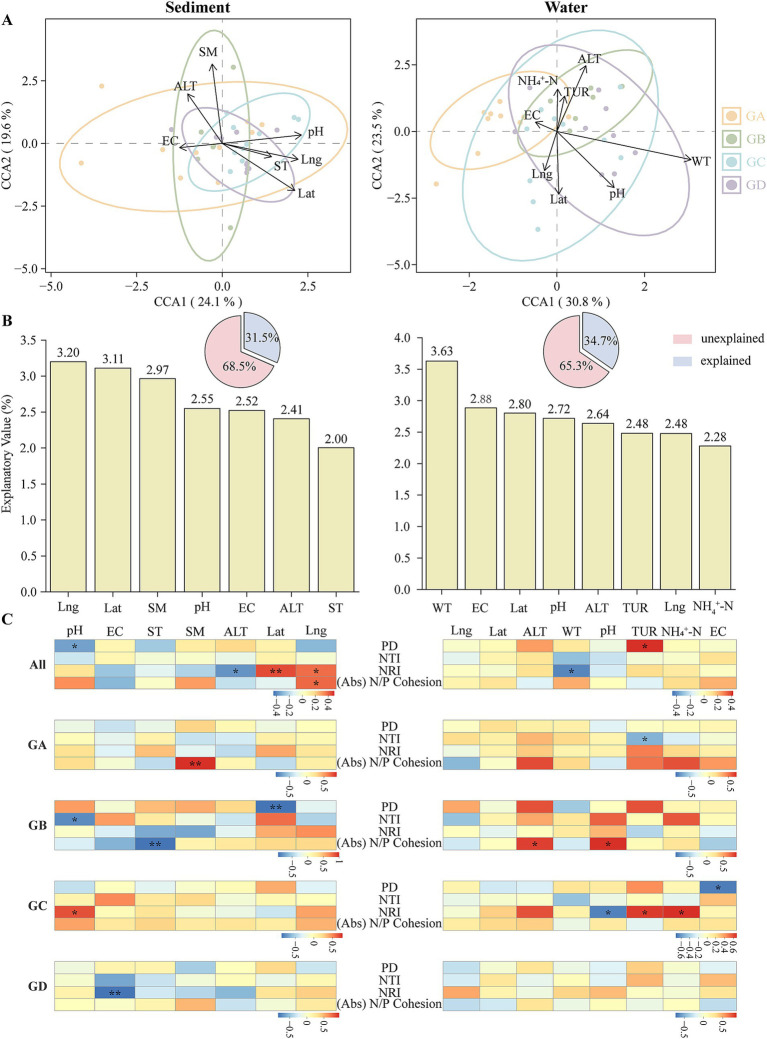 Figure 5
Peer Reviews
No public reviews on file for this paper yet. If you reviewed it on a platform where reviews are public (OpenReview, ICLR, NeurIPS, ICML), you can paste yours below so the community can read it here.
Videos
No videos yet. Explain this paper in a talk, walkthrough, or lecture? Add one.
Taxonomy
TopicsMicrobial Community Ecology and Physiology · Environmental DNA in Biodiversity Studies · Protist diversity and phylogeny