On growth and form of animal behavior
Ilan Golani, Neri Kafkafi

TL;DR
This paper proposes a geometric framework for understanding how behavior in animals develops and functions similarly to anatomy.
Contribution
It introduces a new comparative framework for behavior, linking it to anatomy and genetics through geometric principles.
Findings
Movement-based behavior shares modularity and linearity with skeletal body plans and Hox genes.
Behavior follows strict geometric rules across development, recovery, and evolution.
Geometrization unifies the study of genetics, anatomy, and behavior into a single discipline.
Abstract
In this study we propose an architecture (bauplan) for the growth and form of behavior in vertebrates and arthropods. We show in what sense behavior is an extension of anatomy. Then we show that movement-based behavior shares linearity and modularity with the skeletal body plan, and with the Hox genes; that it mirrors the geometry of the physical environment; and that it reveals the animal’s understanding of the animate and physical situation, with implications for perception, attention, emotion, and primordial cognition. First we define the primitives of movement in relational terms, as in comparative anatomy, yielding homological primitives. Then we define modules, generative rules and the architectural plan of behavior in terms of these primitives. In this way we expose the homology of behaviors, and establish a rigorous trans-phyletic comparative discipline of the morphogenesis of…
Genes, proteins, chemicals, diseases, species, mutations and cell lines named across the full text — each resolved to its canonical identifier and authoritative record.
Click any figure to enlarge with its caption.
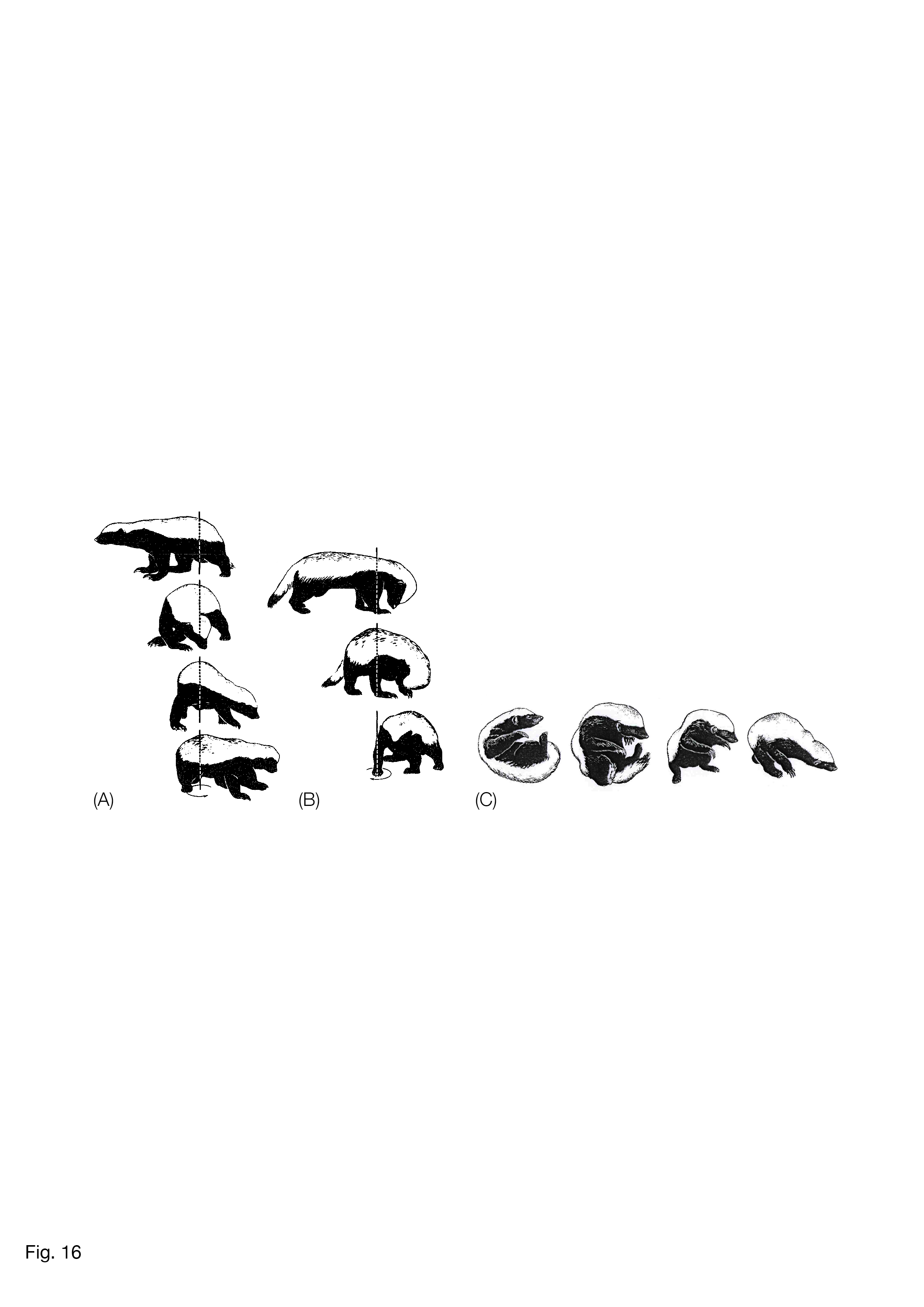 Figure 1
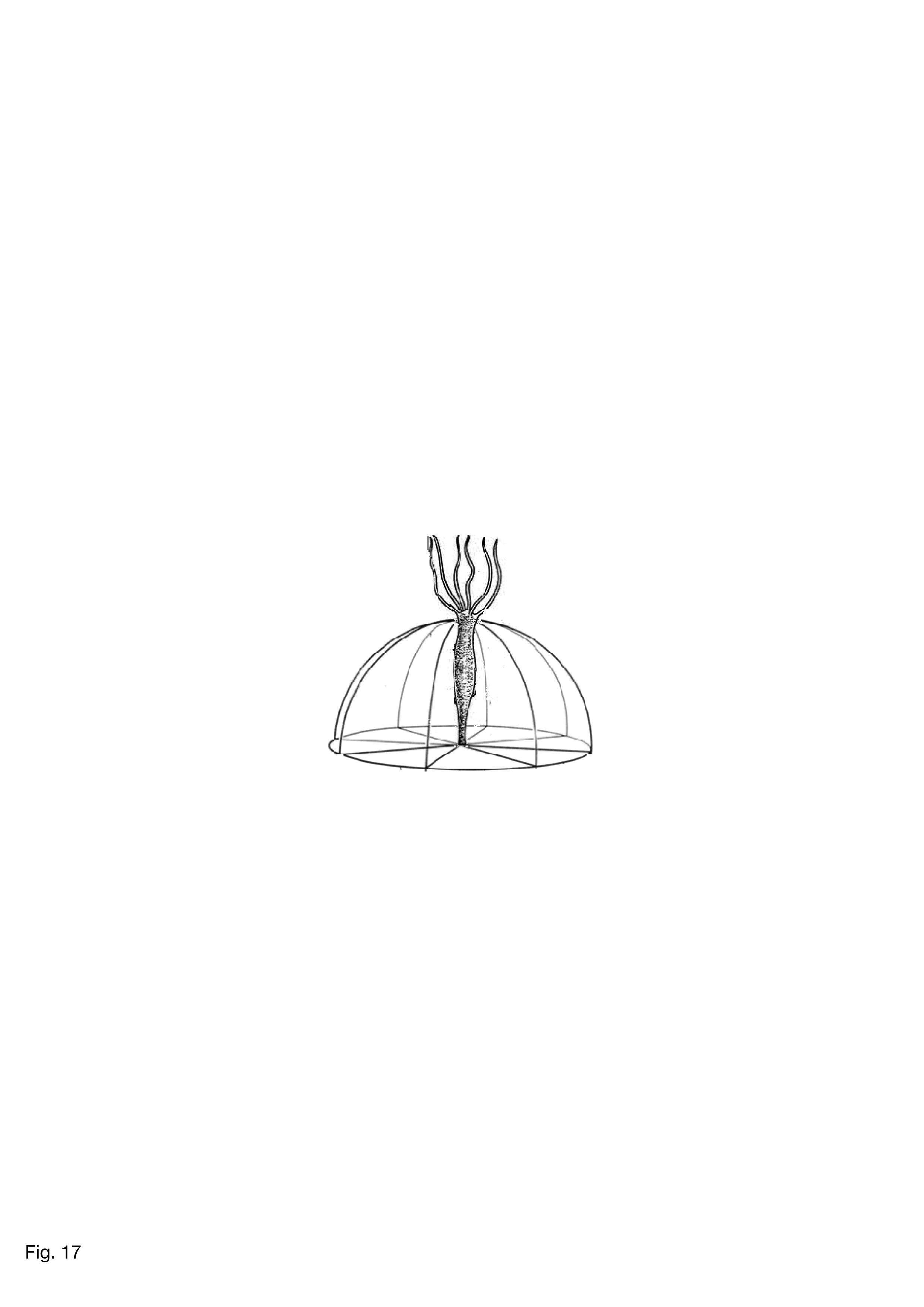 Figure 2
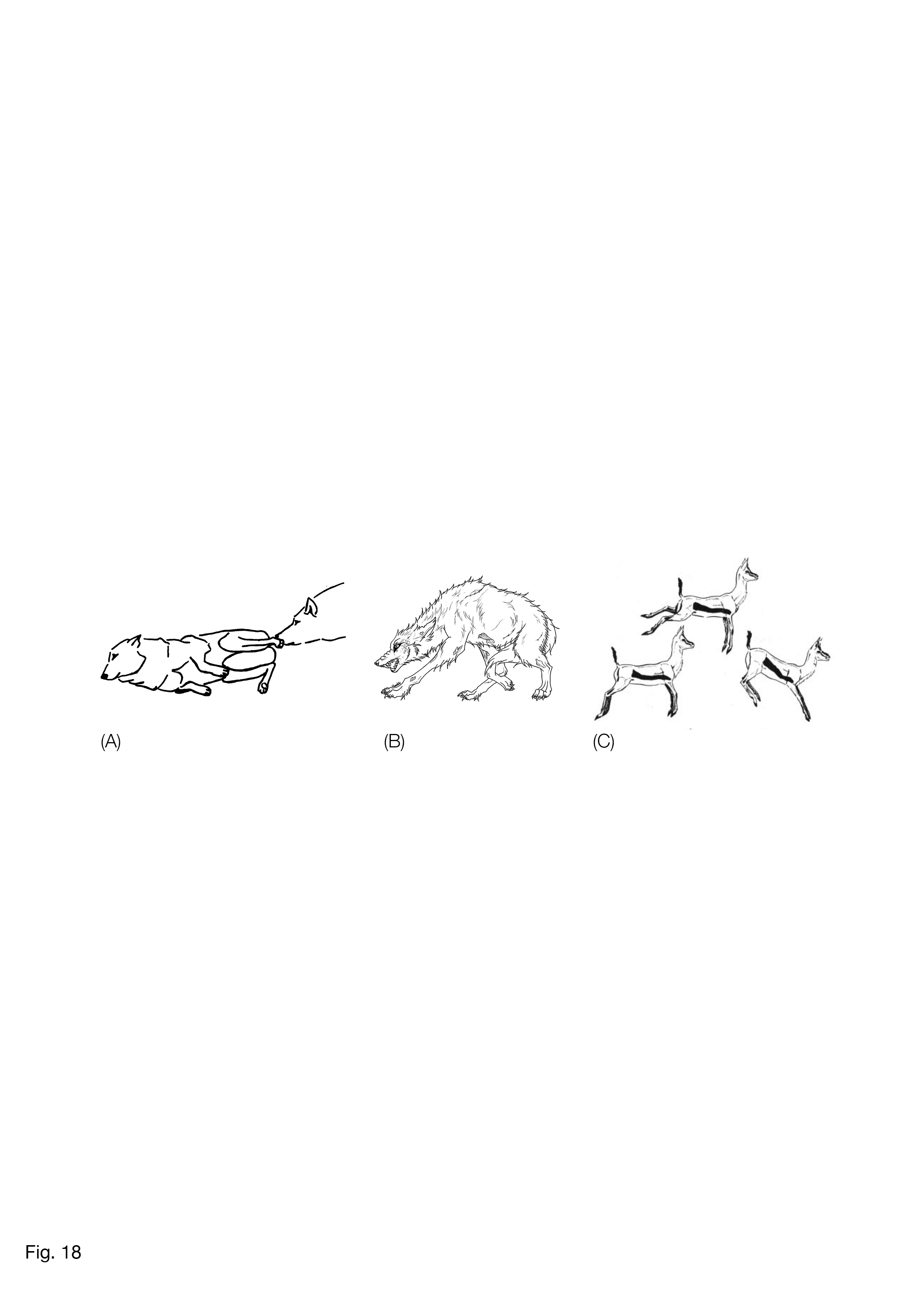 Figure 3
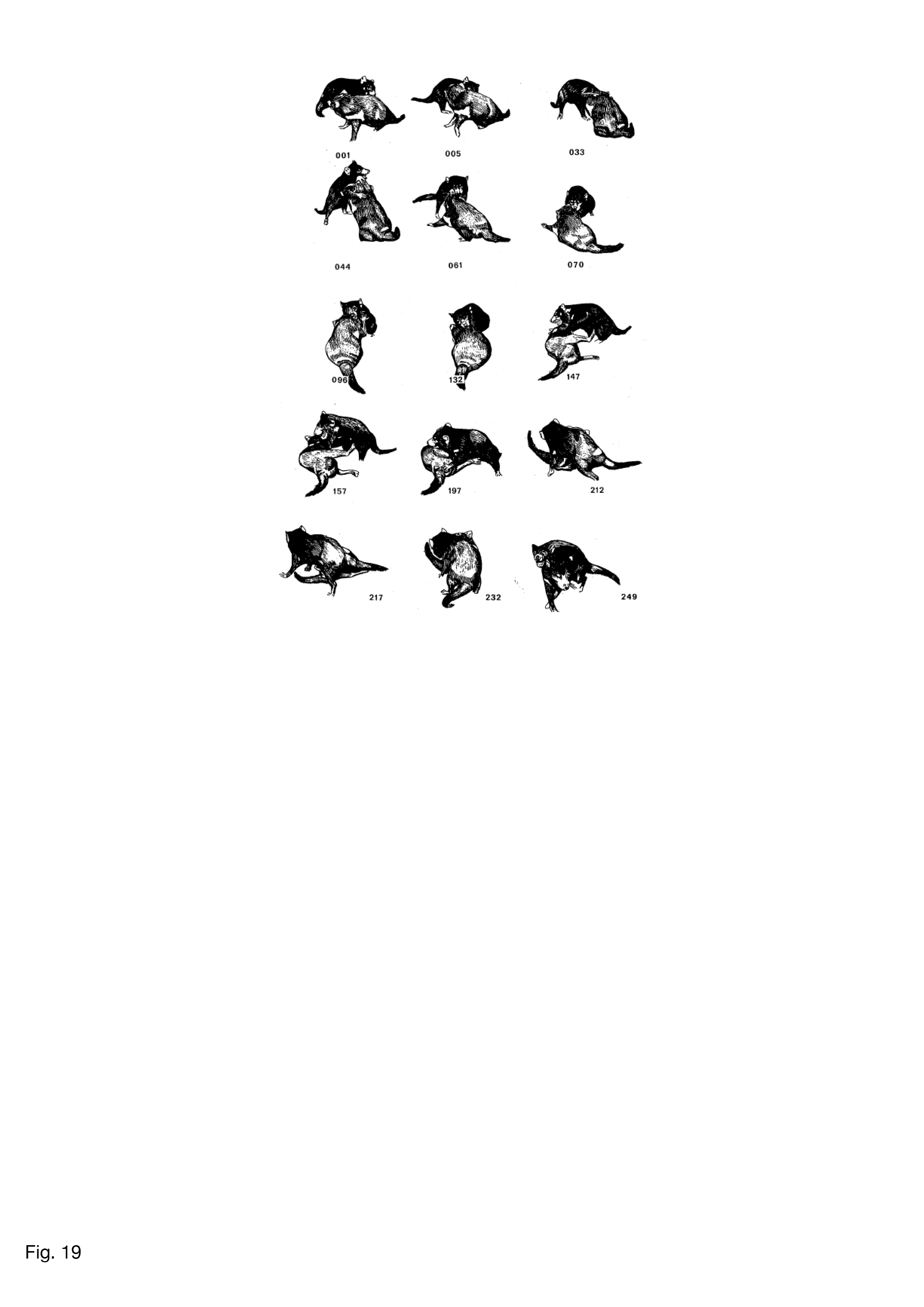 Figure 4
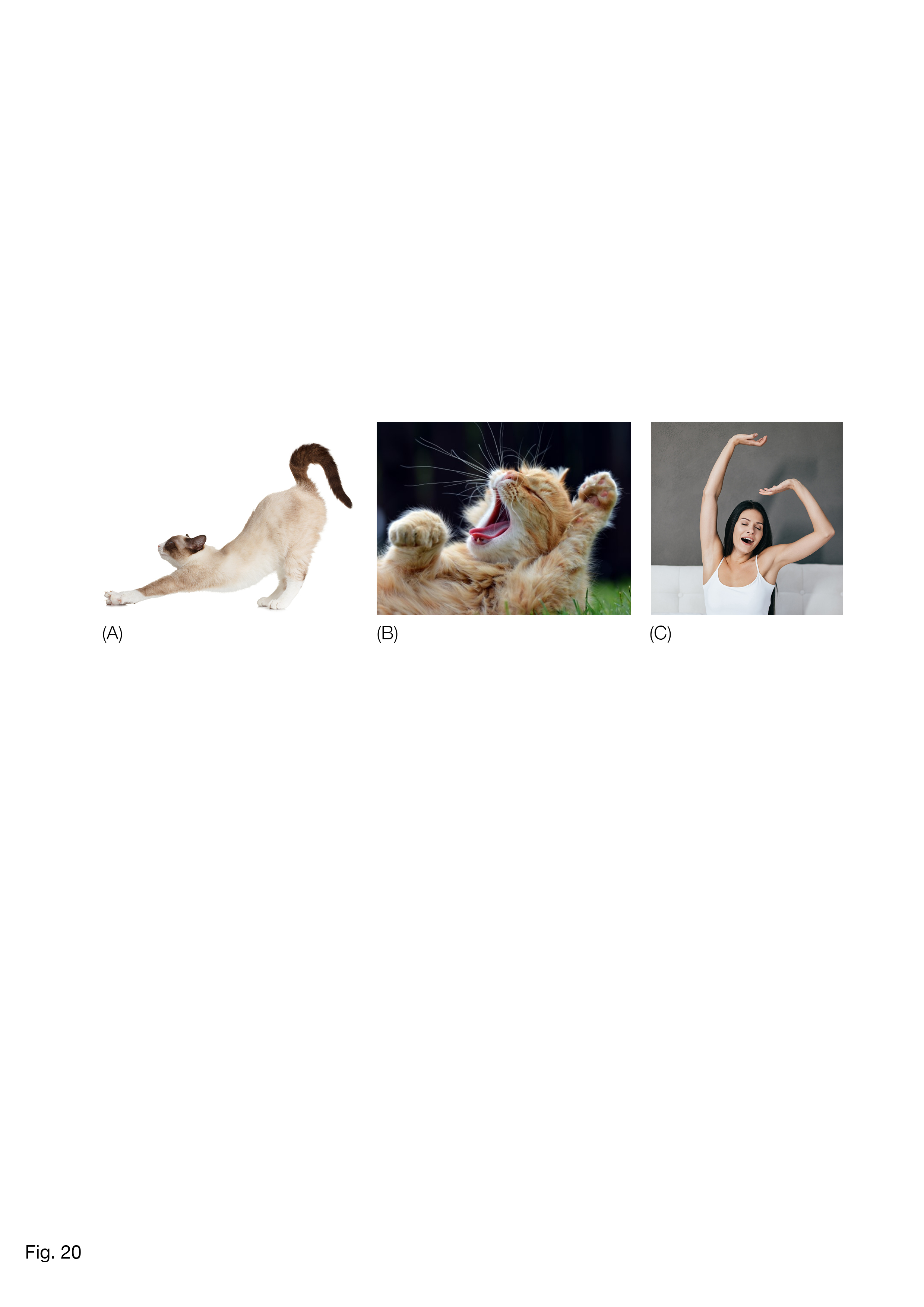 Figure 5
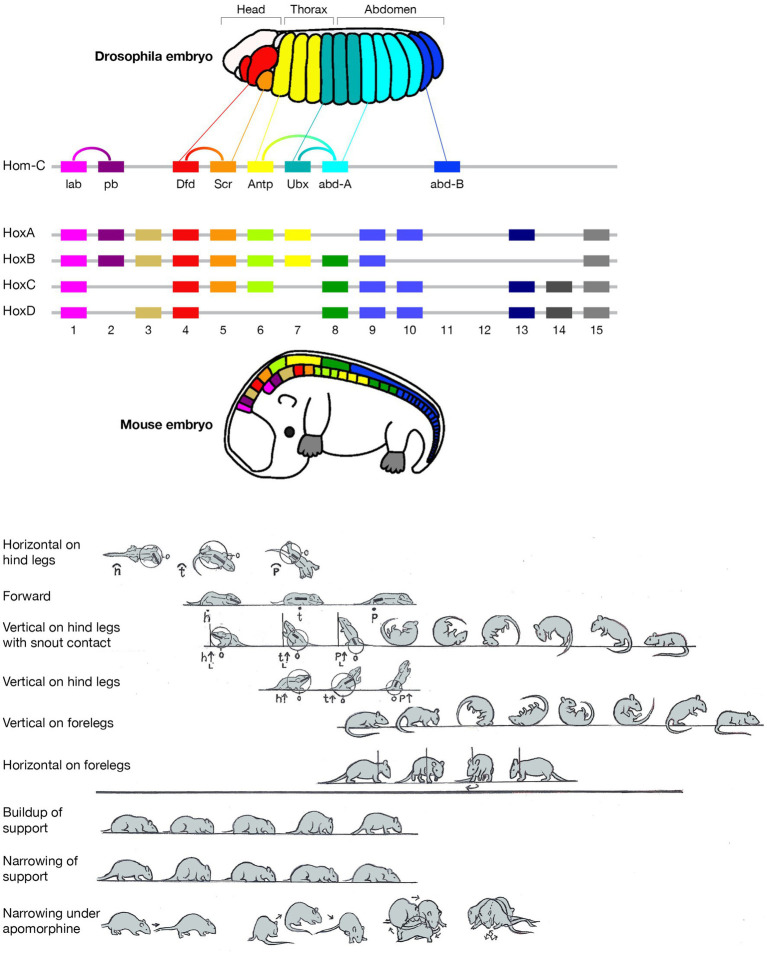 Figure 6
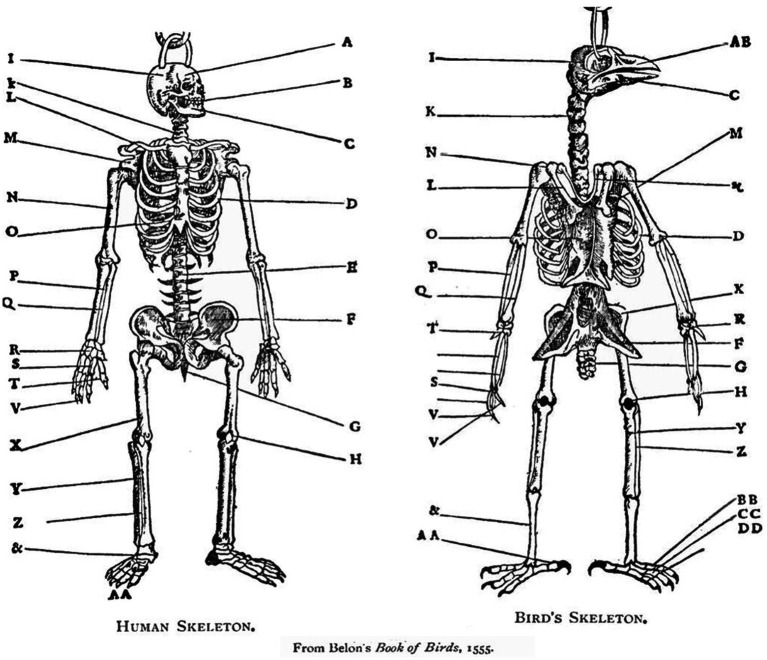 Figure 7
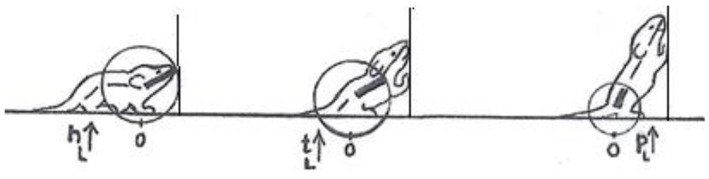 Figure 8
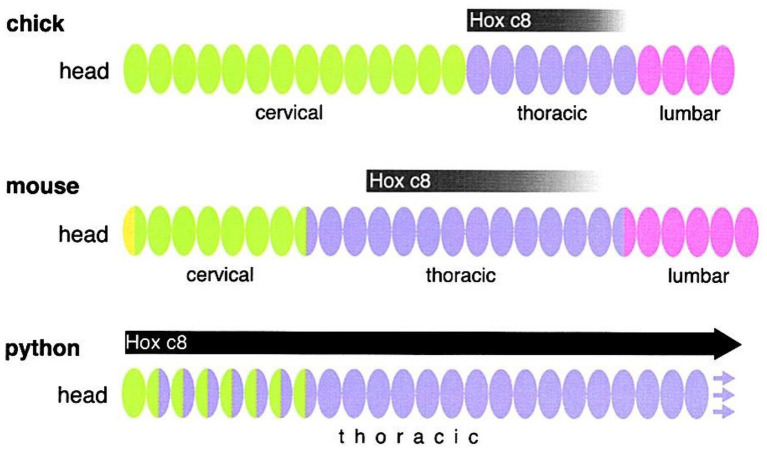 Figure 9
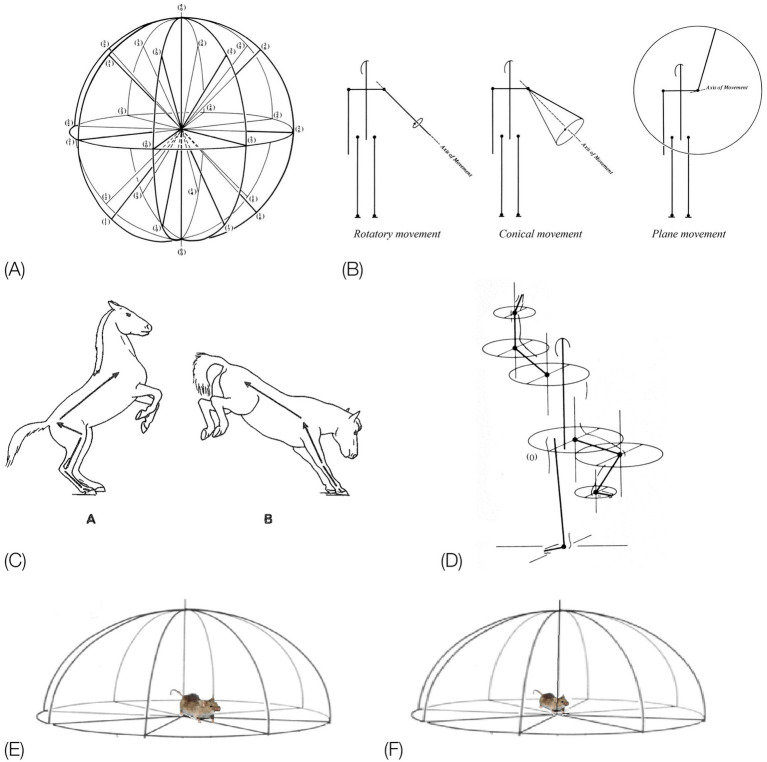 Figure 10
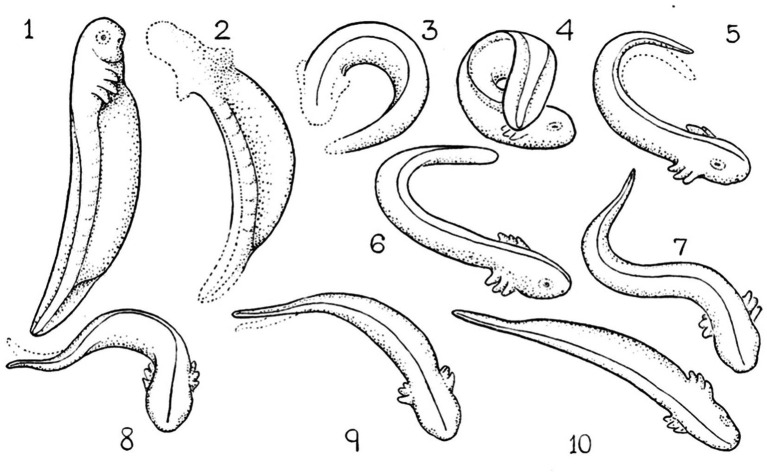 Figure 11
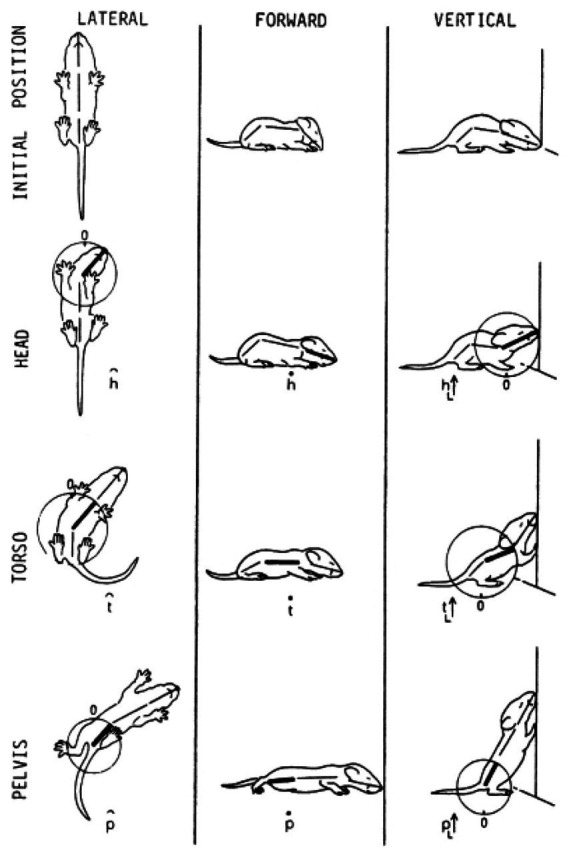 Figure 12
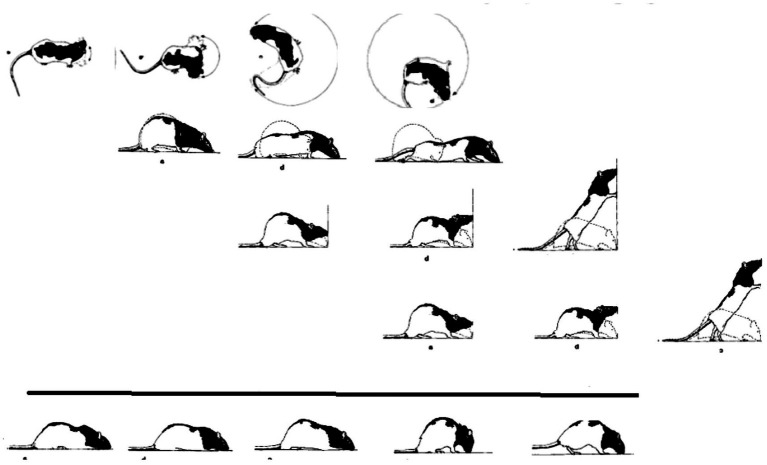 Figure 13
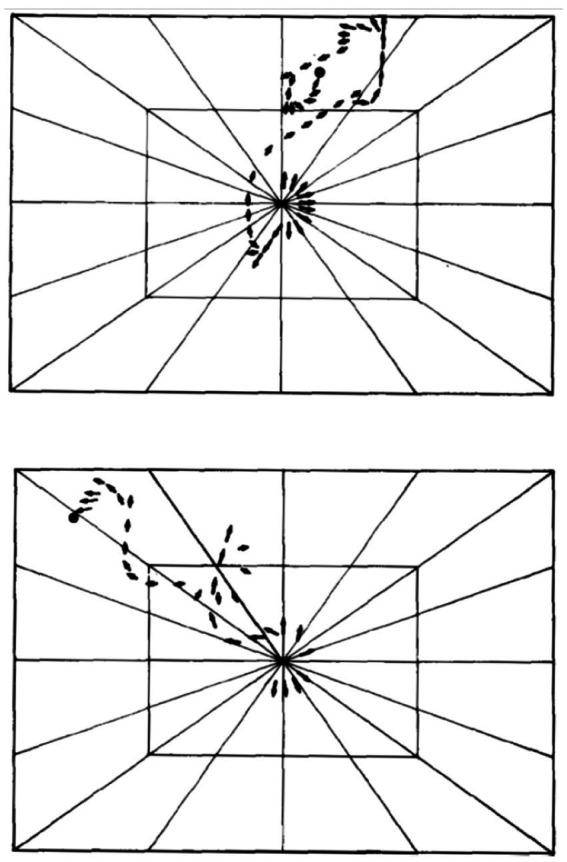 Figure 14
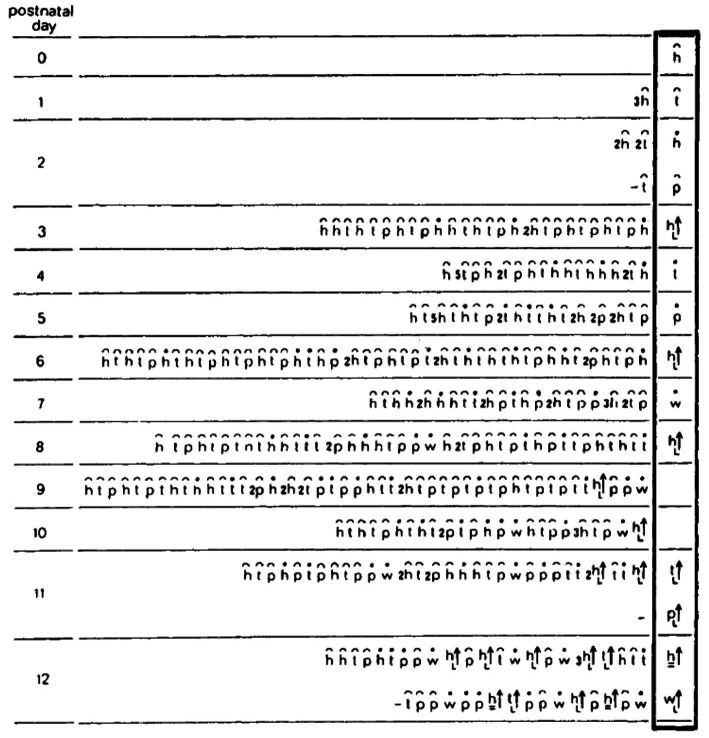 Figure 15
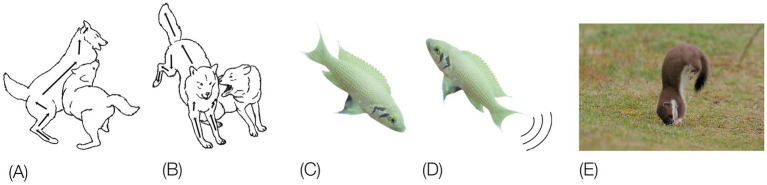 Figure 16
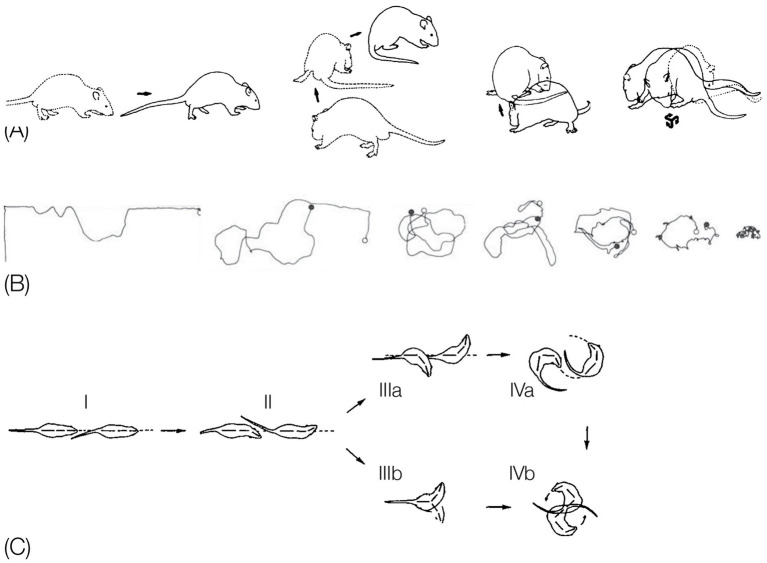 Figure 17
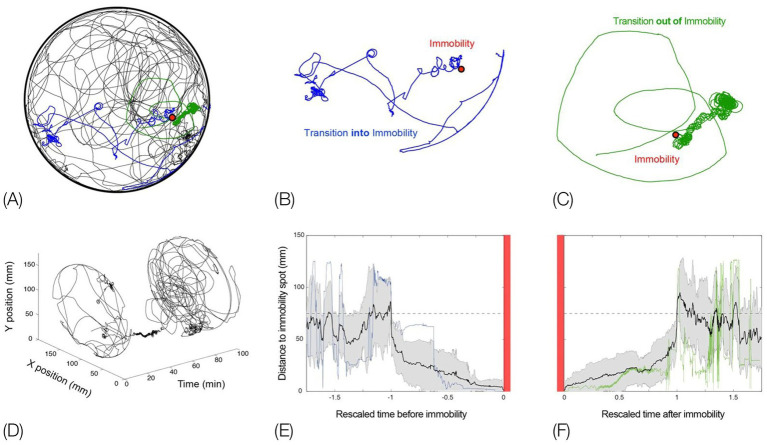 Figure 18
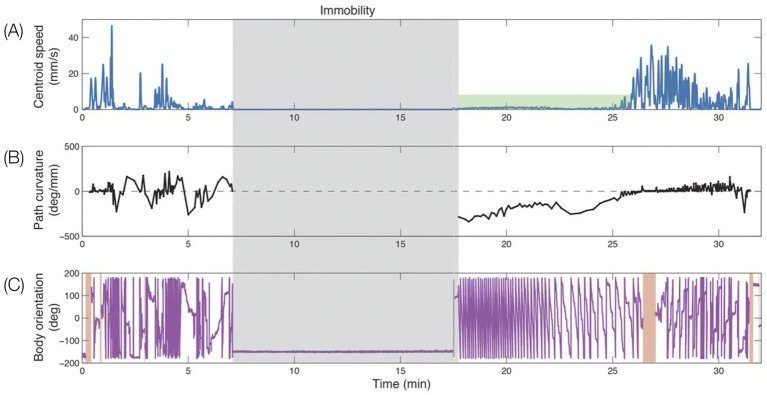 Figure 19
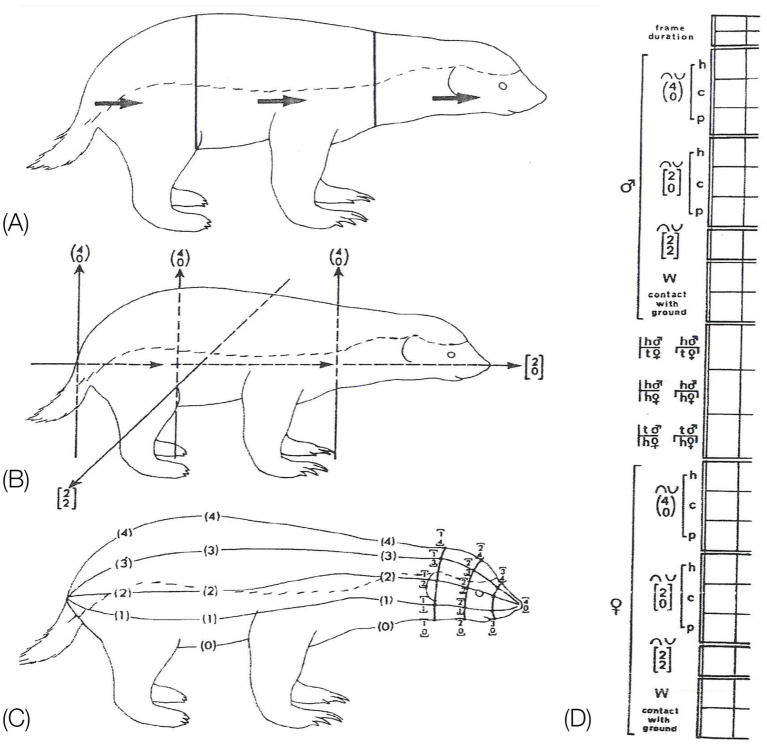 Figure 20
Peer Reviews
No public reviews on file for this paper yet. If you reviewed it on a platform where reviews are public (OpenReview, ICLR, NeurIPS, ICML), you can paste yours below so the community can read it here.
Videos
No videos yet. Explain this paper in a talk, walkthrough, or lecture? Add one.
Taxonomy
TopicsPlant and Biological Electrophysiology Studies · Neurobiology and Insect Physiology Research · Child and Animal Learning Development