Roles of the rpoEc-chrR-chrA operon in superoxide tolerance and β-lactam susceptibility of Stenotrophomonas maltophilia
Ren-Hsuan Ku, Hsu-Feng Lu, Li-Hua Li, Ting-Yu Yeh, Yi-Tsung Lin, Tsuey-Ching Yang

TL;DR
This study explores how a gene system in Stenotrophomonas maltophilia helps the bacteria tolerate stress and respond to antibiotics.
Contribution
A novel regulatory circuit involving the rpoEc-chrR-chrA operon and a nine-gene cluster was discovered in S. maltophilia.
Findings
The rpoEc-chrR pair contributes to superoxide tolerance and β-lactam susceptibility in S. maltophilia.
A nine-gene cluster upstream of the operon is involved in membrane lipid modification and influences stress responses.
Deleting the nine-gene cluster reverted stress tolerance and antibiotic susceptibility to wild-type levels.
Abstract
The rpoE-chrR pair is a regulatory system used by photosynthetic microorganisms to overcome singlet oxygen stress. rpoE and chrR encode the sigma factor σE and anti-sigma factor ChrR, respectively. Stenotrophomonas maltophilia, an opportunistic pathogen, is a multidrug-resistant gram-negative bacterium. Although it is not a photosynthetic microorganism, a rpoE-chrR homolog (smlt2377-smlt2378) was found in the S. maltophilia genome. In this study, we aimed to assess the significance of σEc-ChrR pair in oxidative stress alleviation and antibiotic susceptibility of S. maltophilia KJ. Reverse transcription-polymerase chain reaction was used to validate the presence of operon. The contribution of rpoEc-chrR-chrA operon to oxidative stress alleviation and antibiotic susceptibility was evaluated using mutant constructs and stress-tolerance assays. RNA-seq transcriptome assay of wild-type KJ,…
Genes, proteins, chemicals, diseases, species, mutations and cell lines named across the full text — each resolved to its canonical identifier and authoritative record.
Click any figure to enlarge with its caption.
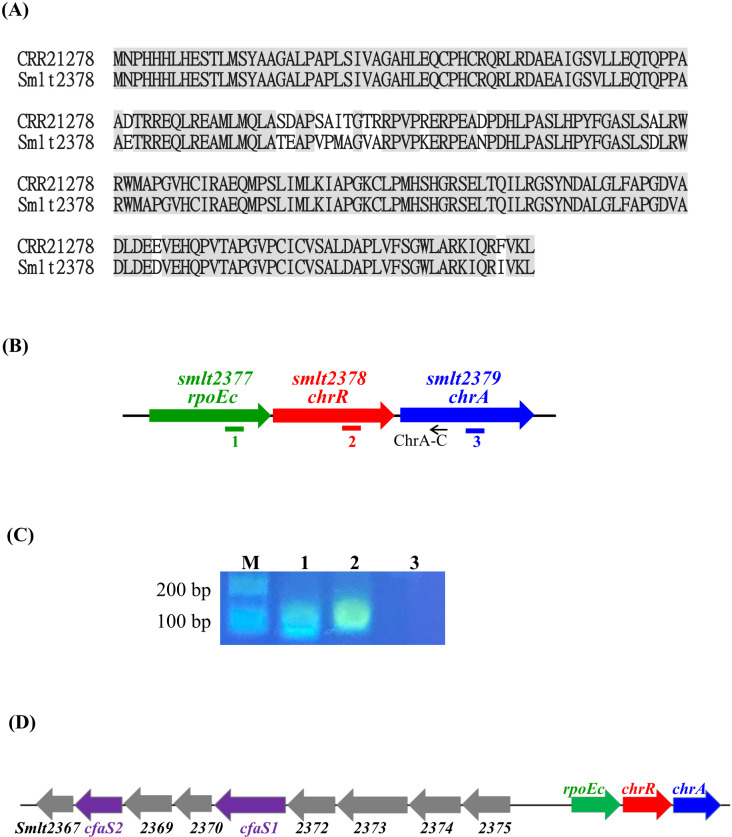 Figure 1
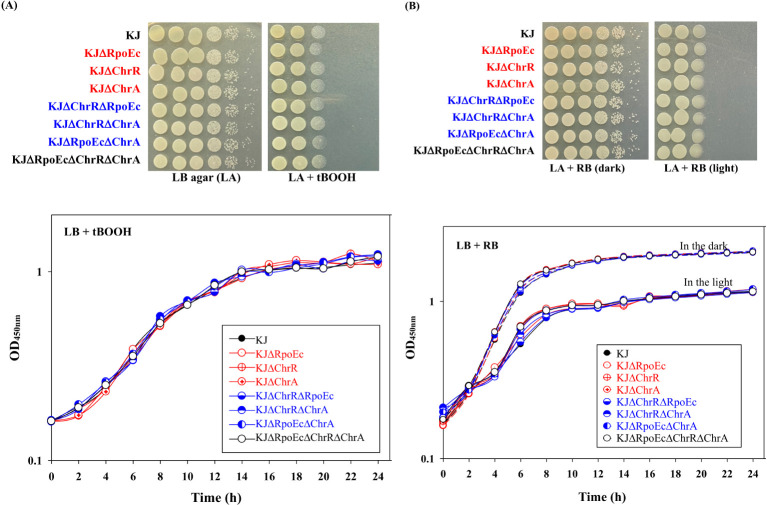 Figure 2
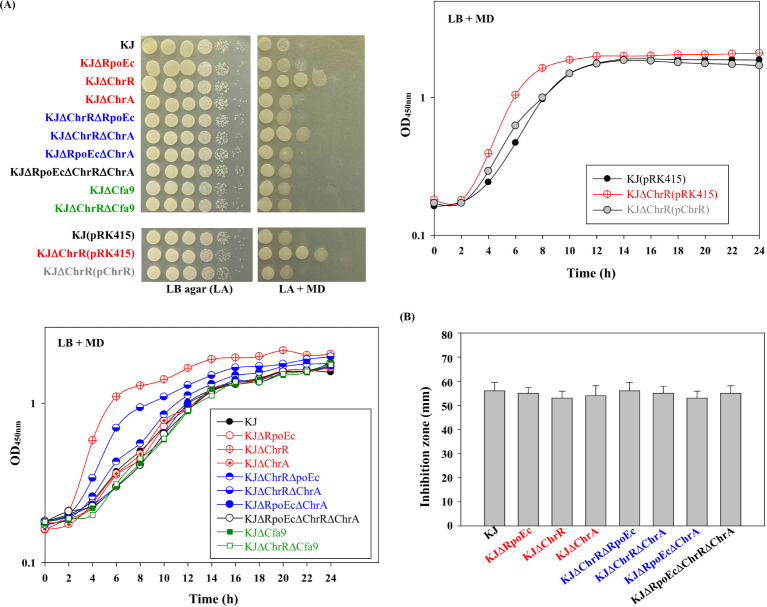 Figure 3
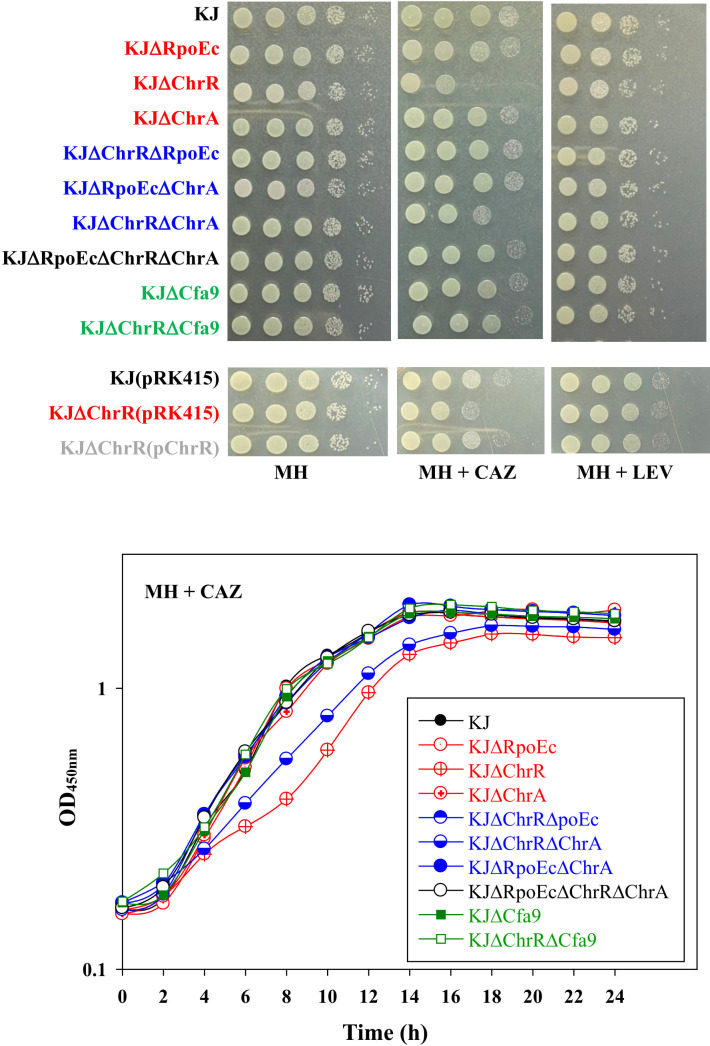 Figure 4
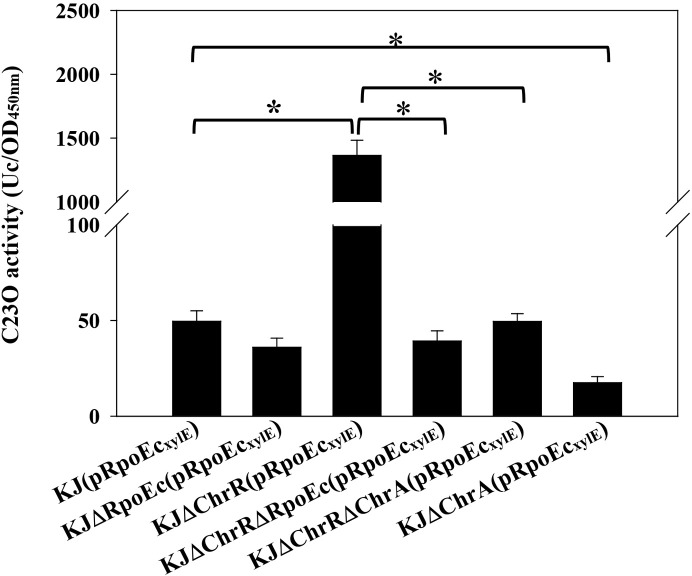 Figure 5
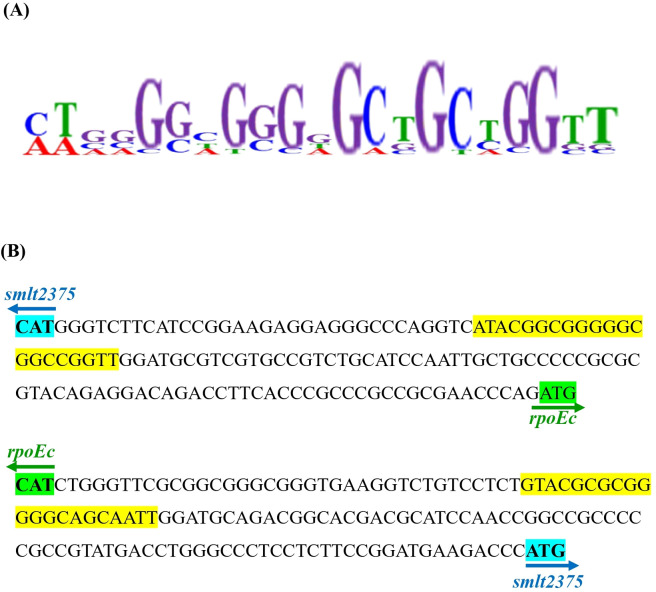 Figure 6
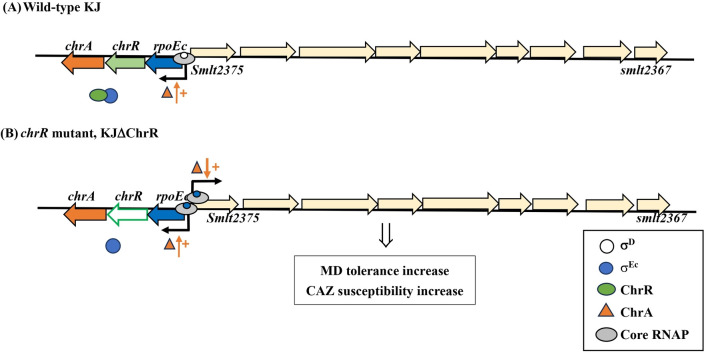 Figure 7
Peer Reviews
No public reviews on file for this paper yet. If you reviewed it on a platform where reviews are public (OpenReview, ICLR, NeurIPS, ICML), you can paste yours below so the community can read it here.
Videos
No videos yet. Explain this paper in a talk, walkthrough, or lecture? Add one.
Taxonomy
TopicsInfections and bacterial resistance · Microbial bioremediation and biosurfactants · Bacterial biofilms and quorum sensing