Development of a Monocyte Activation Test for Evaluating Recombinant Hepatitis B Vaccine: A Novel Approach for Pyrogen Assessment
Delaram Doroud, Zohre Eftekhari, Mojtaba Daneshi, Parisa Gheibi, Nazanin Jabbari, Maryam Khatami, Marzieh Hosseini

TL;DR
Researchers developed a new test using monocytes to detect fever-inducing substances in a hepatitis B vaccine, showing it works better than traditional methods.
Contribution
The study introduces a novel monocyte activation test (MAT) as a more sensitive alternative to traditional pyrogen tests for vaccine quality control.
Findings
The MAT detected pyrogenic content at 2.5 EU/mL IL-6, more sensitive than the RPT's 5 EU/mL.
Monocyte-derived IL-6 showed strong responses to LPS and LTA, suggesting its value as a pyrogen marker.
The MAT proved consistent and accurate under European Pharmacopoeia standards, outperforming the RPT.
Abstract
Injectable products, particularly human vaccines, must be free from fever-inducing agents and thoroughly tested for pyrogens as part of a quality control. Consequently, manufacturing facilities are required to conduct appropriate pyrogen tests per pharmacopoeial standards. This study aimed to evaluate the reliability of the MAT in quantifying pyrogenic content in the recombinant hepatitis B vaccine. We assessed pyrogen activity in the API, formulated vaccine, and aluminum hydroxide by comparing the LAL, RPT, and MAT, measuring activity in RPU as per the European Pharmacopoeia. Monocytes from healthy donors were isolated and identified via flow cytometry to measure the CD14+ marker frequency. The study found that the pyrogenic concentration of LTA in the MAT was 50,000 ng/mL (5.19 EEU/mL). In contrast, the same concentration in the RPT was deemed non-pyrogenic based on rectal…
Genes, proteins, chemicals, diseases, species, mutations and cell lines named across the full text — each resolved to its canonical identifier and authoritative record.
Click any figure to enlarge with its caption.
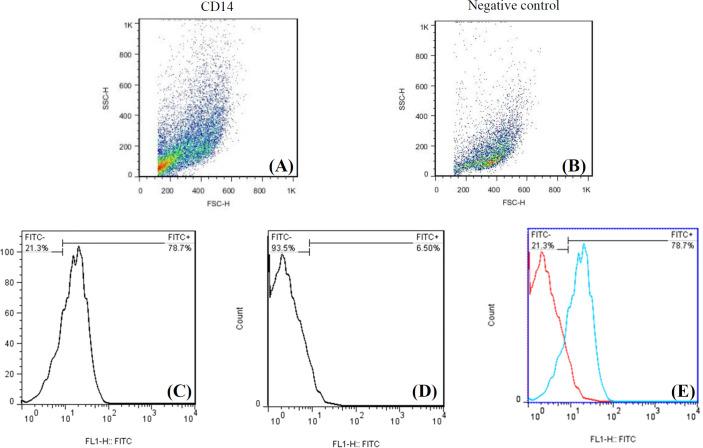 Fig. 1
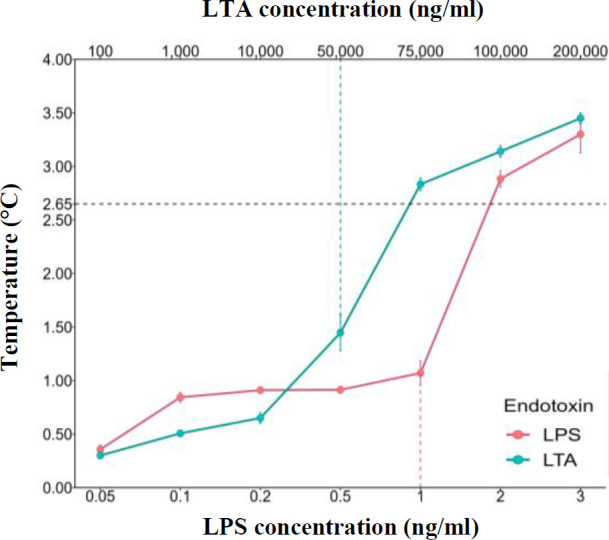 Fig. 2
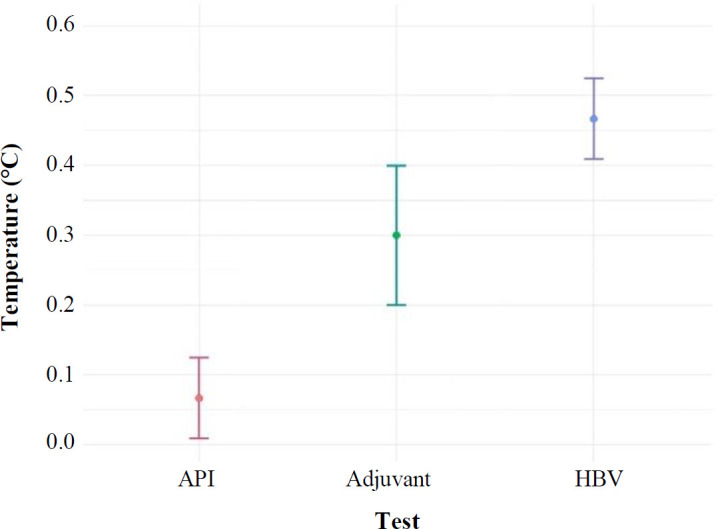 Fig. 3
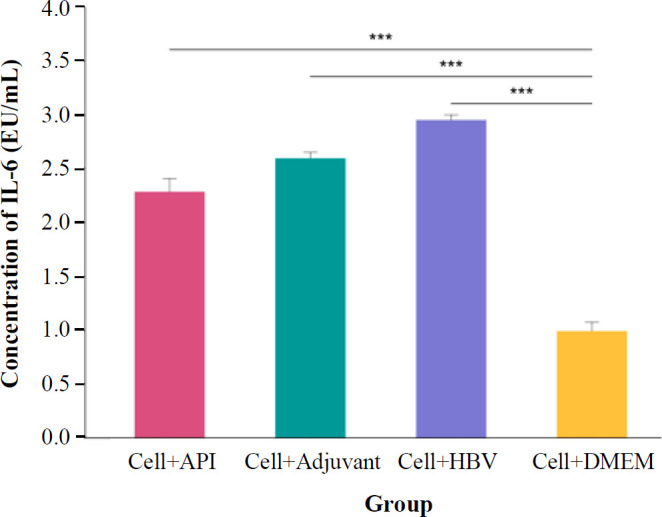 Fig. 4
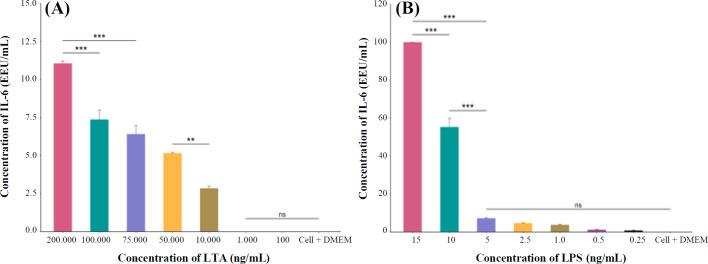 Fig. 5
| Concentration (ʎ) | Number of repeats | |||
|---|---|---|---|---|
| 1 | 2 | 3 | 4 | |
|
|
|
|
|
|
|
| + | + | + | + |
|
| + | + | + | + |
|
| + | + | + | + |
|
| + | + | + | + |
|
| - | - | - | - |
| Solution | Endotoxin/diluent concentration | Number of repeats | |||
|---|---|---|---|---|---|
| 1 | 2 | 3 | 4 | ||
| Series A | Sample tested with concentration MVD/0 | - | - | - | - |
| 2ʎ/sample tested with concentration MVD | + | + | + | + | |
| 1ʎ/sample tested with concentration MVD | + | + | + | + | |
| 0.5ʎ/sample tested with concentration MVD | + | + | + | + | |
| 0.25ʎ/sample tested with concentration MVD | + | + | + | + | |
| Series D | 2 ʎ /pyrogen-free water | + | + | + | + |
| 1ʎ/pyrogen-free water | + | + | + | + | |
| 0.5ʎ/pyrogen-free water | + | + | + | + | |
| 0.25ʎ/pyrogen-free water | + | + | + | + | |
| 0/pyrogen-free water | - | - | - | - | |
Peer Reviews
No public reviews on file for this paper yet. If you reviewed it on a platform where reviews are public (OpenReview, ICLR, NeurIPS, ICML), you can paste yours below so the community can read it here.
Videos
No videos yet. Explain this paper in a talk, walkthrough, or lecture? Add one.
Taxonomy
TopicsHepatitis B Virus Studies · Hepatitis C virus research · Immune Response and Inflammation
INTRODUCTION
Pyrogens are substances that can induce febrile reactions and are considered the primary cause of in vivo fever. Exogenous pyrogens that are able to trigger fever include LPS, LTA, exotoxins, muramyl dipeptide, and peptidoglycan. Endogenous pyrogens stimulate host macrophages to release inflammatory cytokines such as IL-1, IL-6, and TNF-α, leading to increased hypothalamic prostaglandin production and excessive inflammation, which can cause multiple organ failure and even death^[^^1^^]^.
Endotoxins are the most common pathogenic molecules that pose a threat to the pharmaceutical and medical device industries. They are highly resistant to temperature and difficult to remove by conventional methods^[^^2^^]^. Hence, it is advisable to assess the pyrogenicity of used materials and conduct pyrogen tests as a means to guarantee the absence of pyrogens in all injectable substances. These tests may include the RPT, the LAL test, and the MAT^[^^3^^,^^4^^]^.
Human monocyte cells can be stimulated by the LTA of Gram-positive bacteria, resulting in the secretion of inflammatory cytokines such as IL-6. This behavior of LTA, unlike the LAL, allows for the identification of the pyrogenic substance^[^^5^^]^. The initial method developed was the RPT, where the substance is introduced through intravenous injection in rabbits, and their body temperature is monitored for fever reactions. This test is capable of identifying all forms of pyrogenic substances^[^^6^^]^. Subsequently, the BET was created, in which the amoebocyte lysate obtained from the Limulus or Tachypleus horseshoe crab is used to form clots in the presence of endotoxin. Nonetheless, its application as a substitute for the RPT is restricted as it can only detect the most common pyrogen and endotoxin while failing to identify NEPs like peptidoglycan, lipoproteins, and bacterial DNA. The latest test to be developed is the MAT^[^^1^^]^. Monocytic cells are essential to the natural immune system, expressing pattern recognition receptors such as TLRs and NOD-like receptors that bind to specific exogenous pyrogens. This binding triggers monocyte activation and the release of endogenous pyrogens, such as the cytokines TNF-α and IL-1b, -6, and -8, which are key mediators of the inflammatory response, including fever^[^^6^^,^^7^^]^.
This research advocates for using the MAT test as a replacement for the RPT and LAL assays in the pharmaceutical industry to monitor the production of inherently pyrogenic vaccines. Viral hepatitis is among the top five causes of premature mortality worldwide, resulting in at least one million deaths annually. Hepatitis B, a DNA virus transmitted through blood and blood products, significantly contributes to hepatocellular carcinoma and liver cirrhosis, claiming over a million lives each year. This article details the development and validation of the MAT test for the reliable and safe evaluation of recombinant HBV produced at the Pasteur Institute of Iran.
MATERIALS AND METHODS
Production of Recombinant hepatitis B vaccine
The recombinant hepatitis B surface antigen vaccine was produced at a large-scale fermentation using a recombinant strain of the methylotrophic yeast Pichia pastoris. Fermentation was carried out in the fed-batch mode in a pre-sterilized medium at 29 °C, with a pH of around 4.7, by adding a 20% w/v ammonia solution.
Preparation of standard LPS and LTA
LPS solutions (10 mg; L2880 E. coli O55:B5; Sigma, Germany) were prepared by dissolving 1 mg of E. coli LPS in 1 mL of 0.9% pyrogen-free NaCl solution to achieve a final concentration of 5 endotoxin U/mL. The LTA (5 mg; L2515 LTA S. aureus; Sigma) standard was prepared from S. aureus by dissolving in 0.9% NaCl to obtain at least seven concentrations, which were used as the NEP standard. The threshold pyrogenic concentration was assumed to be 5.0 EU/kg, which is equivalent to 1.0 ng of LPS/kg. To assess the endotoxin and pyrogenic activity of the samples, the international standard E. coli LPS was employed to prepare different dilutions at concentrations of 0.25, 0.5, 1, 2.5, 5, 10, and 15 EU/mL, which are equivalent to 0.05, 0.1, 0.2, 0.5, 1, 2, and 3 ng/mL. Furthermore, the international LTA standard was diluted to obtain various concentrations of 100, 1000, 10,000, 50,000, 75,000, 100,000, and 200,000 ng/mL.
Preparation of vaccine, adjuvant, and API
In this experimental study, recombinant HBV (20 μg/mL), aluminum hydroxide gel (4.8 mg/mL), and API (20 μg/mL) were used for in vivo and in vitro assays.
Isolation of monocyte cells and confirmation by CD14 marker
Blood samples were collected from healthy volunteers. PBMCs were separated from the whole blood using a density gradient centrifugation method by Ficoll Histopaque. The blood samples with Ficoll were incubated in 5% CO_2 _and 90% humidity at 37 °C, for about 2 hours. After incubation, the supernatants were removed, and the samples were washed with 5-10 mL of cold, calcium-free, and magnesium-free PBS buffer containing EDTA. The cells were gently shaken to collect the supernatant, and the purity of the monocyte line was assessed by measuring CD14^+^ levels using the MACS technique. Briefly, peripheral blood cells were isolated and suspended in a buffer (PBS + 2 mM of EDTA + 0.5% BSA) at a concentration of 10^7^ cells per 100 μL of buffer. Then, 10 μL of microbeads were added to the cell suspension and incubated at 4-8 °C for 15 minutes. Afterwards, 2 mL of buffer was added to the sample and then centrifuged at 300 ×g for 10 minutes. The column was inserted into the MultiStand and rinsed with 3 mL of buffer. The collection tube was discarded with flow-through and carefully transferred the spin column to a sterile buffer. The cells were then washed in FACS buffer and incubated in the same buffer containing 2% serum at 4 °C. Next, the buffer volume increased to 100 μL, and 10 μL of FITC-conjugated CD14^+^ surface anti-marker antibody was added and incubated at 4 °C for 30 minutes. Finally, the cells were washed with FACS buffer and analyzed using flow cytometry using Flow JO7.6 software.
Measurement of IL-6 by ELISA method
IL-6 ELISA assay was performed in 96-well microliter plates (Cat No: ZB-0090-H9648; ZellBio, Germany) at room temperature, according to the manufacturer's instructions. The different dilutions of E. coli LPS and S. aureus LTA were added to the wells containing cells and culture medium. The wells were then coated with 50 μL of LPS or LTA, 100 μL of purified MACS cells, and 450 μL of non-pyrogenic culture medium, respectively at 37 °C and incubated overnight. The hepatitis B vaccine and API were spiked with 1, 2.5, 5, 10, and 15 EU/mL of E. coli LPS and added to the wells. The plates were washed five times using the washing buffer (0.01 M of phosphate, 0.05 M of NaCl, 0.1% Tween 20, pH 7.4) and then incubated with chromogens A and B (50 μL) for 10 min. ODs at 450 nm were obtained after the reaction was quenched with 150 µL of 1 M of sulfuric acid.
Dose-response of LPS and LTA in rabbits for evaluating the sensitivity of rabbits
Forty adult New Zealand White rabbits, weighing not less than 1.5 kg, were individually kept in cages maintained at a temperature of 20 ± 2 °C. Each concentration of the prepared LTA and LPS standards was administered intravenously (at the final volume of 1 mL/kg body weight), and the rectal temperature of the animals were measured at 30-minute intervals for 3 hours using a PyroMon™ system (Ellab, Hillerod, Denmark). For each rabbit, the response was defined as the difference between the basal temperature (before injection) and the maximum temperature (recorded after the LTA and LPS injection). Fever is defined as a 0.5 °C or more than 0.5 °C increase in body temperature, based on British Pharmacopoeia guidelines. If the final temperature rise in each group of three rabbits was 1.15 °C or less, the product was deemed non-pyrogenic. Conversely, an increase exceeding 2.65 °C indicated that product is pyrogenic, and the test failed.
RPT of recombinant hepatitis B vaccine, adjuvant, API, and spiked samples
Each sample was intravenously injected into three adult New Zealand White rabbits. One milliliter of recombinant HBV contains 20 μg of purified Ag, 4.8 mg/mL of aluminum hydroxide gel, and 20 g/mL of API, administered intravenously to each rabbit. To assess if the use of aluminum hydroxide as an adjuvant interferes with the interpretation of rabbit pyrogenicity, HBV and APIs were spiked with 0.125, 0.5, 1, 2.5, 5, 10, and 15 EU/mL of E. coli LPS.
LAL assay
For recombinant HBV and API, the Ph. Eur. sets a contaminant limit of 1.67 EU/20 μg of purified Ag. When using 0.3% aluminum hydroxide as an adjuvant, the maximum endotoxin level is 5 IU/mg. The LAL test involved adding 200 μL of the test sample, a positive control, and LAL reagent water (as a negative control) to the LAL vial, followed by incubation for an hour at 37 °C. The absence of gel suggests that either no endotoxins are present or that the level falls below the sensitivity threshold. The formation of gel indicates a positive test, showing the presence of endotoxin at or above the kit's sensitivity level. The concentration of 0.125 functioned as a negative control, whereas the concentrations of 0.5 and 0.25 acted as positive controls. The endotoxin was prepared using a reference stock solution. The MVD defines dilution limit for sterile products, as outlined in the Pharmacopoeia and FDA guidelines. These limits are determined by the endotoxin detection limit (λ) for a particular measurement method and the permissible endotoxin concentration in the final product. The MVD is determined by the highest acceptable dilution of a sample, which can be established by the following equation to determine the endotoxin limit:
MVD =
The standard solutions were prepared at four concentrations equivalent to 2, 1, 0.5, and 0.25 λ by diluting the standard endotoxin stock solution with water. The sensitivity of ʎ was 0.25 EU/mL according to the used kit^[8]^.
Data analysis
Statistical analyses were performed using GraphPad Prism ^TM^ software v.6 (GraphPad Software Inc., California, and USA). One-way analysis of variance (ANOVA) was used to compare the groups, followed by post hoc comparison with Tukey-Kramer’s multiple test. All data were presented as mean ± standard error. Plots were created with the aid of ggplot2 3.4.1 in R-Studio version 4.2.2., and the flow cytometry graphs were analyzed using Flow Jo7.6 software. The level of statistical significance was set at p ≤ 0.05.
RESULTS
Monocyte cell isolation and confirmation
We validated the monocyte isolation yields by measuring the frequency of the CD14^+^ marker using flow cytometry. The purity of the separated monocytes, determined with an anti-CD14 mAb, was found to be 78.7% (Fig. 1).
Validation of rabbit sensitivity using LPS and LTA dose-response curve
We assessed the dose-response of LPS and LTA in rabbits by comparing an increase in rectal temperature following systemic injections of various LPS and LTA concentrations. The temperature enhancement was ≤1.15 °C in response to the range of non-pyrogenic doses (0.05, 0.1, 0.2, 0.5, and 1 ng/mL). However, at doses of 2 and 3 ng/mL of LPS, the increase in rabbit’s body temperature was more than 2.65 °C. Subsequently, rabbits were stimulated intravenously with increasing concentrations of LTA. The evaluation of rabbit body temperature showed that the temperature increase was ≤1.15 °C for groups of three rabbits at LTA concentrations of 100, 1000, 10,000, and 50,000 ng/mL, which were classified as non-pyrogens. In contrast, febrile and pyrogenic doses of 75,000, 100,000, and 200,000 ng/mL resulted in temperature increases exceeding 2.65 °C (Fig. 2).
RPT of recombinant hepatitis B vaccine, API, adjuvant, and spike samples
The mean temperature increase in the rabbits was below 0.6°C in all groups (Fig. 3). There was no significant difference in the temperature rise among the non-spiked group, API, and vaccine spiked with 2.5 EU/mL of LPS. However, both API and hepatitis B vaccines spiked with 5 EU/mL of LPS showed a marginal response, a 1.1°C increase in temperature in three rabbits in each group. Furthermore, the addition of 5 EU/mL of LPS to the hepatitis B vaccine led to a temperature rise of 1.2°C. Administering 10 EU/mL of LPS with the API and hepatitis B vaccine increased temperatures by 2.8 °C and 2.7 °C, respectively, in three rabbits.
IL-6 concentration of vaccine, API, and adjuvant
The results showed a significant difference in IL-6 levels among the samples (p < 0.0001). However, all values remained within the normal range (5.19 EEU/mL), indicating that none of the samples were pyrogenic based on IL-6 concentration (Fig. 4).
IL-6 concentration after treatment with LTA
Figure 5 displays the IL-6 level (EU/mL) induced by different LTA concentrations. The MAT results detected the LTA pyrogenic concentration of 50,000 ng/mL (5.19 EEU/mL). This threshold concentration was considered as the cut-off for the in vitro test.
IL-6 levels after treatment with LPS
As the acceptable range for standard endotoxin fever is 1 ng/mL (equivalent to 5 EU/mL), lower values were classified as non-pyrogenic, while higher values were defined as pyrogenic. Based on the pyrogenic response to LTA, IL-6 levels were used to determine the pyrogenic value. Statistical analyses indicated that samples treated with LPS at concentrations of 0.25, 0.5, 1, 2.5, and 5 EU/mL did not show any significant difference in IL-6 concentration compared to non-treated cells (*p *> 0.05). However, the induced level of IL-6 at LPS concentrations of 10 and 15 EU/mL was significantly different from the non-treated samples (p < 0.0001; Fig. 5B). IL-6 levels were measured in samples of spiked adjuvant, hepatitis B vaccine, and API at E. coli LPS concentrations of 1, 2.5, 5, 10, and 15 EU/mL. Further analysis of samples spiked with 1 and 2.5 EU/mL of LPS showed that increased IL-6 concentration in the hepatitis B vaccine and API was similar to that of the unspiked samples (*p *> 0.05). The MAT demonstrated sensitivity to both the API and adjuvant, with a detection limit of 2.5 EU/mL for IL-6. Consequently, the MAT exhibited greater sensitivity in samples compared to the RPT, which had a detection limit of 5 EU/mL (Fig. 5).
Effect of formulation components on test response
The LAL test utilized control standard endotoxin at 2, 1, 0.5, and 0.25 EU/mL concentrations, incorporating both negative and positive controls. A spiked sample was created by adding a specific concentration of endotoxin standard to the test sample, which was then compared to an unspiked sample. The endotoxin content difference between the spiked and unspiked samples must not exceed 25% (Tables 1 and 2). The LAL test was performed using control standard endotoxin at concentrations of 2, 1, 0.5, and 0.25 EU/mL. In each test, both a negative control solution and a positive control solution were included. To create a spiked sample, a certain amount of the endotoxin standard (one of the concentrations on the calibration curve) was added to the test sample, which was then compared to an unspiked sample. The difference in endotoxin content between the spiked and unspiked samples should not exceed 25%.
DISCUSSION
In pharmaceutical companies, it is essential to ensure that products maintain safe levels of pyrogenic contamination. A key aspect of vaccine quality control is the vaccine safety assay, which includes pyrogenic testing that is crucial for preventing pyrogenic contamination during various steps of production. Therefore, it is recommended that pyrogen detection testing was integrated into the necessary quality. Control procedures. Given the need to provide studies on the application of MAT for NEPs, we conducted this investigation to compare the results obtained from this method with those acquired through the RPT.
Identification of monocyte sub-populations in PBMCs of human blood. (A) PBMCs were imaged using forward scatter (FSC) after isolation using the density gradient method. Negative isolation with magnetic beads was utilized to enrich monocytes from PBMCs. Gating in FSC with characterization and separation in classical CD14+ revealed that 78.7% of isolated monocytes were viable. (B) The gates were set based on negative control. FL1 histogram for (C) PBMCs and (D) negative control. Horizontal axis (FL1-H) represents cells stained by annexin V-FITC and fluorescein isothiocyanate (FITC) (E).
Validation of animal sensitivity. Each point represents the mean temperature increase and standard deviation of three rabbits in response to different concentrations of LPS (ng/mL, indicated by the red line) and LTA (ng/mL, indicated by the green line). The dashed horizontal line indicates the fever temperature cut-off. The vertical dashed lines represent the pyrogenic dose for LPS and LTA.
RPT for evaluating formulated vaccine, adjuvant, and API. Each point represents the mean temperature increase and standard deviation of three rabbits in response to the API, adjuvant, and hepatitis B vaccine (HBV).
*The concentrations of IL-6 (EU/mL) shown in response to four groups: Cell with active pharmaceutical ingredient (Cell + API), cell with aluminum hydroxide gel (Cell + Adjuvant), cell with hepatitis B vaccine (Cell + HBV), and cell with DMEM (Cell + DMEM). A significant difference was observed in IL-6 concentration between Cell + API, Cell + Adjuvant, and Cell + HBV groups compared to the Cell + DMEM group. **p < 0.001.
*(A) Concentrations of IL-6 (EEU/mL) shown in response to different concentrations of LPS (ng/mL). (B) Concentrations of IL-6 (EU/mL) shown in response to different concentrations of LTA (ng/mL). ***p < 0.001, *p < 0.01, ns: not significant
The RPT is the most common test used to evaluate the route of vaccine administration in rabbits (intravenous) compared to that used in human recipients (intramuscular) for assaying differences in body temperature. Consequently, the results of the RPT may not accurately reflect how a vaccine will be tolerated in a human patient. On the other hand, based on ethical issues, reducing number of animals used is a priority in biological quality control based on the 4Rs concepts^[^^9^^]^.
The MAT is an alternative to the rabbit pyrogeny test that is sensitive to both endotoxin- and non-endotoxin-based pyrogens. The MAT offers several advantages over the RPT, including the ability to detect a wide variety of pyrogens, reduced labor and cost, using smaller sample volumes, high sensitivity, and the elimination of animal use^[3]^. Validation of the test was carried out using a pyrogen-free saline solution (NaCl 0.9%) that was intentionally “spiked” with different concentrations of LTA and LPS. This study determined that the pyrogenic concentration of LTA in the MAT was 50,000 ng/mL, which corresponds to 5.19 EU/mL. In contrast, the same concentration in the RPT was considered non-pyrogenic based on rectal temperature assessment. These differences may be due to the varying biological mechanisms in PBMC responses to pyrogen-induced fever and cytokine release in humans compared to animals.
Prior research has indicated that minimal levels of pyrogens can trigger the production of IL-6, while larger quantities are necessary to prompt the secretion of TNF-α and IL-1^[10]^. Following the administration of endotoxin in human peripheral blood, IL-6 levels were found to be higher than those of TNF-α and IL-1. This finding suggests that the pyrogenic effects of TNF-α and IL-1 depend on the initial release of IL-6^[11]^. In both humans and experimental animals, IL-6 is the predominant circulating endogenous cytokine, which correlates well with pyrogenic activity in the blood^[12]^. Research has demonstrated that the whole blood cryo-MAT method exhibits greater sensitivity in detecting Gram-positive LTA compared to the RPT, which is a NEP.
According to a recent study by Molenaar-de Backer et al., whole-blood MAT provides the strongest evidence for both the presence of autologous human plasma and the diagnosis of NEP. The findings showed that using human serum for NEP diagnosis considerably enhances PBMC-based MAT^[^^13^^]^. Additionally, Stoppelkamp et al. discovered that MATs based on primary isolated cells, exhibited greater sensitivity than those derived from cell lines. Moreover, quantitative real-time PCR showed that IL-6 mRNA transcripts indicated more substantial increases in cycle threshold values upon LPS stimulation compared to IL-1 and TNF-α^[^^14^^]^.
Recent reports have demonstrated that administering multi-donor immunoglobulin formulations to rabbits has led to false-positive outcomes in RPT, resulting in febrile reactions due to the reactivity of IgG with leukocytes. Therefore, the MAT method may serve as a more effective alternative to RPT, enhancing practicality, consistency, and safety while reducing unnecessary product rejections. This switch could provide additional safety and financial benefits for both producers and products^[^^15^^]^. Furthermore, PBMC and whole blood assays (fresh and cryo-blood) have thoroughly been confirmed for the evaluation of endotoxin pyrogens and NEPs. Using blood leukocytes could further improve the effectiveness of these assays, increasing both safety and cost-efficiency^[^^16^^,^^17^^]^.Our study found that the temperature increase in three rabbits was ≤1.15 °C at LPS concentrations of 0.5, 0.25, and 0.125 ng/mL, indicating a non-pyrogenic response. In contrast, higher concentrations (1.5, 2, and 3 ng/mL) elicited a febrile and pyrogenic response. Similarly, at LTA concentrations of 100, 1,000, 10,000, and 50,000 ng/mL, the in vivo results showed a temperature rise of ≤1.15 °C, which was also non-pyrogenic. However, MAT results indicated that LTA at 50,000 ng/mL was pyrogenic, likely due to the induction of IL-6 following administration. We examined IL-6 as an endogenous pyrogen and a key marker for LPS/LTA-induced pathogenesis, indicating a strong IL-6 response to both stimuli. These findings suggest that IL-6 level may serve as a useful marker for pyrogenic testing in LPS/LTA-related pathogenesis, and MAT could be a valuable alternative to the RPT for assessing pyrogenicity.
CONCLUSION
The MAT is recognized as an effective and rapid method for the batch release of the hepatitis B vaccine, demonstrating high sensitivity in detecting positive batches that are critical for vaccine safety. The results indicate that IL-6 levels may serve as an appropriate marker for pyrogen testing related to lipopolysaccharide and lipoteichoic acid, highlighting its potential in evaluating pyrogenicity. Furthermore, the MAT exhibits notable consistency and accuracy across various testing systems, positioning it as a promising alternative to the RPT for assessing pyrogenicity, which is essential for the safety of injectable products.
The reference list from the paper itself. Each links out to its DOI / PubMed record.
- 1Schindler S Aulock SV Daneshian M Hartung T Development, validation and applications of the monocyte activation test for pyrogens based on human whole blood Altex 2009264265772038347210.14573/altex.2009.4.265 · doi ↗ · pubmed ↗
- 2Valentin JP Hammond T Safety and secondary pharmacology: successes, threats, challenges and opportunities J Pharmacol Toxicol Methods 200858277871858611110.1016/j.vascn.2008.05.007 · doi ↗ · pubmed ↗
- 3de Mattos KA Navega ECA Silva VF Almeida A Sda Silva CC Presgrave OAF Applicability of the monocyte activation test (MAT) in the quality control of the 17DD yellow fever vaccine Altern Lab Anim 201846123372955379510.1177/026119291804600107 · doi ↗ · pubmed ↗
- 4Valentini S Santoro G Baffetta F Franceschi S Paludi M Brandini E Monocyte-activation test to reliably measure the pyrogenic content of a vaccine: An in vitro pyrogen test to overcome in vivo limitations Vaccine 201937293754603044806510.1016/j.vaccine.2018.10.082 · doi ↗ · pubmed ↗
- 5Wright WF Auwaerter PG Fever and fever of unknown origin: review, recent advances, and lingering dogma Open Forum Infect Dis 202075 ofaa 1323246204310.1093/ofid/ofaa 132PMC 7237822 · doi ↗ · pubmed ↗
- 6Gimenes I Caldeira C Presgrave OA Fde Moura WC Boas MHSV Assessment of pyrogenic response of lipoteichoic acid by the monocyte activation test and the rabbit pyrogen test Regul Toxicol Pharmacol 2015731356602623270610.1016/j.yrtph.2015.07.025 · doi ↗ · pubmed ↗
- 7Franchi L Warner N Viani K Nuñez G Function of Nod‐like receptors in microbial recognition and host defense Immunol Rev 20092271106281912048010.1111/j.1600-065X.2008.00734.x PMC 2679989 · doi ↗ · pubmed ↗
- 8Blechova R Pivodova D Limulus amoebocyte lysate (LAL) test-An alternative method for detection of bacterial endotoxins Acta Vet Brno 2001702916