A Reporter Gene Assay for Measuring the Biological Activity of PEGylated Recombinant Human Growth Hormone
Shaowang Hu, Xiaoming Zhang, Yi Li, Jing Li, Yingwu Wang, Chenggang Liang

TL;DR
This study introduces a reliable lab-based test to measure the effectiveness of a long-lasting growth hormone treatment, which can improve quality control and drug development.
Contribution
A novel in vitro reporter gene assay and ion exchange chromatography method for evaluating PEGylated recombinant human growth hormone.
Findings
The reporter gene assay showed high sensitivity, precision, and reproducibility for PEG-rhGH bioactivity.
The assay correlated well with in vivo studies and the Nb2-11 cell proliferation assay.
PEG modification sites significantly affect bioactivity, revealed by ion exchange chromatography.
Abstract
PEGylated recombinant human growth hormone (PEG-rhGH) has garnered significant interest in growth hormone research due to its prolonged half-life and improved patient compliance. An accurate evaluation of its biological activity is critical for ensuring the quality of PEG-rhGH-based therapeutics. In this study, we established an in vitro bioactivity assay using a reporter gene method based on the HepG2/IGF-1 cell line. Key assay parameters, including the initial concentration of PEG-rhGH, serial dilution ratios, cell density, and incubation time, were systematically optimized to generate robust dose–response curves. The assay demonstrated high sensitivity, precision, and reproducibility across multiple batches of PEG-rhGH. The validation results showed an excellent correlation with traditional in vivo animal studies and the Nb2-11 cell proliferation assay, highlighting its suitability…
Genes, proteins, chemicals, diseases, species, mutations and cell lines named across the full text — each resolved to its canonical identifier and authoritative record.
Click any figure to enlarge with its caption.
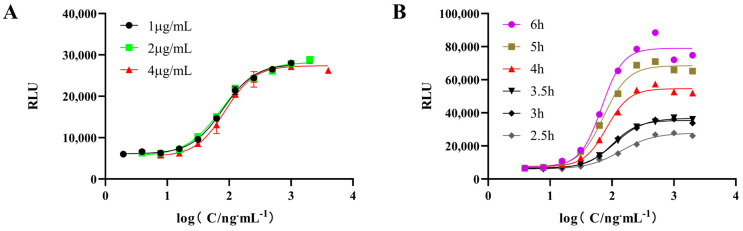 Figure 1
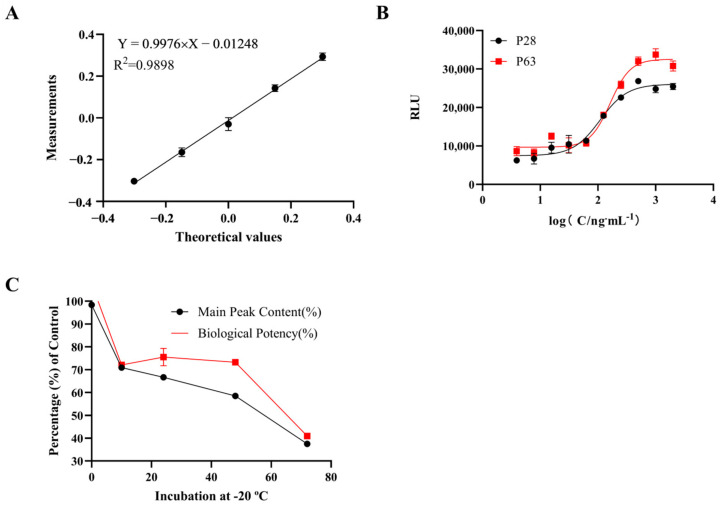 Figure 2
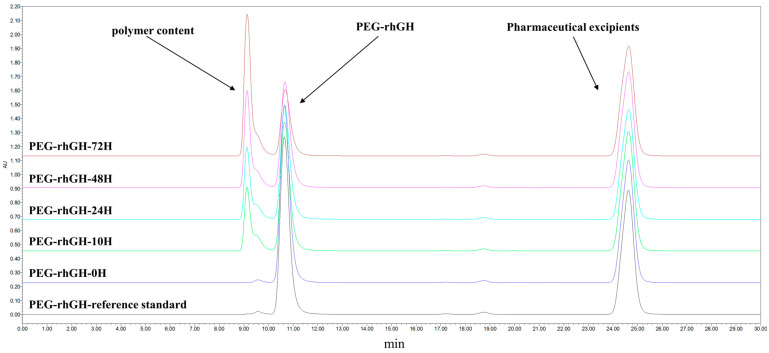 Figure 3
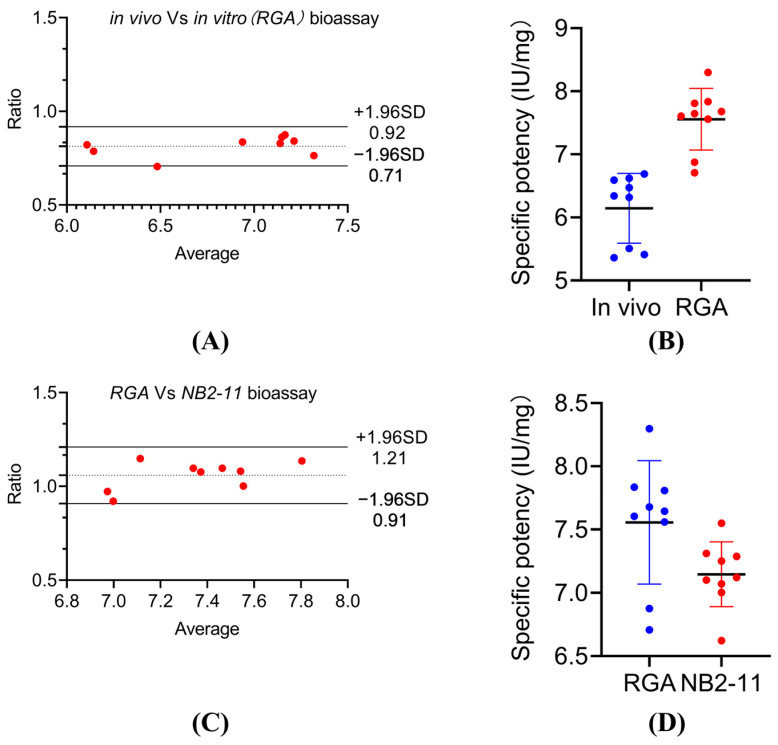 Figure 4
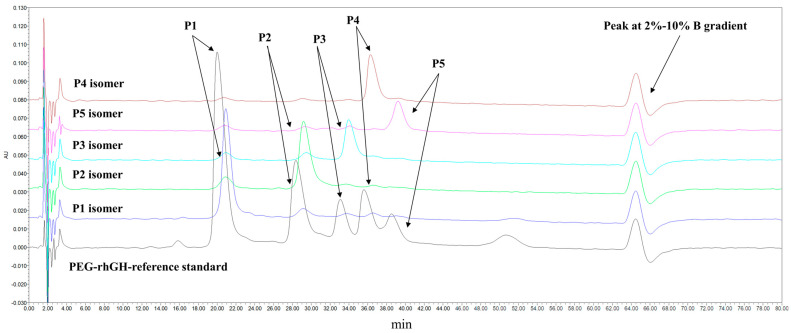 Figure 5
 Figure 6
 Figure 7
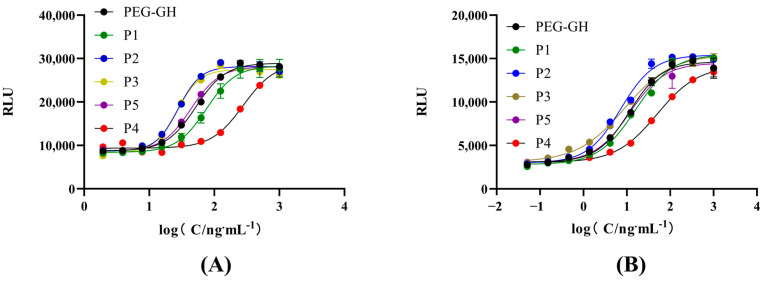 Figure 8
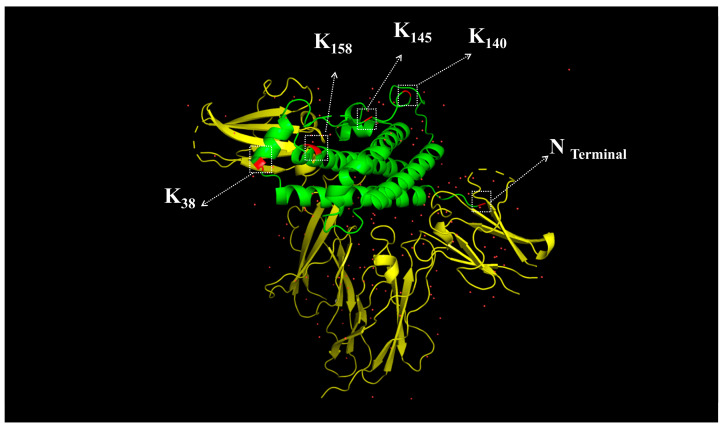 Figure 9
Peer Reviews
No public reviews on file for this paper yet. If you reviewed it on a platform where reviews are public (OpenReview, ICLR, NeurIPS, ICML), you can paste yours below so the community can read it here.
Videos
No videos yet. Explain this paper in a talk, walkthrough, or lecture? Add one.
Taxonomy
TopicsGrowth Hormone and Insulin-like Growth Factors · Cancer, Hypoxia, and Metabolism · Pancreatic function and diabetes