Compensation for Matrix Effects in High-Dimensional Spectral Data Using Standard Addition
Elena Khanonkin, Israel Schechter, Itai Dattner

TL;DR
This paper introduces a new algorithm to correct for matrix effects in complex spectral data without needing prior knowledge of the matrix or blank measurements.
Contribution
A novel standard addition algorithm for high-dimensional spectral data that does not require matrix composition knowledge or blank measurements.
Findings
The algorithm accurately determines analyte concentrations in complex matrices like seawater or food.
It outperforms existing standard addition and multivariate chemometric methods.
The method is robust to variations in signal-to-noise ratio and matrix effect intensity.
Abstract
The standard addition method is widely used in analytical chemistry to compensate for matrix effects. While effective with single signals (e.g., absorbance at a single wavelength) and independent of matrix composition or blank measurements, it has limitations with high-dimensional data (e.g., full spectra). Existing methods for high-dimensional data require knowledge of the matrix composition and blank measurements, restricting their applicability. We propose a novel algorithm for standard addition that works with high-dimensional data without requiring matrix composition knowledge or blank measurements. By modifying experimental data (e.g., spectra) before applying chemometric models, the algorithm accurately determines analyte concentrations even in complex matrices like seawater or food, where blanks are unavailable. A performance evaluation shows the algorithm compensates…
Genes, proteins, chemicals, diseases, species, mutations and cell lines named across the full text — each resolved to its canonical identifier and authoritative record.
Click any figure to enlarge with its caption.
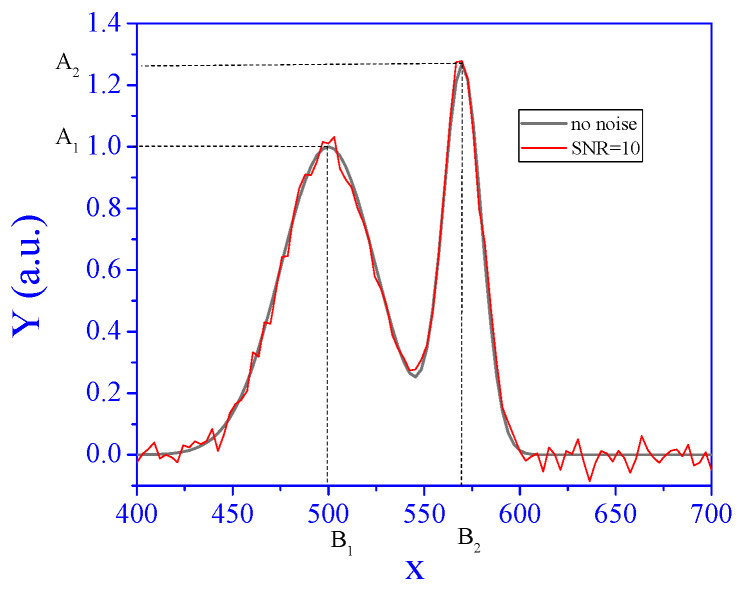 Figure 1
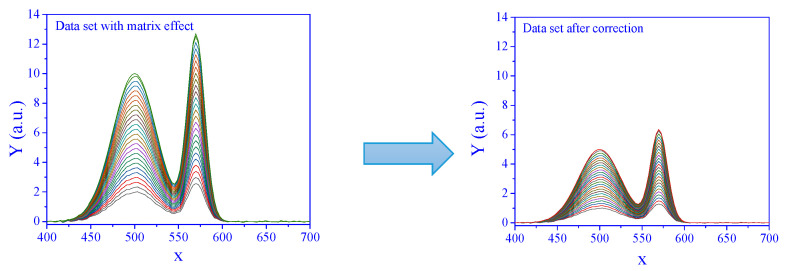 Figure 2
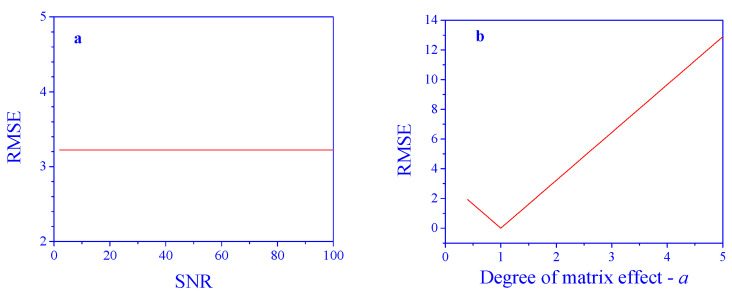 Figure 3
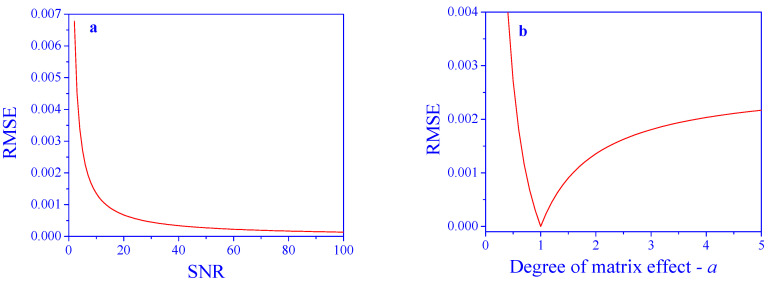 Figure 4
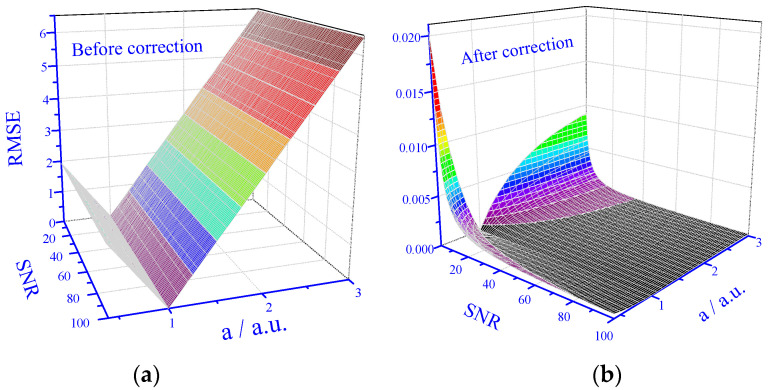 Figure 5
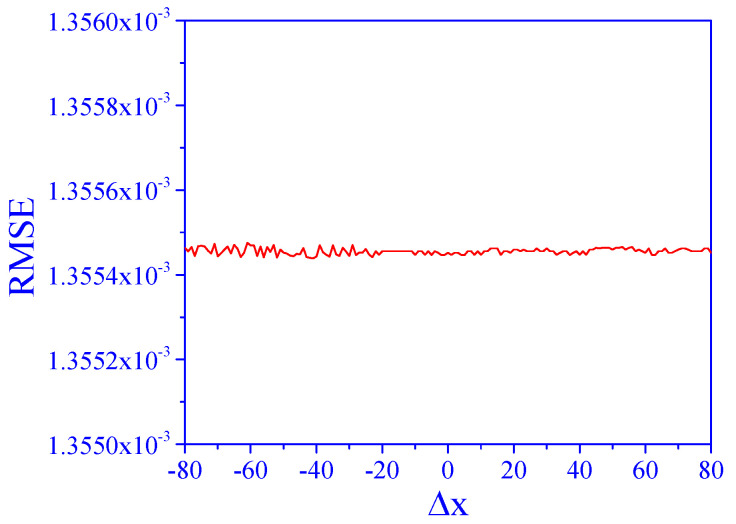 Figure 6
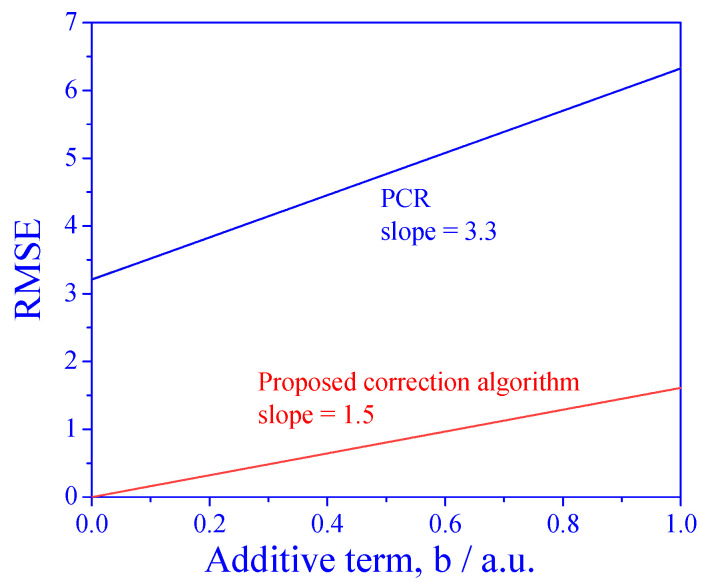 Figure 7
Peer Reviews
No public reviews on file for this paper yet. If you reviewed it on a platform where reviews are public (OpenReview, ICLR, NeurIPS, ICML), you can paste yours below so the community can read it here.
Videos
No videos yet. Explain this paper in a talk, walkthrough, or lecture? Add one.
Taxonomy
TopicsSpectroscopy and Chemometric Analyses · Water Quality Monitoring and Analysis · Advanced Chemical Sensor Technologies