The off-target effect of loratadine triggers autophagy-mediated apoptosis in lung adenocarcinoma cells by deactivating JNK, p38, and STAT3 signaling through both PP2A-dependent and independent pathways
Ming-Hsien Chien, Wen-Yueh Hung, Tsung-Ching Lai, Ching Han Tsai, Kai-Ling Lee, Feng-Koo Hsieh, Wei-Jiunn Lee, Jer-Hwa Chang

TL;DR
Loratadine, an allergy drug, can trigger cell death in lung cancer cells by activating autophagy and deactivating key signaling pathways.
Contribution
Loratadine induces autophagy-mediated apoptosis in lung adenocarcinoma via PP2A-dependent and independent pathways.
Findings
Loratadine inhibits LUAD cell proliferation and colony formation through autophagy-mediated apoptosis.
Loratadine deactivates JNK, p38, and STAT3 signaling via PP2A-dependent and independent mechanisms.
Combining loratadine with JNK, p38, and STAT3 inhibitors enhances its anti-LUAD effects.
Abstract
Lung adenocarcinoma (LUAD) is a typical inflammation-associated cancer, and anti-inflammatory medications can be valuable in cancer therapy. Loratadine, a histamine receptor H1 (HRH1) antagonist, shows both anti-inflammatory and anticancer properties. The present study aimed to evaluate impacts of loratadine on LUAD cells as well as in a LUAD xenograft mouse model, and explore underlying mechanisms. Mechanistic investigations were conducted through using western blotting, flow cytometry, immunohistochemistry, acridine orange staining, TUNEL assays, and in silico analyses of loratadine-modulated genes in LUAD specimens. It was observed that loratadine inhibited LUAD cell proliferation and colony formation by inducing autophagy-mediated apoptotic cell death independently of HRH1. In a LUAD xenograft model, loratadine decreased tumor proliferation and angiogenesis while enhancing autophagy…
Genes, proteins, chemicals, diseases, species, mutations and cell lines named across the full text — each resolved to its canonical identifier and authoritative record.
Click any figure to enlarge with its caption.
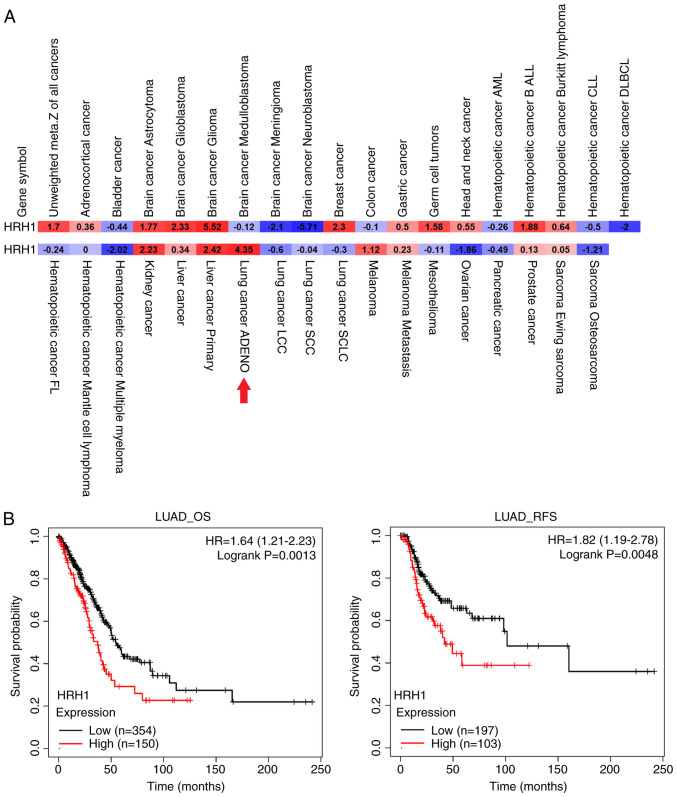 Figure 1
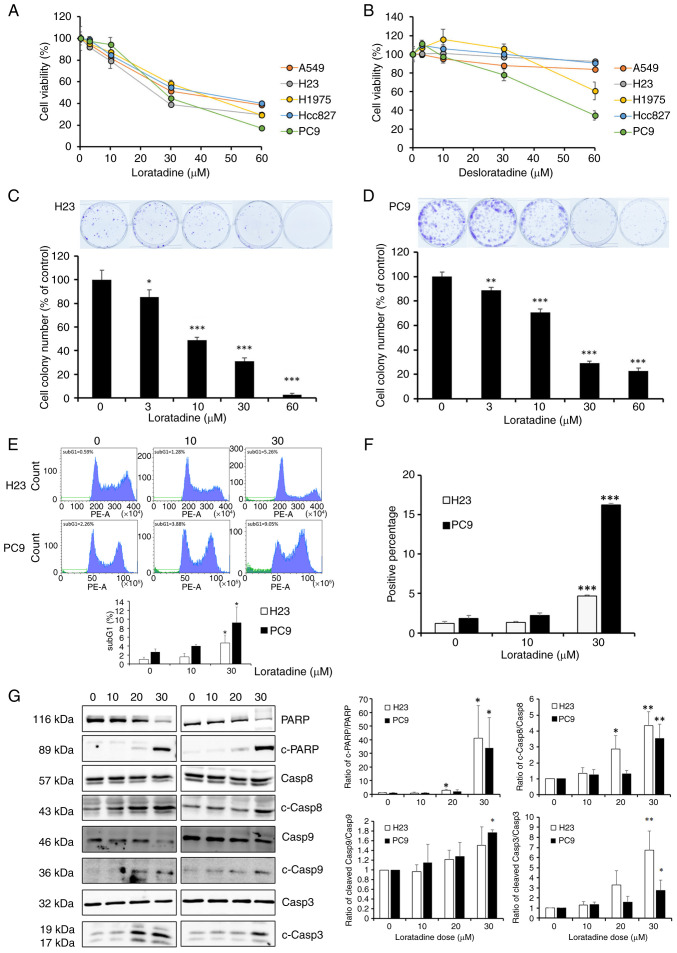 Figure 2
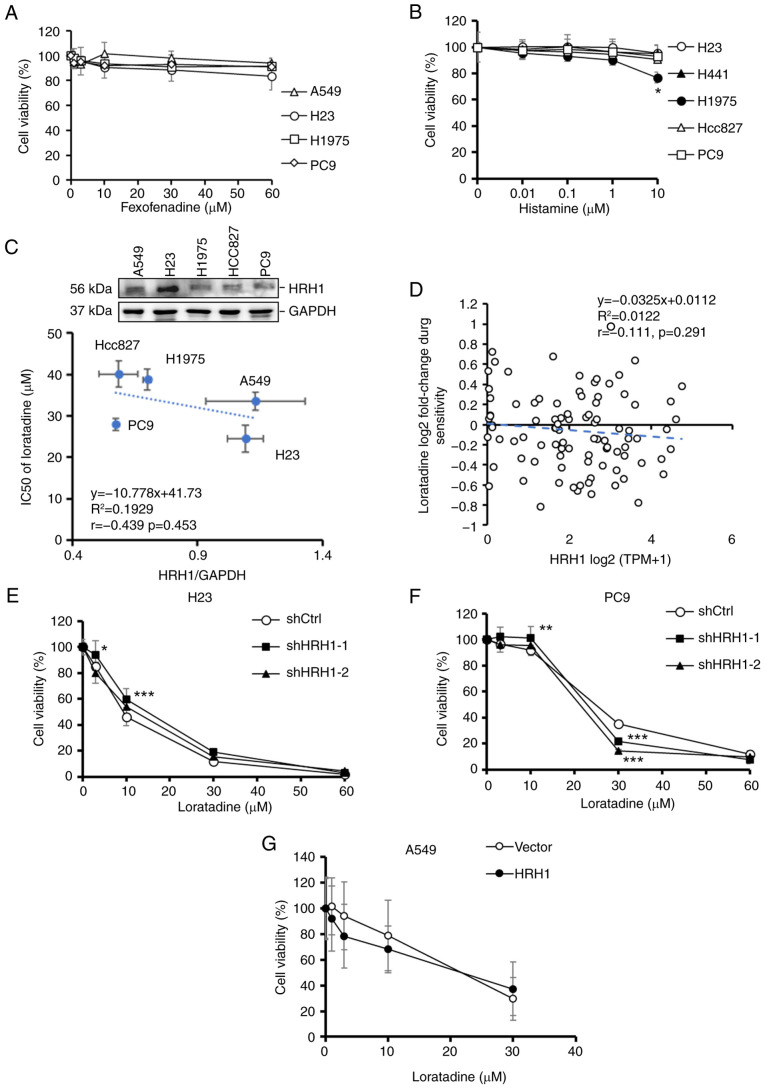 Figure 3
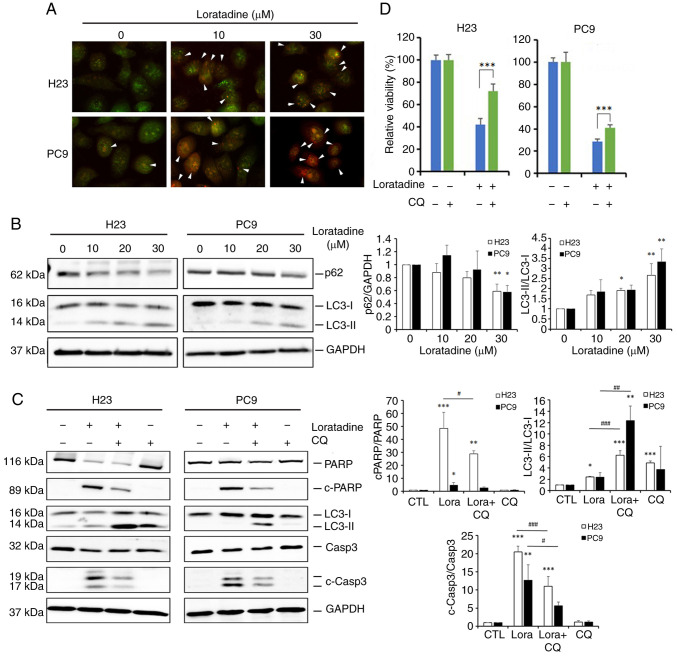 Figure 4
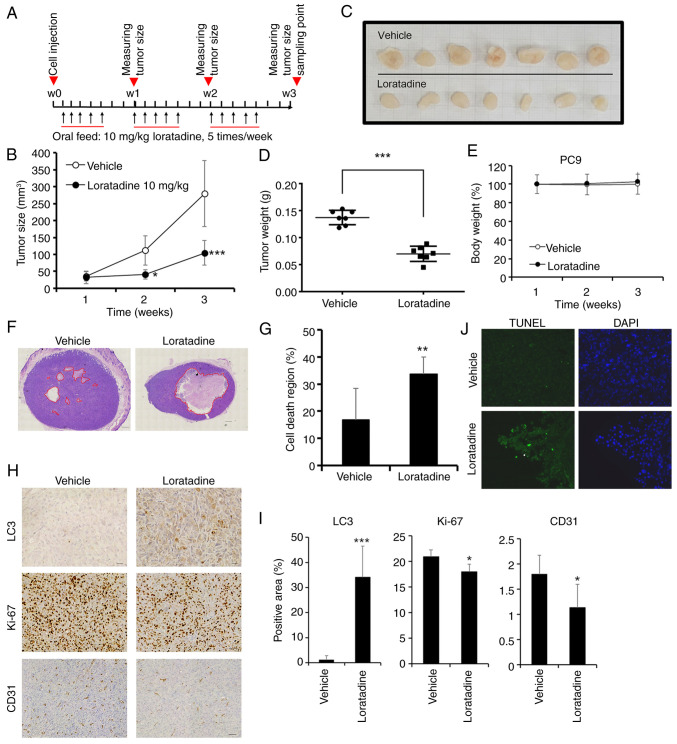 Figure 5
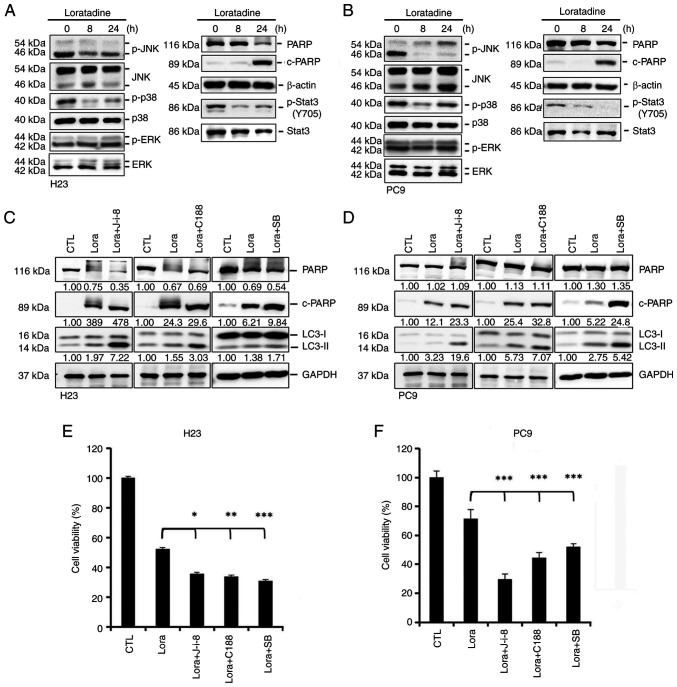 Figure 6
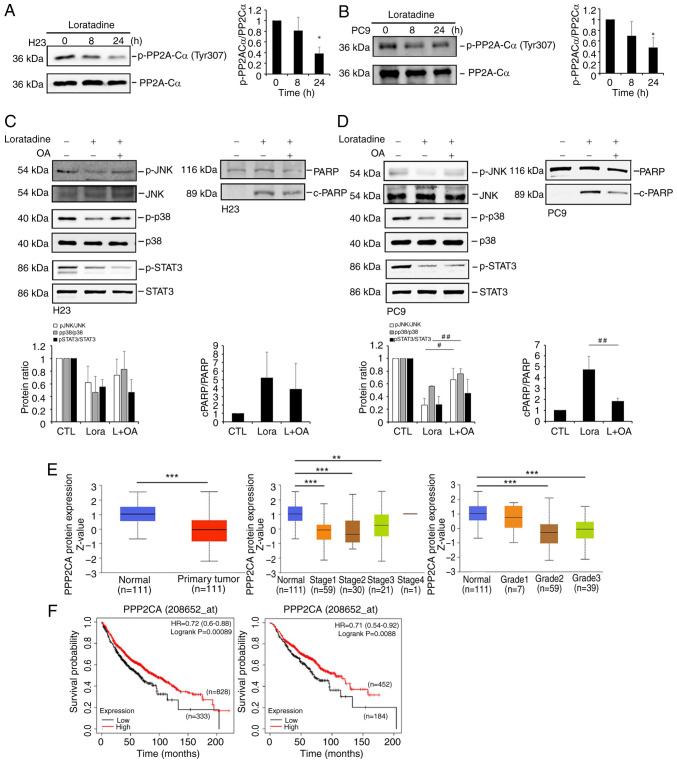 Figure 7
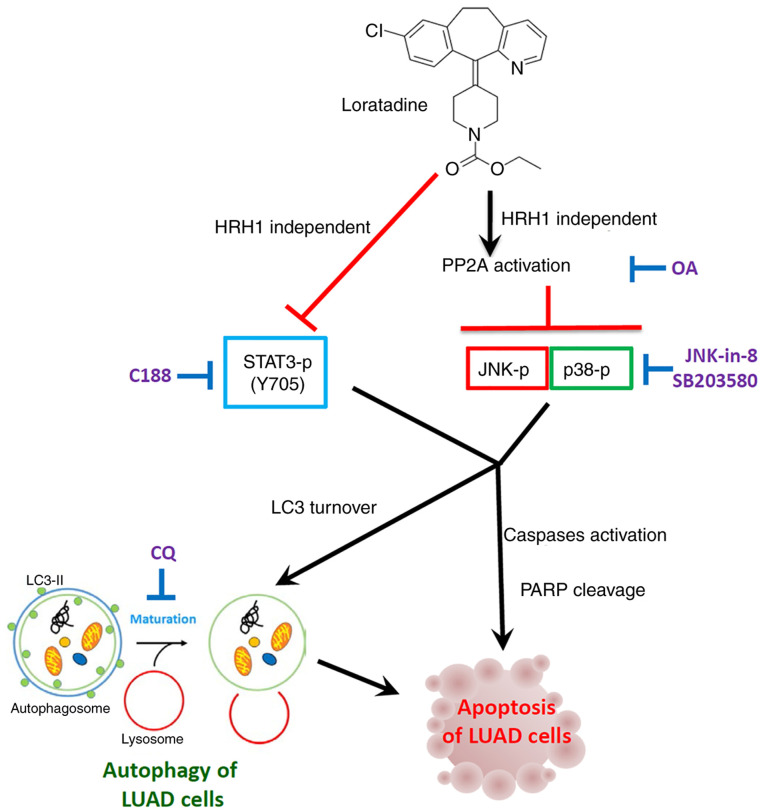 Figure 8
Peer Reviews
No public reviews on file for this paper yet. If you reviewed it on a platform where reviews are public (OpenReview, ICLR, NeurIPS, ICML), you can paste yours below so the community can read it here.
Videos
No videos yet. Explain this paper in a talk, walkthrough, or lecture? Add one.
Taxonomy
TopicsAutophagy in Disease and Therapy · Quinazolinone synthesis and applications · Adenosine and Purinergic Signaling