Robust Reverberation Suppression Method Based on Alternating Projections
Xiongwei Xiao, Feng Xu, Juan Yang

TL;DR
This paper introduces a new method for suppressing underwater reverberation by decomposing multi-ping beamforming data using low-rank and sparse techniques, improving target detection in unstable environments.
Contribution
The novel approach individually decomposes multi-ping beamforming outputs in different directions using alternating projections and adaptive thresholding for better reverberation suppression.
Findings
The proposed method maintains accurate reverberation estimation in unstable environments.
Field data experiments show improved robustness compared to previous methods.
The weighted spatio-temporal density method effectively extracts target echoes.
Abstract
By leveraging the high correlation between multi-ping echo data, low-rank and sparse decomposition methods are applied for reverberation suppression. Previous methods typically perform decomposition on the vectorized multi-ping echograph, which is obtained by stacking beamforming outputs from all directions in the same column. However, when the multi-ping correlation of beamforming outputs from different directions varies significantly due to the time-varying nature of the underwater acoustic channel, it becomes challenging to precisely capture the variations of the reverberation background. As a result, the performance of reverberation suppression is degraded. To alleviate this issue, we attempt to decompose the matrix formed by multi-ping beamforming outputs in different directions individually. The accelerated alternating projections method is used to estimate the steady…
Genes, proteins, chemicals, diseases, species, mutations and cell lines named across the full text — each resolved to its canonical identifier and authoritative record.
Click any figure to enlarge with its caption.
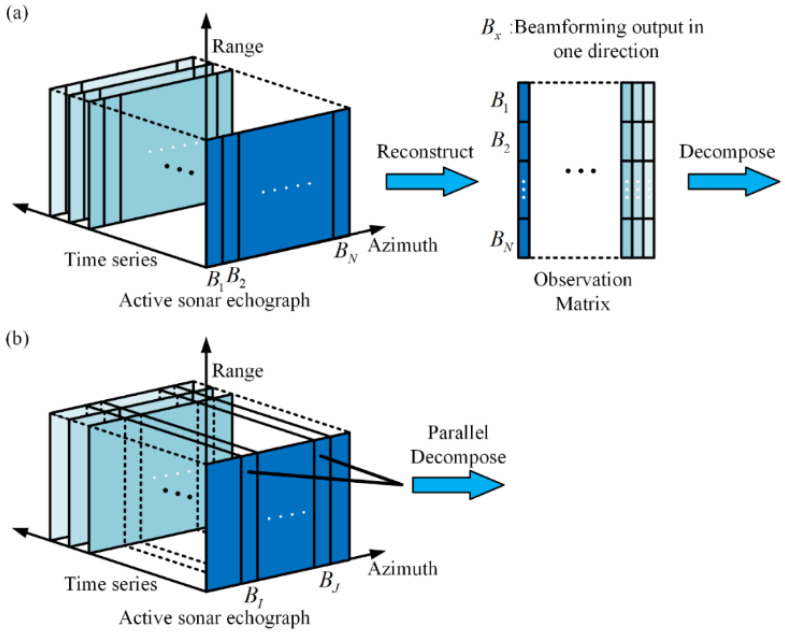 Figure 1
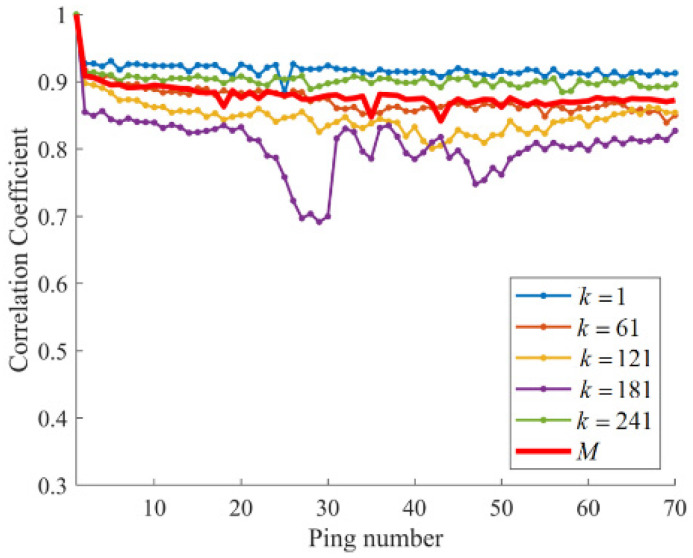 Figure 2
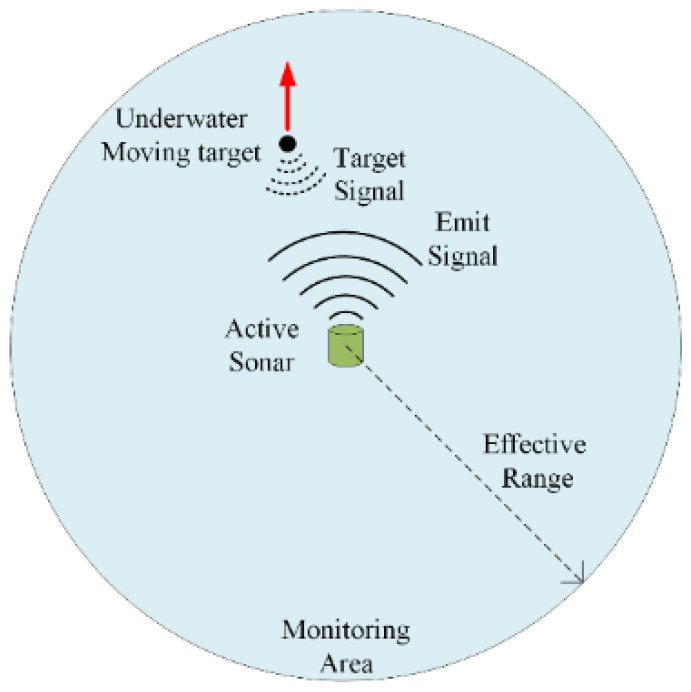 Figure 3
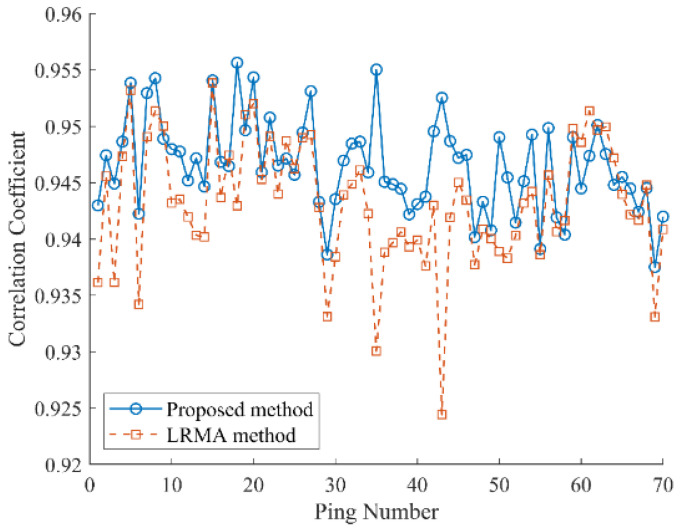 Figure 4
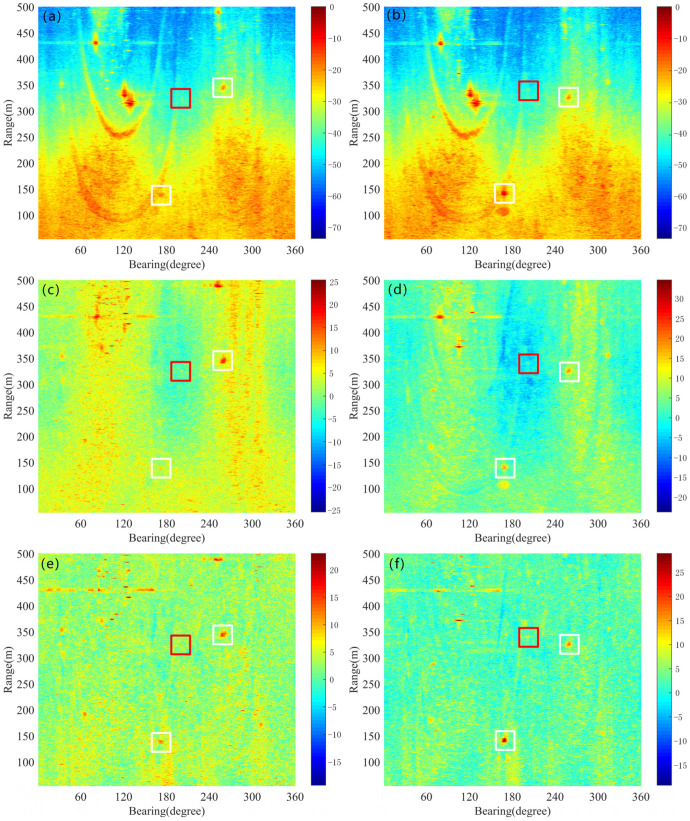 Figure 5
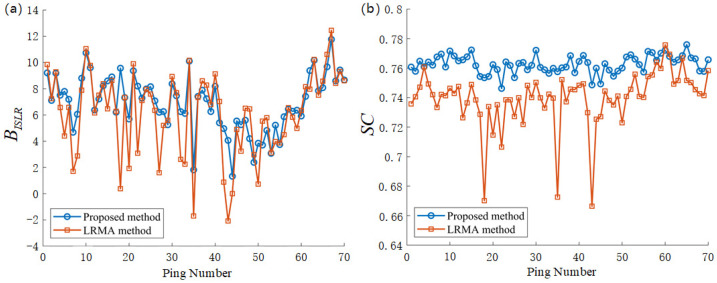 Figure 6
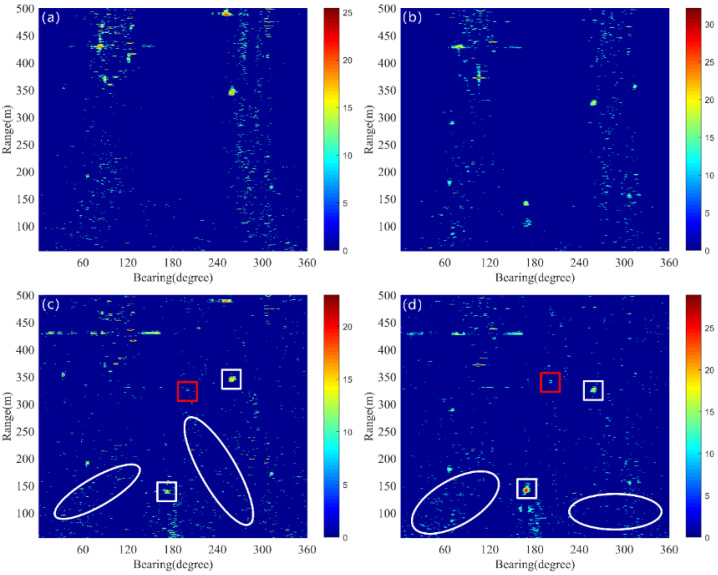 Figure 7
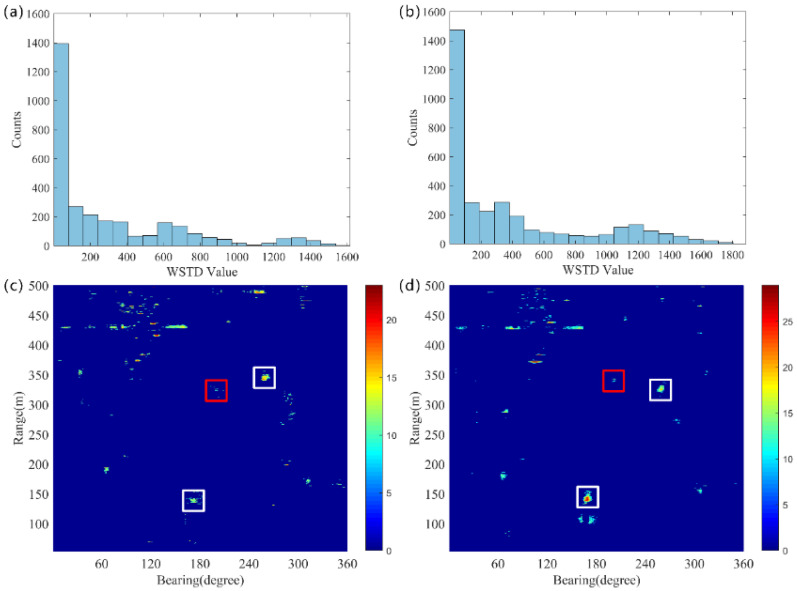 Figure 8
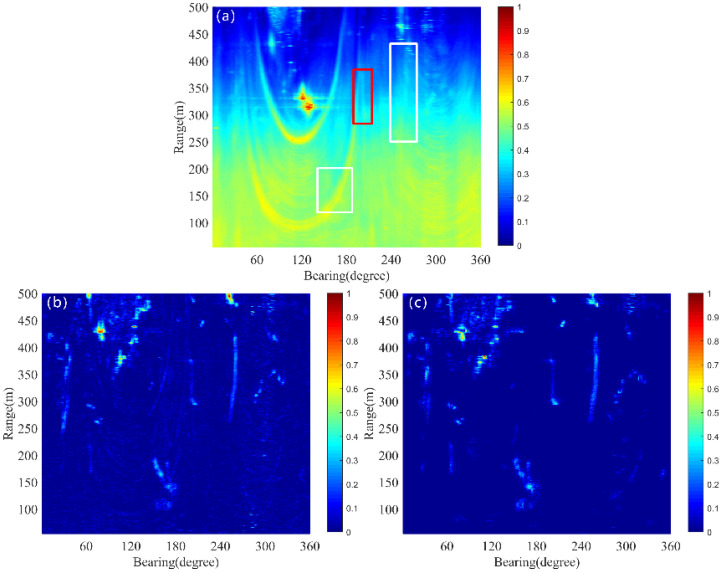 Figure 9
Peer Reviews
No public reviews on file for this paper yet. If you reviewed it on a platform where reviews are public (OpenReview, ICLR, NeurIPS, ICML), you can paste yours below so the community can read it here.
Videos
No videos yet. Explain this paper in a talk, walkthrough, or lecture? Add one.
Taxonomy
TopicsUnderwater Acoustics Research · Sparse and Compressive Sensing Techniques · Direction-of-Arrival Estimation Techniques