A Low-Cost Computational Spectrometer Based on a Trained Sparse Base Matrix
Yanbo Gao, Hejia Pan, Yajuan Sheng, Rui Wen, Yuanhao Zheng, Lin Yang

TL;DR
This paper introduces a low-cost computational spectrometer using a trained sparse base matrix to achieve high reconstruction accuracy.
Contribution
The novel approach uses a trained sparse base matrix to improve spectral reconstruction accuracy with low-cost materials.
Findings
Using PMMA filters with a trained sparse base matrix improves spectral reconstruction accuracy.
The spectrometer prototype achieved high-resolution spectral measurements in experiments.
Simulation results show good performance of the proposed method.
Abstract
Computational spectrometers based on coded measurement and computational reconstruction have great application prospects. This paper proposes a computational spectrometer that has a low cost, is easy to implement in hardware, and has high reconstruction accuracy. The proposed computational spectrometer uses low-cost but highly correlated polymethyl methacrylate (PMMA) material as broadband encoding filters, which could affect spectral reconstruction accuracy. To alleviate this issue, we decoupled the sensing matrix, which is the product of the measurement matrix and sparse base matrix, and subsequently optimized the sparse base matrix independently. Enlightened by the neural network method, an over-complete dictionary was trained based on the public spectral dataset, which was used as the required sparse base matrix for reconstruction. Through this method, we achieved good…
Genes, proteins, chemicals, diseases, species, mutations and cell lines named across the full text — each resolved to its canonical identifier and authoritative record.
Click any figure to enlarge with its caption.
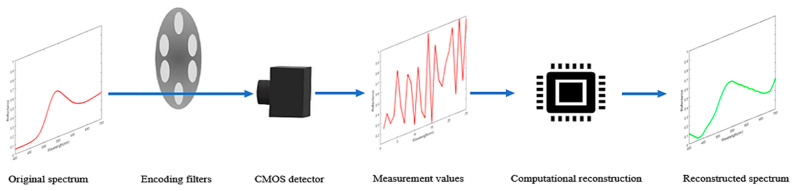 Figure 1
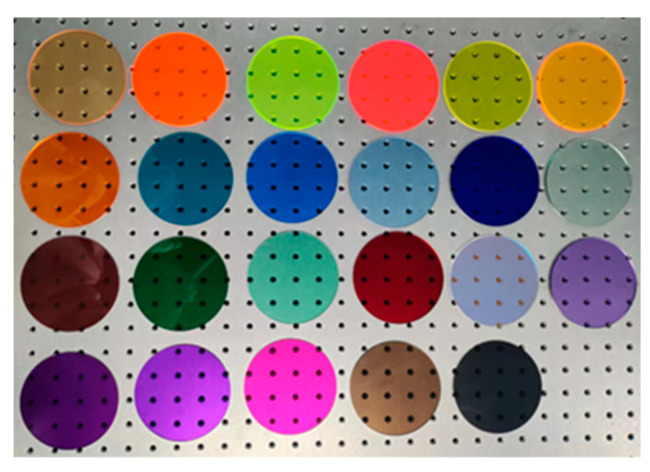 Figure 2
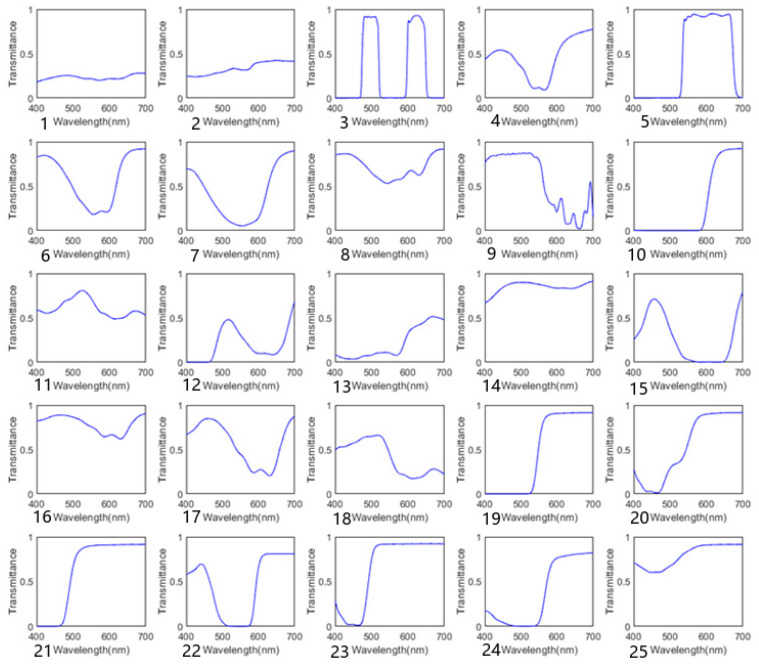 Figure 3
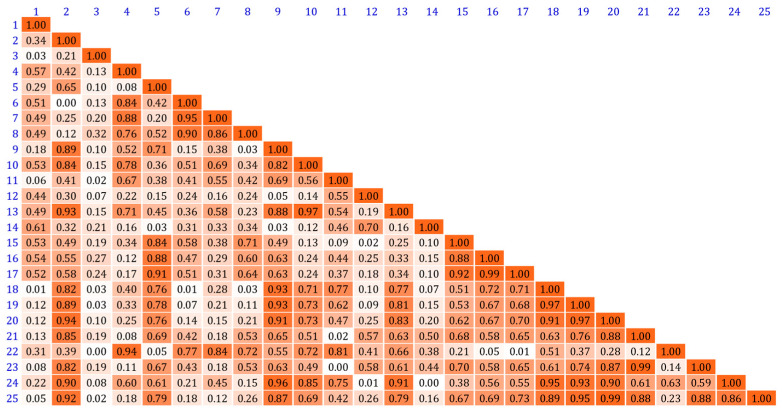 Figure 4
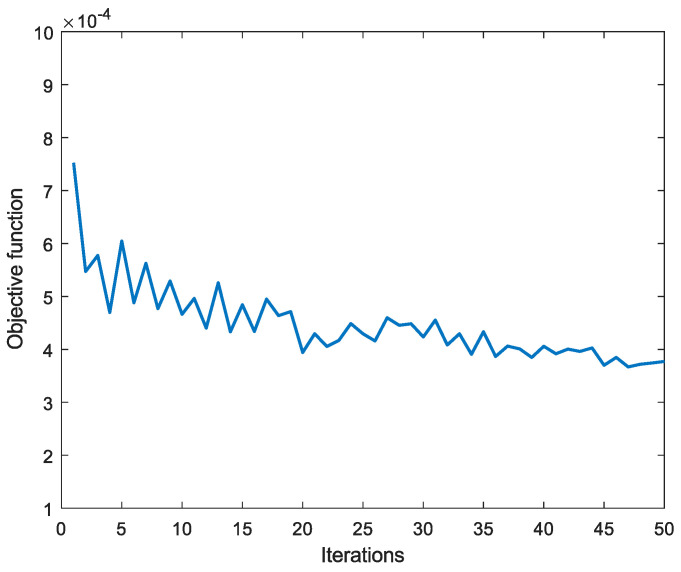 Figure 5
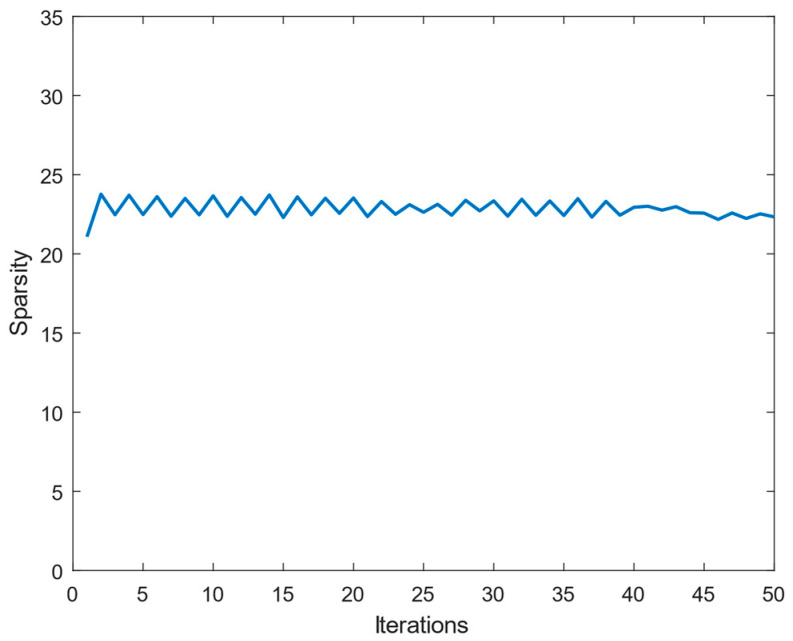 Figure 6
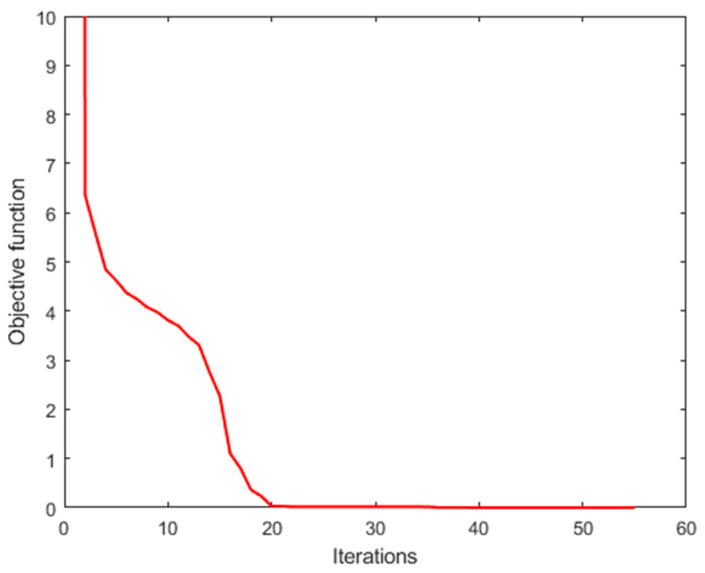 Figure 7
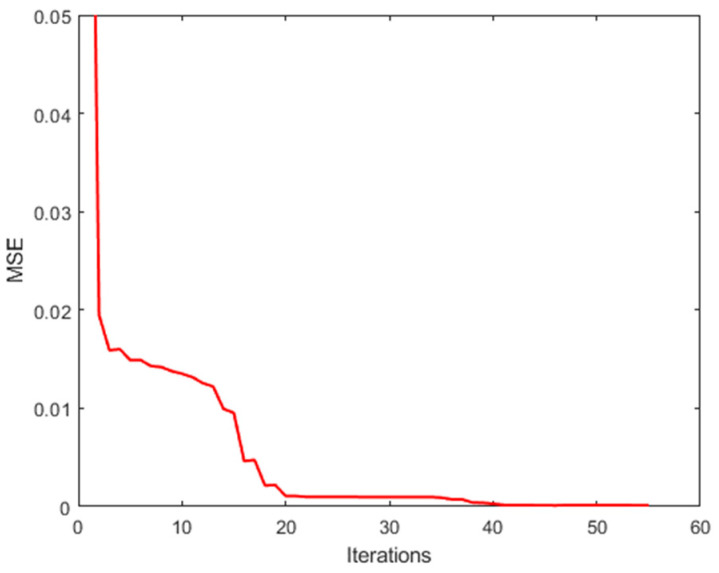 Figure 8
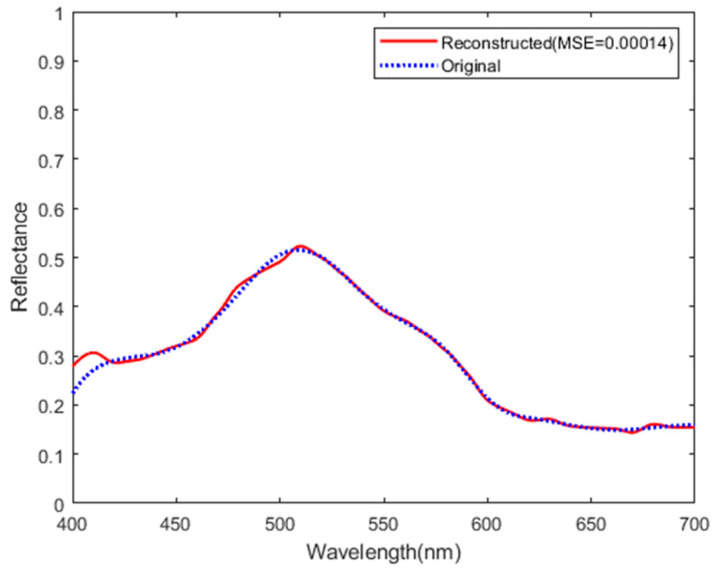 Figure 9
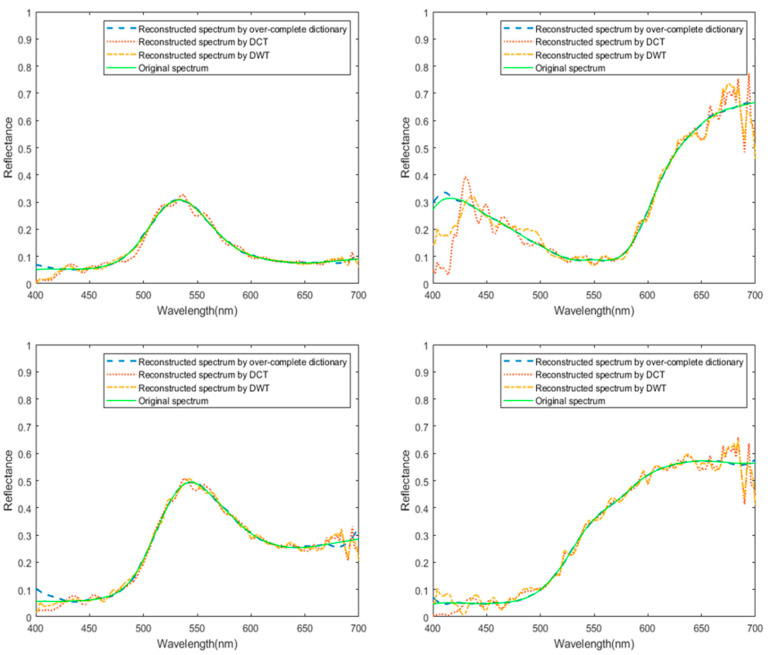 Figure 10
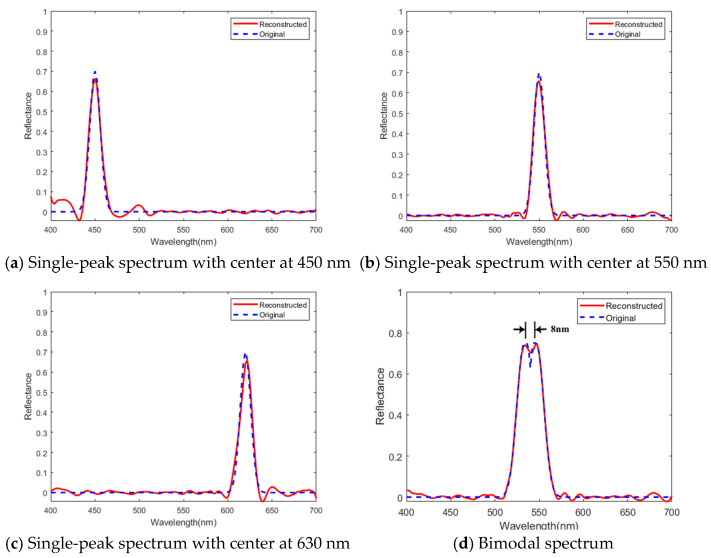 Figure 11
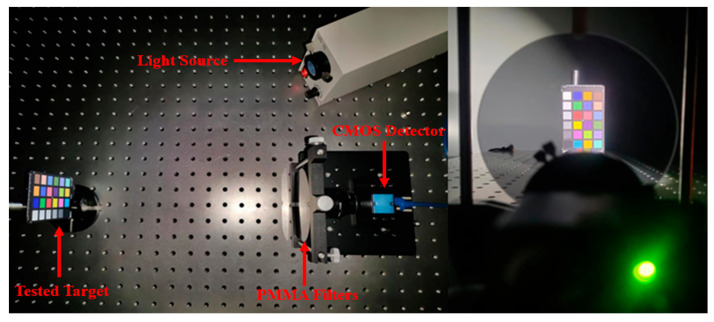 Figure 12
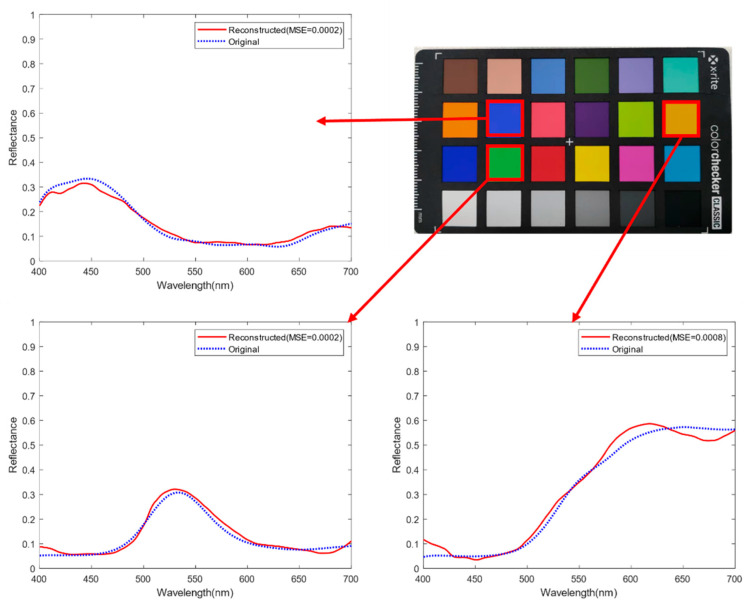 Figure 13
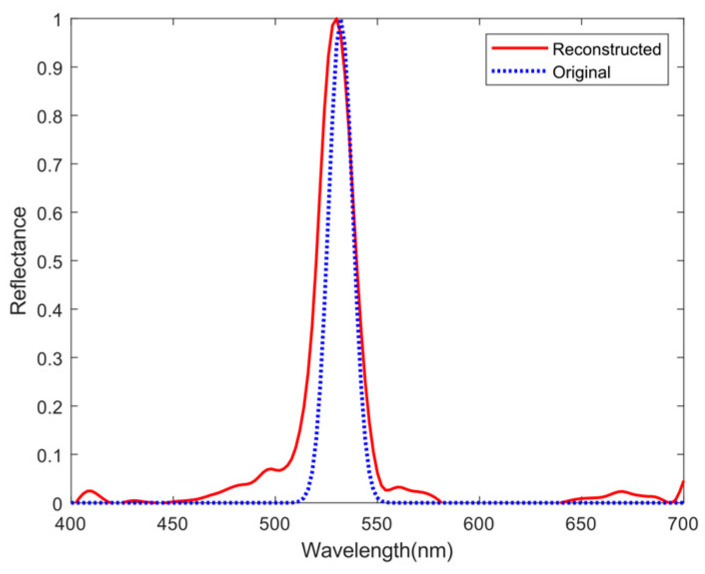 Figure 14
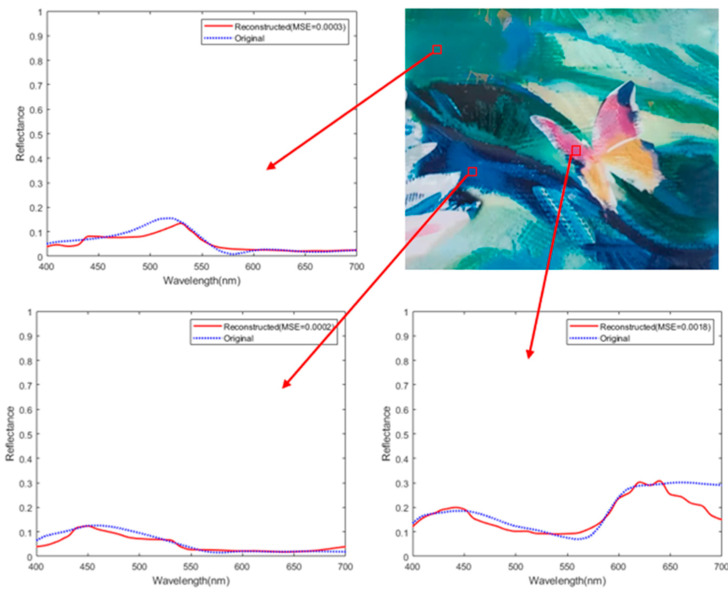 Figure 15
Peer Reviews
No public reviews on file for this paper yet. If you reviewed it on a platform where reviews are public (OpenReview, ICLR, NeurIPS, ICML), you can paste yours below so the community can read it here.
Videos
No videos yet. Explain this paper in a talk, walkthrough, or lecture? Add one.
Taxonomy
TopicsPhotonic and Optical Devices · Advanced Fiber Optic Sensors · Optical Coherence Tomography Applications