Feasibility of Detecting Fluorescent Marking Clip with Novel Fluorescence Detection System in Minimally Invasive Stomach and Esophageal Surgery
Hideyuki Wada, Yuma Ebihara, Hironobu Takano, Mariko Hayashi, Takeo Nitta, Toshiaki Shichinohe, Satoshi Hirano

TL;DR
This study tests a new near-infrared fluorescence detection system to accurately locate fluorescent clips placed during minimally invasive stomach and esophageal cancer surgeries.
Contribution
The novel fluorescence detection system uses spectral analysis for higher sensitivity in detecting fluorescent clips during surgery.
Findings
The new system is expected to detect fluorescent clips with high accuracy by analyzing spectral characteristics.
The study will compare detection rates and times between the novel and existing fluorescence imaging systems.
Fluorescent clips may provide a reliable method for tumor localization in minimally invasive GI surgery.
Abstract
Background: Determining the optimal resection line for an organ that cannot be palpated is crucial, but challenging, in minimally invasive gastrointestinal (GI) surgery. Therefore, there is an urgent need to establish the most effective method for tumor localization. We hypothesize that our novel near-infrared (NIR) fluorescence detection system will enable the highly accurate detection of fluorescent clips marking GI cancer. Methods: Twenty-five patients with gastric cancer, esophagogastric junctional cancer, or esophageal cancer will be enrolled. NIR fluorescent clips will be placed endoscopically around the tumor on the day before surgery. Patients in whom clip dislodgement is confirmed by preoperative abdominal radiography will be excluded. The clips will be placed before the transection of the organ, and those on the surgical specimen will be observed after transection using both…
Genes, proteins, chemicals, diseases, species, mutations and cell lines named across the full text — each resolved to its canonical identifier and authoritative record.
Click any figure to enlarge with its caption.
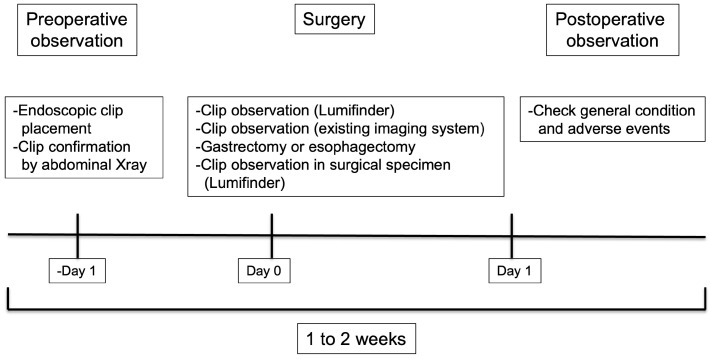 Figure 1
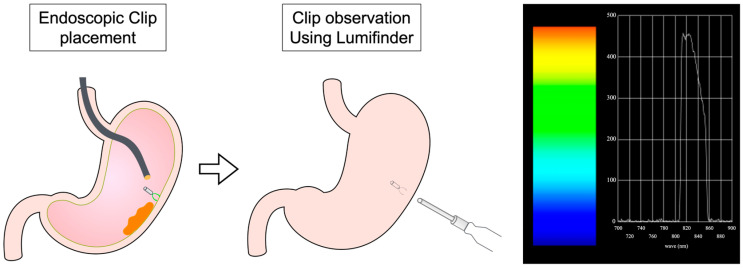 Figure 2
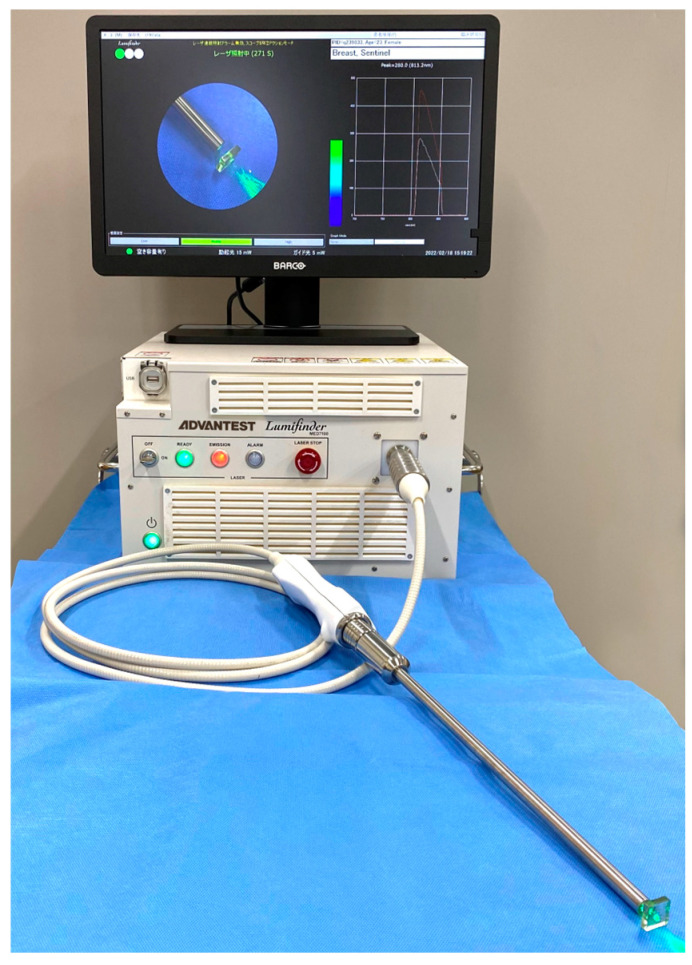 Figure 3
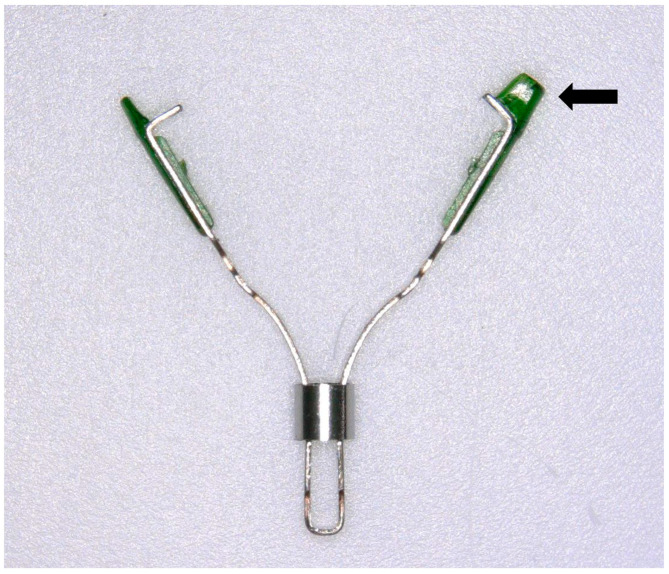 Figure 4
Peer Reviews
No public reviews on file for this paper yet. If you reviewed it on a platform where reviews are public (OpenReview, ICLR, NeurIPS, ICML), you can paste yours below so the community can read it here.
Videos
No videos yet. Explain this paper in a talk, walkthrough, or lecture? Add one.
Taxonomy
TopicsGastric Cancer Management and Outcomes · Esophageal Cancer Research and Treatment · Metastasis and carcinoma case studies