Light-Sheet Fluorescence Imaging Reveals Three-Dimensional Amyloid Burden Reduction Following Five Weeks of Swimming Exercise in Alzheimer’s Mouse
Hye Joo Son, Suk Hyun Lee

TL;DR
Swimming exercise in Alzheimer's mice reduced amyloid buildup in the brain, suggesting exercise may help slow dementia progression.
Contribution
This study is the first to use light-sheet fluorescence imaging to show that swimming reduces β-amyloid pathology in late-stage Alzheimer’s mice.
Findings
Swimming mice had significantly lower β-amyloid accumulation volume compared to controls.
No significant differences in plaque shape parameters like ellipticity or sphericity were observed.
The findings suggest swimming can enhance resistance to pathology even in advanced Alzheimer’s stages.
Abstract
Emerging evidence from observational studies suggests that lifestyle modifications, particularly moderate-intensity exercise, may confer neuroprotective benefits against dementia, potentially by enhancing brain resistance through clearance mechanisms. Using light-sheet fluorescence microscopy (LSFM) with tissue clearing, we investigated the role of voluntary swimming in ameliorating β-amyloid pathology in a transgenic Alzheimer’s disease (AD) mouse model. Twenty 52-week-old hAPPsw mice were randomly divided into a 5-week voluntary swimming intervention group and a control group (each n = 10). Each session included a 10-min swim followed by a 10-min rest, escalating from one session per day in the first week to three sessions per day by the fifth week. The excised brains were prepared using tissue-clearing and volume immunostaining with thioflavin-S for β-amyloid. For LSFM imaging, the…
Genes, proteins, chemicals, diseases, species, mutations and cell lines named across the full text — each resolved to its canonical identifier and authoritative record.
Click any figure to enlarge with its caption.
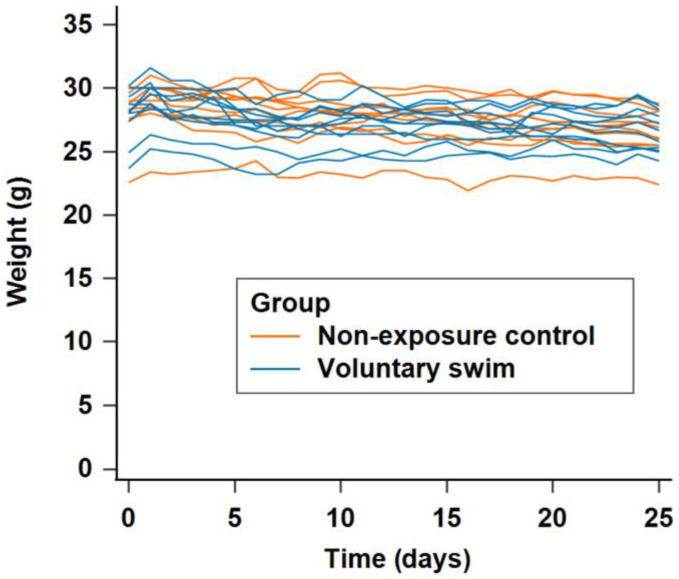 Figure 1
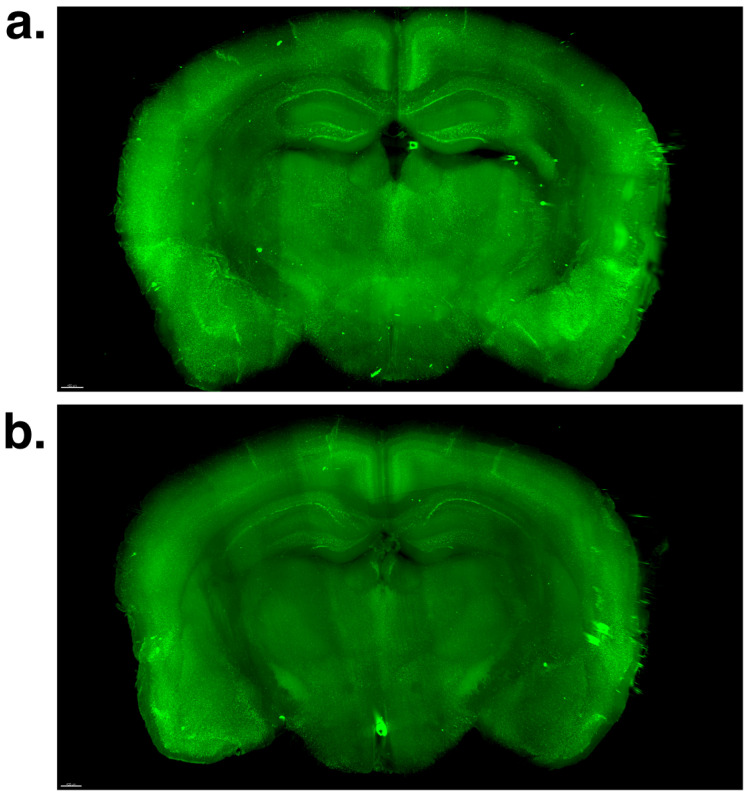 Figure 2
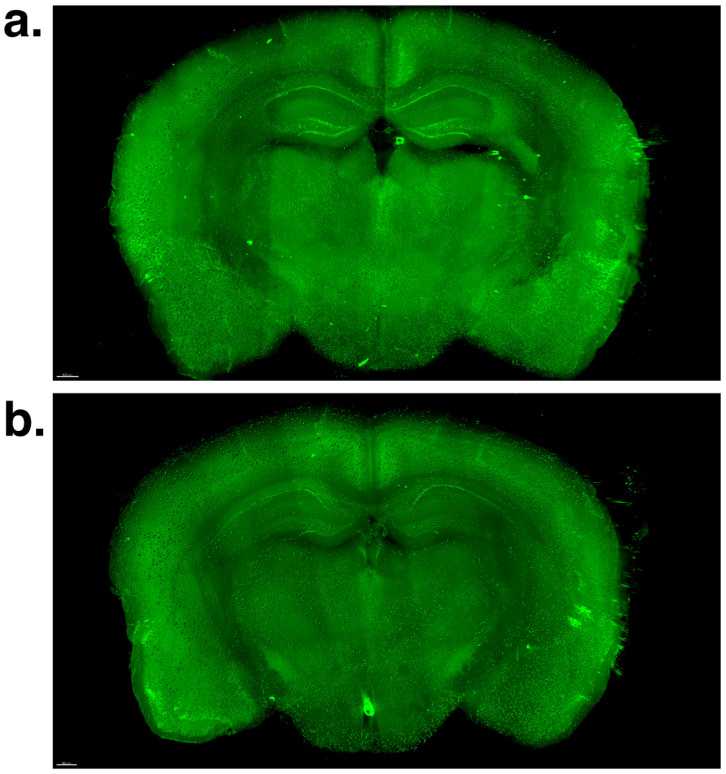 Figure 3
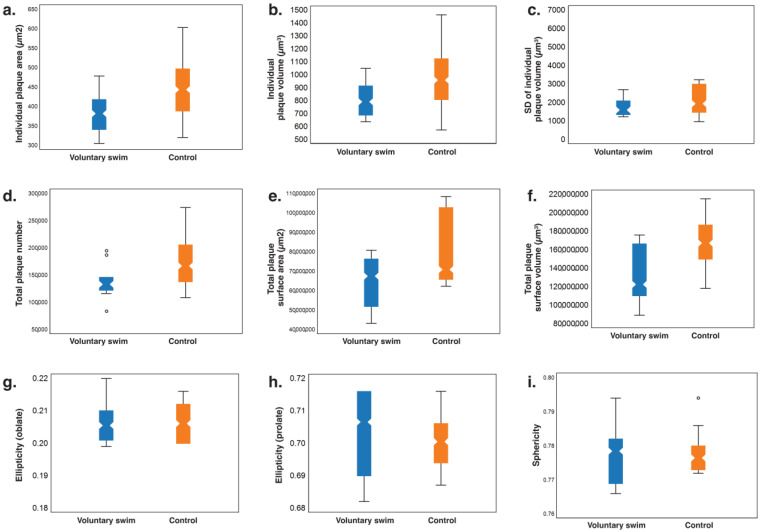 Figure 4
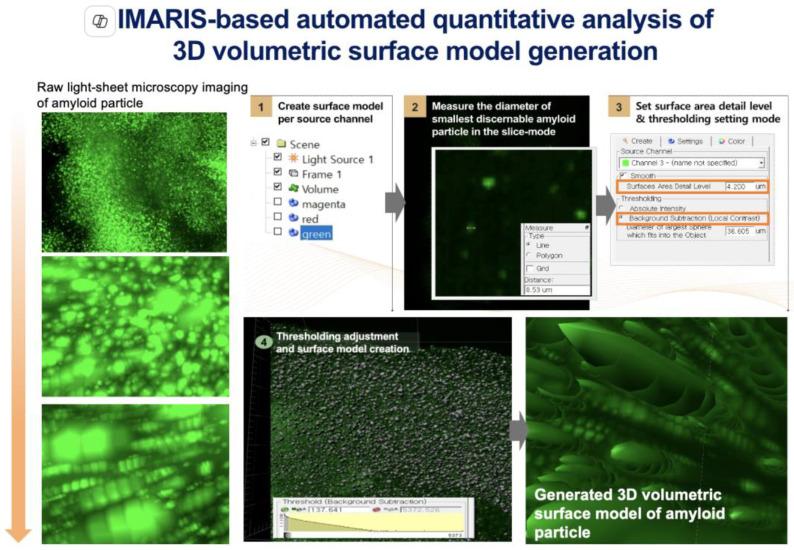 Figure 5
Peer Reviews
No public reviews on file for this paper yet. If you reviewed it on a platform where reviews are public (OpenReview, ICLR, NeurIPS, ICML), you can paste yours below so the community can read it here.
Videos
No videos yet. Explain this paper in a talk, walkthrough, or lecture? Add one.
Taxonomy
TopicsAlzheimer's disease research and treatments · Functional Brain Connectivity Studies · Dementia and Cognitive Impairment Research