Assessment of Protein Immunoexpression Associated with Tumor Proliferation and Invasion in Histological Subtypes of Unicystic and Conventional Ameloblastoma
Gabriela Cristina Avertano Rocha da Silveira, Rebeca Vieira Costa, Flavia Letícia Magalhães Lemos, Antonia Taiane Lopes de Moraes, Maria Sueli da Silva Kataoka, Vanessa Morais Freitas, Silvio Augusto Fernandes de Menezes, Ana Carolina Uchoa Vasconcelos, Adriana Etges

TL;DR
This study examines protein expression in different types of ameloblastoma tumors to understand their invasive potential.
Contribution
The study identifies higher invadopodia-related protein expression in mural unicystic ameloblastomas compared to other subtypes.
Findings
Mural unicystic ameloblastomas showed higher MT1-MMP, cortactin, Tks-4, and Tks-5 expression than luminal and intra-luminal types.
Conventional ameloblastomas exhibited lower MT1-MMP, cortactin, and Tks-5 expression compared to mural unicystic ameloblastomas.
Neoplastic cells in the cystic capsule of mural unicystic ameloblastomas showed higher protein expression, suggesting proximity to bone influences aggressiveness.
Abstract
The aim of this study was to verify whether the expression of proteins related to the formation of invadopodia, MT1-MMP, cortactin, Tks-4 and Tks-5 is associated with the degree of tumor invasiveness of different types of unicystic ameloblastomas. An immunohistochemical study was performed on 29 unicystic ameloblastoma (UA) samples, 9 conventional ameloblastoma (CAM) samples and 9 dental follicle (DF) samples. The potential for tumor invasiveness was assessed based on the immunoexpression of the following invadopodia-forming proteins: MT1-MMP, cortactin, Tks-4 and Tks5. Mural unicystic ameloblastoma (MUA) showed higher MT1-MMP, cortactin, Tks-4, and Tks-5 immunoexpression than luminal and intra-luminal types. Conventional ameloblastoma exhibited lower MT1-MMP, cortactin, and Tks-5 expression compared to MUA. MUA’s cystic capsule neoplastic cells had significantly higher MT1-MMP,…
Genes, proteins, chemicals, diseases, species, mutations and cell lines named across the full text — each resolved to its canonical identifier and authoritative record.
Click any figure to enlarge with its caption.
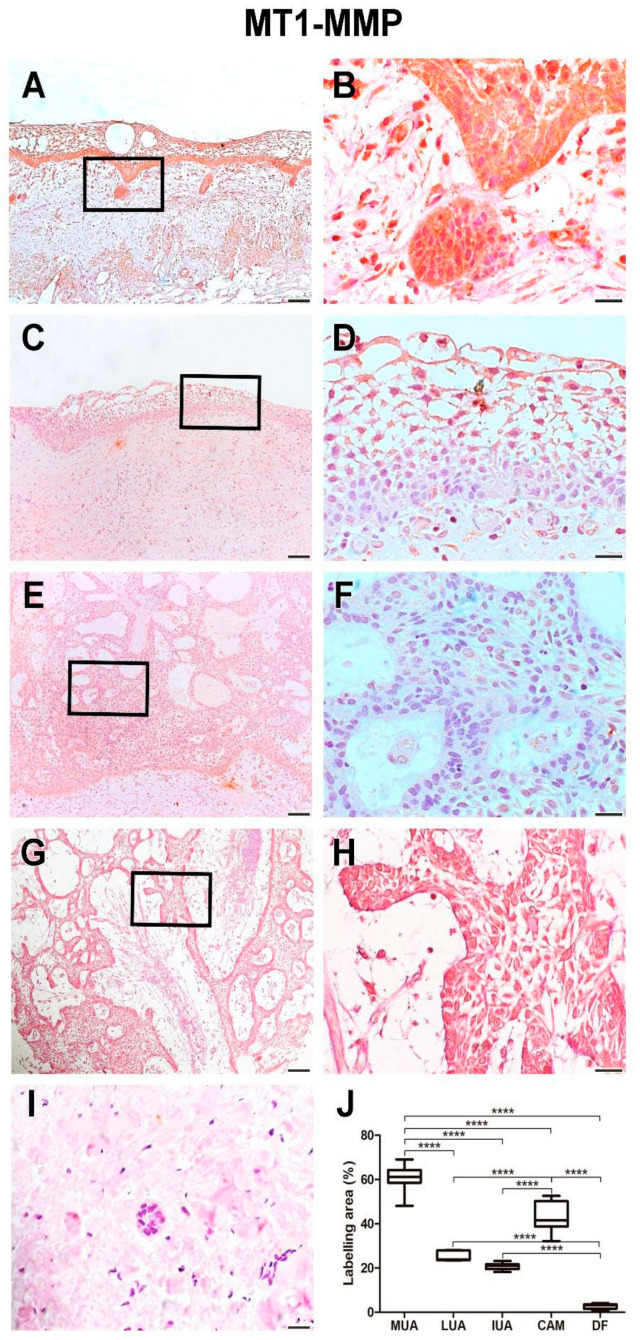 Figure 1
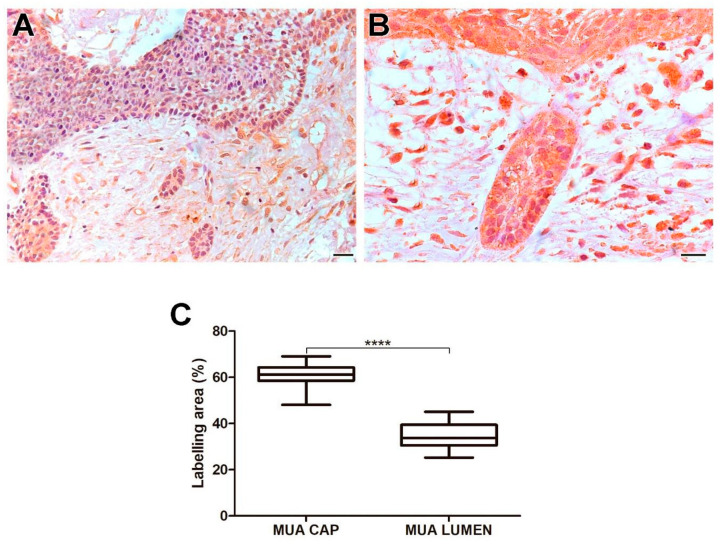 Figure 2
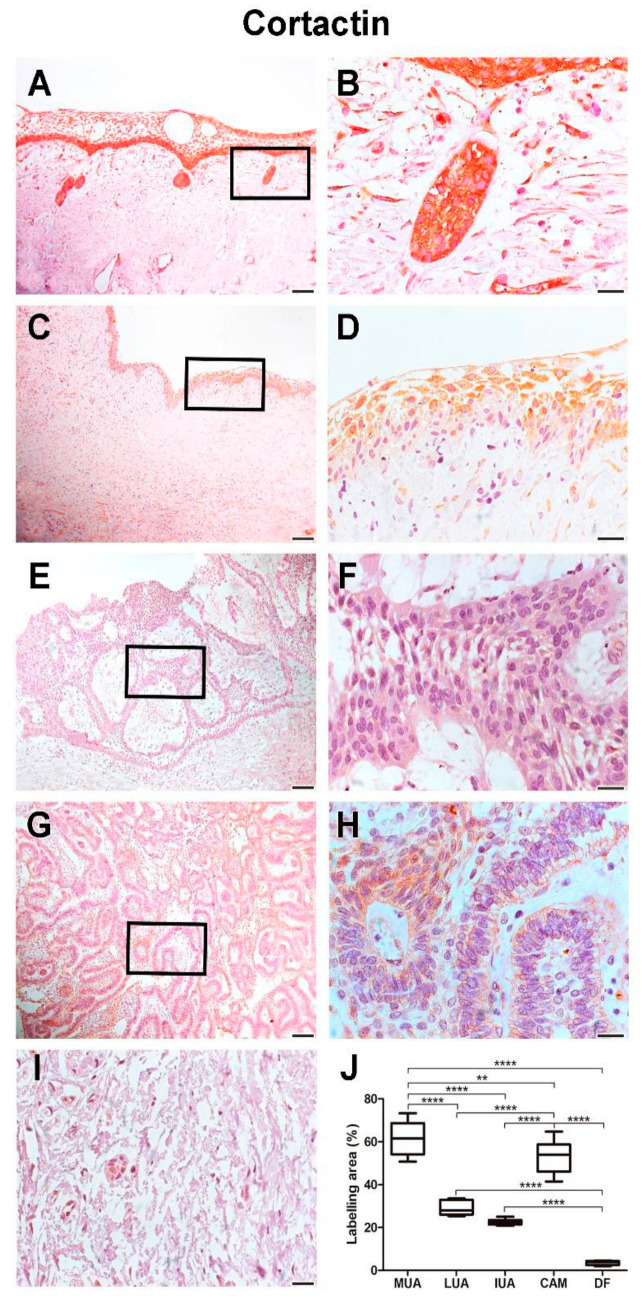 Figure 3
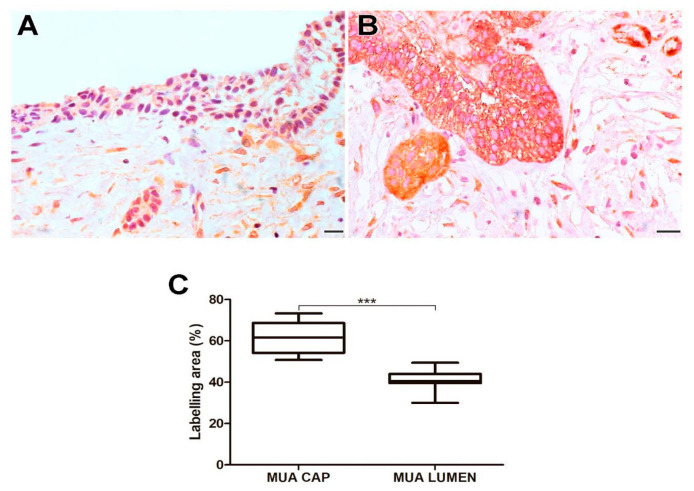 Figure 4
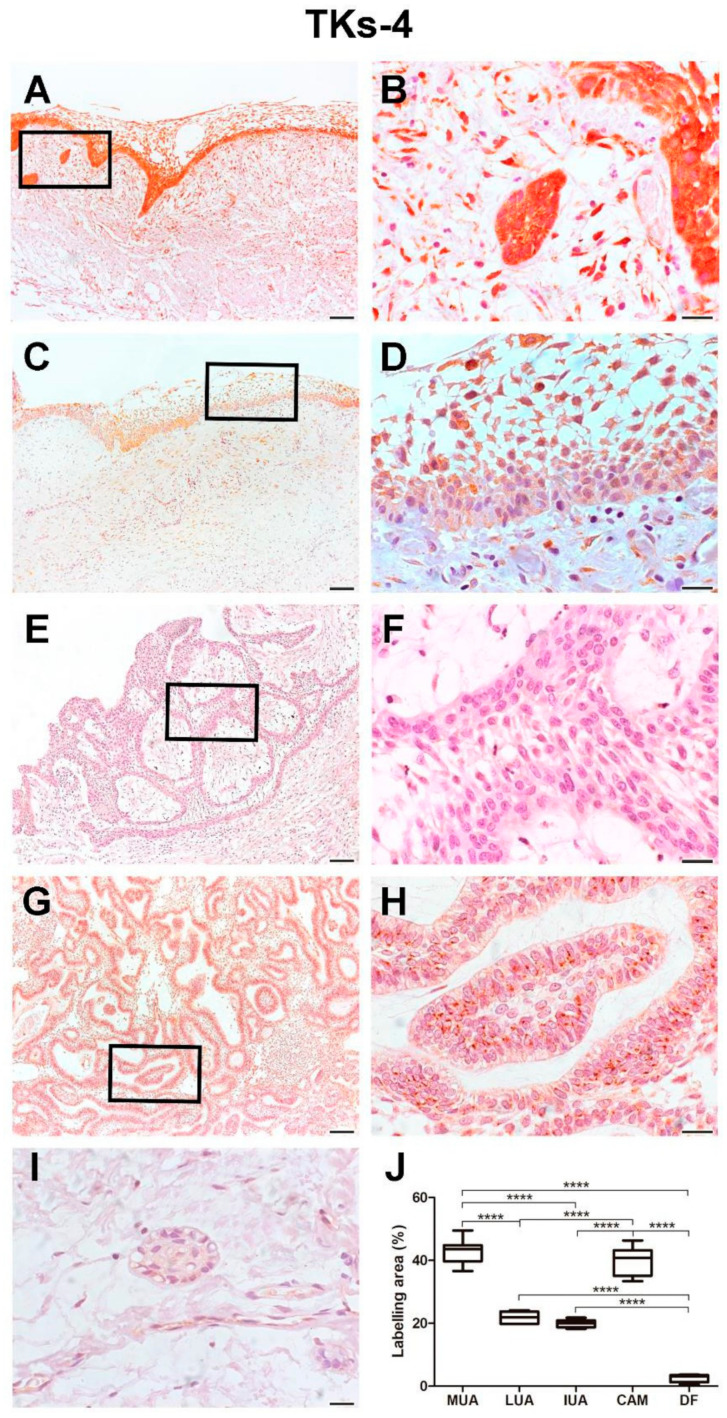 Figure 5
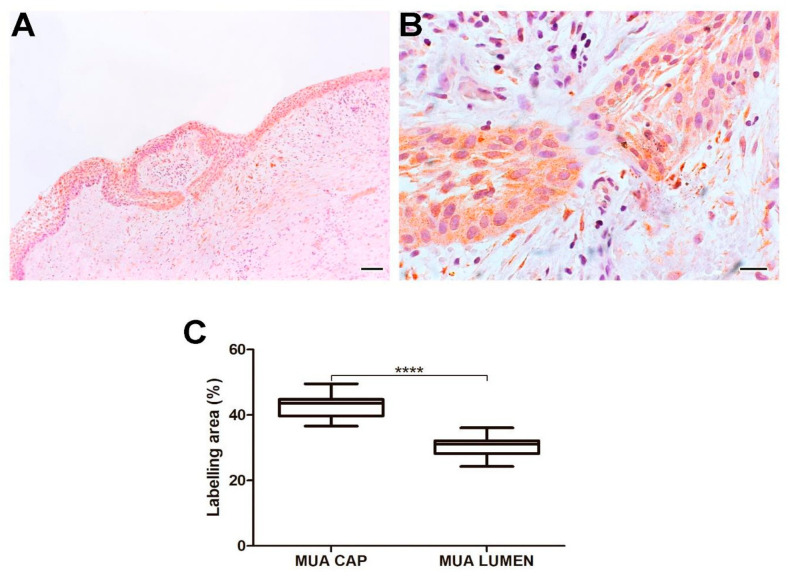 Figure 6
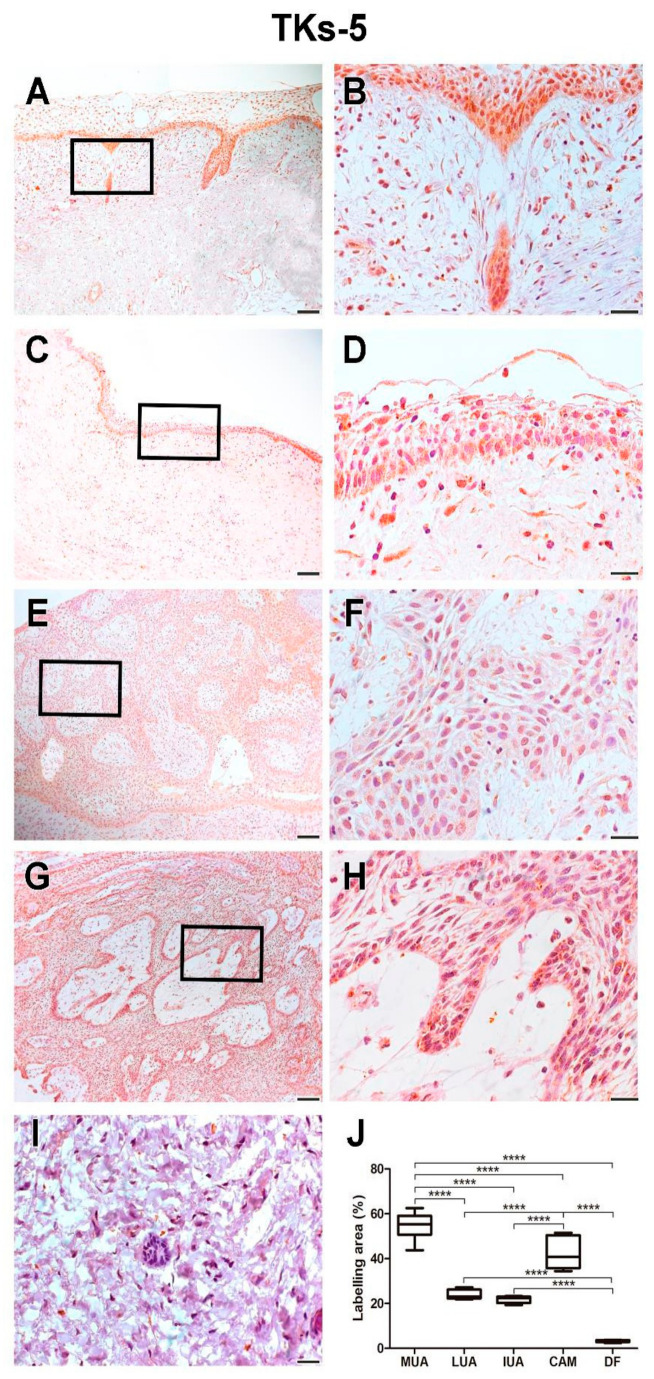 Figure 7
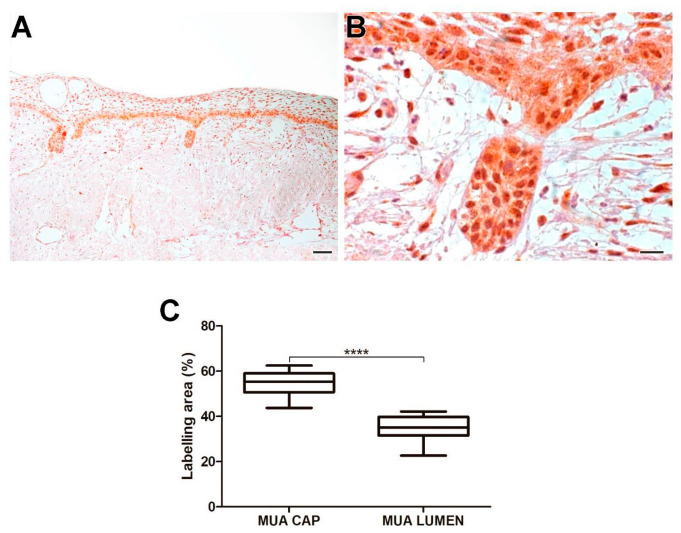 Figure 8
Peer Reviews
No public reviews on file for this paper yet. If you reviewed it on a platform where reviews are public (OpenReview, ICLR, NeurIPS, ICML), you can paste yours below so the community can read it here.
Videos
No videos yet. Explain this paper in a talk, walkthrough, or lecture? Add one.
Taxonomy
TopicsOral and Maxillofacial Pathology · Cancer Research and Treatments · Bone and Dental Protein Studies