The Presence of the Endocannabinoid System in an In Vitro Model of Gorham-Stout Disease and Its Possible Role in the Pathogenesis
Cinzia Aurilia, Gaia Palmini, Simone Donati, Irene Falsetti, Gianna Galli, Lorenzo Margheriti, Teresa Iantomasi, Arcangelo Moro, Maria Luisa Brandi

TL;DR
This study explores the endocannabinoid system's presence in a cell model of Gorham-Stout disease, suggesting it may contribute to the disease's bone loss and lack of regeneration.
Contribution
The first analysis of the endocannabinoid system in a primary cell line from a Gorham-Stout disease patient, revealing altered gene expression.
Findings
The endocannabinoid system is present in pathological tissue from a GSD patient.
qRT-PCR analysis showed altered expression of CNR1, CNR2, TRPV1, and GPR55 genes.
Upregulation of CNR1 and TRPV1, and downregulation of CNR2 and GPR55 suggest endocannabinoid system deregulation in GSD.
Abstract
Gorham-Stout syndrome (GSD), also known as disappearing bone disease, is an extremely rare bone disorder, characterized by a huge bone loss, which is followed by a lack of new matrix deposition and an excessive proliferation of both blood vessels and lymphatics. Unfortunately, the biological causes of GSD are still unknown. Recent studies that have tried to understand the etiopathogenesis of GSD have been principally focused on the vascular and osteoclastogenic aspects, not considering the possibility of a lack of osteoblast function. Nowadays, a diagnosis is still difficult, and is often made by exclusion of the presence of other pathologies, as well as on radiological evidence, and finally confirmed by histological examination. Treatment also remains a critical issue for clinicians today, who mostly try to control the progression of the disease. Over the last two decades, clear…
Genes, proteins, chemicals, diseases, species, mutations and cell lines named across the full text — each resolved to its canonical identifier and authoritative record.
Click any figure to enlarge with its caption.
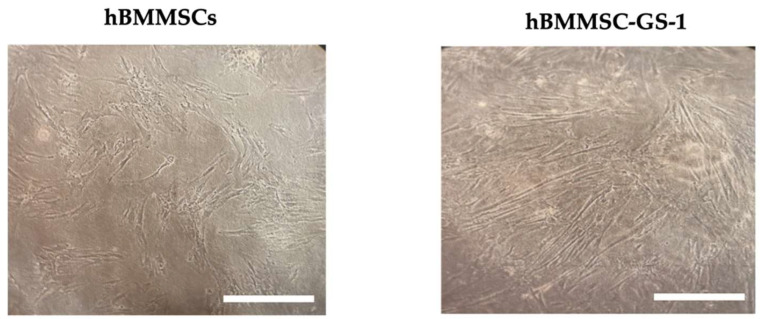 Figure 1
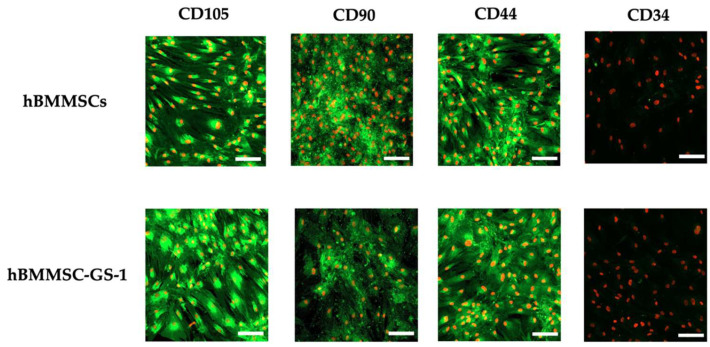 Figure 2
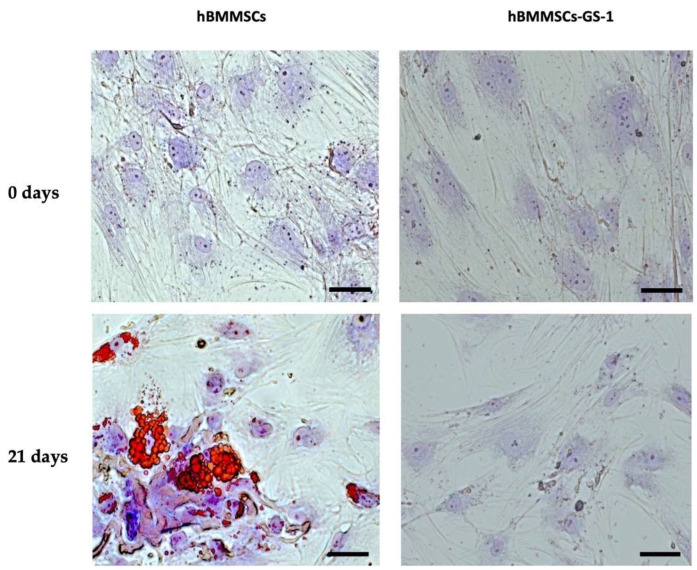 Figure 3
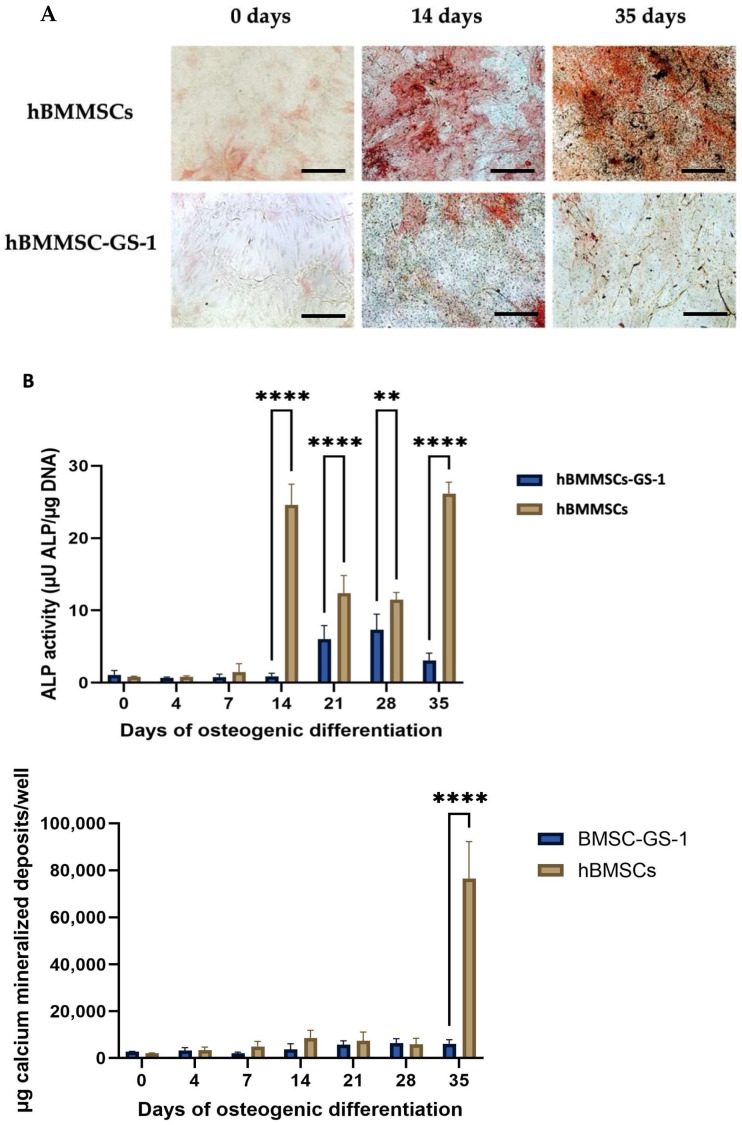 Figure 4
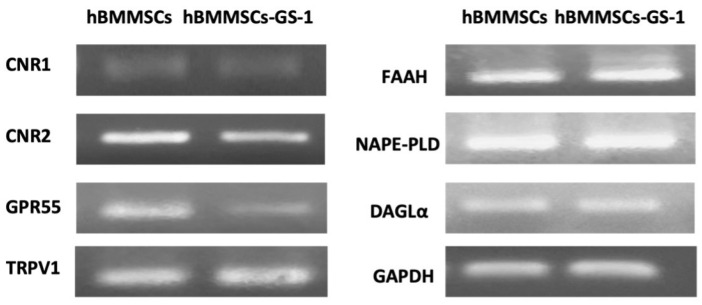 Figure 5
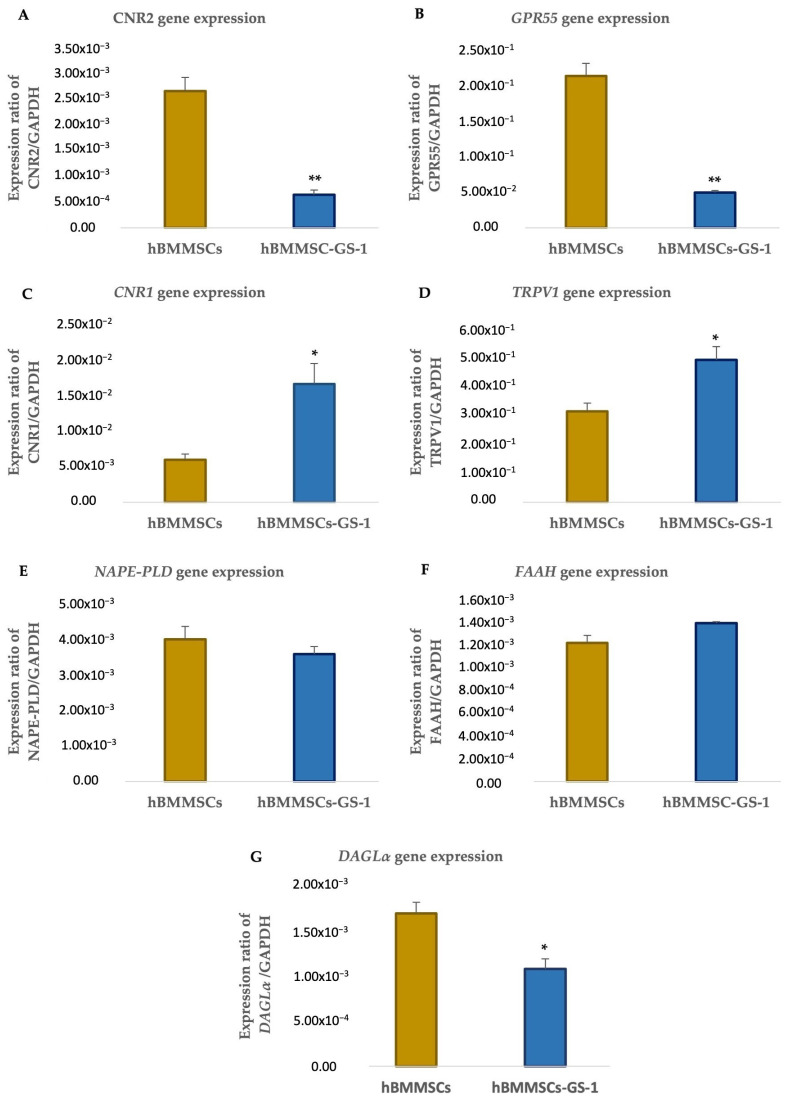 Figure 6
Peer Reviews
No public reviews on file for this paper yet. If you reviewed it on a platform where reviews are public (OpenReview, ICLR, NeurIPS, ICML), you can paste yours below so the community can read it here.
Videos
No videos yet. Explain this paper in a talk, walkthrough, or lecture? Add one.
Taxonomy
TopicsCannabis and Cannabinoid Research · Pancreatic function and diabetes · Genetic Syndromes and Imprinting