Fluorescent Neutron Track Detectors for Boron-10 Microdistribution Measurement in BNCT: A Feasibility Study
Laura Galuzzi, Gabriele Parisi, Valeria Pascali, Martin Niklas, Davide Bortot, Nicoletta Protti, Saverio Altieri

TL;DR
This study explores using fluorescent neutron track detectors to measure boron-10 distribution in cancer cells for a targeted radiation therapy called BNCT.
Contribution
The paper demonstrates the feasibility of using FNTDs to non-destructively measure boron-10 microdistribution in BNCT.
Findings
FNTDs successfully measured alpha particle range and penetration depth in BNCT conditions.
FNTDs can reconstruct the microdistribution of boron-10 in cell samples.
The method is non-destructive, biocompatible, and allows simultaneous measurement of LET and biological response.
Abstract
Boron Neutron-Capture Therapy (BNCT) is a form of radiation therapy that relies on the highly localized and enhanced biological effects of the 10B neutron capture (BNC) reaction products to selectively kill cancer cells. The efficacy of BNCT is, therefore, strongly dependent on the 10B spatial microdistribution at a subcellular level. Fluorescent Nuclear Track Detectors (FNTDs) could be a promising technology for measuring 10B microdistribution. They allow the measurement of the tracks of charged particles, and their biocompatibility allows cell samples to be deposited and grown on their surfaces. If a layer of borated cells is deposited and irradiated by a neutron field, the energy deposited by the BNC products and their trajectories can be measured by analyzing the corresponding tracks. This allows the reconstruction of the position where the measured particles were generated, hence…
Genes, proteins, chemicals, diseases, species, mutations and cell lines named across the full text — each resolved to its canonical identifier and authoritative record.
Click any figure to enlarge with its caption.
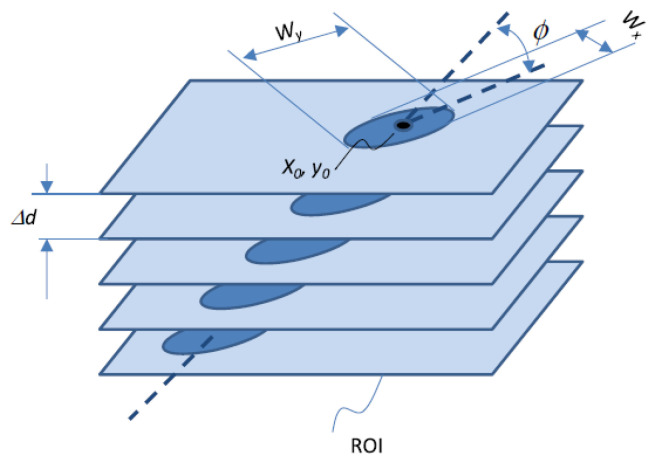 Figure 1
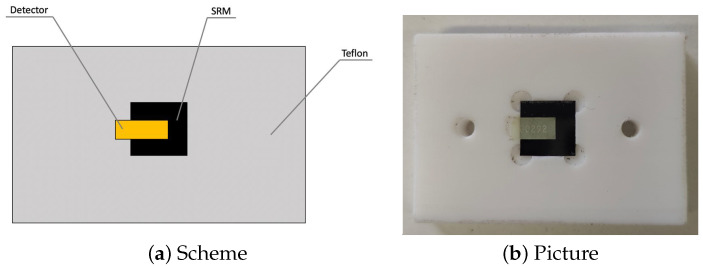 Figure 2
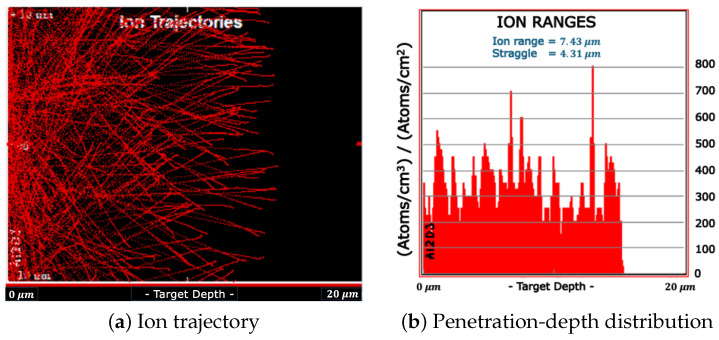 Figure 3
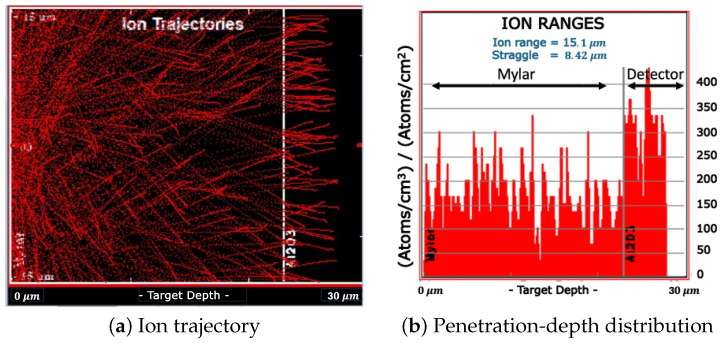 Figure 4
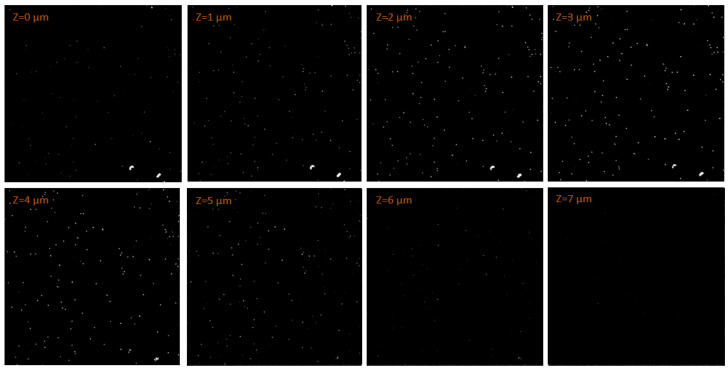 Figure 5
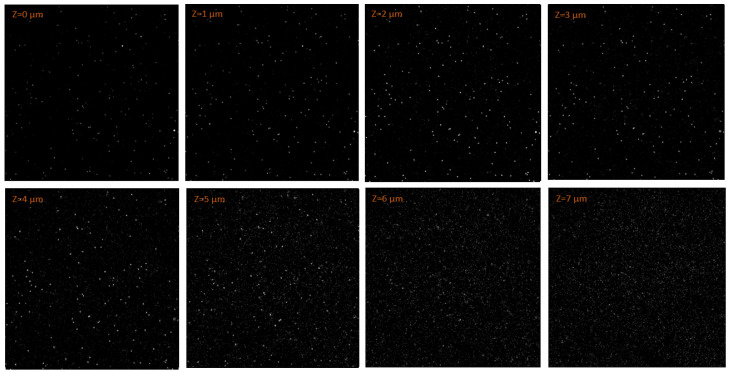 Figure 6
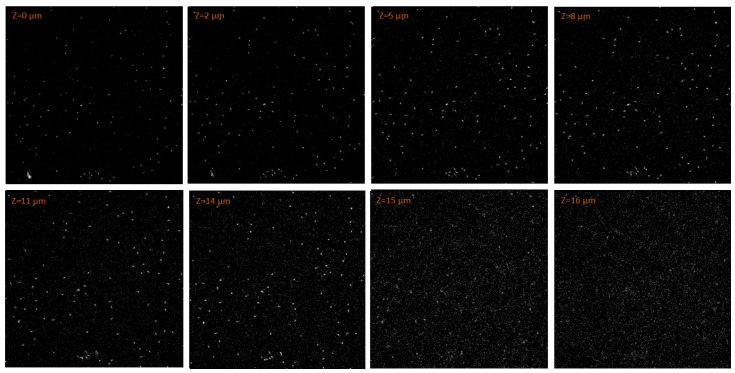 Figure 7
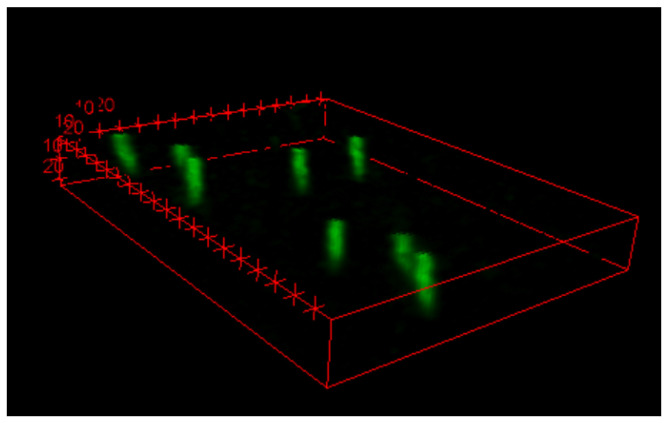 Figure 8
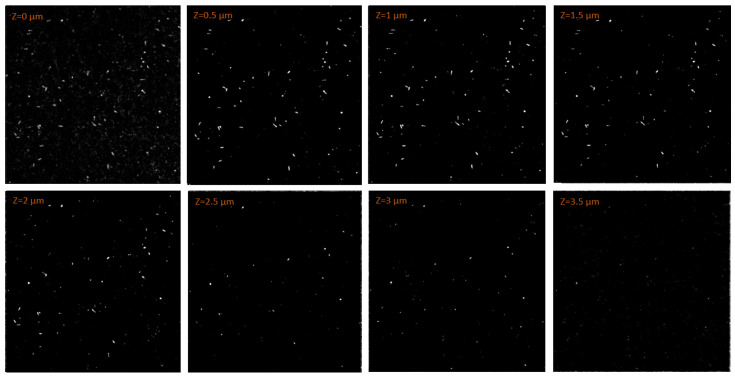 Figure 9
Peer Reviews
No public reviews on file for this paper yet. If you reviewed it on a platform where reviews are public (OpenReview, ICLR, NeurIPS, ICML), you can paste yours below so the community can read it here.
Videos
No videos yet. Explain this paper in a talk, walkthrough, or lecture? Add one.
Taxonomy
TopicsNuclear Physics and Applications · Boron Compounds in Chemistry · Radiation Detection and Scintillator Technologies