Allele-Specific CG/CCWGG Methylation of the PSA Promoter Discriminates Aggressive, Indolent, and Benign Prostate Cell Lines and Is Involved in the Regulation of PSA Expression
Mikhail Baryshev, Egils Vjaters

TL;DR
This study shows how DNA methylation patterns in the PSA promoter differ between aggressive, indolent, and benign prostate cell lines, offering new insights for improving prostate cancer diagnostics.
Contribution
The study identifies distinct allele-specific CG/CCWGG methylation patterns in the PSA promoter that distinguish different prostate states.
Findings
Aggressive PC3 cells show biallelic PSA promoter methylation and gene silencing.
LNCaP cells have unmethylated promoters with biallelic PSA expression.
BPH1 cells display monoallelic methylation but no PSA expression, suggesting RNA decay or imprinting defects.
Abstract
Prostate-specific antigen remains a cornerstone biomarker for prostate cancer diagnosis and management. However, the molecular mechanisms regulating its expression, particularly through DNA methylation, are not fully understood. Here, we report a comprehensive analysis of allele-specific CpG and CCWGG methylation in the proximal PSA promoter across aggressive (PC3), indolent (LNCaP), benign (BPH1), and normal (HPrEpiC) prostate cell lines and provide insights into the unique methylation patterns associated with these states. Our findings reveal that PC3 cells, representing an aggressive PCa phenotype, exhibit complete biallelic methylation of the PSA promoter, leading to PSA gene silencing. Conversely, LNCaP cells display a fully unmethylated promoter with biallelic PSA expression. Interestingly, BPH1 cells display a monoallelic CG/CCWGG methylation pattern, yet fail to express PSA,…
Genes, proteins, chemicals, diseases, species, mutations and cell lines named across the full text — each resolved to its canonical identifier and authoritative record.
Click any figure to enlarge with its caption.
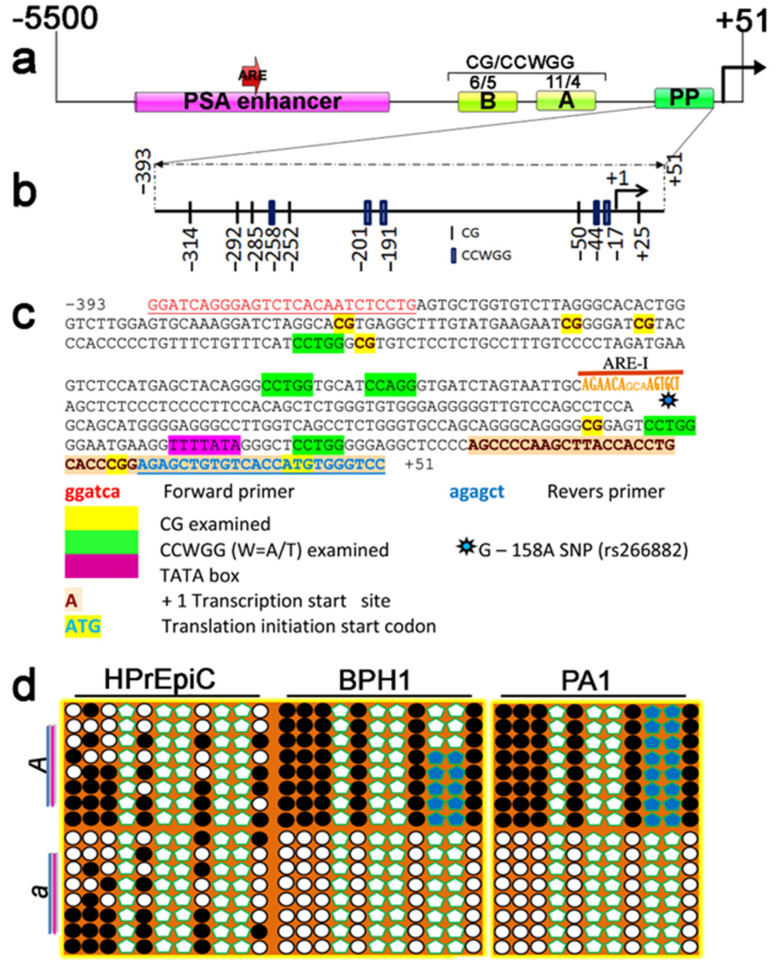 Figure 1
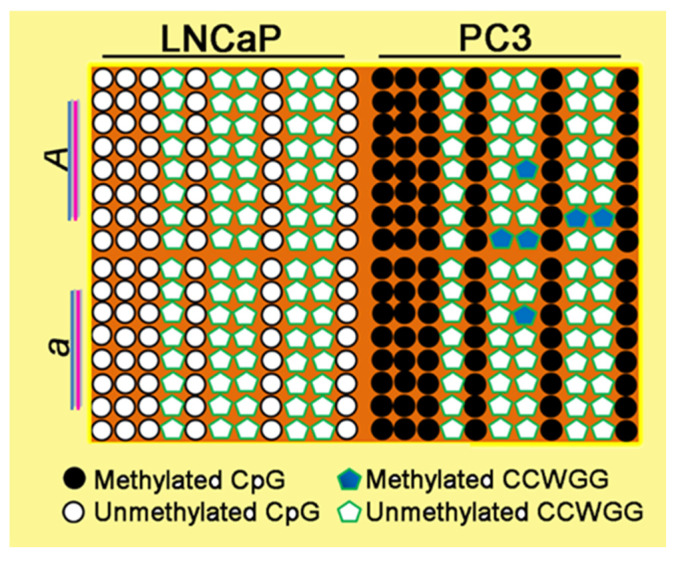 Figure 2
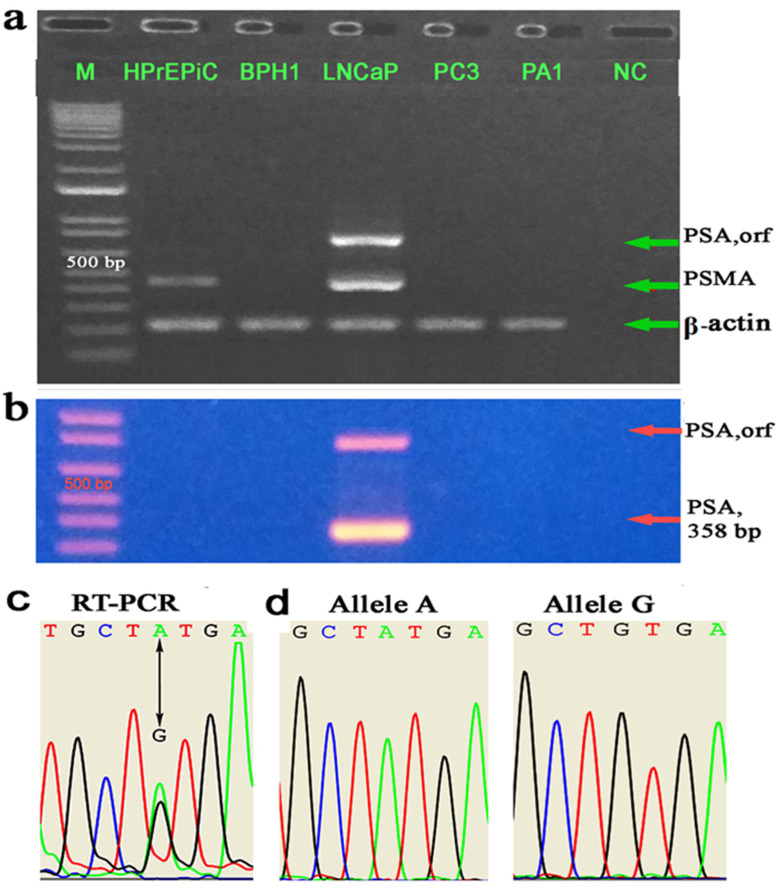 Figure 3
 Figure 4
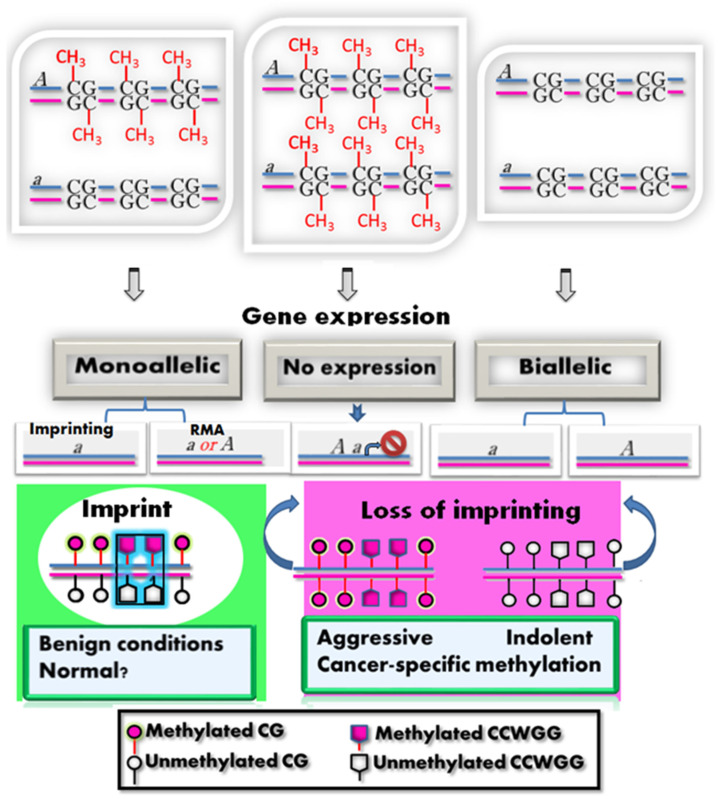 Figure 5
Peer Reviews
No public reviews on file for this paper yet. If you reviewed it on a platform where reviews are public (OpenReview, ICLR, NeurIPS, ICML), you can paste yours below so the community can read it here.
Videos
No videos yet. Explain this paper in a talk, walkthrough, or lecture? Add one.
Taxonomy
TopicsProstate Cancer Treatment and Research · Epigenetics and DNA Methylation · Prostate Cancer Diagnosis and Treatment