The Effect of the I-Arch on the Buccal Alveolar Crest in Comparison with the Traditional Archwire Sequence: A Randomized Controlled Clinical Trial
Salam Mouhamad Omar Nakawah, Mohamed Hasan Youssef, Ornella Rossi, Giovanna Perrotti, Tiziano Testori

TL;DR
This study compares the I-arch and traditional archwires in orthodontic treatment, finding that the I-arch causes less alveolar bone resorption and shorter initial treatment time.
Contribution
The study introduces the I-arch as a novel orthodontic archwire that reduces alveolar bone side effects during treatment.
Findings
The I-arch group showed less alveolar bone resorption, dehiscence, and fenestration.
The first treatment period was significantly shorter in the I-arch group.
Total treatment duration was similar between the I-arch and traditional archwire groups.
Abstract
Background/Objectives: The nature, diameter, and cross-section of orthodontic archwires affect tooth movement and the surrounding alveolar bone. Researchers have explored different features of archwires to optimize treatment outcomes. In this context, this study aimed to evaluate the properties of the I-arch for its effects on alveolar bone height, dehiscence, fenestration, and treatment duration. Methods: Forty patients (eight males, and thirty-two females; mean age: 20.97 ± 2.41 years) with dental crowding ≤ 6 mm and Class I malocclusion were treated without extractions. They were randomly divided into two groups: the experimental group (EG, n = 20), treated with the I-arch, and the control group (CG, n = 20), treated with traditional archwires of the MBT technique. Two CBCT scans were taken for each patient, one before treatment (T0) and one after leveling (T2). The studied teeth…
Genes, proteins, chemicals, diseases, species, mutations and cell lines named across the full text — each resolved to its canonical identifier and authoritative record.
Click any figure to enlarge with its caption.
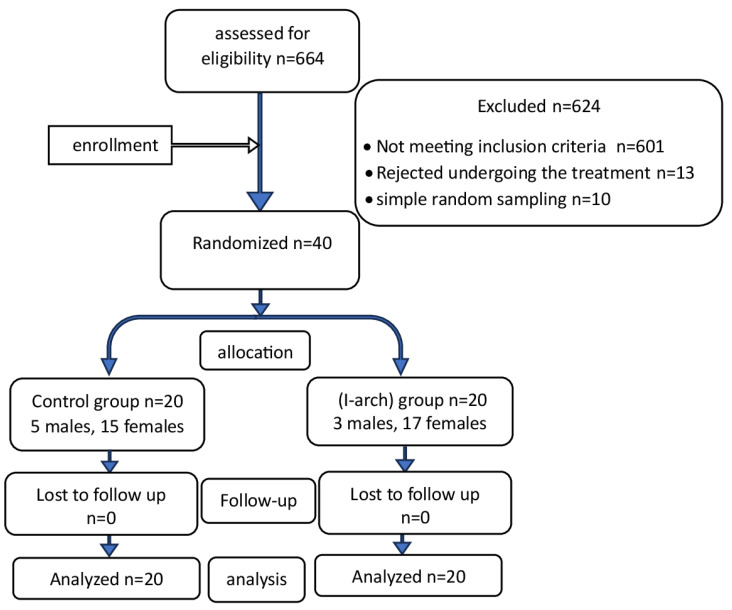 Figure 1
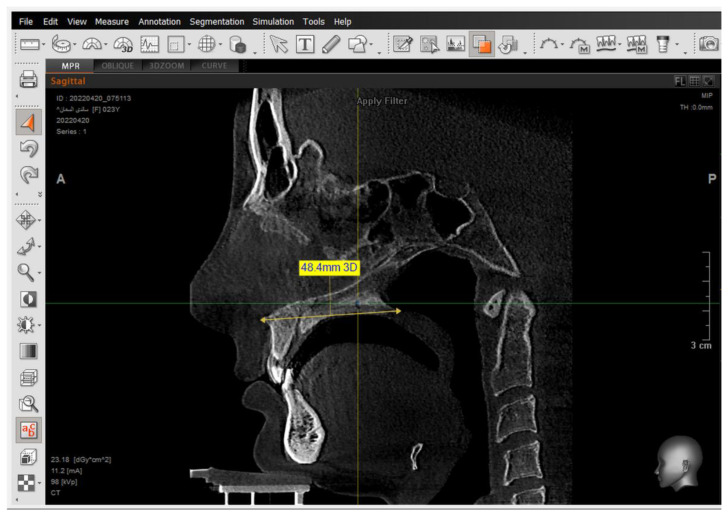 Figure 2
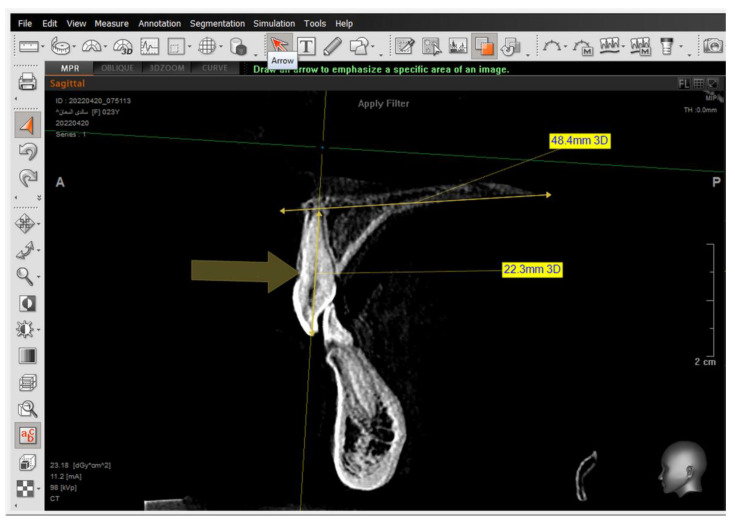 Figure 3
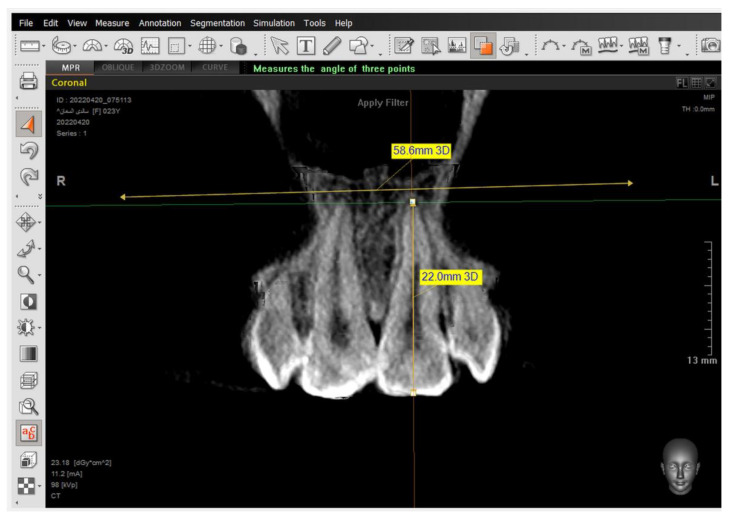 Figure 4
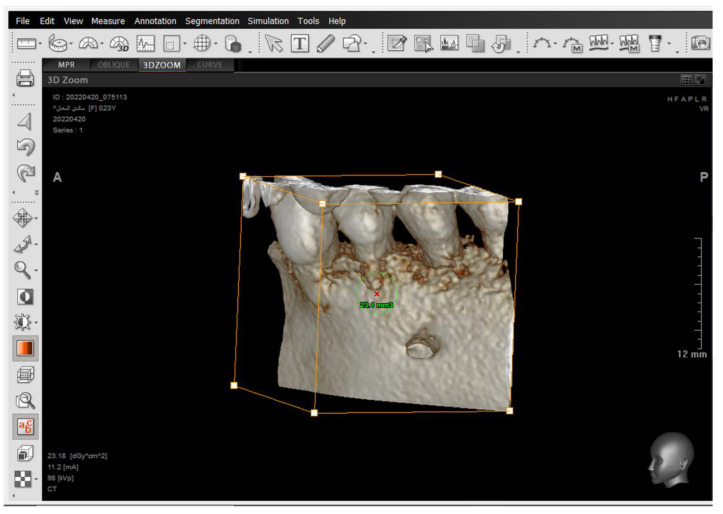 Figure 5
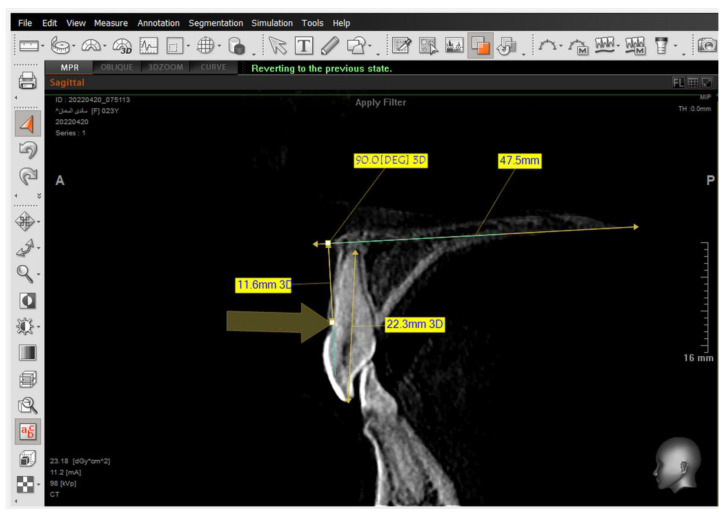 Figure 6
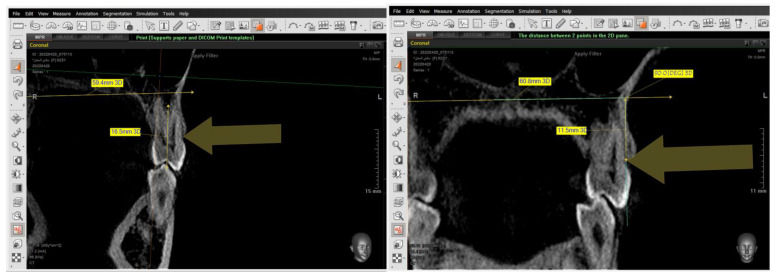 Figure 7
Peer Reviews
No public reviews on file for this paper yet. If you reviewed it on a platform where reviews are public (OpenReview, ICLR, NeurIPS, ICML), you can paste yours below so the community can read it here.
Videos
No videos yet. Explain this paper in a talk, walkthrough, or lecture? Add one.
Taxonomy
TopicsOrthodontics and Dentofacial Orthopedics · dental development and anomalies · Periodontal Regeneration and Treatments