A Non-Pharmacological Paradigm Captures the Complexity in the Mechanism of Action of Poliprotect Against Gastroesophageal Reflux Disease and Dyspepsia
Sara Caterbi, Claudio Buttarini, Stefano Garetto, Isabelle Franco Moscardini, Stefano Ughetto, Angela Guerrini, Elena Panizzi, Cristiano Rumio, Laura Mattioli, Marina Perfumi, Anna Maidecchi, Andrea Cossu, Stanislas Bruley des Varannes, Jaroslaw Regula, Peter Malfertheiner

TL;DR
Poliprotect, a natural medical device, protects the stomach and esophagus by forming a protective barrier, offering a new non-drug approach for treating reflux and digestion issues.
Contribution
The study introduces a non-pharmacological mechanism of action for Poliprotect based on biophysical interactions rather than drug-based effects.
Findings
Poliprotect adheres to gastric mucus and forms a local barrier with buffering and antioxidant activity.
It preserves gastric and esophageal epithelial barriers under acidic stress in vitro.
In vivo models showed protection against ethanol- and drug-induced mucosal injury.
Abstract
When the protective mechanisms of the gastroesophageal mucosa are overwhelmed by injurious factors, the structural and functional mucosal integrity is compromised, resulting in a wide spectrum of disorders. Poliprotect has recently been shown to be non-inferior to standard-dose omeprazole for the treatment of endoscopy-negative patients with heartburn and/or epigastric pain or burning. Here, we provide preclinical data describing the mechanism of action of the Poliprotect formulation, a 100% natural, biodegradable, and environmental friendly medical device according to EU 2017/745 and containing UVCB (unknown or variable composition, complex-reaction products, or biological materials) substances of botanical and mineral origin, according to the REACH and European Chemical Agency definitions. Different in vitro assays demonstrated the capability of Poliprotect to adhere to…
Genes, proteins, chemicals, diseases, species, mutations and cell lines named across the full text — each resolved to its canonical identifier and authoritative record.
Click any figure to enlarge with its caption.
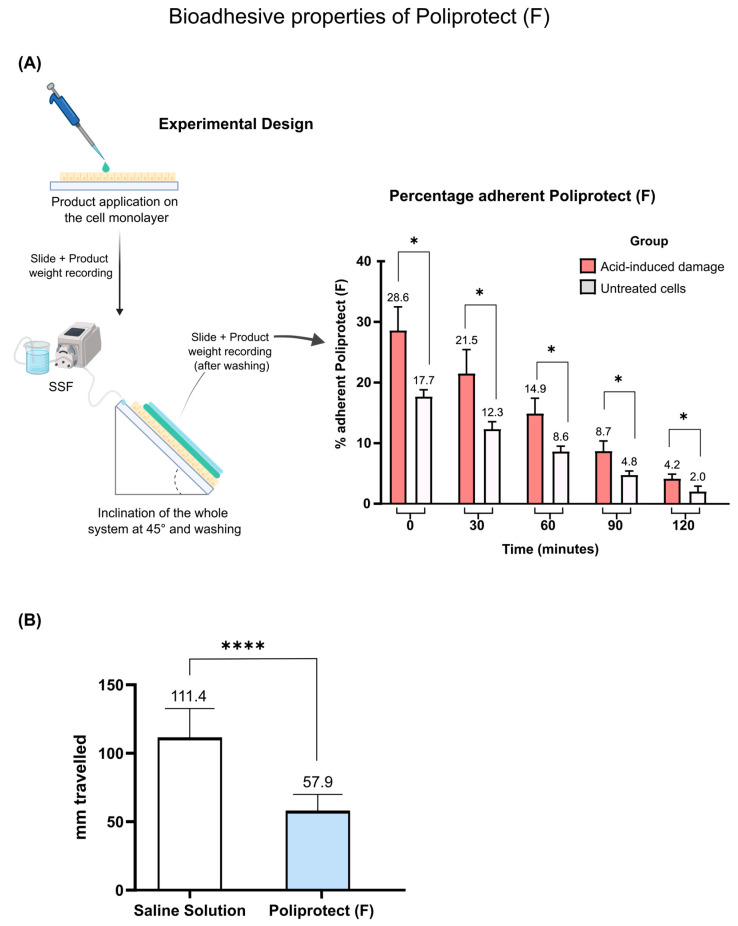 Figure 1
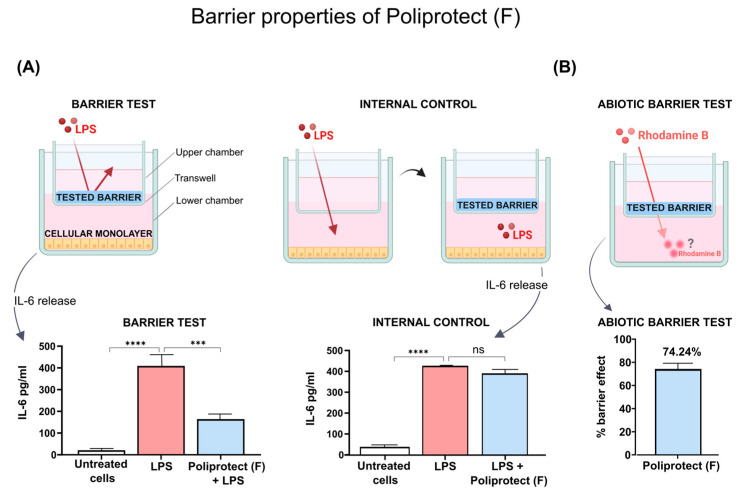 Figure 2
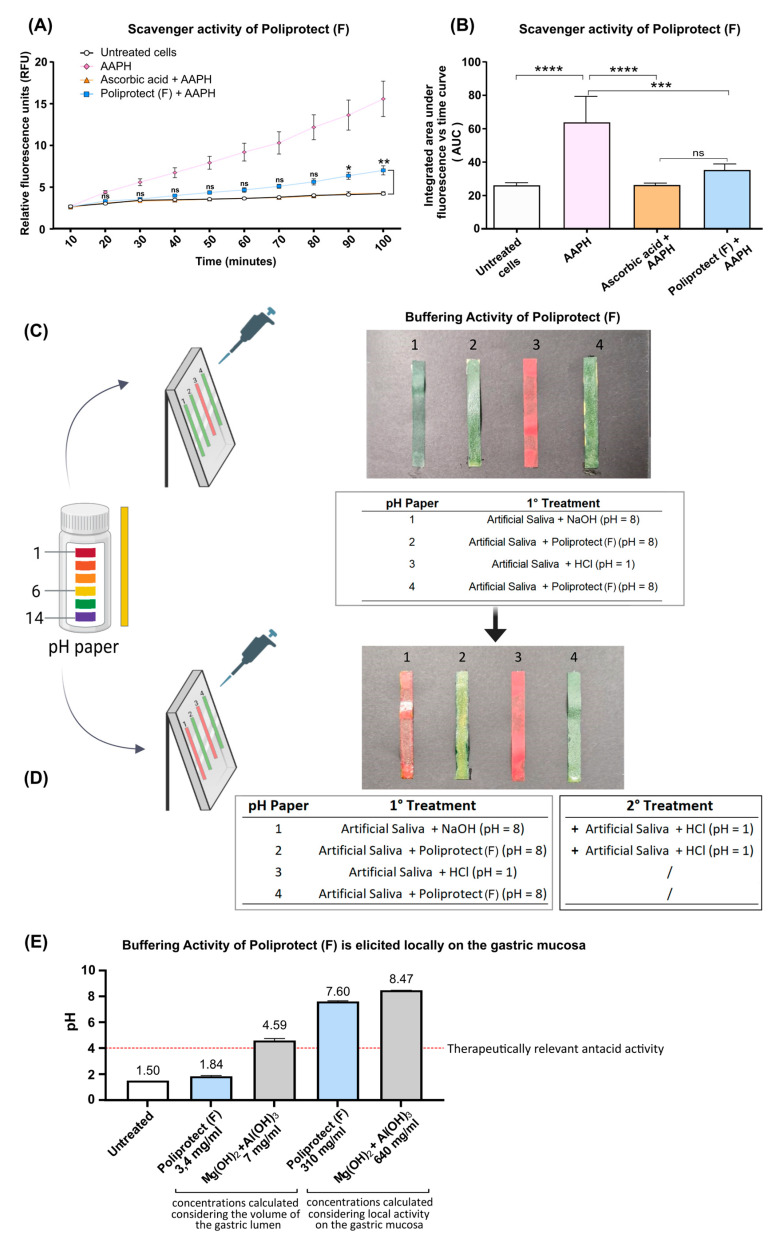 Figure 3
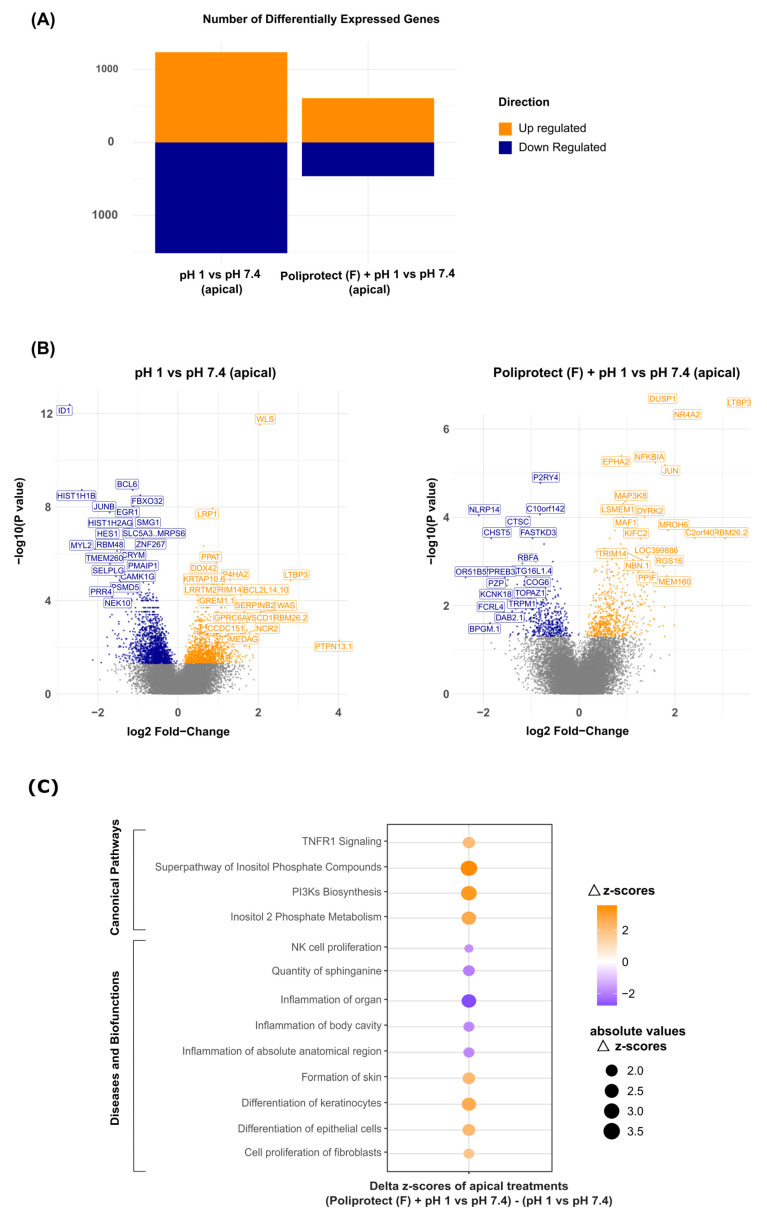 Figure 4
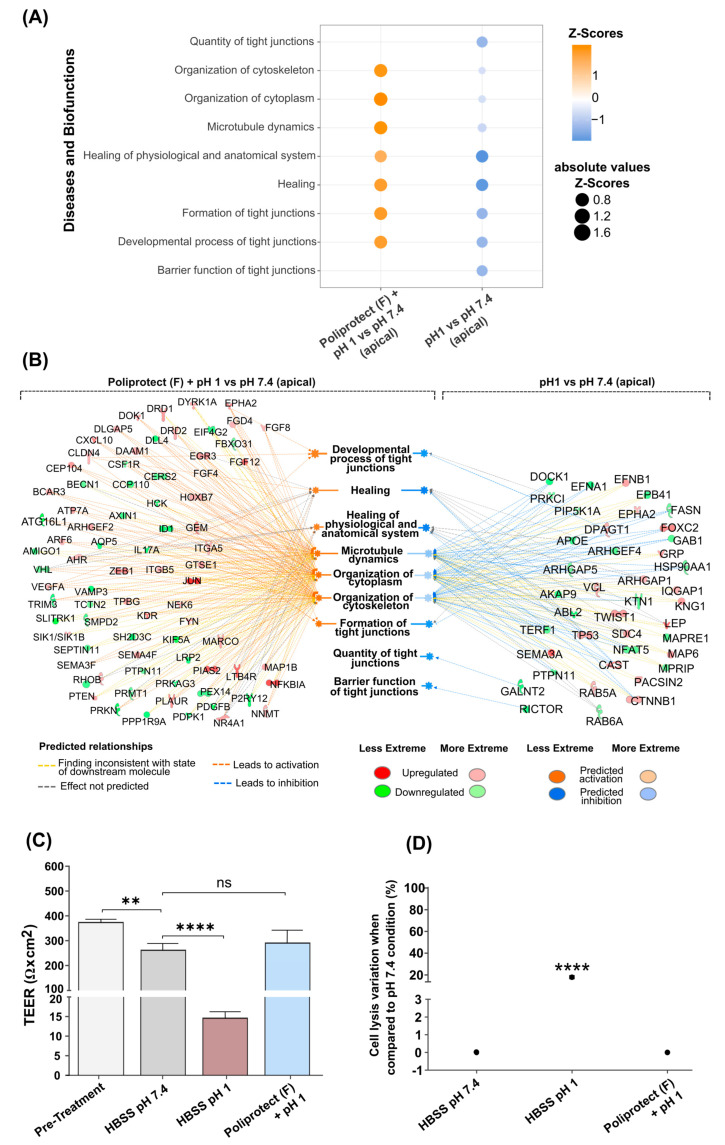 Figure 5
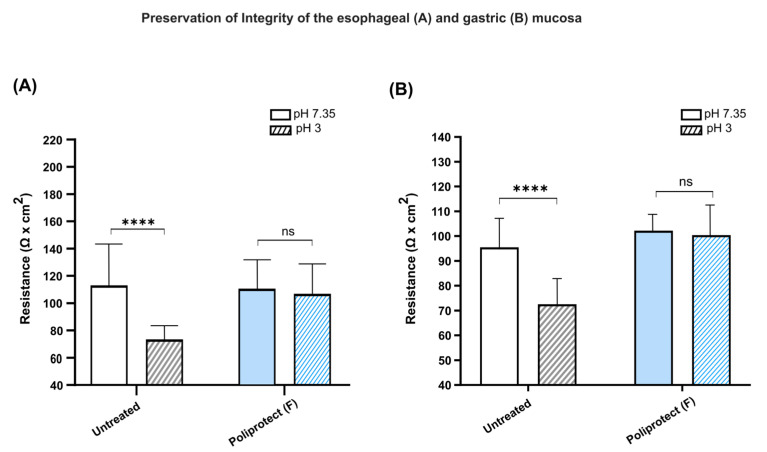 Figure 6
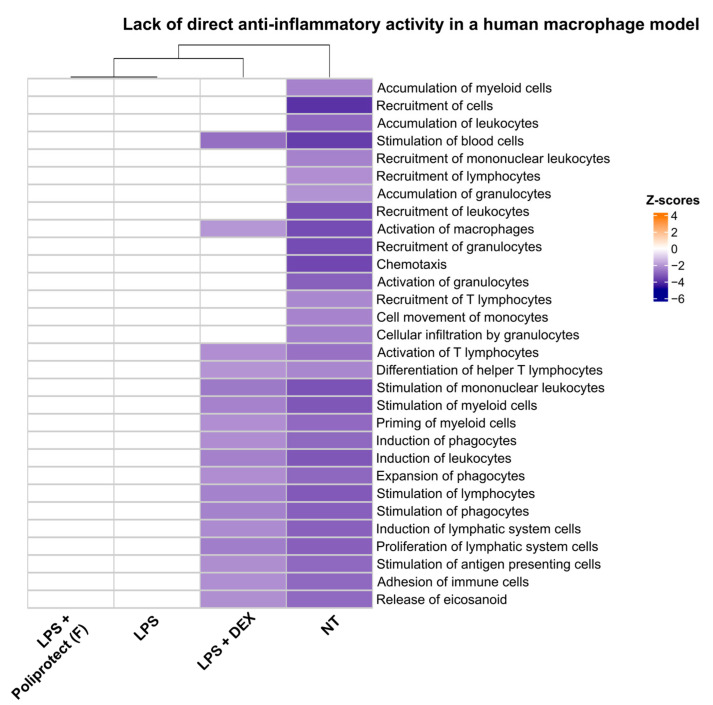 Figure 7
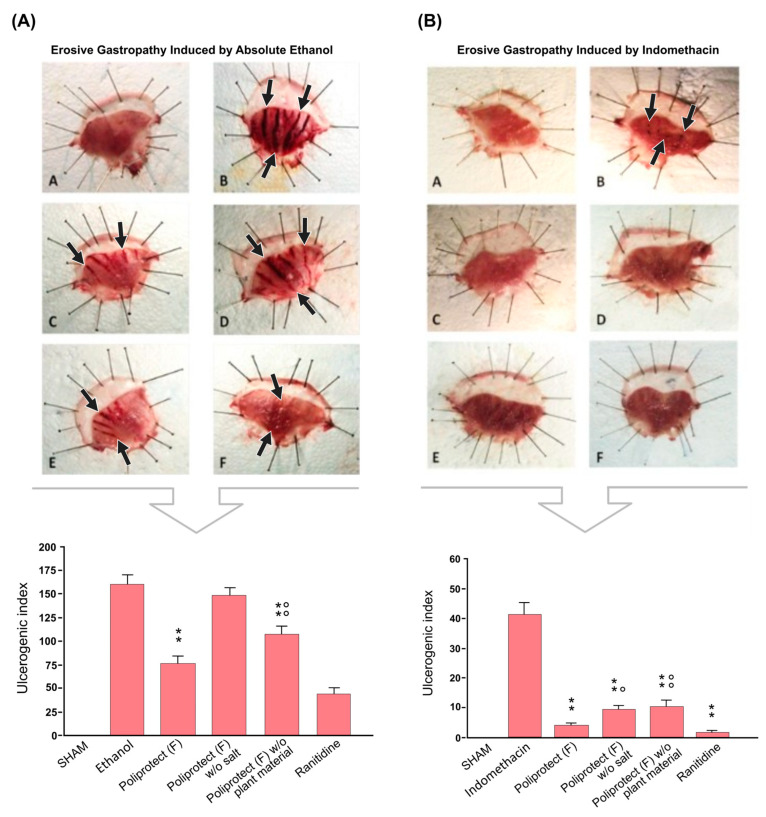 Figure 8
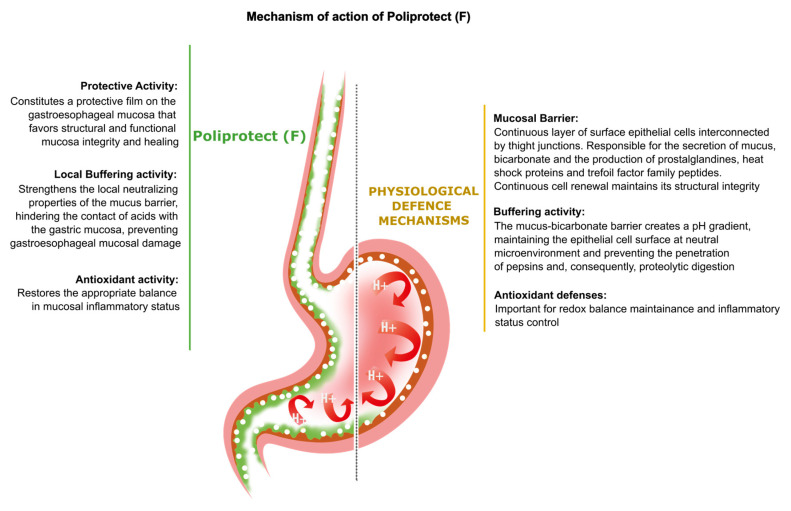 Figure 9
Peer Reviews
No public reviews on file for this paper yet. If you reviewed it on a platform where reviews are public (OpenReview, ICLR, NeurIPS, ICML), you can paste yours below so the community can read it here.
Videos
No videos yet. Explain this paper in a talk, walkthrough, or lecture? Add one.
Taxonomy
TopicsHelicobacter pylori-related gastroenterology studies · Gastroesophageal reflux and treatments · Gastrointestinal motility and disorders