Pregnancy Outcomes in Women with Low and Ultra-Low Ejection Fraction: A Retrospective Study in a Tertiary Care Center
Bashayer Saeed, Amani ALbalawi, Marwah Bintalib, Amjad Alturki, Edward B. De Vol, Balqees ALzayed, Dania Mohty, Gruschen Veldtman, Maisoon AlMugbel, Nayef Latta, Faisal Joueidi, Wesam Kurdi

TL;DR
This study examines pregnancy outcomes in women with low heart ejection fractions, finding higher risks for fetal and neonatal complications but similar maternal risks.
Contribution
The study provides insights into maternal-fetal outcomes in pregnancies with low ejection fractions in a tertiary care setting.
Findings
Women with ejection fraction ≤30% had lower live birth rates (59%) compared to those with EF >30% (90%).
Lower ejection fraction was associated with lower gestational age at delivery and fewer live births discharged alive.
Maternal outcomes were similar between low and ultra-low ejection fraction groups.
Abstract
The data about pregnancy while having a low ejection fraction are scarce, since pregnancy is not recommended for women with an ejection fraction of less than 30%. There is an increased risk of obstetrical complications and adverse maternal-fetal outcomes. Pregnancy is a rough journey for this group of patients. However, a successful pregnancy can be achieved when cardiac complications are managed during pregnancy. The early recognition of women at risk of cardiovascular events and early referral can optimize the maternal and neonatal outcomes with close collaboration between the maternal-fetal medicine specialist and the cardiologist. The study’s aim was to assess the experience of our tertiary center with regard to the adverse maternal outcome for women with an ejection fraction ≤ 30% compared to those with an EF > 30% in our tertiary center. The fetal and obstetric outcome for…
Genes, proteins, chemicals, diseases, species, mutations and cell lines named across the full text — each resolved to its canonical identifier and authoritative record.
Click any figure to enlarge with its caption.
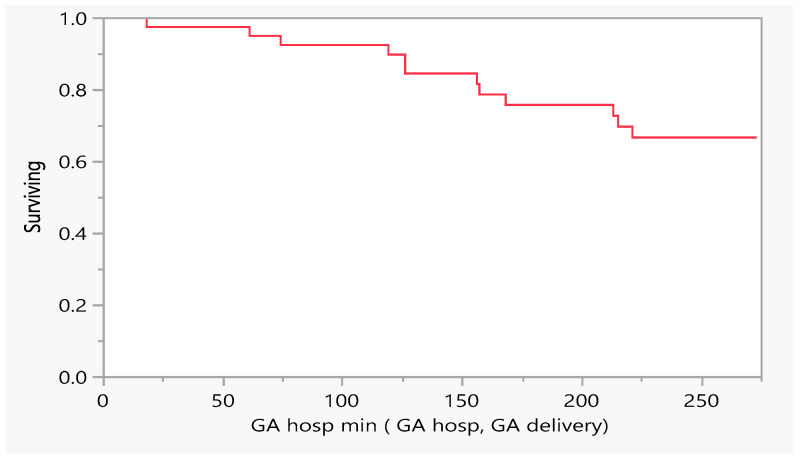 Figure 1
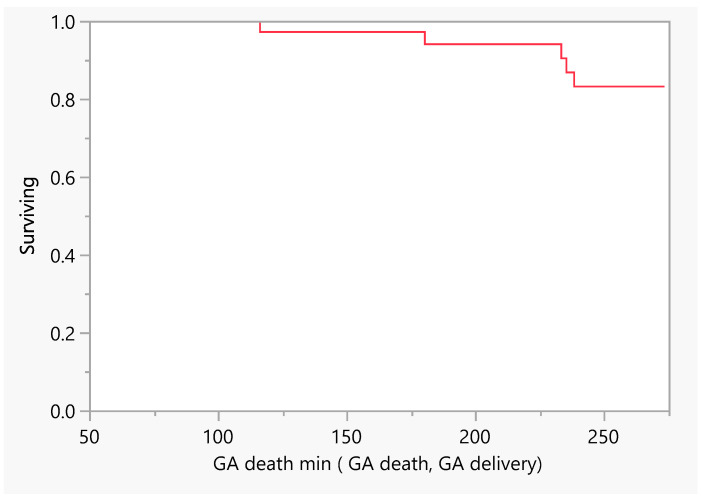 Figure 2
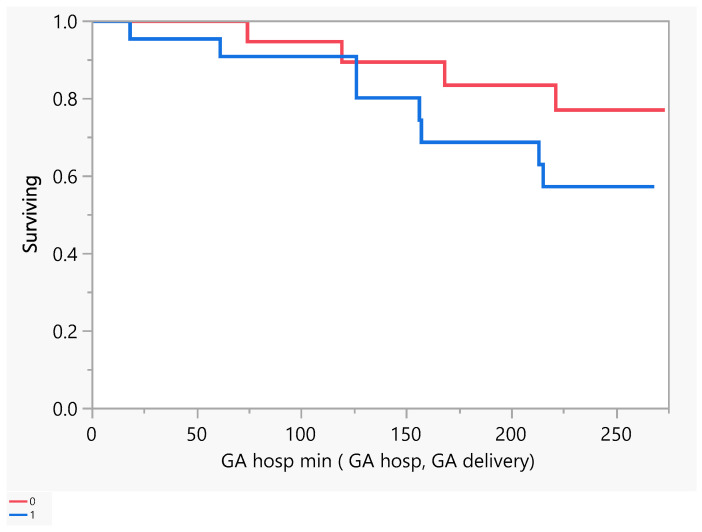 Figure 3
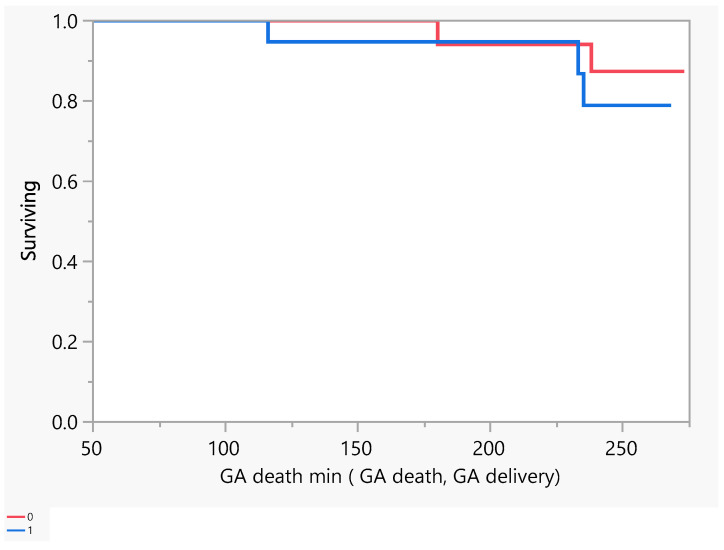 Figure 4
Peer Reviews
No public reviews on file for this paper yet. If you reviewed it on a platform where reviews are public (OpenReview, ICLR, NeurIPS, ICML), you can paste yours below so the community can read it here.
Videos
No videos yet. Explain this paper in a talk, walkthrough, or lecture? Add one.
Taxonomy
TopicsCardiovascular Issues in Pregnancy · Pregnancy-related medical research · Cardiac Structural Anomalies and Repair