Effect of Fenugreek Extract on Testosterone Propionate-Induced Benign Prostatic Hyperplasia
Jeong Yoon Lee, Jiyoung Bang, Jinhak Kim, Kwang-Soo Baek, Dongchan Oh, Yoo-Hyun Lee

TL;DR
This study shows that fenugreek extract may help reduce symptoms of benign prostatic hyperplasia in rats by targeting hormone-related and inflammatory pathways.
Contribution
The study demonstrates fenugreek extract's potential as an alternative treatment for BPH through its effects on androgen and inflammation pathways.
Findings
Fenugreek extract reduced prostate weight and DHT levels in testosterone-induced BPH rats.
FCT inhibited cell proliferation and decreased expression of androgen and inflammatory markers in BPH-1 cells.
The extract increased Bax expression and reduced AR, 5α-reductase 2, Bcl-2, IL-6, TNF-α, and NF-κB levels.
Abstract
Benign prostatic hyperplasia (BPH) is a noncancerous urinary disorder that is common in older adult men; however, its underlying mechanisms remain unclear. Fenugreek has some biological effects, including hyperglycemia regulation, immune response modulation, and anti-cancer properties; In this study, we investigated the ameliorative effects of fenugreek seed extract (Forceterone® [FCT]) in a testosterone propionate (TP)-induced BPH animal model and its mechanisms in BPH-1 human prostate epithelial cells. Sprague Dawley (SD) rats were injected subcutaneously with TP (3 mg/kg) for 8 weeks to induce BPH while FCT was administered orally at 25, 50, and 100 mg/kg. In addition, BPH-1 cells were used to evaluate the inhibitory effects on cell proliferation and examine inflammatory cytokine expression. Treating rats with FCT decreased prostate weight, dihydrotestosterone (DHT) level, and…
Genes, proteins, chemicals, diseases, species, mutations and cell lines named across the full text — each resolved to its canonical identifier and authoritative record.
Click any figure to enlarge with its caption.
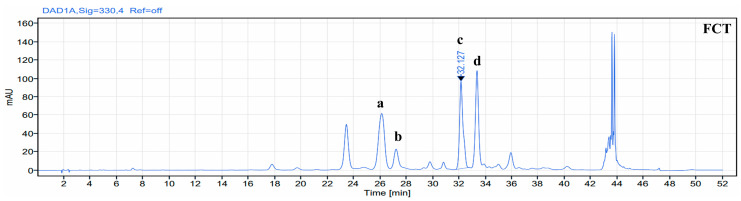 Figure 1
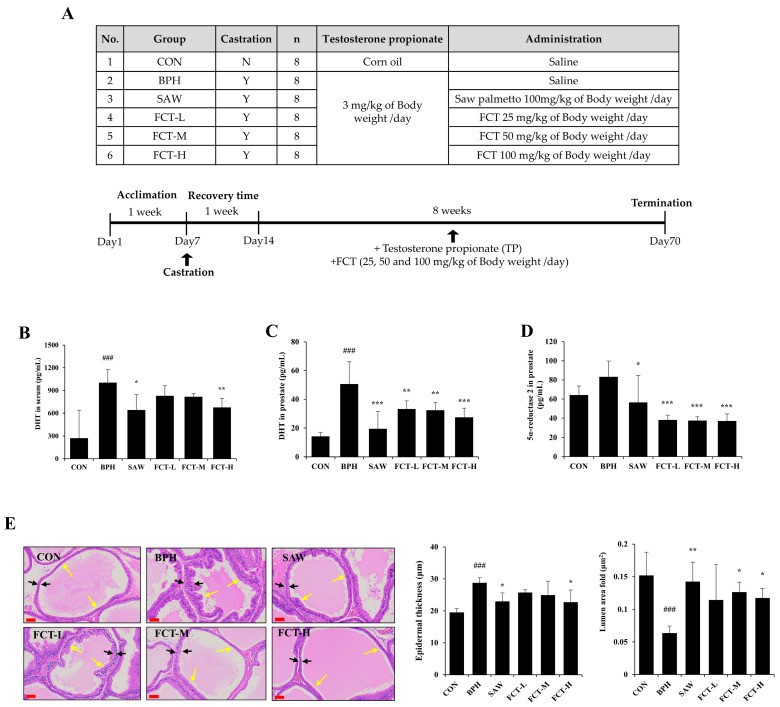 Figure 2
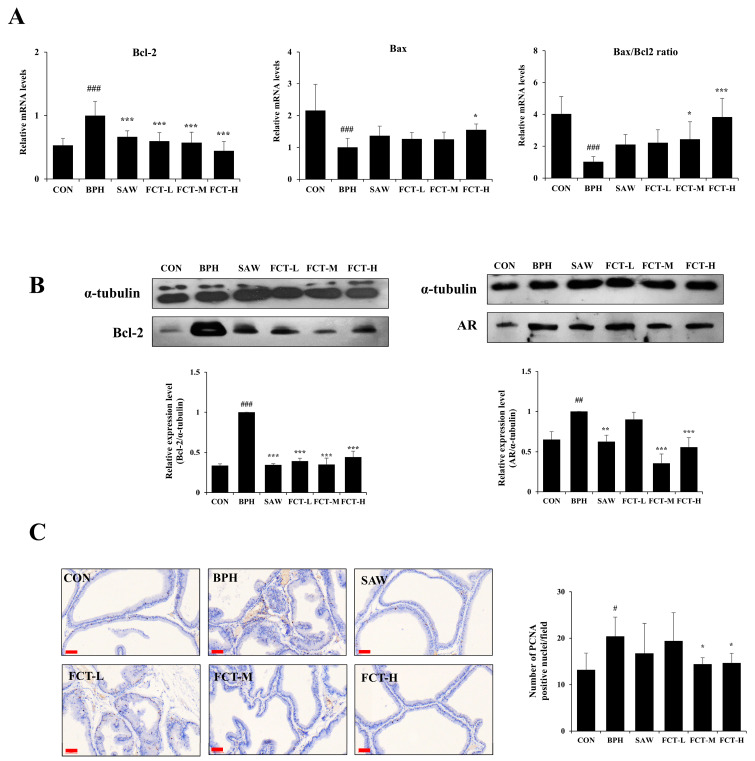 Figure 3
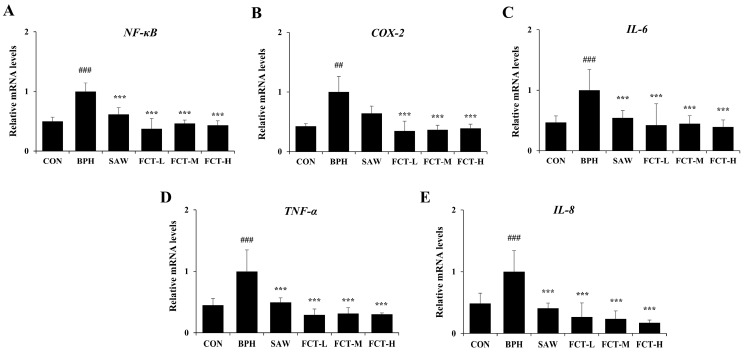 Figure 4
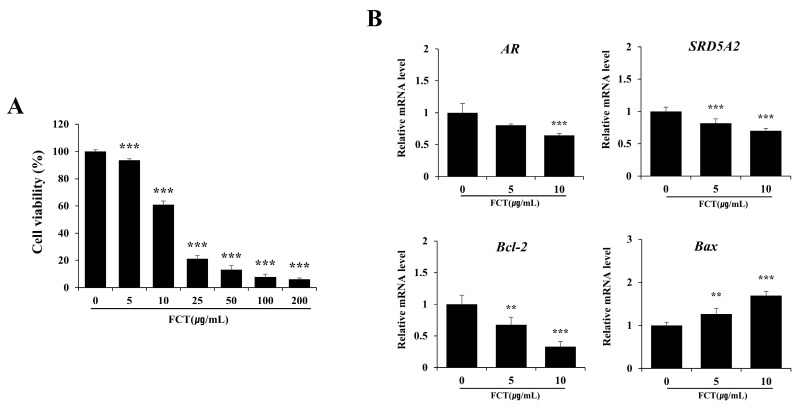 Figure 5
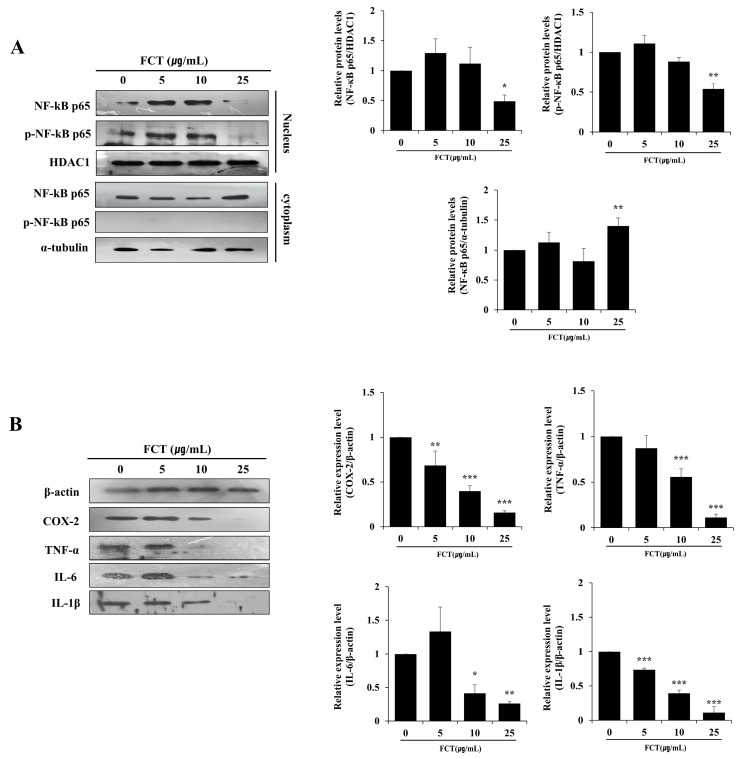 Figure 6
Peer Reviews
No public reviews on file for this paper yet. If you reviewed it on a platform where reviews are public (OpenReview, ICLR, NeurIPS, ICML), you can paste yours below so the community can read it here.
Videos
No videos yet. Explain this paper in a talk, walkthrough, or lecture? Add one.
Taxonomy
TopicsUrinary Bladder and Prostate Research · Hormonal and reproductive studies · Pharmacology and Obesity Treatment